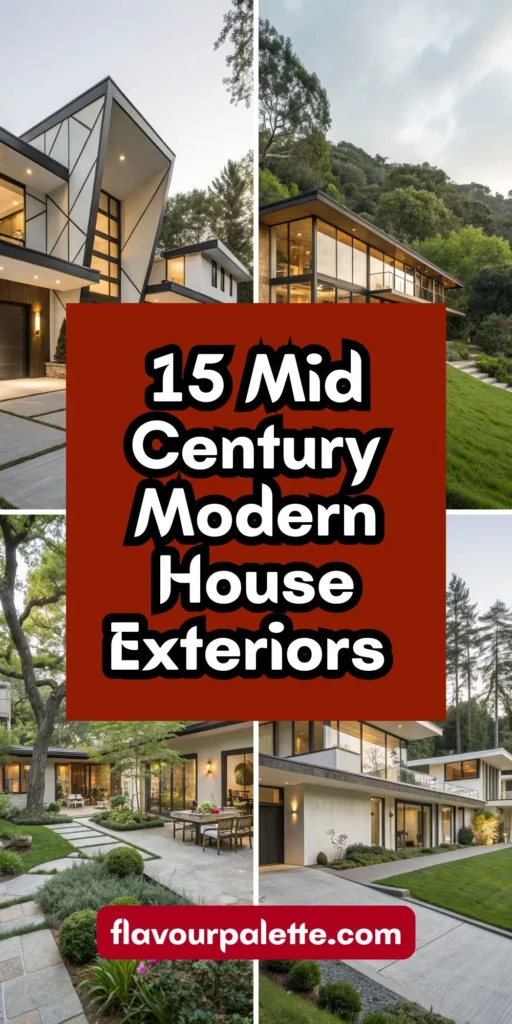
These 15 Mid-Century Modern House Exteriors Prove Why This Design Style Is Here to Stay
Mid-century modern design has never truly gone out of style. Defined by clean lines, geometric silhouettes, natural materials, and a seamless blend between indoors and outdoors, this architectural movement from the mid-20th century still captures the imagination of homeowners, architects, and designers today.
What makes it so enduring? The answer lies in its functionality, simplicity, and sculptural beauty. These 15 stunning mid-century modern house exteriors show exactly why this design style continues to influence contemporary homes and why it remains a timeless favorite for generations.
1. Flat Rooflines That Define Iconic Simplicity
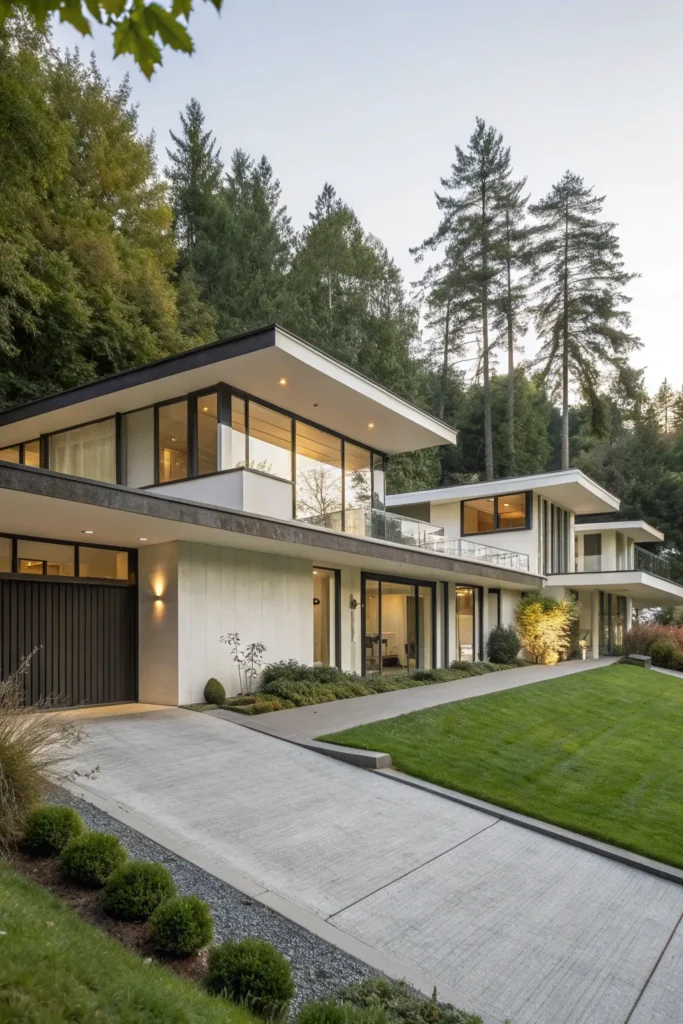
One of the most recognizable features of mid-century modern homes is the flat or low-sloping roofline. This design creates a streamlined shape that feels effortlessly elegant. These sleek rooflines reduce visual clutter, emphasize horizontal space, and let the landscape shine. Whether used on a sprawling one-story home or a compact architectural gem, the flat roof instantly signals modernity and minimalism.
2. Expansive Glass Walls That Blur Indoor-Outdoor Living
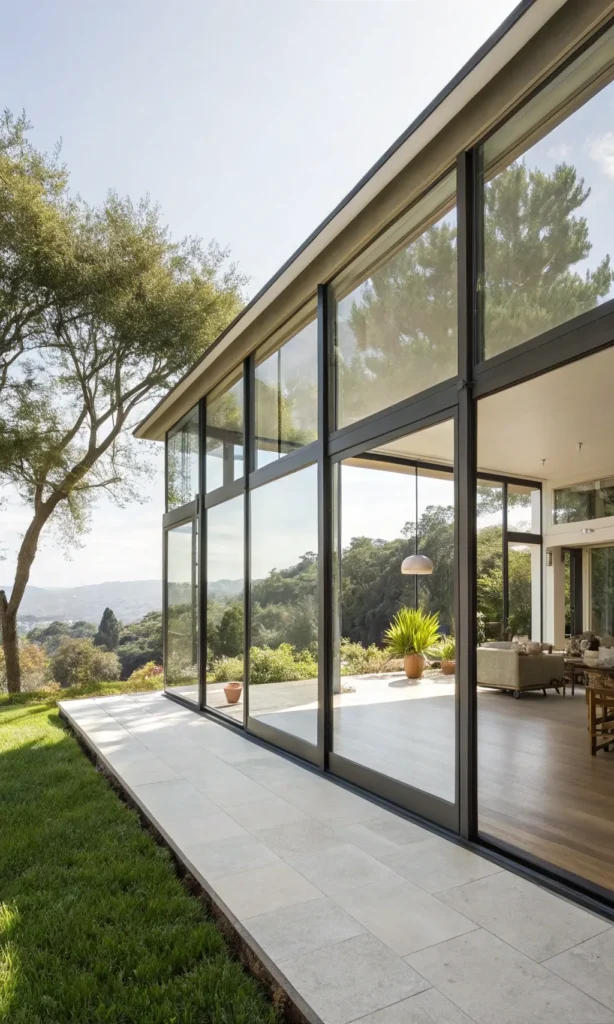
Floor-to-ceiling windows are a hallmark of mid-century modern design. These large glass panes erase the boundaries between interior and exterior, inviting natural light to flood the home. Not only do they brighten living spaces, but they also provide uninterrupted views of nature. Many mid-century homes still stand today with glass walls that feel just as contemporary as they did decades ago.
3. Natural Wood and Warm Materials
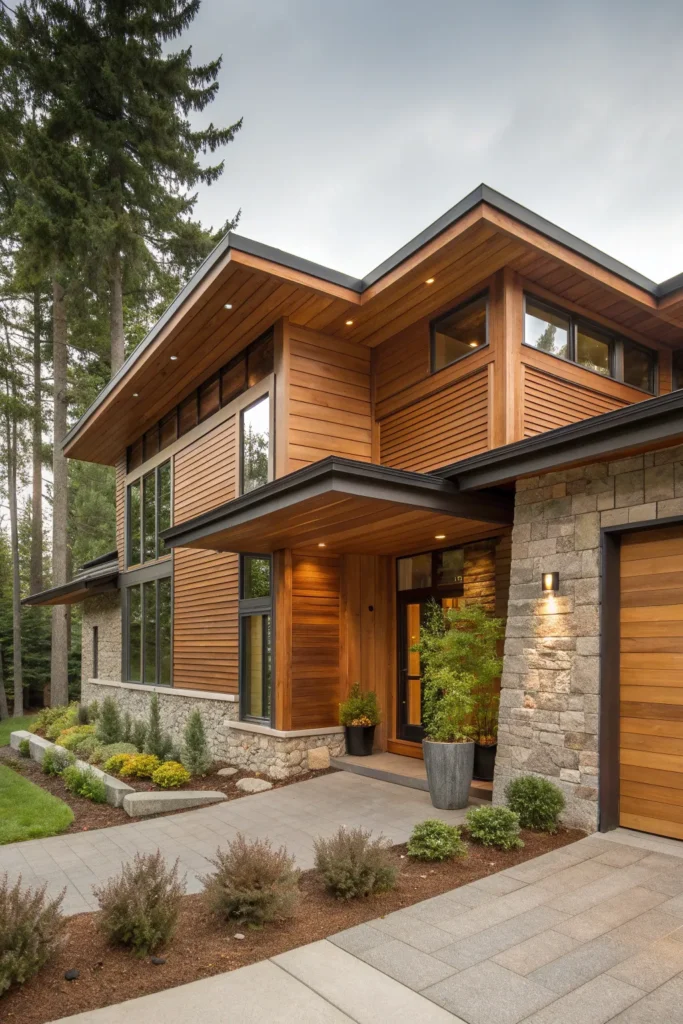
Mid-century exteriors often feature cedar, teak, or redwood, creating a warm, organic feel. These materials soften the sharp lines of modern design and add an earthy spirit. Homeowners continue to choose wood siding and accents because they age beautifully and pair seamlessly with greenery, stone, and metal.
4. Geometric Shapes That Add Character
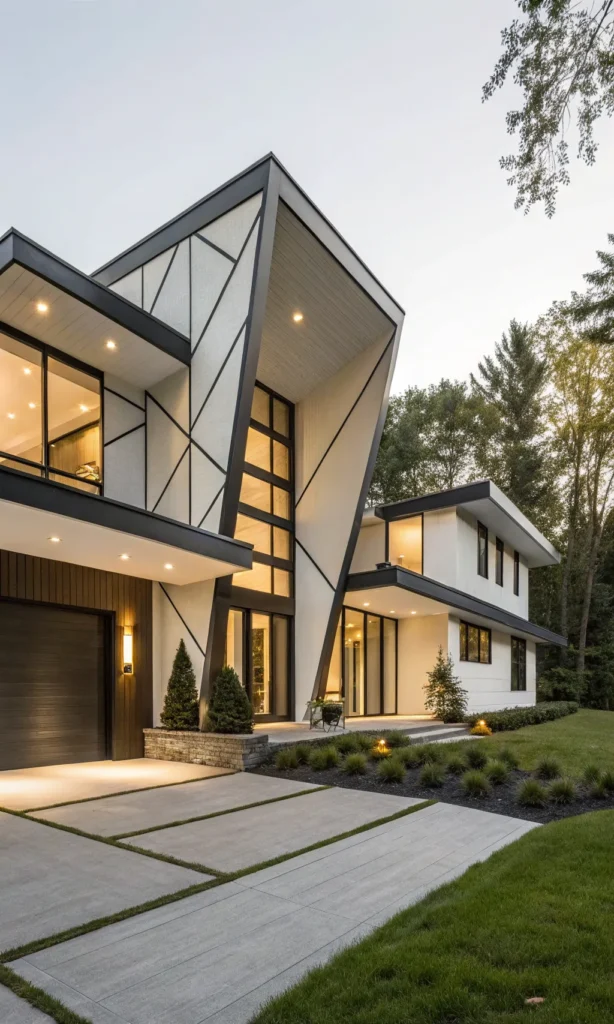
Mid-century architects embraced geometry with enthusiasm. From angular facades to overhangs and cut-out rectangles, geometric elements helped shape the futuristic look of the era. Modern designs still borrow this geometric playfulness, creating bold, memorable exteriors that stand out without overwhelming the space.
5. Wide Overhangs for Shade and Style
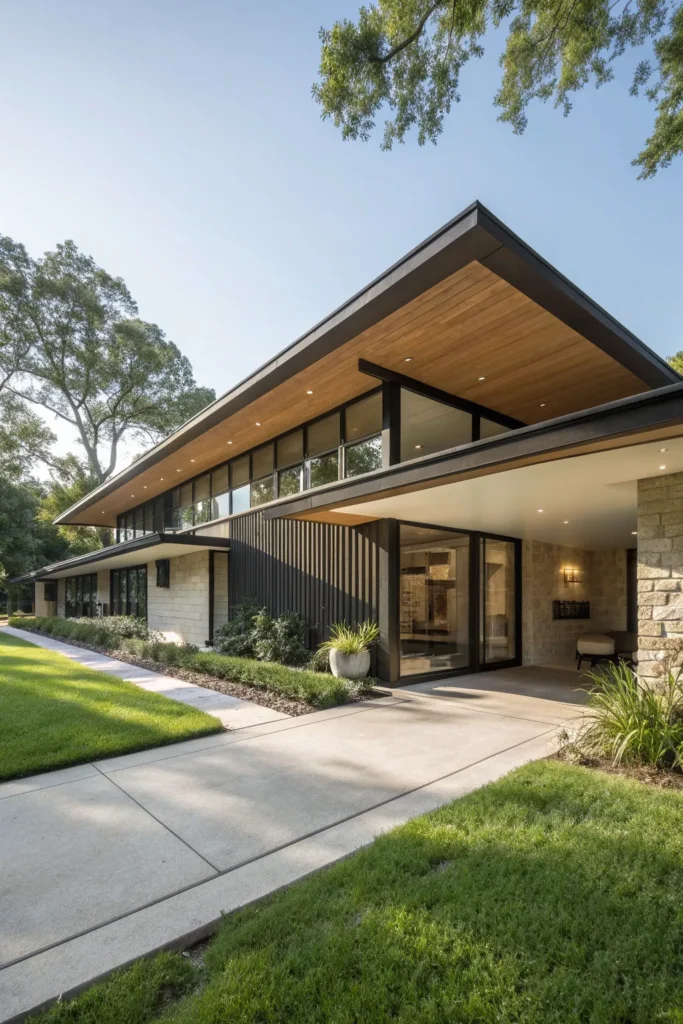
Deep roof overhangs were originally designed for sun protection in warm climates, but they became an iconic stylistic feature of mid-century homes. These long horizontal extensions emphasize sleek lines while enhancing energy efficiency. Today, architects replicate this detail not only for its practicality but also for the sculptural beauty it brings to a home’s silhouette.
6. Integration With the Surrounding Landscape
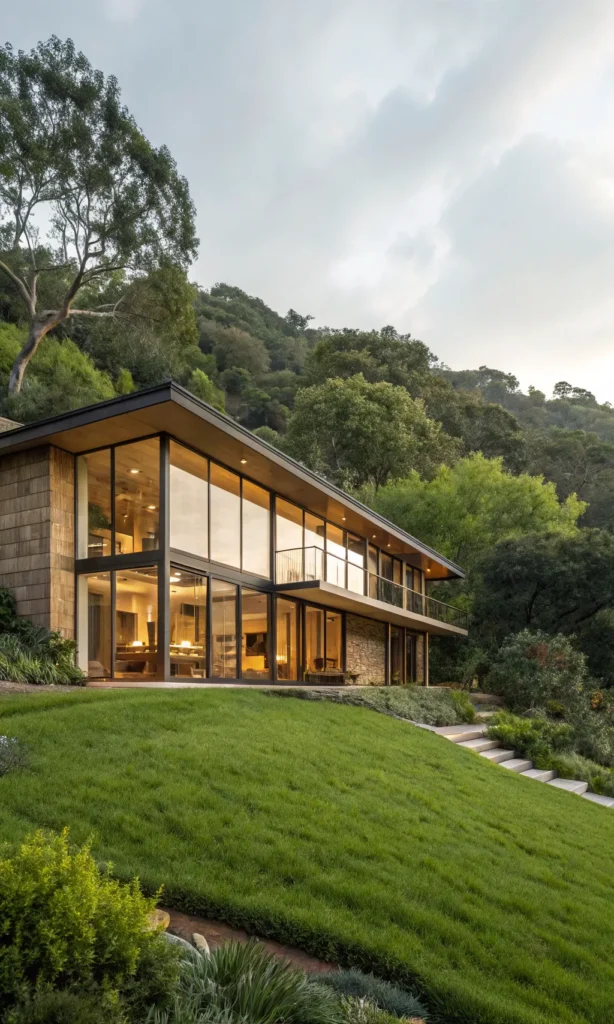
Mid-century modern homes don’t simply sit on their lots—they blend into them. Designers of the era believed a home should feel like part of its environment. You’ll often find mid-century homes built around courtyards, nestled into hillsides, or positioned to maximize views. Modern architecture continues to follow this philosophy, creating exteriors that feel harmonious rather than imposing.
7. Muted Earth-Tone Palettes
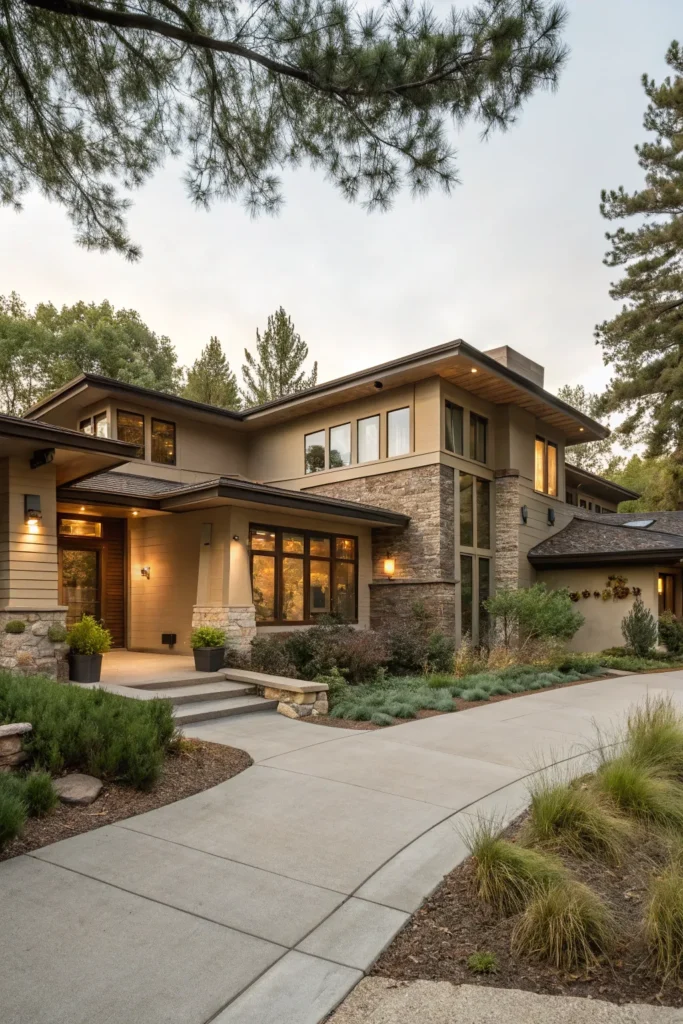
Soft browns, warm charcoals, olive greens, and natural tans frequently appear on mid-century exteriors. These palettes help the architecture remain grounded and approachable. Homeowners today favor these tones because they complement modern landscaping and create a calming, cohesive atmosphere.
8. Breeze Block Walls for Art and Function
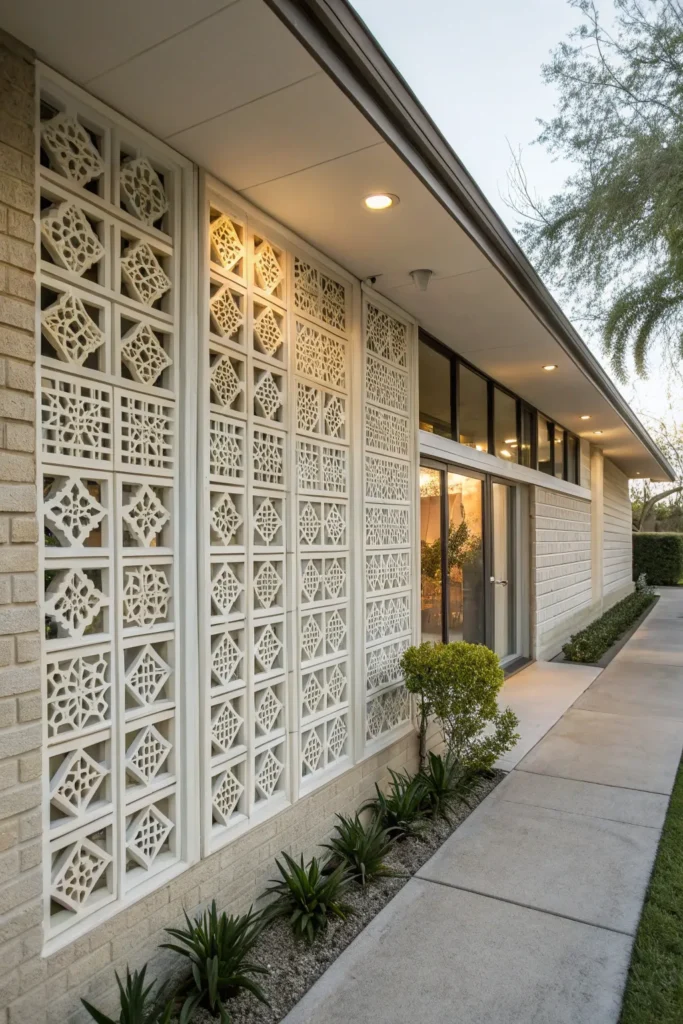
Decorative concrete blocks, or breeze blocks, became a beloved mid-century feature thanks to their repetition of patterns and ability to filter light. Whether used as privacy screens, accent walls, or carport partitions, they add texture and vintage flair. Their renewed popularity in contemporary builds proves just how timeless this detail is.
9. Carports That Embrace Minimalism
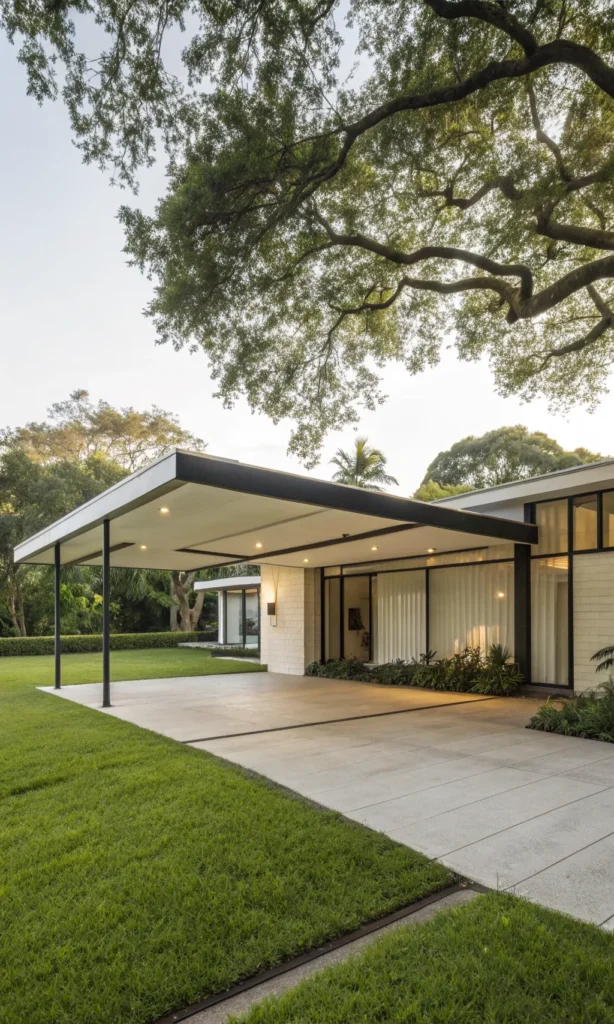
Before garages became standard, mid-century homes often featured open carports. These simple structures added to the open, airy feel of the architecture. Today, many homeowners and designers choose carports to maintain that minimalist, unboxed look while also keeping the home exterior uncluttered and sleek.
10. Pops of Bold Color on Front Doors
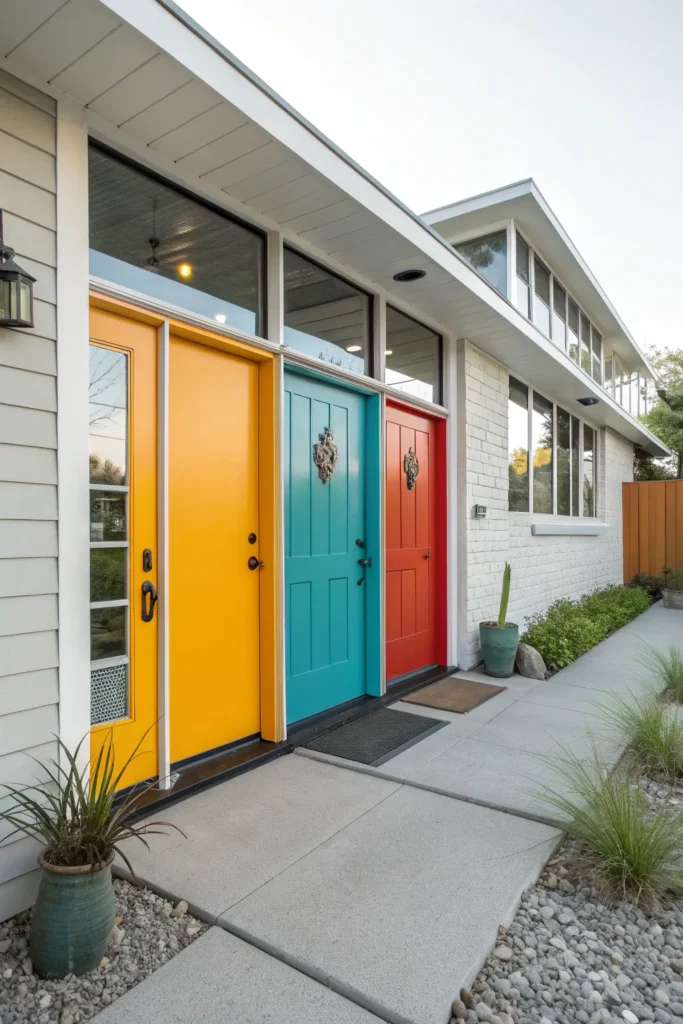
A bright front door is one of the most charming aspects of mid-century modern exteriors. Mustard yellow, teal, orange, and red were common choices, adding personality to otherwise neutral facades. This trend remains hugely popular, turning the entryway into an inviting, cheerful focal point.
11. Asymmetrical Facades for Visual Interest
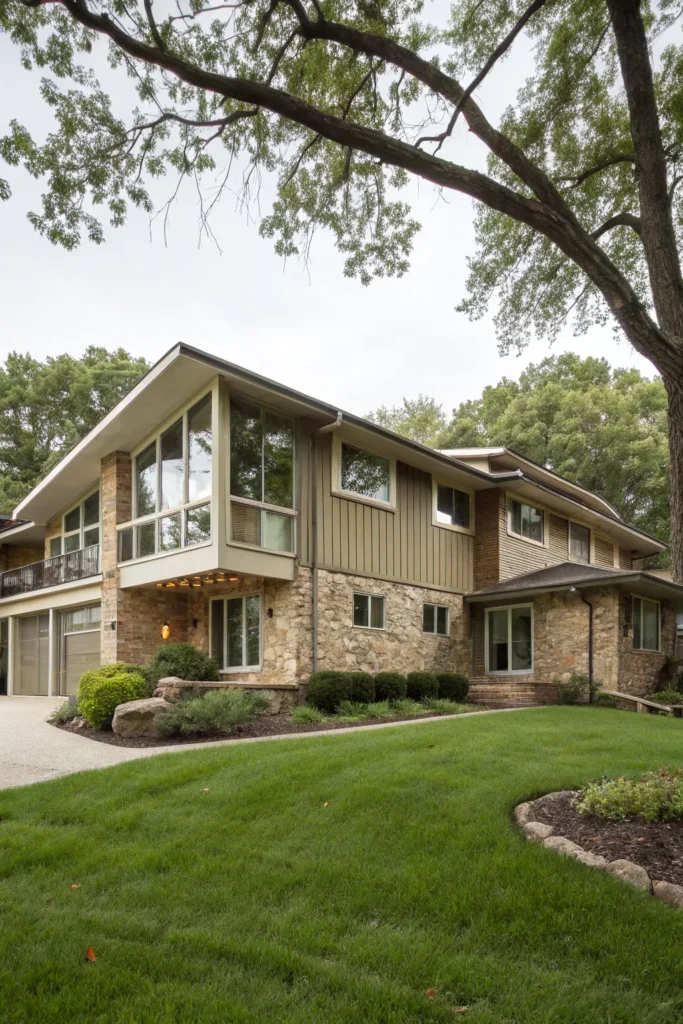
Rather than relying on perfect symmetry, mid-century homes often embraced asymmetry. This approach created dynamic forms that guided the eye across the exterior. Whether through offset windows, uneven rooflines, or staggered walls, asymmetry helps keep the design visually engaging while maintaining balance and proportion.
12. Stone Accents That Add Organic Texture
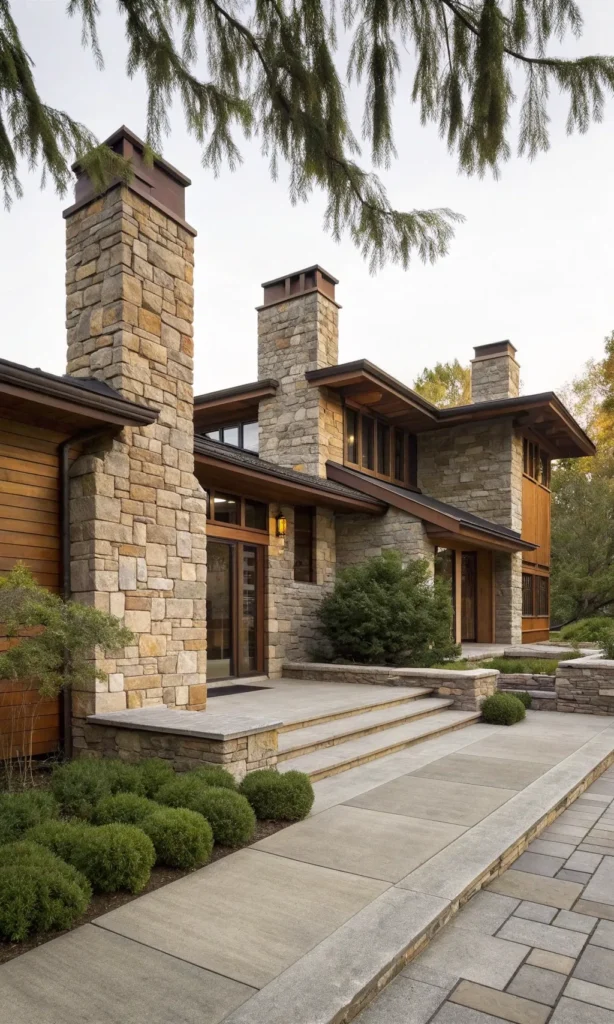
Stone chimneys, feature walls, and foundations provide contrast against smooth wooden or stucco surfaces. This organic textural mix brings depth and sophistication to mid-century exteriors. Many modern designers continue combining stone with contemporary materials to replicate that timeless balance between modernity and nature.
13. Courtyards That Create Private Outdoor Spaces
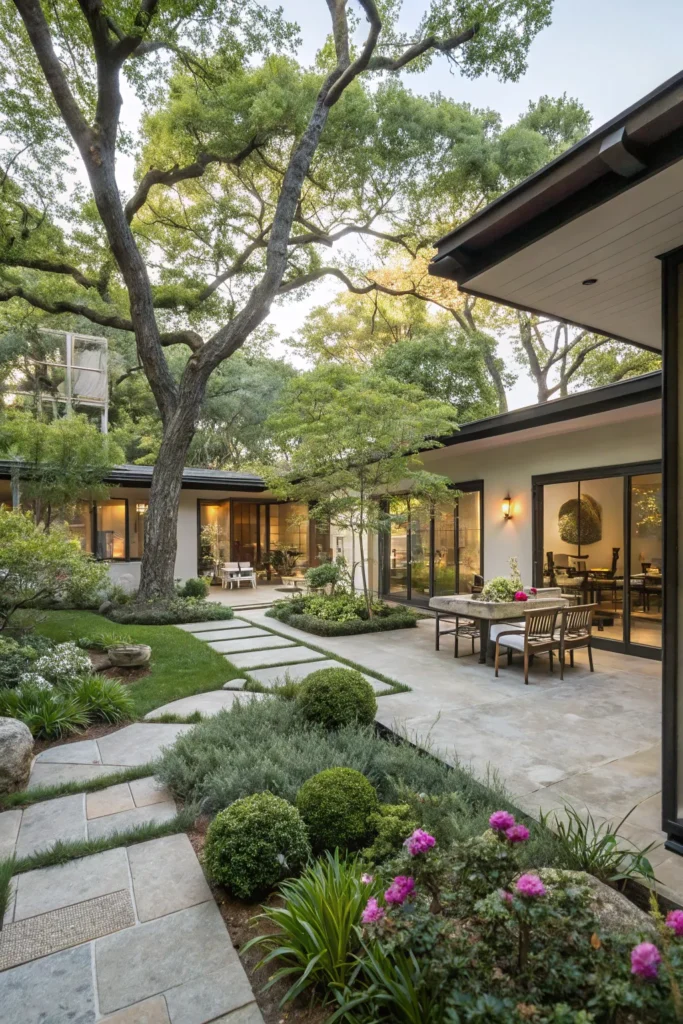
Mid-century homes often incorporated courtyards as extensions of the living space. These private outdoor rooms offered light, air circulation, and a peaceful retreat. Modern homes still love this concept, using courtyards as zen gardens, dining patios, or lush green sanctuaries.
14. Clean Vertical and Horizontal Lines
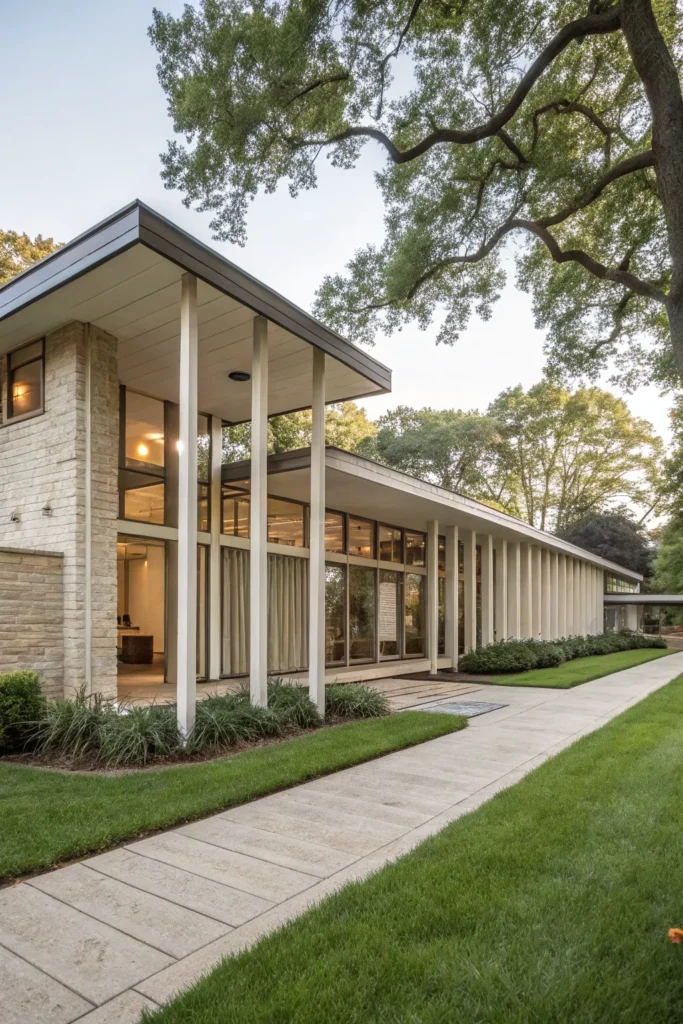
Mid-century architecture thrives on an elegant interplay between vertical posts and long horizontal planes. These lines create visual rhythm and structure without unnecessary ornamentation. The simple arrangement of vertical and horizontal elements continues to influence contemporary home designs because it is inherently pleasing to the eye.
15. Iconic A-Frame Variations
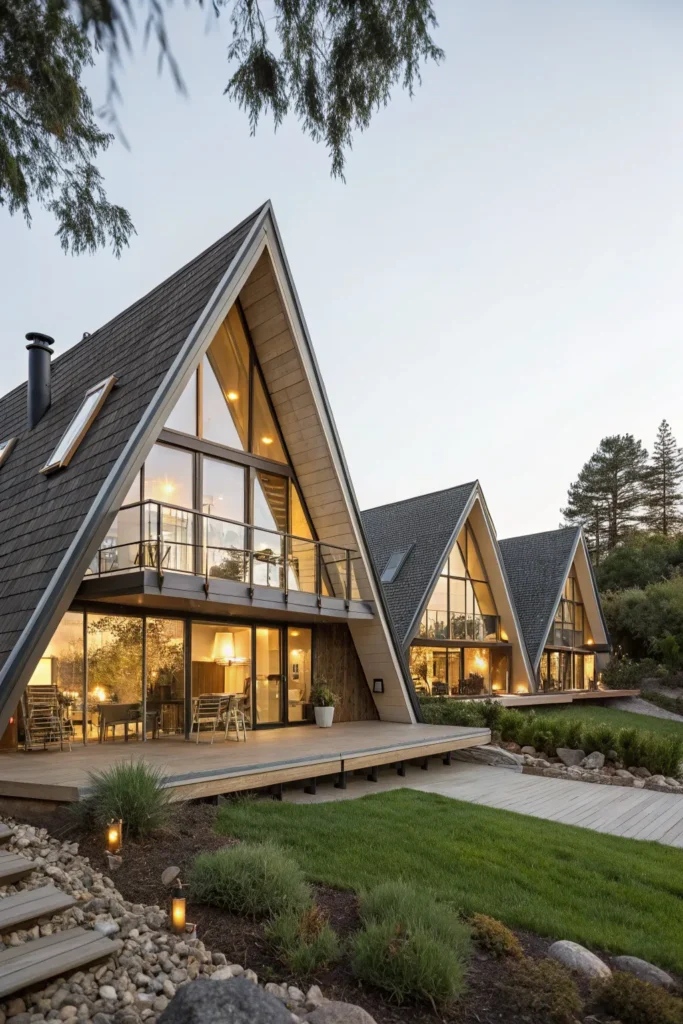
While not as common as ranch-style mid-century homes, A-frame exteriors from the era remain iconic. Their dramatic triangular rooflines and soaring windows make them stand out in any setting. The A-frame resurgence in modern vacation homes and cabins shows how deeply this architectural form resonates even today.
Why Mid-Century Modern Design Still Captivates
Mid-century modern house exteriors have a magnetic appeal because they balance form and function so effortlessly. Every element—from the roof pitch to the landscaping—is intentional, purposeful, and beautifully cohesive. The style feels both nostalgic and futuristic, offering clean simplicity without sacrificing warmth. It is adaptable to small homes, luxury estates, and everything in between.
As today’s homeowners seek open spaces, natural light, sustainable materials, and meaningful indoor-outdoor connections, mid-century principles feel more relevant than ever. These 15 exteriors showcase a style that not only shaped the past but continues to define modern living. Whether you admire the dramatic geometry, the nature-inspired materials, or the ingenious simplicity, there’s no denying that mid-century modern design is here to stay—and will likely inspire generations to come.