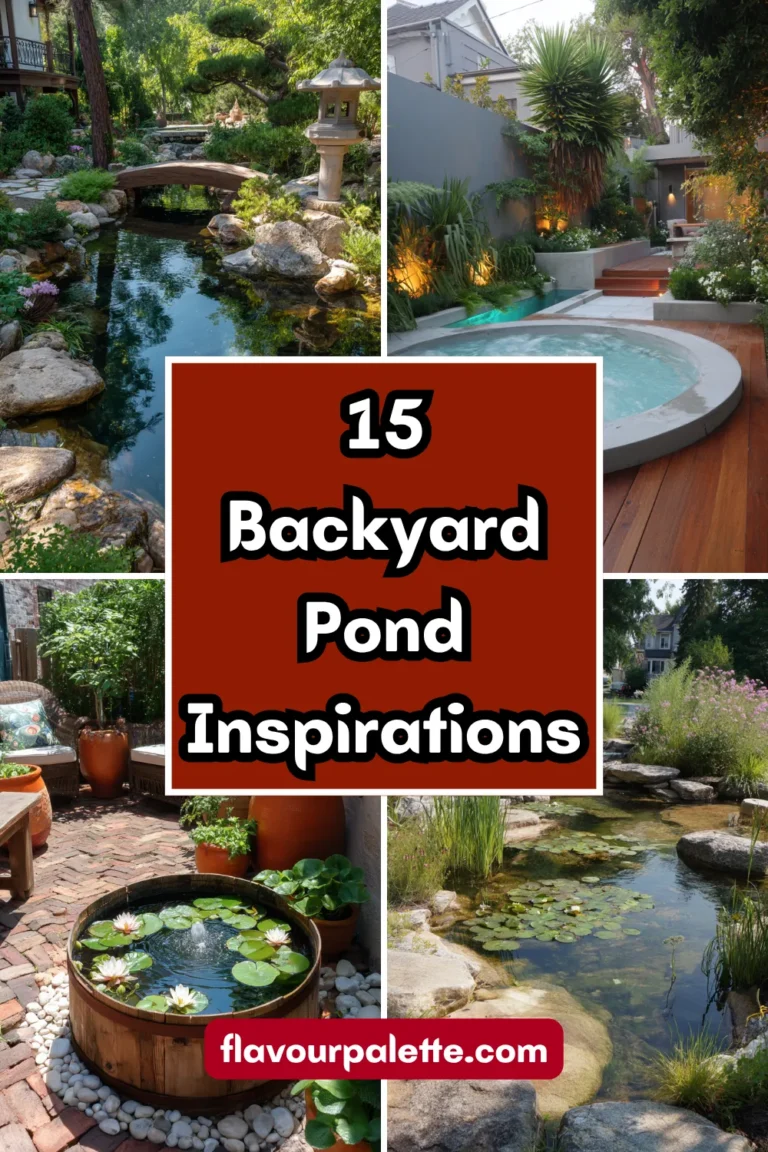
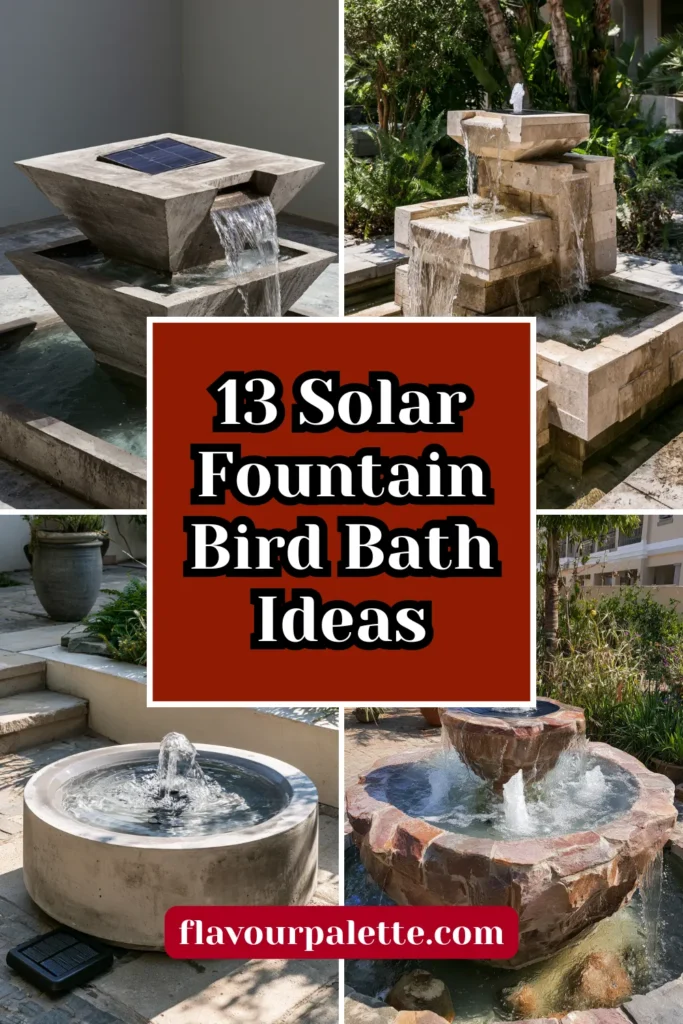
13 Solar Fountain Bird Bath Ideas for Eco-Friendly Gardens
Solar fountain bird baths represent sustainable wildlife amenities in which sun-powered technology creates moving water features that attract more birds, eliminate electrical requirements, reduce operating costs, and demonstrate environmental commitment through renewable energy applications.
These self-contained systems combine traditional bird bath functionality with modern solar innovation, in which photovoltaic panels power small pumps, creating gentle water movement that birds find irresistible while preventing mosquito breeding and water stagnation that plague static basins.
Strategic solar fountain design incorporating adequate panel sizing ensuring reliable operation, proper positioning maximizing sun exposure, and appropriate fountain patterns preventing excessive splashing creates effective wildlife support that enhances gardens ecologically while requiring minimal maintenance or operational costs.
Understanding solar technology basics, including panel placement requirements, pump capacity considerations, and weather limitations affecting performance, ensures realistic expectations and successful installations that deliver genuine value rather than becoming disappointing non-functional decorations when cloudy conditions prevent operation.
These thirteen solar fountain bird bath ideas demonstrate practical approaches from simple retrofit additions through comprehensive integrated designs, each proving that solar technology successfully powers these modest water features, creating sustainable wildlife amenities that operate independently without electrical infrastructure or ongoing energy costs.
1. Simple Basin Retrofit Addition
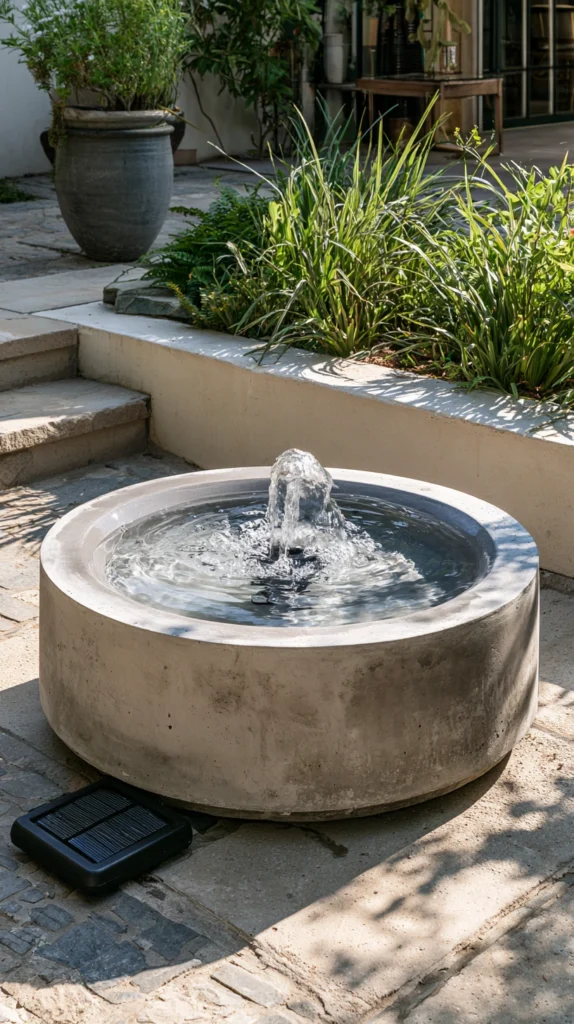
Convert existing bird baths into solar fountains through simple plug-and-play solar pump additions requiring no installation expertise or permanent modifications, while creating moving water from previously static basins. Purchase complete solar fountain kits, including panel, pump, and fountain heads. Position panels where adequate sun exposure exists, either attached to basins or nearby ground placement, and place pumps in existing water basins.
The retrofit approach upgrades existing bird baths economically without requiring complete replacement, while the simple installation requires no special skills or tools. The solar operation eliminates electrical requirements, while the moving water attracts more birds than static alternatives. The removable nature allows seasonal storage, protecting equipment during harsh winter weather.
2. Floating Solar Fountain
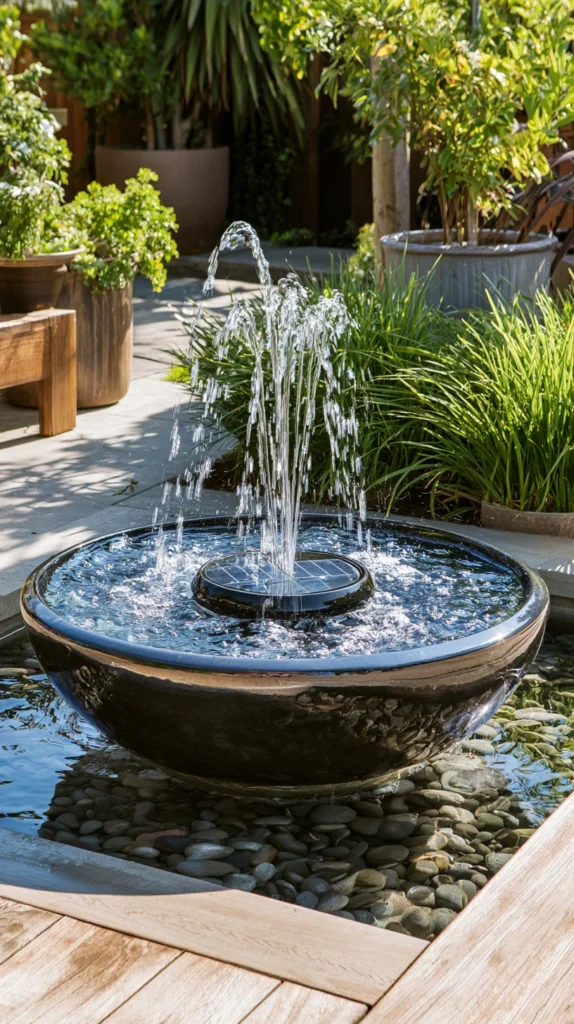
Utilize floating solar fountain designs where integrated panels and pumps float freely in basins, creating self-contained units requiring no separate mounting or complex installation, while the floating nature allows optimal sun positioning. Choose floating fountains sized appropriately for basin dimensions, ensure adequate water depth supporting floating operation, typically 2-3 inches minimum, and position basins where sun exposure reaches water surfaces. .
The floating design requires minimal installation, simply placing units in water, while the integrated construction eliminates separate component mounting. The free-floating nature allows repositioning following the sun’s movement throughout the day, optimizing power generation. The all-in-one units offer maximum simplicity, while the compact design suits varied basin sizes.
3. Separate Panel Ground Mounting
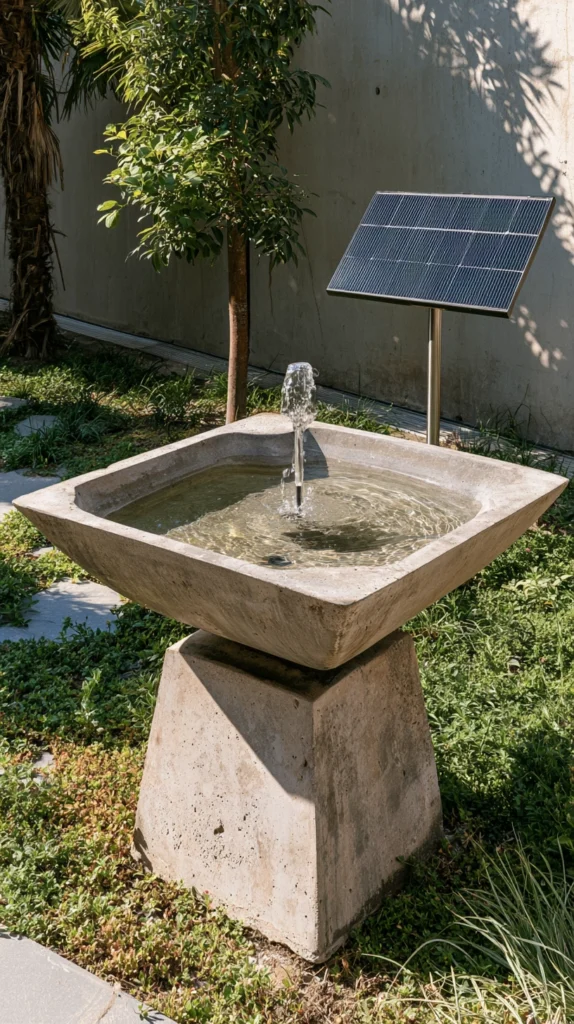
Install solar fountains using separate ground-mounted panels connected via cables, allowing panel placement in optimal sun locations regardless of fountain positioning, creating flexible configurations accommodating shaded bird bath locations. Mount panels on stakes in sunny locations, run connecting cables to fountain locations, and position bird baths where desired, regardless of sun exposure.
The separate panels allow bird bath placement in partially shaded, comfortable locations birds prefer, while panels occupy sunny spots, optimizing power generation. The cable connections typically span 10-15 feet, providing adequate flexibility, while the ground mounting eliminates complex roof or structure mounting. The separated components optimize both bird comfort and solar efficiency.
4. Multi-Tiered Cascading Design
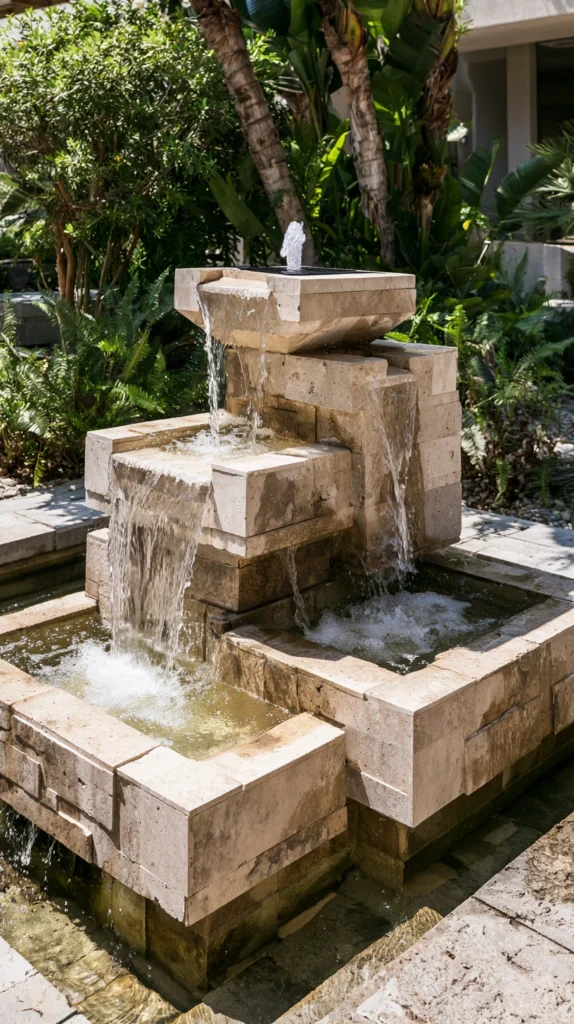
Create dramatic water effects through tiered solar fountains where water cascades between multiple levels, providing movement, sound, and varied water depths accommodating different bird species, while the cascading design prevents stagnant water. \
Choose multi-level fountain structures with integrated solar systems, ensure adequate pump capacity supporting water elevation and flow, and position where cascading water creates pleasant sounds without excessive noise.
The tiered design provides depth and variety, accommodating varied bird sizes from small songbirds preferring shallow upper basins to larger species using deeper lower levels. The cascading water creates pleasant ambient sounds while the constant movement prevents mosquito breeding more effectively than simple bubbling fountains.
5. Battery Backup Continuous Operation
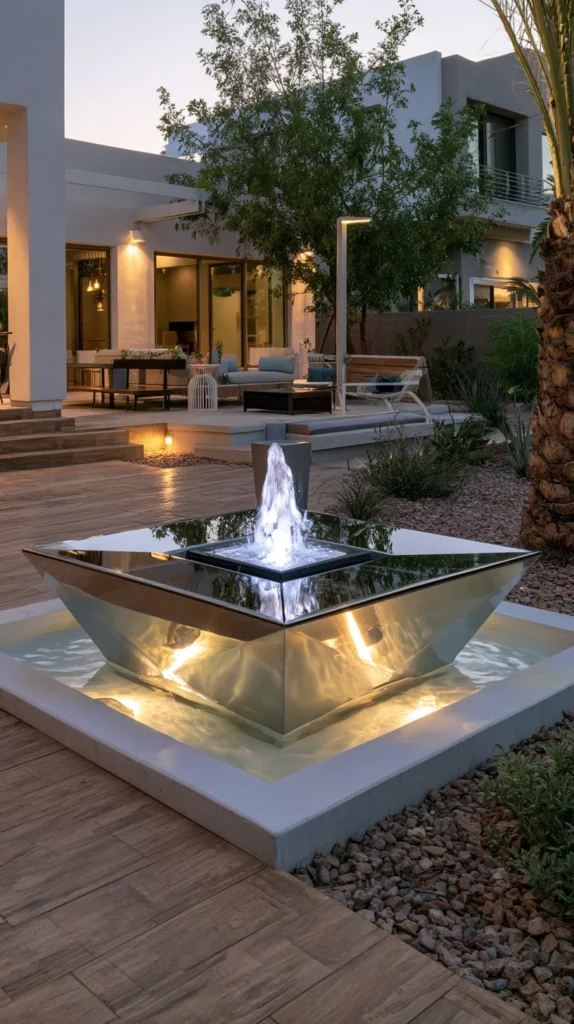
Select solar fountains with integrated battery storage, allowing continued operation during cloudy conditions or early morning and evening hours when sun exposure is inadequate, powering pumps directly.
Choose systems with quality rechargeable batteries storing solar energy, appreciate extended operation beyond direct sunlight hours, and understand that battery backup significantly increases equipment costs.
The battery addition creates more reliable operation compared to direct-solar-only systems that cease functioning when clouds pass, while the stored energy allows morning and evening operation during prime bird activity periods when direct sun may be limited. The continuous operation provides better bird service while the battery backup justifies the additional investment through improved performance.
6. Decorative Stone Basin Integration
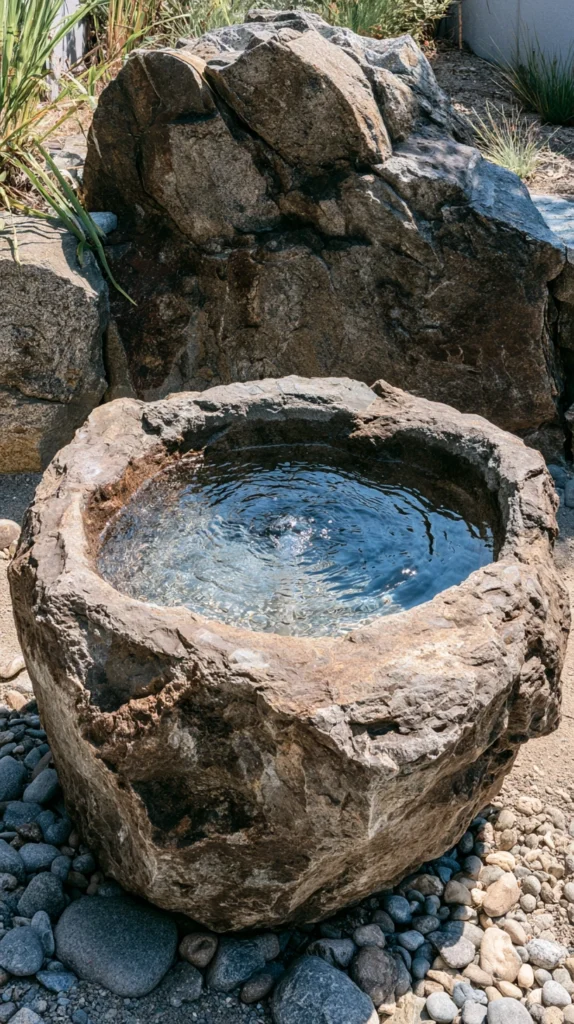
Combine solar fountains with natural stone basins, creating the kind of organic, naturalistic installations that blend seamlessly into landscape plantings while the authentic materials add permanent beauty beyond basic functional designs.
Install solar pumps in carved stone basins or natural rock formations, position panels discretely, maintaining focus on natural stone beauty, and appreciate how stone materials create timeless character. The natural stone creates authentic garden character while the durable material withstands weather indefinitely without deterioration.
The organic appearance integrates naturally into rock gardens or naturalistic plantings, while the stone thermal mass helps moderate water temperature extremes. The substantial stone construction provides stability, preventing tipping, while the natural beauty creates permanent garden features.
7. Contemporary Geometric Modern
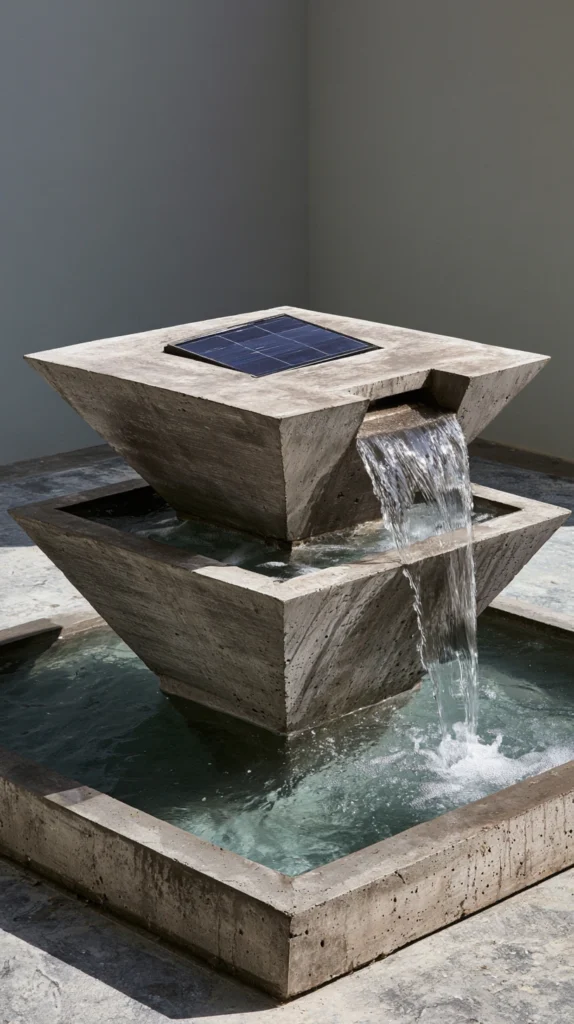
Embrace modern design through solar fountains in geometric basins featuring clean lines, angular forms, and the kind of contemporary character that suits modern landscapes and demonstrates current design sensibilities.
Choose cube, hexagonal, or angular basin designs in materials including concrete, metal, or modern composites, integrate solar technology, maintain clean aesthetics, and position where contemporary forms complement rather than clash with garden styles.
The geometric design creates modern character while the intentional forms demonstrate design sophistication. The contemporary styling suits modern architecture and landscapes, while the solar technology aligns with sustainable modern values. The clean lines create visual clarity while the modern materials ensure durability.
8. Self-Contained Complete Systems
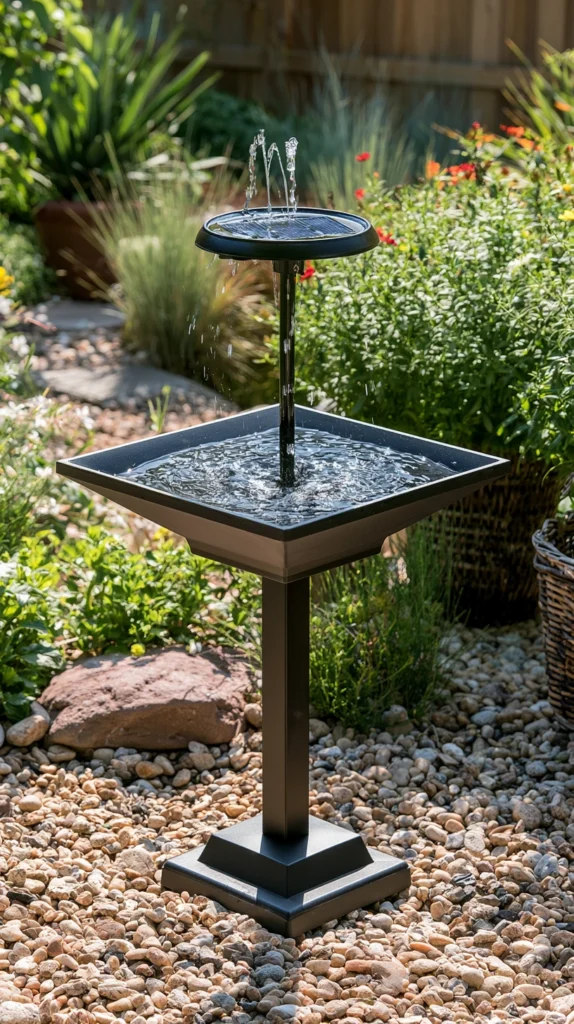
Utilize integrated self-contained solar fountains where basins, panels, pumps, and stands combine into complete single-purchase solutions requiring only positioning without additional component purchasing or assembly complexity. Choose complete fountain systems appropriate for intended locations and budgets, position where adequate sun exposure exists, and fill with water for immediate operation.
The all-inclusive approach simplifies purchasing and installation, eliminating confusion about component compatibility or proper assembly, while the designed integration ensures aesthetic cohesion. The complete systems offer maximum convenience, while the single-source purchasing provides warranty coverage and customer support. The turnkey solution suits those wanting simple, reliable installations without technical complexity.
9. Wall-Mounted Solar Design
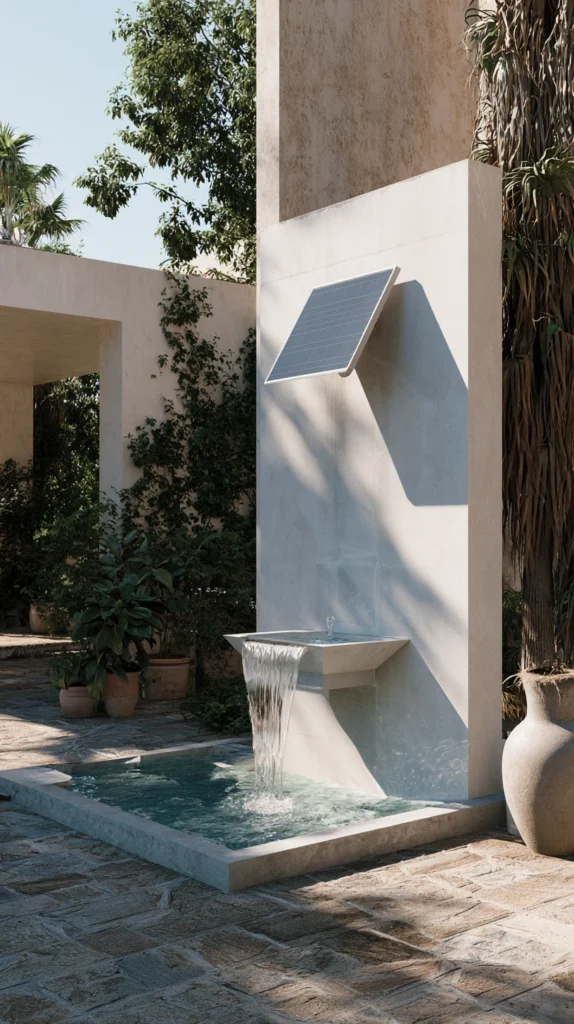
Install wall-mounted solar fountains on fences, shed walls, or garden structures creating vertical water features saving ground space while the elevated positioning provides good bird visibility and predator awareness. Mount fountain basins on vertical surfaces at appropriate heights, position panels on same structures or nearby sunny locations, and ensure adequate structural support.
The wall mounting saves ground space while the vertical installation creates distinctive presentations beyond standard ground-level basins. The elevated position provides birds comfortable vantage points while the structure mounting creates permanent installations. The vertical orientation makes creative use of available surfaces while the space-saving design suits small gardens.
10. Large Capacity Extended Operation
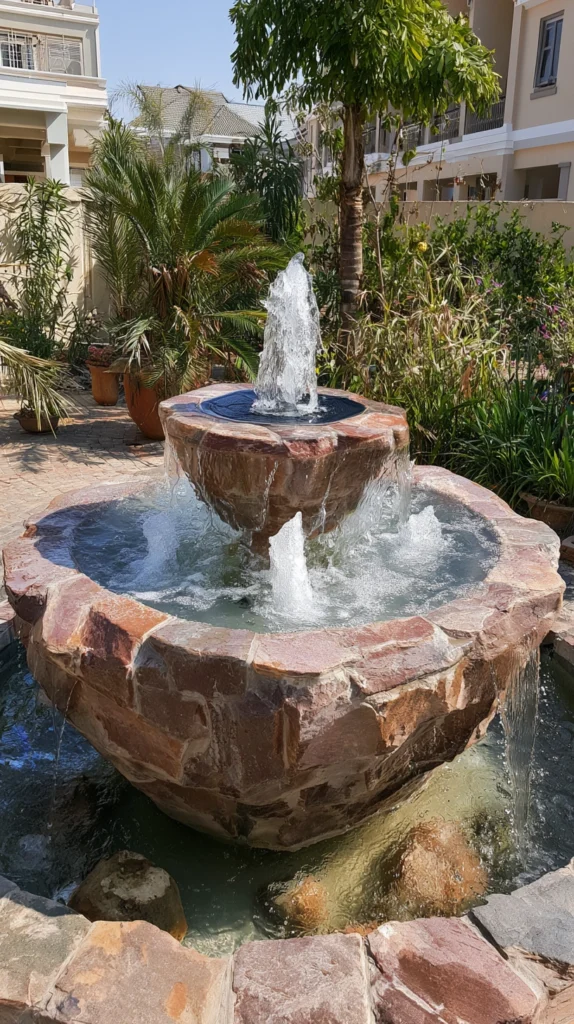
Choose substantial solar fountains with large water reservoirs and powerful pumps, creating impressive water displays and extended operation between refills compared to small-capacity alternatives requiring constant monitoring.
Select fountains with basins holding multiple gallons supporting extended operation, ensure solar systems provide adequate power for larger pump requirements, and position where substantial size receives proper appreciation.
The large capacity reduces maintenance frequency, requiring fewer refills during hot weather, while the generous water volume supports multiple bathing birds simultaneously. The substantial presence creates genuine garden features while the larger pumps create more dramatic water displays. The increased capacity suits situations where daily maintenance isn’t practical.
11. Adjustable Fountain Pattern Control
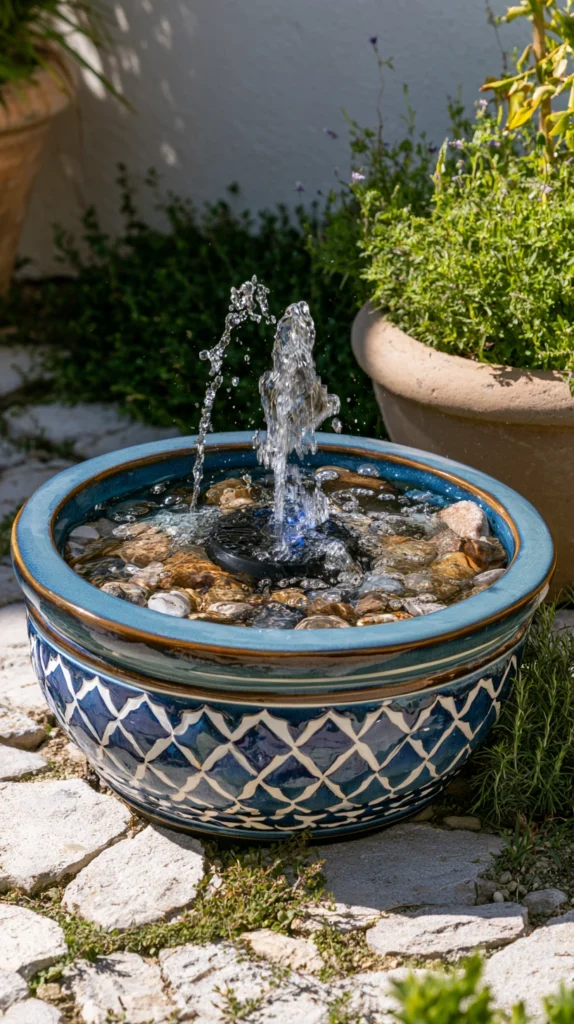
Select solar fountains offering adjustable fountain heads or spray patterns, allowing customization of water displays from gentle bubbles through dramatic sprays, depending on preferences and bird comfort.
Choose systems with interchangeable fountain heads providing varied patterns, adjust water height to prevent excessive splashing that empties basins, and experiment with finding patterns birds prefer. The adjustable patterns accommodate different bird preferences, while the customization allows optimizing displays for specific locations, preventing splashing onto walkways or adjacent plantings.
The flexible control adapts to changing conditions, including wind that might require reducing spray height. The customization ensures optimal performance rather than accepting fixed patterns that might not suit specific situations.
12. Wildlife Camera Integrated
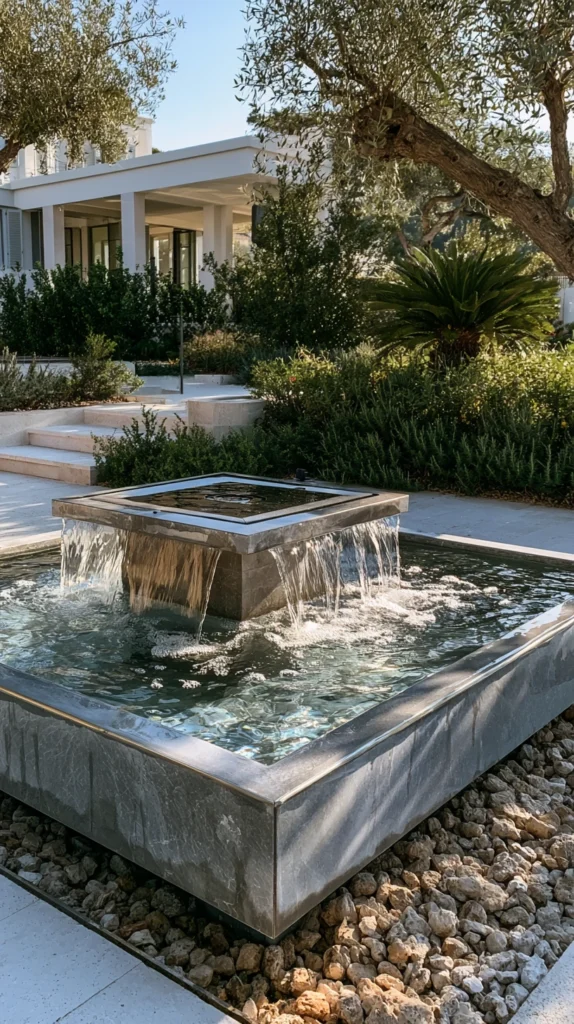
Combine solar fountains with wildlife cameras capturing bird visitors, creating the kind of documented wildlife observations that enhance enjoyment beyond simple viewing, while the recordings provide educational content and memorable documentation. Install motion-activated cameras positioned to capture bird bath activity, power cameras using solar systems or separate batteries, and review footage identifying species and observing behaviors.
The camera addition creates enhanced wildlife appreciation while the documented observations provide species identification assistance and behavioral insights. The recording capability captures moments when homeowners aren’t present, providing complete activity documentation. The technology integration creates modern wildlife monitoring beyond passive observation.
13. Heated Winter Operation
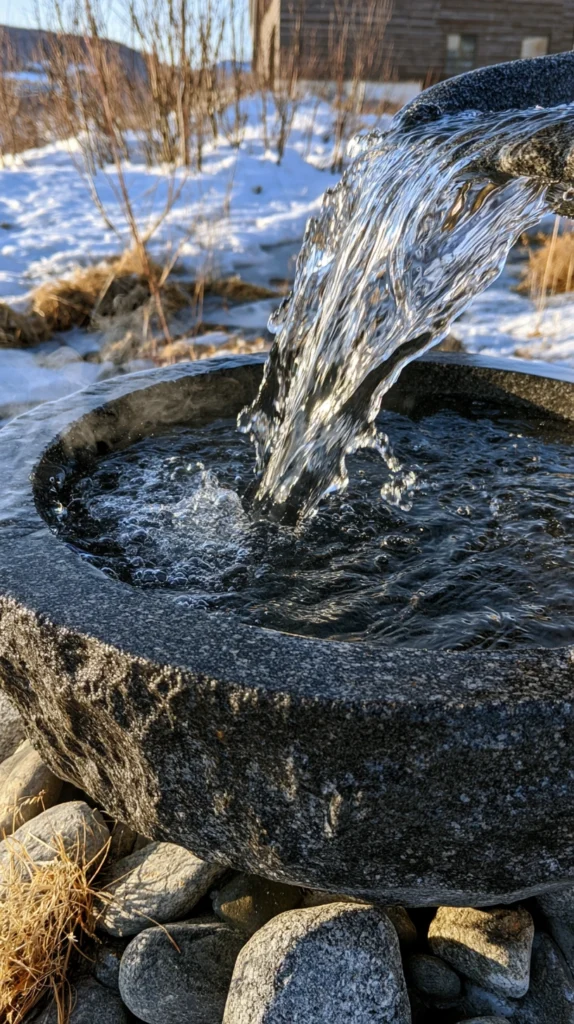
Incorporate solar-powered heating elements, preventing freezing during cold months, creating year-round water availability when this resource becomes critically scarce for overwintering birds requiring liquid water.
Install solar heating systems maintaining above-freezing water temperatures, understand that heating requires significantly more power than simple fountain operation, potentially requiring larger panels or grid supplementation, and appreciate providing this critical winter resource.
The heated operation creates year-round bird support while the winter water availability provides essential resources during seasons when natural sources freeze. The heating investment demonstrates serious wildlife commitment, while the solar approach maintains sustainable operation where possible. The winter availability makes bird baths genuinely valuable when birds need them most.
Successfully implementing solar fountain bird baths requires positioning where adequate direct sun exposure exists, typically requiring 6-8 hours daily for reliable operation, understanding performance limitations during cloudy conditions, accepting that solar systems cannot operate without sunlight, and maintaining them properly through regular cleaning, removing algae and debris that clog pumps and reduce efficiency. Clean solar panels periodically, removing dust and dirt that reduces power generation.
Protect equipment during harsh winter weather by storing pumps and panels, preventing freeze damage. Ensure adequate water depth, maintain pump submersion, and prevent dry-running that damages motors. Monitor operation, ensuring systems function properly, and troubleshoot issues promptly. Consider backup power or battery systems if reliable operation regardless of weather is essential.
Most importantly, recognize that solar fountain bird baths represent sustainable wildlife support reducing environmental impact through renewable energy while the independence from electrical infrastructure allows flexible placement throughout gardens proving that modest solar technology successfully powers these small water features creating eco-friendly bird amenities that operate cost-free once initial equipment investments are made while the moving water attracts significantly more birds than static basins justifying the solar upgrade through enhanced wildlife viewing and the environmental benefits that renewable energy applications provide even at this modest residential scale.