15 Small Vegetable Garden Designs
Small vegetable garden designs represent accessible gardening solutions, proving that meaningful food production need not require extensive space when strategic planning, vertical thinking, and appropriate plant selection combine, creating surprisingly productive compact installations.
These manageable gardens eliminate intimidating scale barriers, enabling genuine food cultivation supporting household cooking, while remaining genuinely maintainable rather than becoming abandoned projects.
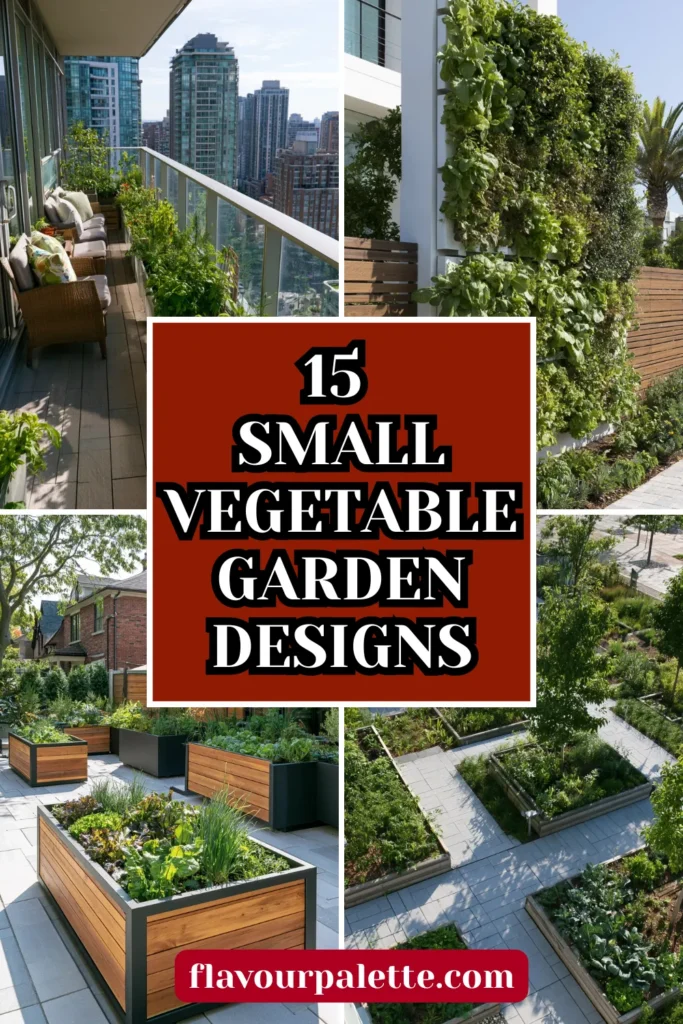
Strategic small garden design incorporating space-efficient layouts, vertical growing systems, container gardening, and productive plant varieties creates the kind of accessible growing experiences building confidence while delivering satisfying harvests.
Understanding which vegetables suit compact spaces, how to maximize limited square footage through creative positioning, and what constitutes realistic productivity for specific dimensions ensures garden projects deliver genuine value and authentic satisfaction.
These fifteen small vegetable garden designs demonstrate practical approaches from container systems through intensive raised beds, each proving that thoughtfully planned compact gardens create productive, functional spaces supporting real food cultivation.
1. Container Garden on Patio Creating Flexible Production
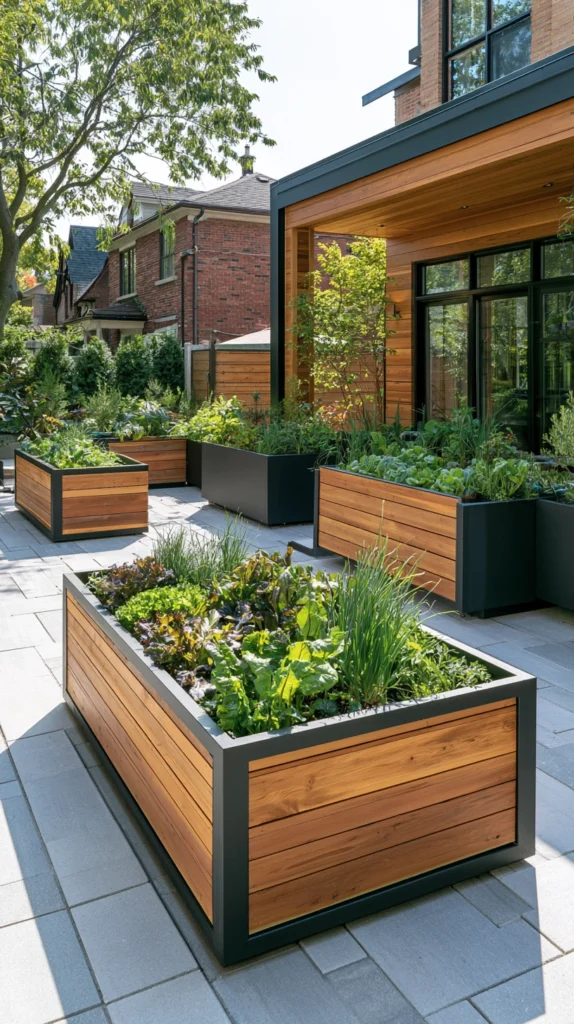
Establish accessible gardening through container plantings accommodating patios, balconies, or small yards, enabling flexible location adjustments. Plant vegetables in quality containers at least eighteen inches deep, position strategically to capture adequate sunlight, and appreciate how containers enable rotation and relocation.
The portable containers provide flexibility. The accessible height reduces bending requirements. The adjustable placement maximizes light exposure. The scalable approach accommodates growing interest.
2. Square Foot Garden System: Creating Organized Efficiency
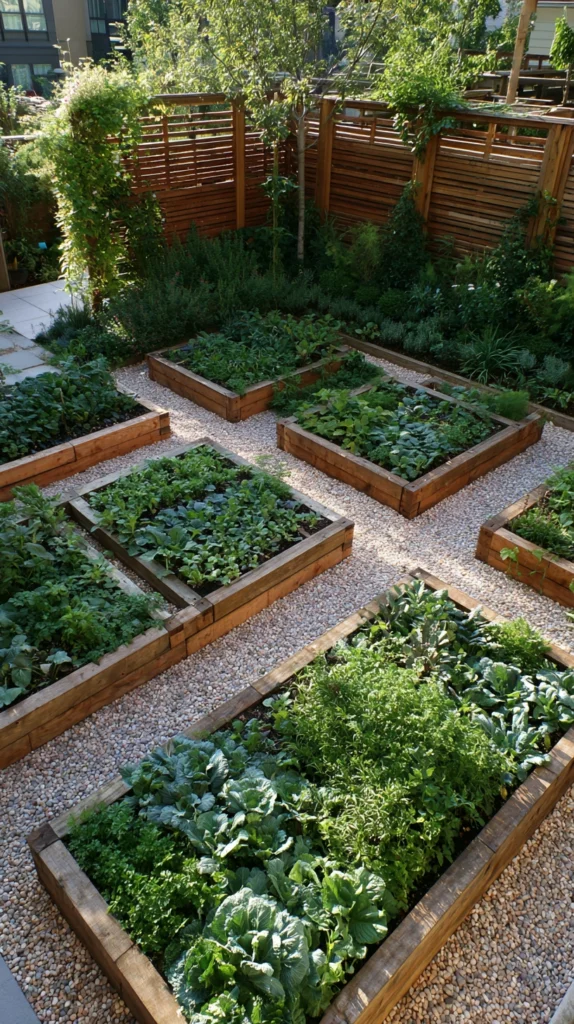
Design organized compact gardens through square-foot methodology, dividing four-by-four-foot beds into manageable sections. Plant one vegetable per square section, follow spacing guidelines maximizing productivity, and appreciate how organization simplifies planning. The grid system simplifies planning. The organized approach prevents overplanting. The manageable sections prevent overwhelming complexity. The systematic methodology suits beginners.
3. Vertical Wall Garden Creating Space Maximization
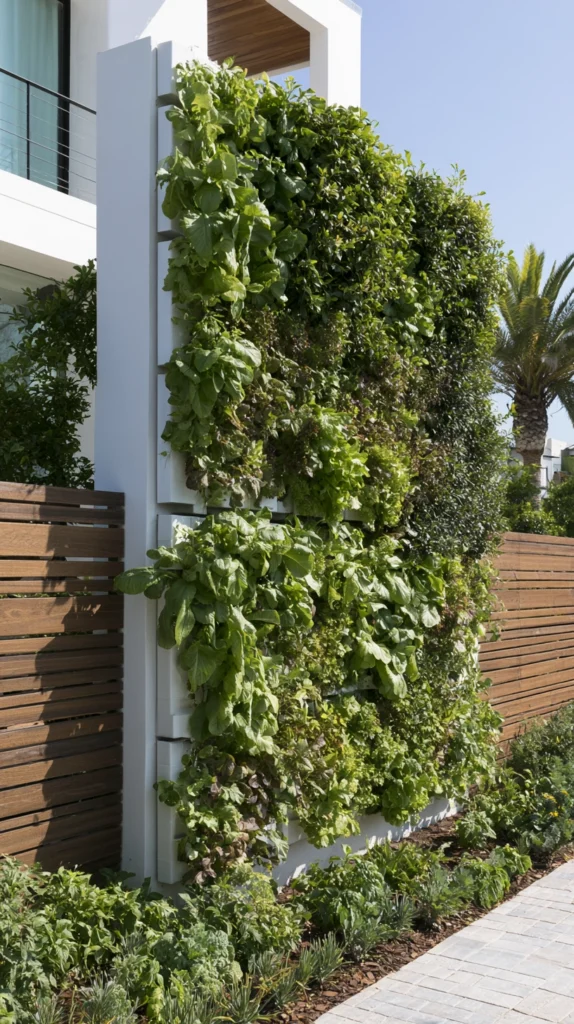
Establish impressive production from minimal space through vertical wall-mounted systems. Install sturdy wall brackets supporting shallow planters, position at an appropriate height enabling comfortable tending, and maximize vertical surfaces. The vertical arrangement maximizes growing space. The wall-mounted design suits small yards. The impressive visibility creates garden presence. The efficient approach multiplies productivity.
4. Tiered Container Arrangement Creating Visual Interest
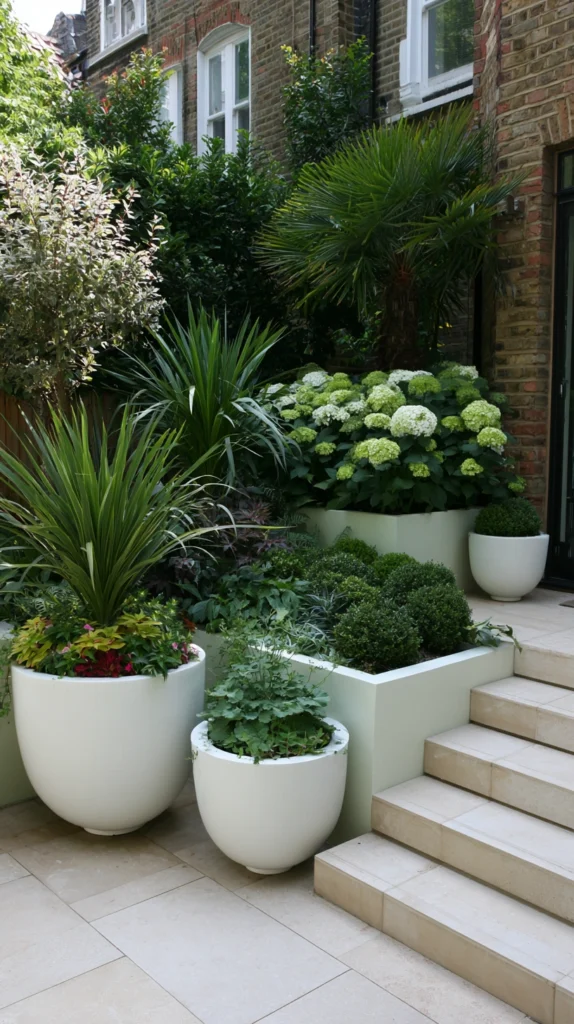
Develop dimensional character through containers at varied heights, establishing visual interest while maximizing space efficiency. Stack containers on shelving or tiered stands, position taller plants behind shorter ones, preventing shading, and appreciate how the arrangement creates a distinctive character.
The tiered design creates visual interest. The varied heights prevent monotony. The organized arrangement accommodates diverse plants. The architectural approach elevates gardens.
5. Raised Bed Container Creating Defined Growing Space
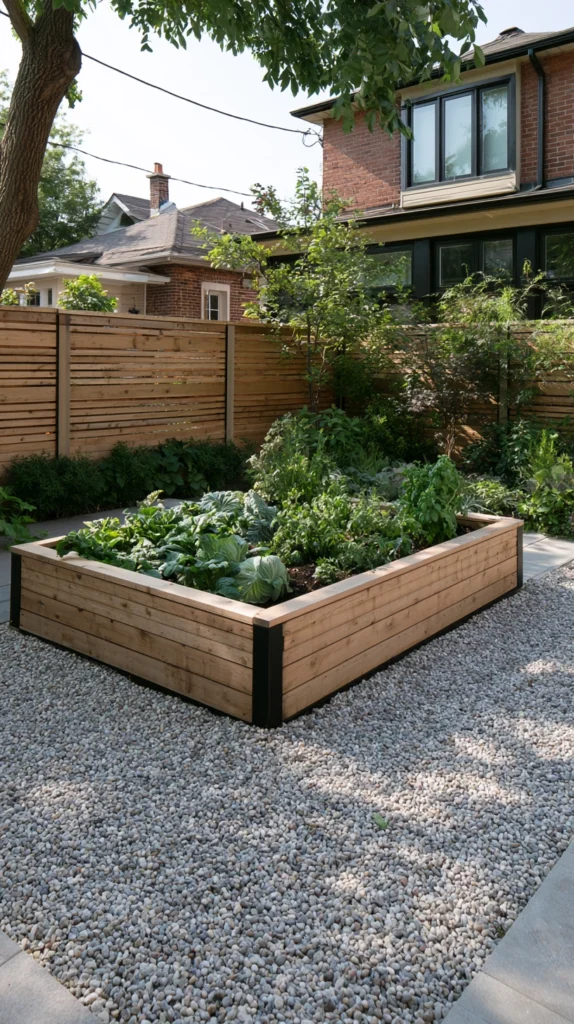
Establish quality growing environments through compact raised beds providing adequate soil depth supporting plant health. Construct four-by-four-foot beds at a comfortable height, fill with quality soil, and position them in optimal sunlight. The defined beds provide quality growing conditions. The appropriate dimensions accommodate varied vegetables. The raised position improves accessibility. The contained approach prevents sprawl.
6. Balcony Garden for Urban Dwelling
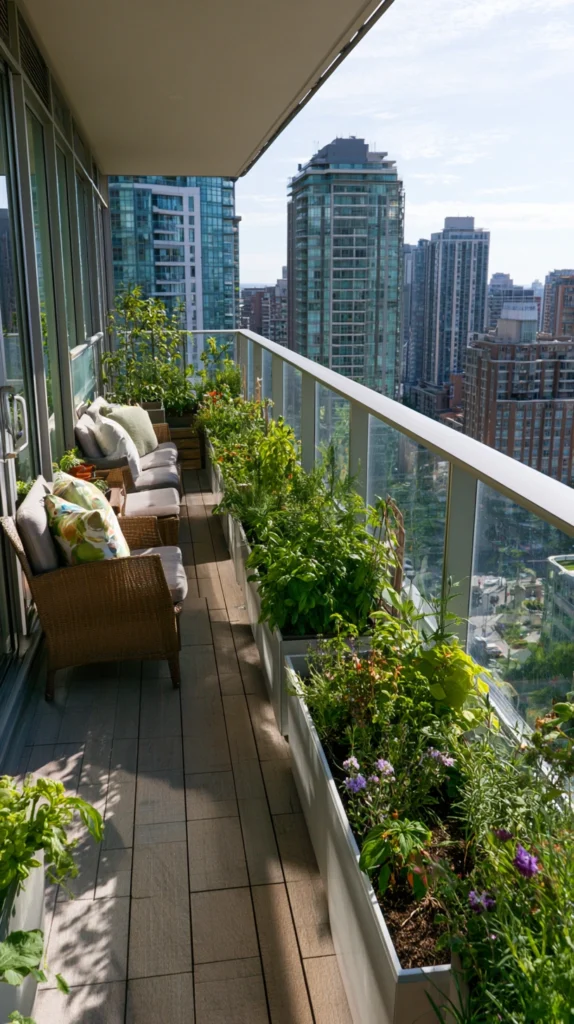
Design productive gardens accommodating apartment living through careful balcony installations. Select lightweight containers enabling structural safety, position carefully respecting weight limits, and choose vegetables tolerating container conditions. The balcony location suits urban gardeners. The lightweight approach respects structural limits. The contained design prevents overloading. The accessible approach enables urban food production.
7. Corner Space Utilization: Creating Hidden Gardens
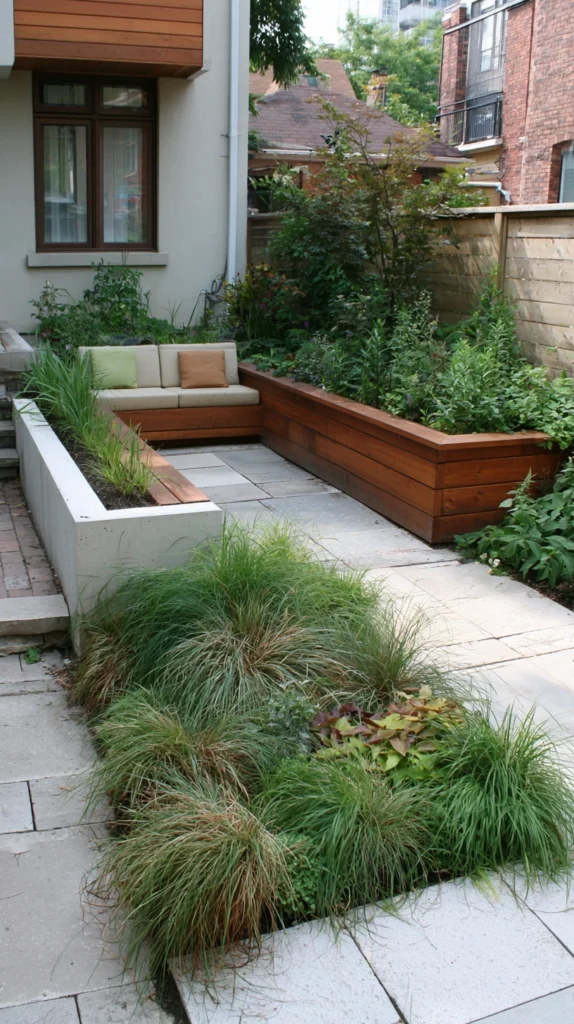
Transform overlooked corners through intentional garden placement, maximizing unused property areas. Position containers or raised beds strategically in underutilized corners, create a distinctive garden focus, and appreciate how creative placement identifies overlooked opportunities. The corner placement maximizes space. The hidden location creates surprise. The strategic positioning improves property use. The creative approach prevents waste.
8. Hanging Basket System Creating Vertical Interest
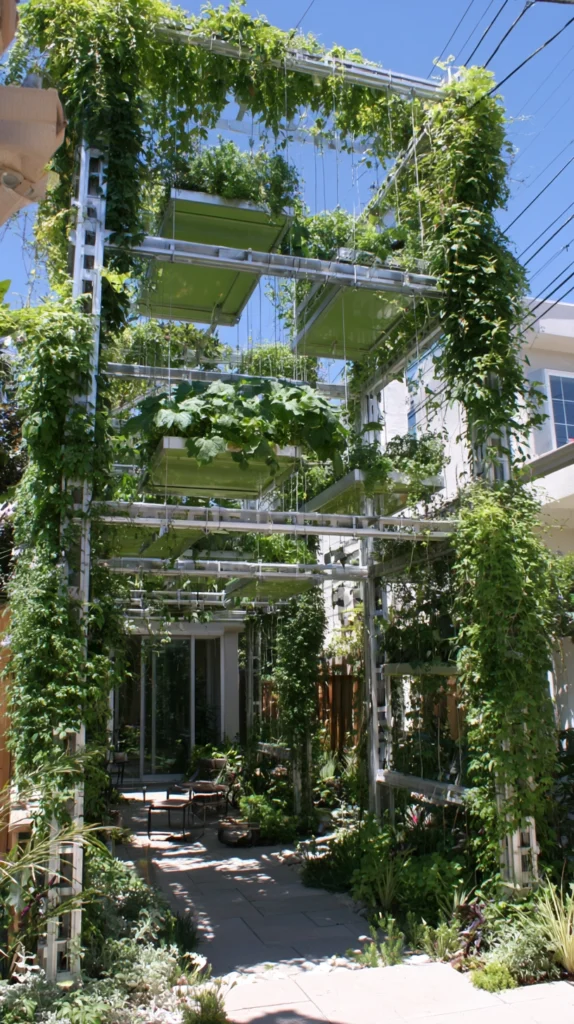
Maximize vertical space through hanging baskets supporting trailing vegetables and herbs. Install sturdy hanging systems, select appropriate vegetables tolerating hanging conditions, and position them at varied heights. The hanging arrangement maximizes vertical space. The layered positioning increases productivity. The visual interest creates a distinctive character. The efficient approach multiplies growing capacity.
9. Herb-Focused Compact Garden Creating Culinary Focus
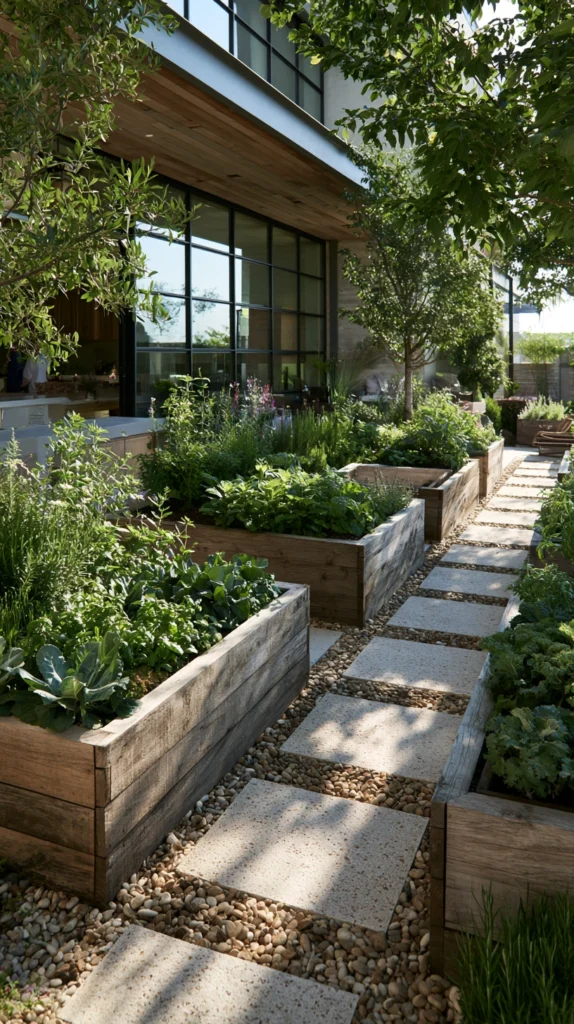
Design dedicated herb gardens supporting kitchen use through strategic compact plantings. Concentrate herbs near kitchen access, select frequently-used varieties, and appreciate proximity, encouraging regular harvesting. The focused selection supports cooking. The convenient location encourages use. The practical arrangement supports culinary needs. The streamlined design prevents unnecessary diversity.
10. Window Box Garden Creating Kitchen Access
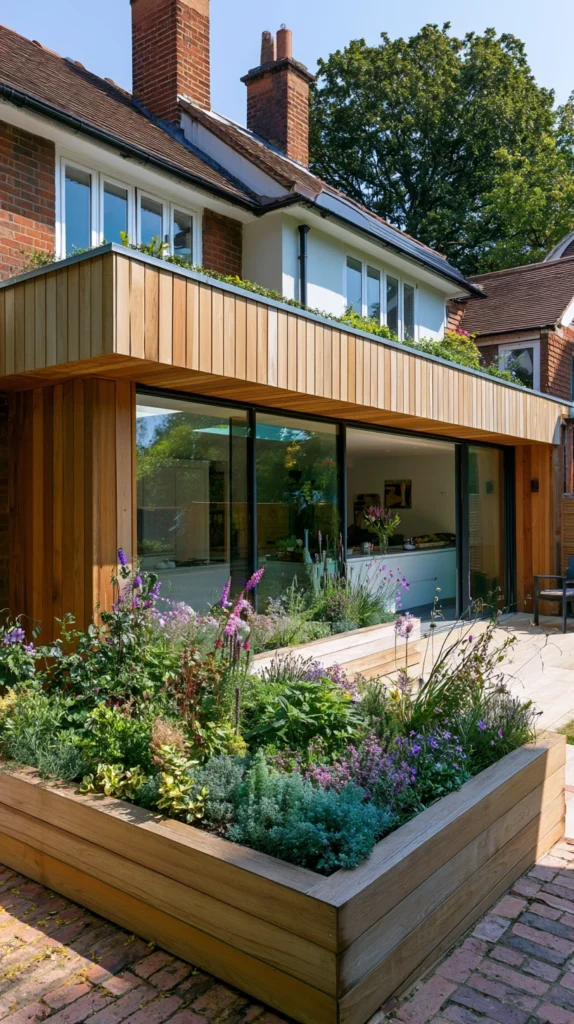
Establish convenient herb production through window-mounted containers providing immediate kitchen access. Position boxes outside kitchen windows, select herbs supporting frequent use, and appreciate proximity supporting regular harvesting. The convenient location encourages regular use. The window placement provides visual interest. The immediate access supports cooking routines. The accessible design ensures actual utilization.
11. Succession Planting System Creating Continuous Harvest
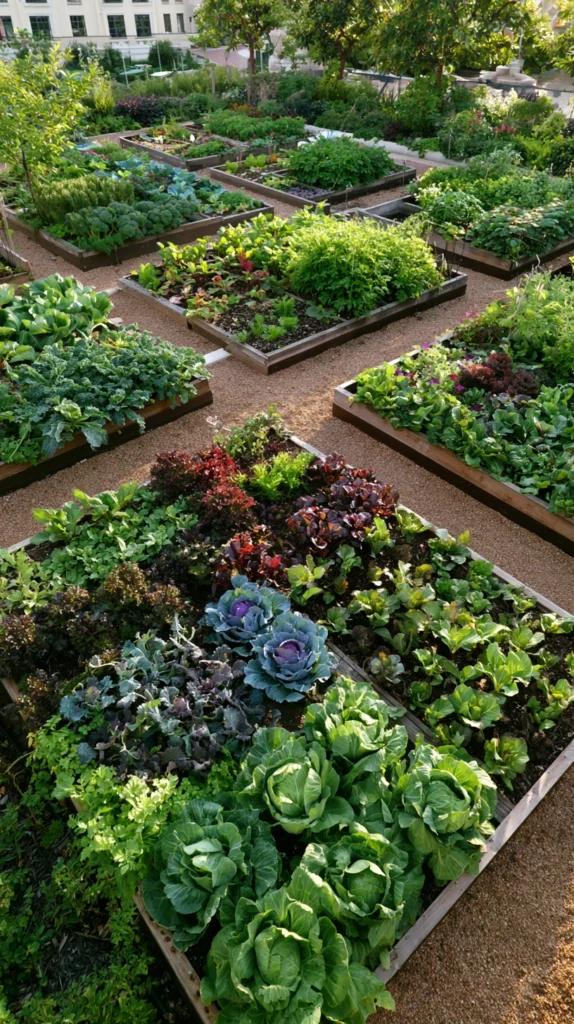
Design gardens supporting extended productivity through strategic succession plantings within limited space. Plant crops in succession, enabling continuous availability; rotate plantings utilizing limited beds repeatedly, and maximize seasonal productivity. The succession planning extends harvests. The rotating approach maximizes productivity. The continuous availability prevents seasonal gaps. The strategic system optimizes limited space.
12. Micro-Garden Intensive Planting Maximizing Productivity
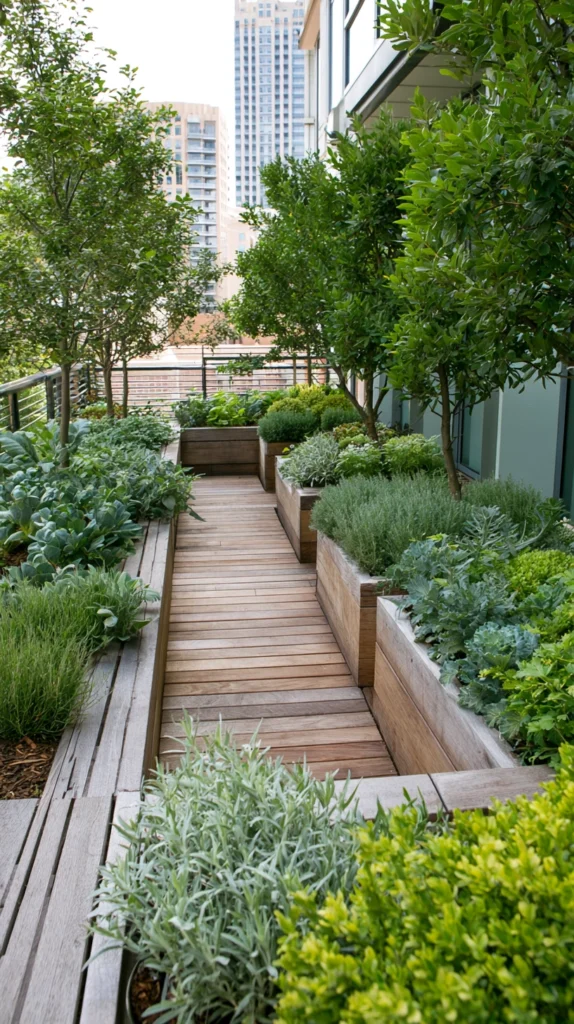
Create surprisingly productive gardens through intensive planting, spacing vegetables more closely than conventional methods. Research companion planting, maximizing space utilization, position plants for optimal light sharing, and appreciate how intensive methods multiply productivity. The intensive approach maximizes production.
The strategic spacing prevents overcrowding. The companion planting supports health. The efficient system enables surprising productivity.
13. Therapeutic Sensory Garden: Creating Multisensory Experience
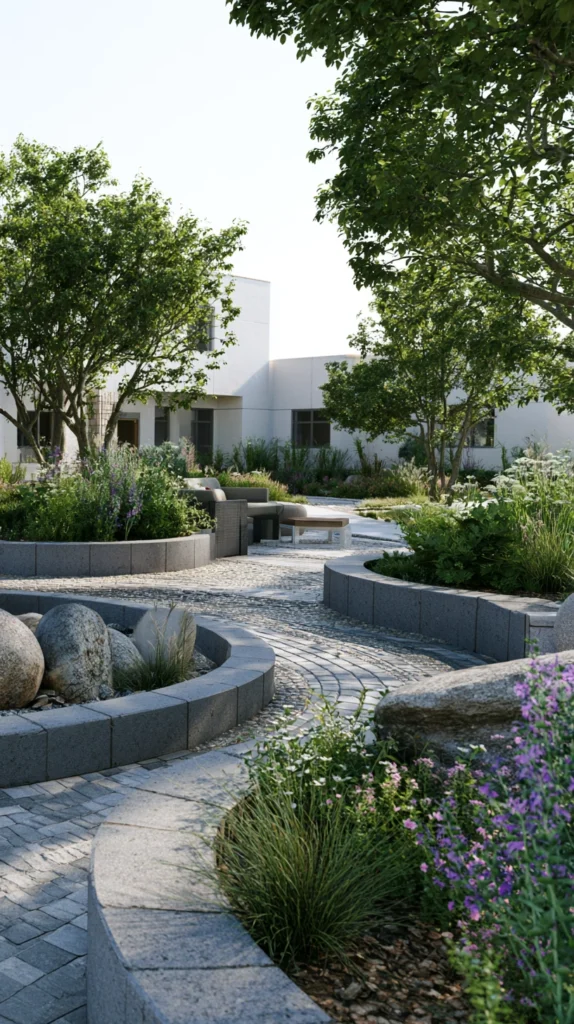
Design engaging gardens supporting therapeutic benefits through sensory plant selections. Include aromatic herbs, colorful foliage, and tactile elements, position for comfortable engagement, and appreciate how multisensory design encourages participation.
The sensory appeal creates engagement. The therapeutic benefits support wellbeing. The engaging design encourages participation. The holistic approach elevates beyond purely productive.
14. Child-Focused Garden Creating Learning Opportunity
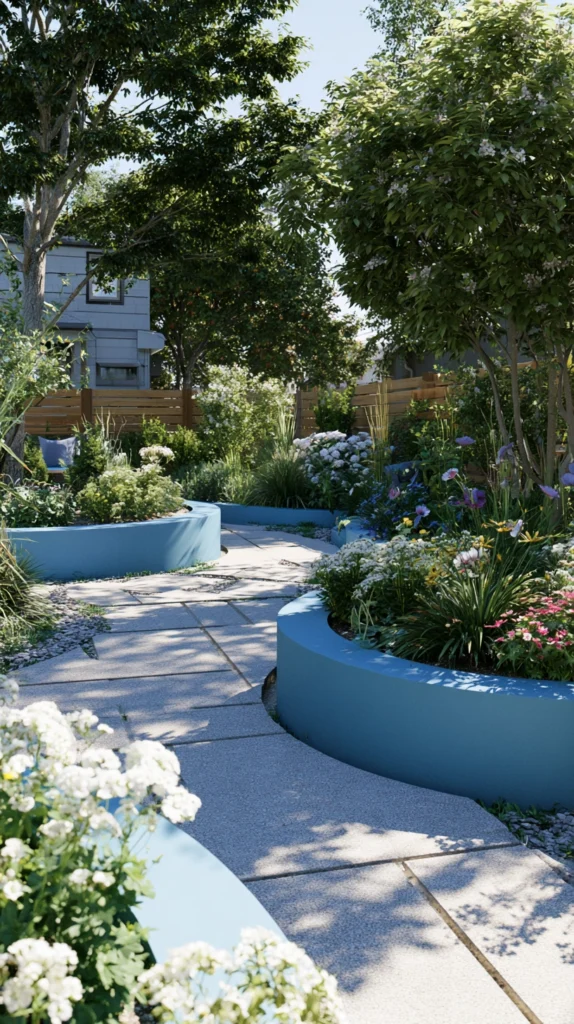
Design educational gardens supporting youth engagement and learning opportunities. Include quick-growing vegetables to build confidence, position at child-appropriate heights, and create teaching moments. The educational design supports learning. The quick results build confidence. The accessible height enables participation. The engaging approach fosters lifelong interest.
15. Seasonal Container Rotation Creating Year-Round Production
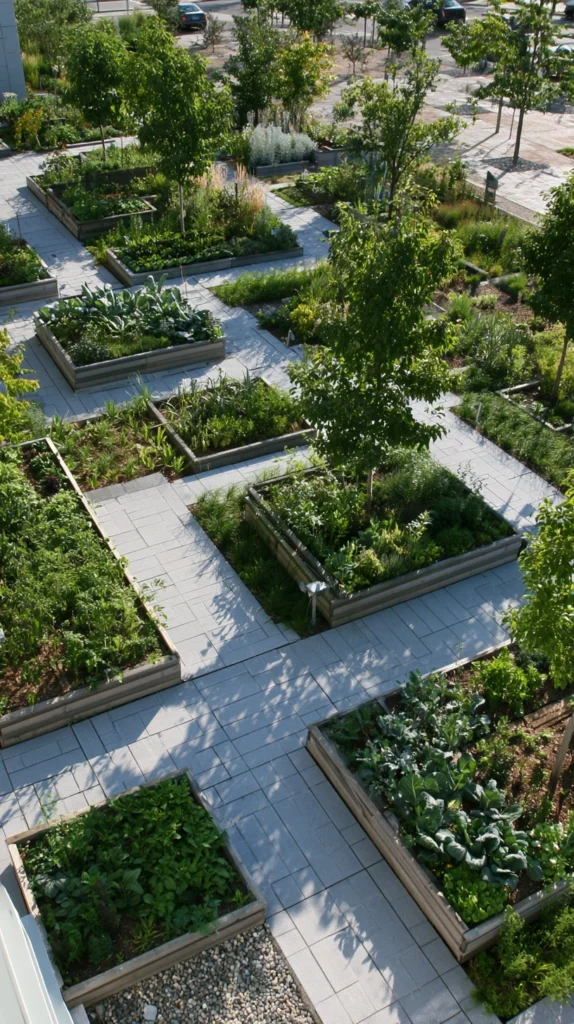
Maximize annual productivity through strategic container systems enabling seasonal succession. Rotate plantings seasonally, maintain containers enabling efficient transitions, and appreciate how a systematic approach extends production. The seasonal rotation extends productivity. The planned approach maximizes annual harvest. The organized system prevents seasonal gaps. The strategic method optimizes limited space.
Successfully creating small vegetable gardens requires realistic productivity expectations matching space capacity, quality soil investment supporting plant health despite limited volumes, and consistent maintenance ensuring continued productivity. Start small, ensuring genuine follow-through. Invest in quality soil and containers, preventing failure. Position optimally maximizing available light. Water consistently maintains moisture.
Harvest regularly, encouraging continued production. Most importantly, recognize that small gardens succeed through planning where strategic design, appropriate plant selection, and consistent care combine to create the kind of accessible, productive gardens that build confidence while delivering genuine food production.
It limited space need not compromise meaningful cultivation, establishing that small gardens create real food production supporting household cooking while remaining genuinely maintainable, demonstrating that when executed with thoughtful design and realistic expectations, small vegetable gardens deliver satisfying results worthy of genuine commitment, establishing spaces that support food security and genuine gardening satisfaction.