
Are Monsteras Toxic to Cats? What Every Pet Owner Should Know
Monstera plants have become increasingly popular in modern homes, adorning living spaces with their distinctive large leaves and architectural appeal. For cat owners, however, the decision to bring a Monstera into the home involves important safety considerations. Understanding whether Monsteras are toxic to cats and how to protect feline companions is essential knowledge that every pet owner should possess.
This comprehensive guide addresses the critical question of Monstera toxicity, explores symptoms of poisoning, discusses treatment options, and provides practical strategies for creating a safe, pet-friendly home environment while still enjoying the aesthetic benefits of popular houseplants.
Understanding Monstera Plants and Their Composition
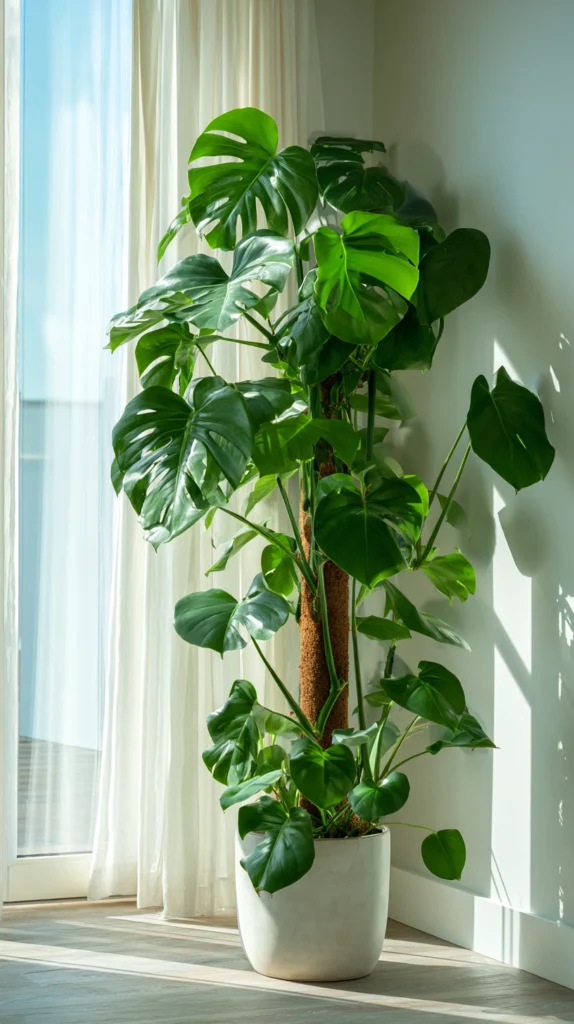
Monstera deliciosa, commonly known as the Swiss cheese plant, is a tropical climbing plant native to Central America. The plant has become ubiquitous in contemporary interior design due to its attractive fenestrated leaves—the distinctive holes that characterize mature plants—and its relatively easy care requirements. The plant features thick, leathery leaves with natural splits and holes that develop as the plant matures, creating a striking visual aesthetic that appeals to numerous plant enthusiasts.
The Monstera’s popularity has skyrocketed in recent years, with the plant becoming a staple in trendy homes and offices. Its ability to tolerate moderate light conditions, adapt to various indoor environments, and grow to impressive sizes makes it an attractive choice for those seeking substantial visual impact without demanding specialized care. However, this widespread presence in homes with feline companions has raised important questions about pet safety and plant toxicity.
The Monstera contains calcium oxalate crystals throughout its tissues, particularly concentrated in the leaves and stems. These needle-like crystals are the primary source of the plant’s toxicity to cats and other animals. When ingested, these crystals can cause significant oral and gastrointestinal irritation, making even small exposures potentially problematic for curious feline companions.
Determining Monstera Toxicity to Cats
Yes, Monsteras are definitely toxic to cats. The plant is recognized by the ASPCA Animal Poison Control Center as toxic to felines, and veterinary toxicology references consistently classify it as harmful to cats. The calcium oxalate crystals present throughout the plant pose a genuine health risk to pets that ingest any part of the plant, whether leaves, stems, or roots.
The toxicity level is generally considered moderate rather than severe, meaning that while Monstera ingestion requires attention and monitoring, it is not typically life-threatening at normal exposure levels. However, the potential for serious discomfort and health complications means that prevention and prompt treatment remain paramount concerns for responsible pet owners.
Understanding the nature of the toxin is important for cat owners. The calcium oxalate crystals irritate tissues they contact directly. When a cat chews or ingests Monstera material, these crystals penetrate the mucous membranes of the mouth, throat, and gastrointestinal tract, causing inflammation, swelling, and pain. The severity of symptoms depends on the quantity ingested and the individual cat’s sensitivity.
Recognizing Symptoms of Monstera Toxicity in Cats
Cat owners should be vigilant for specific symptoms indicating Monstera poisoning, as early recognition enables prompt veterinary intervention and prevents complications. Symptoms typically develop within hours of ingestion, though some cats may show delayed reactions. Understanding these warning signs is crucial for distinguishing Monstera toxicity from other feline health issues.
Oral symptoms represent the most immediate and noticeable effects of Monstera ingestion. Affected cats often drool excessively, sometimes profusely, as the calcium oxalate crystals irritate the mouth and throat tissues. Cats may paw at their mouths repeatedly, indicating significant discomfort. Difficulty chewing or reluctance to eat occurs as the mouth becomes inflamed and painful. Some cats develop visible swelling of the lips, tongue, or throat, which may be alarming for owners but typically indicates the need for veterinary assessment rather than emergency intervention.
Gastrointestinal symptoms frequently accompany oral symptoms as ingested plant material passes through the digestive tract. Affected cats may experience vomiting, which can be mild or severe depending on exposure. Diarrhea is common and may persist for several hours or even days. Loss of appetite frequently accompanies these symptoms as the cat experiences discomfort during eating and digestion. Some cats display increased drooling that continues even after the initial exposure, indicating ongoing irritation.
Behavioral changes may accompany physical symptoms. Cats experiencing Monstera toxicity often become unusually quiet or withdrawn, reflecting their discomfort. They may retreat to hiding spots, avoiding normal interactions with family members. Some cats display restlessness or irritability as they attempt to manage mouth pain. Changes in litter box habits may occur, with affected cats straining during urination or defecation if gastrointestinal irritation extends to the lower digestive tract.
In most cases, symptoms resolve within 24 to 48 hours as the irritating plant material passes through the digestive system or is vomited out. However, individual variation exists, and some cats experience more prolonged symptoms requiring extended monitoring and veterinary support.
Severity and Long-Term Consequences
Understanding the severity of Monstera toxicity helps cat owners assess appropriate response levels while avoiding unnecessary panic. In the vast majority of cases, Monstera ingestion causes acute illness with complete recovery, though the acute phase can be intensely uncomfortable for affected cats. Severe or life-threatening outcomes are relatively rare but not impossible, particularly with massive exposure or in cats with underlying health vulnerabilities.
The primary danger from Monstera toxicity involves the risk of aspiration, where vomited material enters the airways instead of being expelled safely through the mouth. This complication can potentially lead to aspiration pneumonia, a serious secondary condition requiring aggressive treatment. Additionally, severe swelling of the throat could theoretically obstruct airways, though this represents an uncommon scenario requiring extreme exposure and individual sensitivity.
Cats with underlying kidney disease, liver disease, or other compromised organ function face elevated risk of complications from Monstera toxicity. These cats process toxins less efficiently and may experience more severe or prolonged symptoms. Elderly cats and very young kittens also face increased vulnerability to serious consequences from plant toxicity.
The psychological impact of Monstera toxicity should not be overlooked. The experience of acute illness causes stress and anxiety for affected cats, which can trigger behavioral changes or other health issues in sensitive individuals. Some cats develop plant-avoidance behaviors following toxicity, while others become generally wary of environmental changes, affecting their overall quality of life.
Most significantly, repeated exposure to Monstera carries cumulative health risks. While single exposure typically causes acute illness with recovery, multiple exposures could potentially cause ongoing low-level irritation or predispose cats to secondary infections or other complications.
Immediate Response to Monstera Ingestion
Recognizing that a cat has ingested Monstera plant material enables appropriate immediate response. If direct evidence of ingestion exists—such as observing the cat eating the plant or finding evidence of plant consumption—prompt action becomes essential. Similarly, if symptoms consistent with Monstera toxicity develop and the cat has access to Monstera plants, immediate veterinary consultation is warranted.
The first step involves removing the cat from the Monstera plant’s immediate vicinity, preventing continued exposure. If plant material remains visible in the cat’s mouth, carefully removing visible pieces with a soft cloth can reduce the irritating substance’s contact time. However, owners should avoid forceful removal that could cause injury or additional stress.
Providing fresh water for the cat to drink and rinsing the mouth can provide some comfort and help dilute any remaining irritants. Many cats naturally increase water intake following ingestion of irritating materials, and this instinctive behavior should be supported. Some owners offer small amounts of milk or plain yogurt, though effectiveness varies among individual cats.
Contact with a veterinarian should occur promptly, ideally within the first hour of suspected ingestion. Many veterinary clinics can guide over the phone regarding severity assessment and appropriate at-home monitoring. The veterinarian may recommend observation at home if symptoms are minimal, or may request immediate examination if symptoms are pronounced or the ingestion volume was substantial.
Providing the veterinarian with specific information facilitates appropriate assessment. Details including the time of suspected ingestion, the quantity of plant material consumed (if determinable), the cat’s weight and age, and the onset timing of any symptoms help the veterinarian formulate appropriate treatment recommendations. Information about any underlying health conditions or current medications is also valuable.
Veterinary Treatment and Management
Professional veterinary care for Monstera toxicity focuses on managing symptoms and preventing complications. In most cases, treatment is supportive rather than curative, as no specific antidote exists for calcium oxalate poisoning. Veterinary management aims to alleviate discomfort, prevent complications, and support the cat’s recovery process.
Cats presenting with significant symptoms may receive intravenous fluids to support hydration and facilitate toxin elimination. Fluid therapy prevents dehydration from vomiting or diarrhea and helps flush irritating substances through the system. Anti-nausea medications may be administered to reduce vomiting frequency, allowing the gastrointestinal tract time to recover without repeated irritation.
Pain management represents an important component of veterinary care. Veterinarians may prescribe pain relief medications to reduce discomfort from oral and gastrointestinal irritation, improving the cat’s quality of life during recovery. Some cats benefit from anti-inflammatory medications to reduce swelling and inflammation in affected tissues.
In cases of severe swelling affecting swallowing or breathing, veterinarians may recommend additional interventions. Corticosteroids can reduce inflammation, though their use requires careful consideration of risks and benefits. In extreme cases where airway compromise occurs, emergency intervention becomes necessary.
Most cats treated by veterinarians recover fully from Monstera toxicity without lasting complications. Recovery typically occurs over several days as inflammation subsides and irritated tissues heal. Cats gradually resume normal eating habits as mouth and throat discomfort resolves. Diarrhea typically resolves spontaneously as the gastrointestinal tract recovers from irritation.
Cats not requiring professional veterinary care should still receive careful monitoring. Close observation of symptoms, maintenance of normal hydration through fresh water provision, and prompt veterinary consultation if symptoms worsen or fail to improve within 24-48 hours remains appropriate. Any signs of complications, including persistent vomiting, difficulty breathing, or extreme lethargy, warrant immediate veterinary evaluation regardless of previous assessment.
Prevention Strategies for Pet Owners
The most effective approach to Monstera toxicity involves preventing exposure entirely. Pet owners who wish to maintain Monsteras in homes with cats should implement careful strategies to minimize contact and risk. Creating physical barriers between cats and plants represents the most straightforward preventive approach.
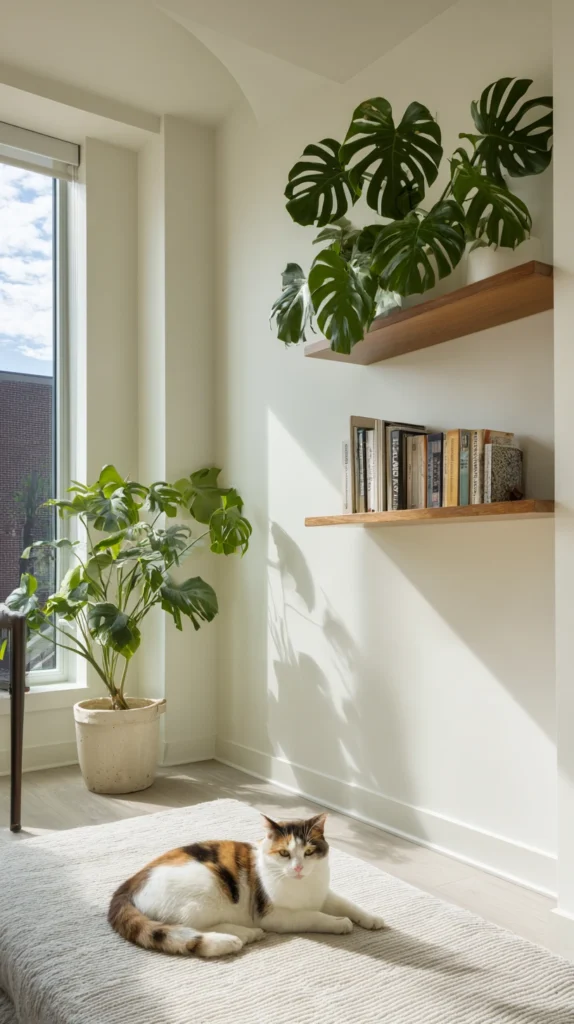
Elevating Monsteras on high shelves or plant stands positioned away from furniture cats can use to access the plant prevents most contact. However, cats’ climbing abilities and jumping capacity mean that truly inaccessible placement is challenging in most homes. Placing plants in rooms where cats spend minimal time, such as rarely-used guest rooms or locked home offices, provides additional protection.
Hanging Monsteras from ceiling hooks or sturdy chains can effectively keep the plant away from ground-level cat access. This placement also displays the plant’s trailing growth beautifully while maintaining safety. Ensuring chains and hooks are secure enough to support the mature plant’s weight prevents dangerous falls if cats attempt climbing.
Enclosed spaces such as plant terrariums or glass cases can contain Monsteras while still allowing light penetration and providing aesthetic display. Glass cabinets designed for plant collection provide attractive presentation while ensuring cats cannot access the contained plant. However, these solutions occupy significant space and may not suit all home environments.
Providing cats with alternative attractive objects can redirect their natural interest in plants toward safer outlets. Cat grass, catnip plants, and spider plants (which are non-toxic to cats) satisfy cats’ instinctive plant-interaction drives while avoiding toxicity risks. Encouraging cats to play with these alternative plants through positive reinforcement creates healthier habits.
Using deterrent sprays on plants can discourage cats from chewing or interacting with foliage. Sprays with bitter tastes like capsaicin or citrus flavors often discourage cats without harming the plant. However, these deterrents require regular reapplication and prove more or less effective for individual cats.
Supervision remains an important prevention component. Monitoring cat activities near plants and redirecting attention away from foliage when cats show interest prevents exploratory ingestion. Teaching cats that plant interaction is unacceptable through consistent correction helps establish appropriate behavioral boundaries.
Safe Houseplant Alternatives for Cat Owners
Cat owners who wish to maintain substantial indoor plant collections while ensuring pet safety should prioritize non-toxic varieties. Many attractive houseplants pose no toxicity risks to felines, enabling pet owners to enjoy lush indoor gardens without safety concerns.
Spider plants represent one of the most cat-safe and attractive options. These plants feature graceful arching leaves and produce small plantlets that create visual interest. Spider plants tolerate various light conditions and require minimal care, making them ideal for busy households. Interestingly, many cats are attracted to spider plants, but they are completely non-toxic and safe for feline consumption.
Boston ferns offer delicate, feathery foliage that creates elegant visual impact. These plants thrive in indirect light and moderate humidity, making them suitable for various home environments. The soft fronds appeal to cats while posing no health risks.
African violets provide colorful flowers and attractive foliage in compact forms suitable for windowsills or shelves. These plants resist cat damage better than many alternatives and offer beautiful aesthetic contributions to home environments.
Prayer plants and calatheas feature beautiful patterned foliage and non-toxic composition, making them excellent choices for plant-loving cat owners. These plants’ low growth habit and modest size suit various placement options.
Palms, including parlor palms and areca palms, add tropical beauty to indoor environments while remaining completely safe for cats. These plants’ height and structure create visual interest without toxicity concerns.
Ponytail palms, despite their name, are actually succulents that provide sculptural interest while remaining entirely safe for feline companions. Their unique appearance adds distinctive character to plant collections.
Herbs including cat-safe varieties such as cat thyme and valerian offer functional benefits while posing no toxicity risks. Growing these plants provides cats with safe alternatives to the consumption of toxic varieties.
Other Common Toxic Houseplants
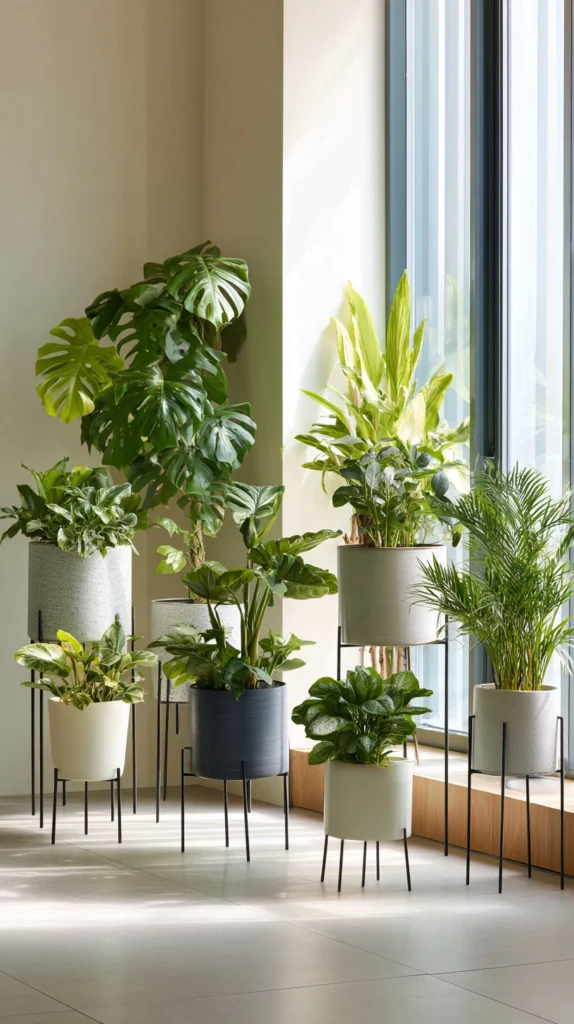
While Monsteras are commonly considered toxic, numerous other popular houseplants pose similar or greater risks to cats. Understanding these alternatives helps pet owners make informed choices about plant selection and necessary precautions.
Philodendrons, closely related to Monsteras, contain similar calcium oxalate crystals and cause comparable toxicity symptoms. These plants are extremely common in households and offices, making accidental exposure a frequent concern for cat owners.
Lilies, particularly certain varieties including Asiatic and Oriental lilies, represent severely toxic plants for cats. Unlike Monstera, which causes primarily oral and gastrointestinal symptoms, lilies can cause acute kidney failure in cats, potentially leading to death even with prompt treatment. Lily toxicity requires immediate emergency veterinary intervention.
Dieffenbachias, also known as dumb cane plants, contain oxalate crystals, causing severe oral irritation and potentially dangerous swelling. These plants can cause such pronounced swelling that they compromise swallowing or breathing if ingested in quantity.
Sago palms, despite their ornamental appeal, are extremely toxic to cats and can cause severe liver damage. Even small exposures pose significant health risks, making these plants unsuitable for homes with feline companions.
Oleanders contain cardiac glycosides that can cause heart problems, digestive upset, and neurological symptoms in cats. These attractive plants represent serious toxicity risks despite their ornamental appeal.
English ivy can cause gastrointestinal upset and skin irritation in affected cats. While typically less severe than Monstera toxicity, English ivy still warrants prevention strategies in homes with cats.
Creating a Comprehensive Pet-Safe Home Environment
Effective pet safety requires comprehensive strategies extending beyond individual plant assessment. Creating an overall environment prioritizing feline wellbeing while maintaining aesthetic appeal involves multiple considerations.
Conducting a thorough home audit to identify all toxic plants is the essential starting point. Many homes contain multiple toxic plants accumulated over time without consideration of pet presence. Systematically identifying these plants enables informed decisions about removal, relocation, or enhanced protection measures.
Implementing barriers and elevated placement for any retained toxic plants prevents most accidental exposures. Creating clear boundaries where cats understand certain plants are off-limits through consistent training and redirection reinforces appropriate behavioral boundaries.
Maintaining open communication with household members about toxic plant risks ensures consistent enforcement of prevention strategies. All residents should understand which plants pose risks and follow established protocols for plant access and cat supervision.
Establishing veterinary relationships that include awareness of plant toxicity issues facilitates rapid response if exposures occur. Having a trusted veterinarian who understands common toxicity concerns and can provide prompt guidance enables appropriate decision-making during potential emergencies.
Maintaining records of plant composition and known toxicities helps guide prevention strategies. Lists of retained plants with their toxicity status enable quick reference during suspected exposures and support communication with veterinarians.
Regular review of new plants entering the home ensures ongoing safety standards. Visitors or household members may bring plants without considering pet safety, necessitating ongoing vigilance and assessment of new additions.
Recognizing Individual Cat Vulnerability
Individual cats vary substantially in their likelihood of consuming houseplants and their vulnerability to toxicity effects. Understanding individual cat characteristics helps tailor prevention strategies appropriately to specific household situations.
Kittens and young cats often display heightened interest in plant material as they explore their environments. Younger cats may consume more plant material before recognizing unpleasantness, increasing exposure levels. Enhanced prevention measures often prove necessary for households with very young felines.
Cats with pica behaviors—the compulsive consumption of non-food items—display elevated risk of plant ingestion. These cats actively seek out plant material regardless of deterrents, requiring more comprehensive prevention strategies. Veterinary consultation can help distinguish normal exploratory plant interest from pathological pica behavior requiring medical attention.
Elderly cats with dental disease or oral sensitivity may experience more severe symptoms from plant toxicity due to compromised mouth condition. Enhanced prevention becomes especially important for these vulnerable individuals.
Cats with underlying gastrointestinal disease face elevated complication risks from plant toxicity. These cats’ compromised digestive systems may respond more severely to irritating plant material and experience longer recovery periods.
Individual variation in plant preferences means some cats show no interest in Monsteras while others demonstrate persistent attraction. Observing individual cat behavior patterns enables targeted prevention strategies matching specific risk levels.
Emergency Response Protocols and Veterinary Contact
Establishing clear emergency response protocols enables appropriate rapid action if suspected toxicity occurs. Pre-event preparation, including identification of emergency veterinary facilities and establishment of communication pathways, facilitates smooth response during stressful situations.
Identifying 24-hour emergency veterinary clinics in advance enables rapid location and access if symptoms develop outside regular business hours. Having phone numbers readily available prevents delay during crises.
Contacting the ASPCA Animal Poison Control Center (888-426-4435) provides specialized guidance from veterinary toxicologists. This facility operates 24/7 and can provide plant-specific toxicity information and recommendations for appropriate response levels.
Maintaining detailed medical records including vaccine status, chronic health conditions, and current medications facilitates veterinary assessment if exposure occurs. Veterinarians can more effectively treat affected cats when comprehensive health information is readily available.
Preparing information packets with plant identification, exposure details, and symptom observations aids communication with veterinary professionals. Clear documentation of what was consumed, when exposure occurred, and which symptoms have developed enables rapid assessment and appropriate treatment recommendation.
Long-Term Monitoring and Recovery Support
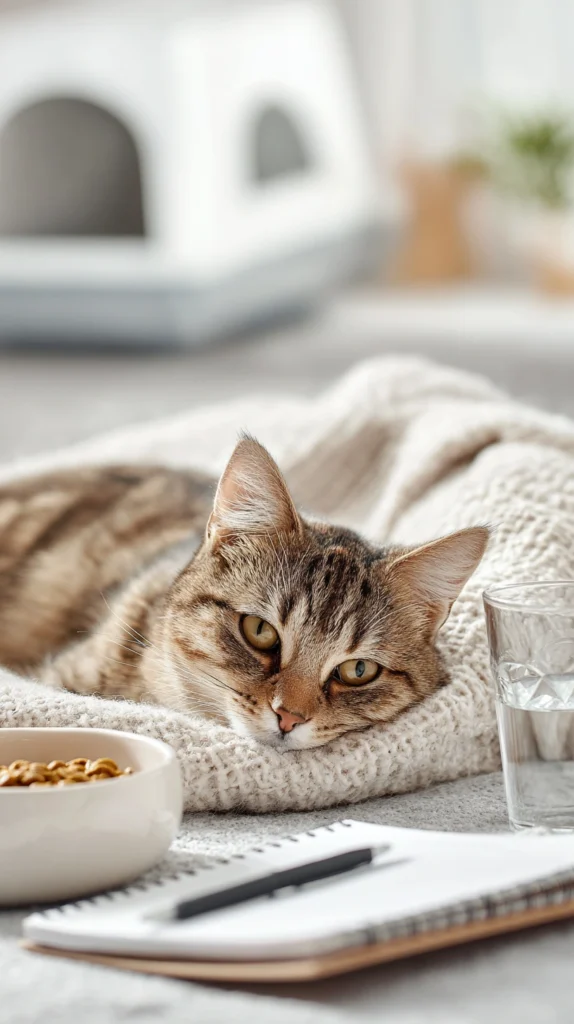
Cats recovering from Monstera toxicity benefit from continued monitoring and supportive care during the recovery period. Even mild cases warrant observation to ensure complete resolution and prevention of secondary complications.
Monitoring litter box habits during recovery provides insight into gastrointestinal function. Return to normal urination and defecation patterns typically indicates gastrointestinal tract recovery. Persistence of abnormalities warrants veterinary follow-up.
Observation of eating and drinking habits helps assess recovery progress. Gradual return to normal appetite and water consumption indicates improving oral comfort and overall recovery. Persistent reluctance to eat or drink beyond 48-72 hours warrants veterinary reassessment.
Monitoring energy levels and activity patterns provides additional recovery indicators. Cats recovering from toxicity gradually return to normal activity as symptoms resolve and discomfort diminishes.
Providing soft food during recovery can ease discomfort from oral irritation. Moistened kibble, wet food, or soft-consistency therapeutic diets reduce the need for vigorous chewing while providing necessary nutrition.
Offering frequent small meals rather than large quantities can improve nutritional intake while reducing gastrointestinal stress during recovery. Many cats resume normal eating more successfully with frequent small portions.
Conclusion: Informed Decisions for Pet Safety
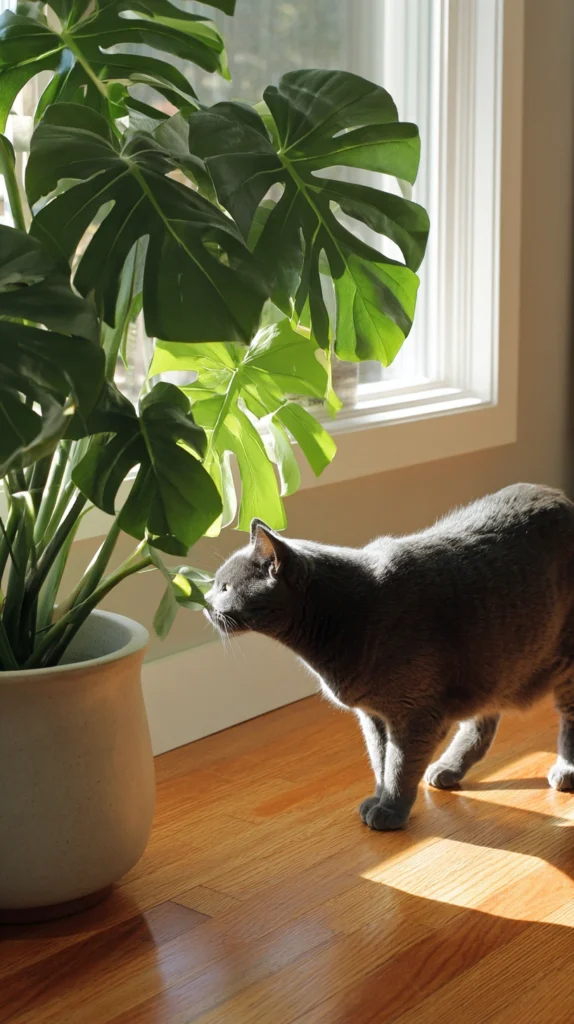
Monstera are indeed toxic to cats, and responsible pet ownership requires honest assessment of risks and implementation of appropriate prevention strategies. Understanding Monstera toxicity, recognizing symptoms, responding appropriately to exposures, and creating comprehensive pet-safe environments enables cat owners to minimize risks while still enjoying the benefits of indoor plant cultivation.
Pet owners need not eliminate plants from their homes to protect feline companions. Instead, informed decision-making about plant selection, strategic placement, consistent prevention efforts, and rapid response protocols when problems occur create a healthy balance between aesthetic preferences and genuine pet safety. By prioritizing feline wellbeing and making conscientious choices about plant presence in the home, cat owners can create beautiful, thriving indoor environments where both plants and cats flourish safely alongside each other.