14 Bold Dining Room Accent Ideas Inspired by Iconic World Cup Stadiums
World Cup stadiums represent architectural triumphs featuring bold design elements, dramatic color schemes, and innovative materials that create unforgettable visual experiences for millions of spectators. These same design principles translate beautifully into residential dining rooms where dramatic accents, distinctive colors, and architectural details create championship-worthy spaces for everyday meals and special gatherings.
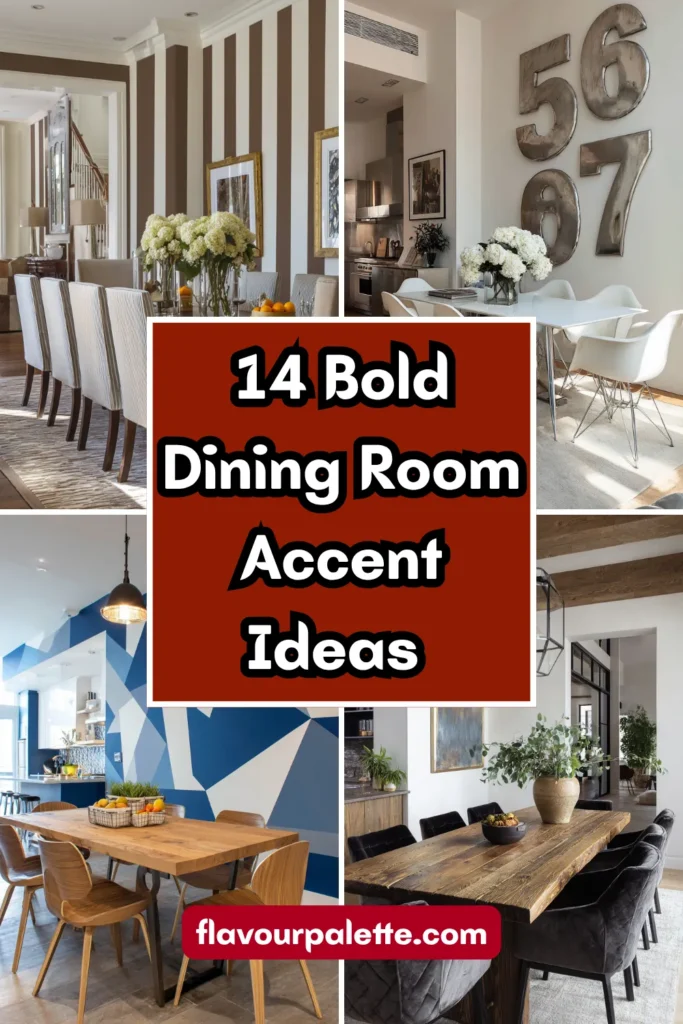
Drawing inspiration from iconic stadiums worldwide offers fresh perspectives on creating dining rooms with presence, personality, and the kind of visual impact that makes these gathering spaces truly memorable. These 14 bold accent ideas capture stadium-inspired drama while remaining practical for residential applications, proving that grand architectural concepts can inspire achievable home design transformations.
1. Geometric Patterned Accent Wall
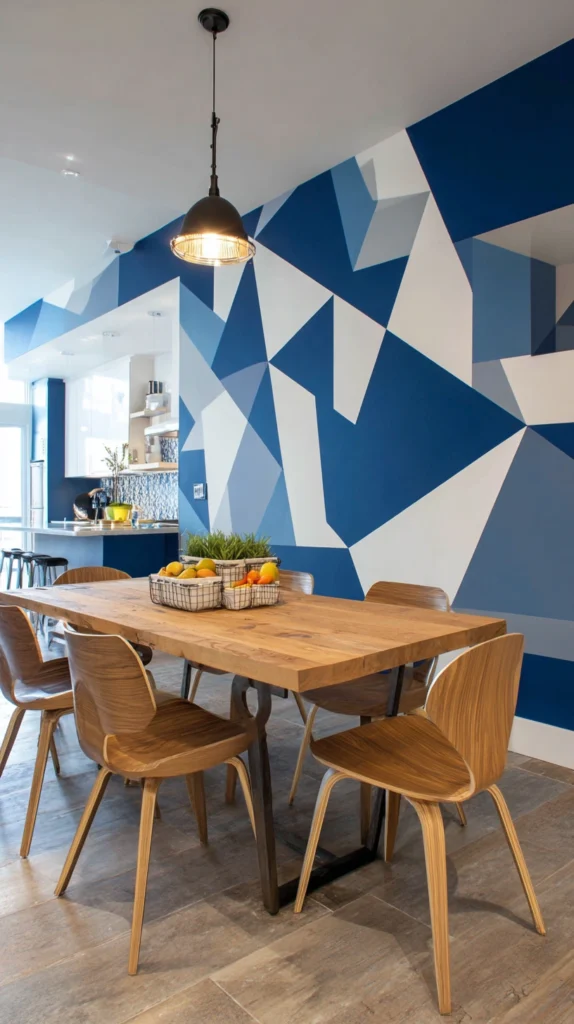
Channel the angular exterior facades of stadiums like Allianz Arena through geometric wallpaper or painted patterns featuring triangles, hexagons, or chevrons in bold color combinations. Create dramatic three-dimensional effects using contrasting paint colors in geometric shapes, or install textured wallpaper with architectural patterns, adding physical depth.
Choose colors inspired by team jerseys or stadium exteriors, including combinations like navy and white, red and black, or emerald and gold. The geometric patterns add energy and movement, while the bold scale ensures the accent wall makes championship-level statements.
2. Industrial Pendant Lighting Clusters
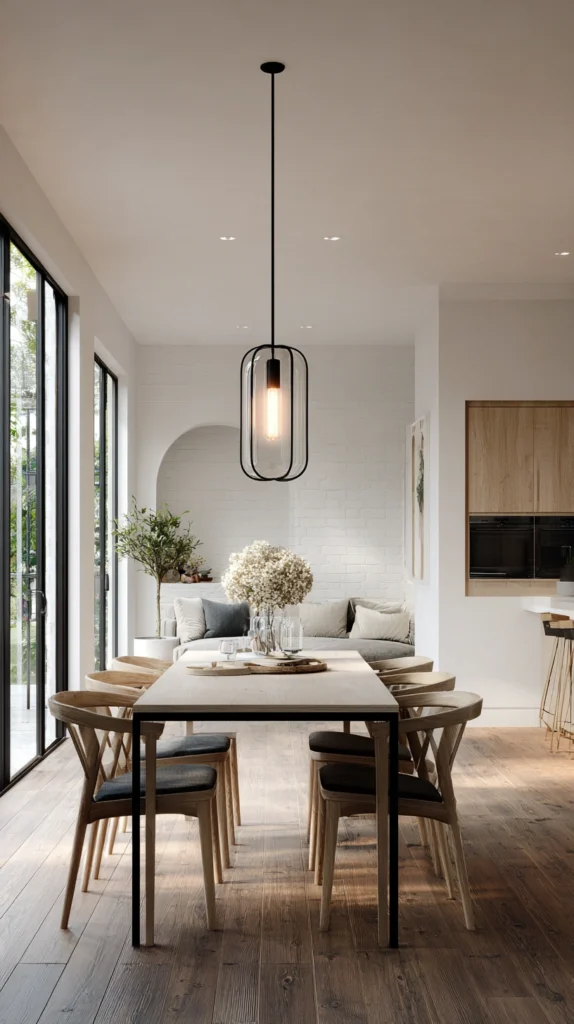
Recreate stadium lighting drama through clustered industrial pendant lights hanging at varied heights above dining tables, creating sculptural illumination reminiscent of massive floodlight installations. Choose fixtures in raw materials like aged metal, concrete, or wire cages, evoking the utilitarian aesthetic of stadium infrastructure.
Hang three, five, or seven pendants in odd-numbered groupings varying in height, creating dynamic compositions rather than uniform straight lines. The industrial fixtures provide both functional task lighting and architectural presence, becoming focal points visible from throughout adjacent spaces.
3. Bold Team Color Palette
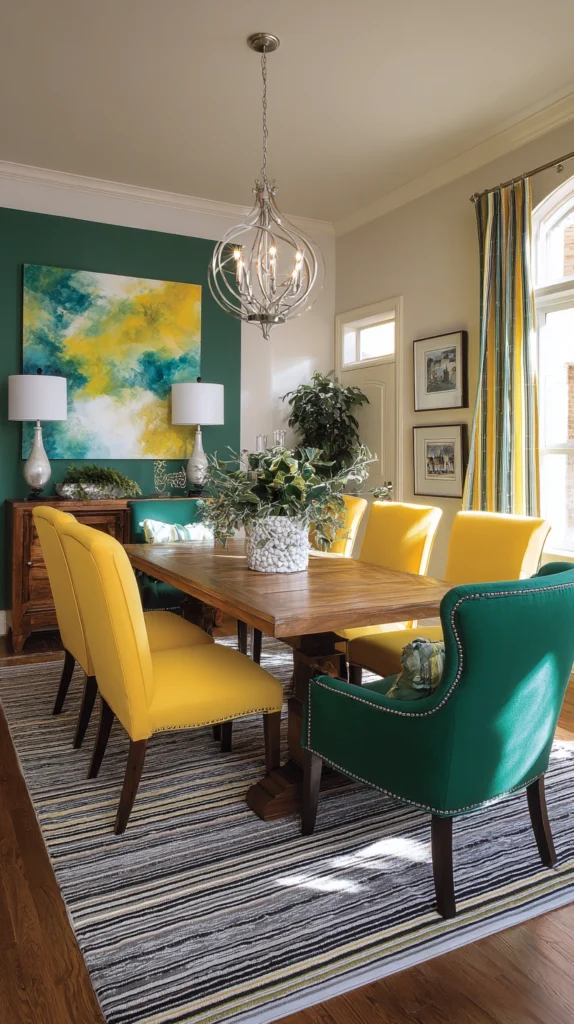
Design entire color schemes around iconic team colors like Brazil’s yellow and green, Argentina’s blue and white, or Germany’s black, red, and gold, creating vibrant, energetic dining environments.
Paint walls in primary team colors, add complementary accent colors through textiles and accessories, and incorporate neutral tones to prevent color overload. Balance bold walls with neutral furniture, allowing the color to dominate, or use neutral backgrounds with bold colored furniture and accents. The athletic color combinations inject energy and personality while creating cohesive themes tying together all decorative elements.
4. Concrete Architectural Elements
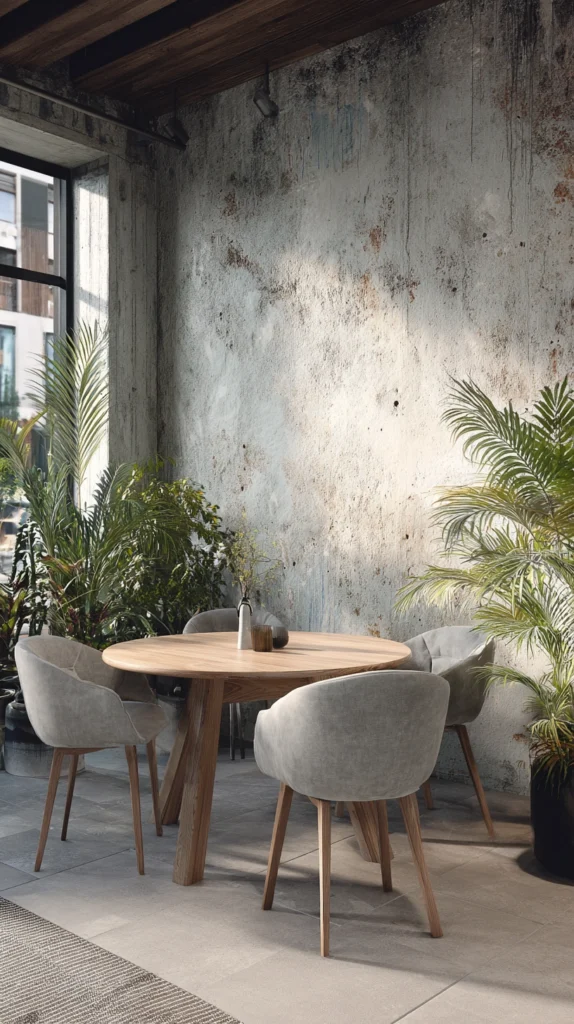
Incorporate exposed concrete through accent walls, fireplace surrounds, or decorative panels mimicking the raw industrial materials dominating modern stadium construction. Apply concrete-look paint treatments, install concrete tile, or use microcement finishes, creating authentic appearances without structural concrete installation.
Pair concrete’s cool gray tones with warm wood furniture, soft textiles, and living greenery, preventing spaces from feeling cold or industrial. The concrete elements add urban edge and architectural gravitas while their neutral tones provide versatile backdrops for changing accessories and seasonal updates.
5. Oversized Numerical Wall Art
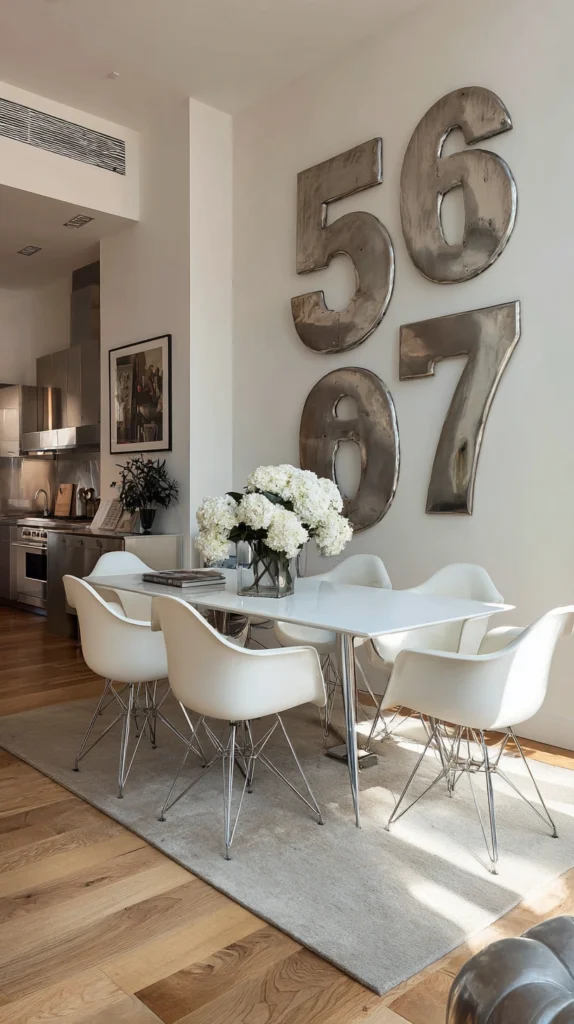
Create focal points using oversized numbers representing significant dates, jersey numbers, or championship years displayed as dimensional wall art or painted graphics. Install large metal numbers, create custom wood cutouts, or paint numbers directly on walls using stencils, ensuring crisp professional edges.
Choose numbers with personal significance like wedding dates, family establishment years, or children’s birth years, making the athletic aesthetic personally meaningful. The bold numerals add graphic punch while their simple shapes create modern sophistication rather than literal sports-themed decoration.
6. Tiered Seating Inspiration
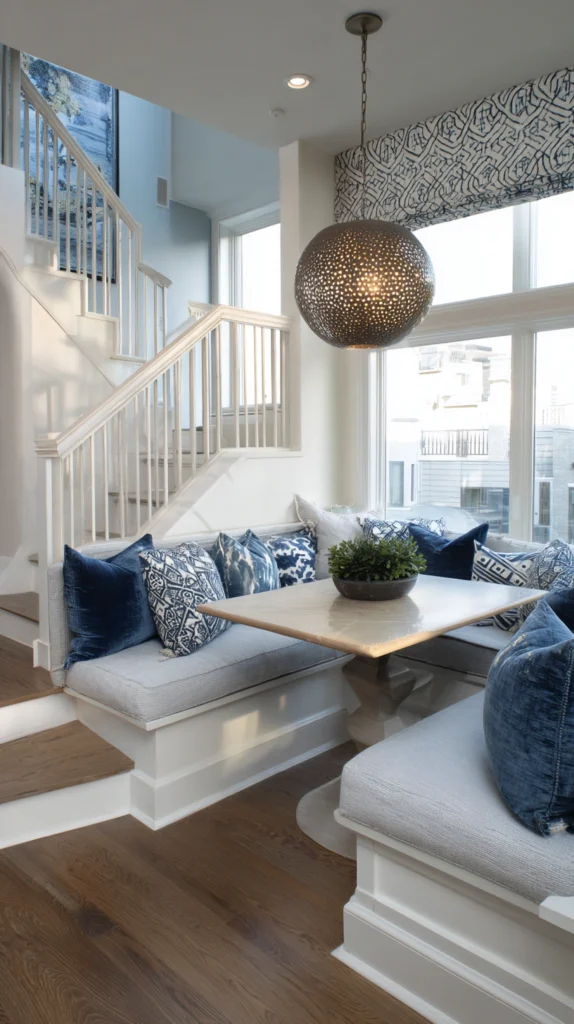
Reference stadium seating through built-in banquette seating featuring stepped levels, elevated platforms, or multi-height cushion arrangements, creating dimensional seating areas. Build simple platform risers, creating elevated dining areas with distinct zones, or install banquettes with varied seat heights.
Add cushions in team colors, incorporate stadium seat-inspired backs, or use materials like concrete and metal evoking actual stadium construction. The tiered approach adds architectural interest while creating conversation-starting design elements that reference stadium origins without literal replication.
7. Metallic Accent Finishes
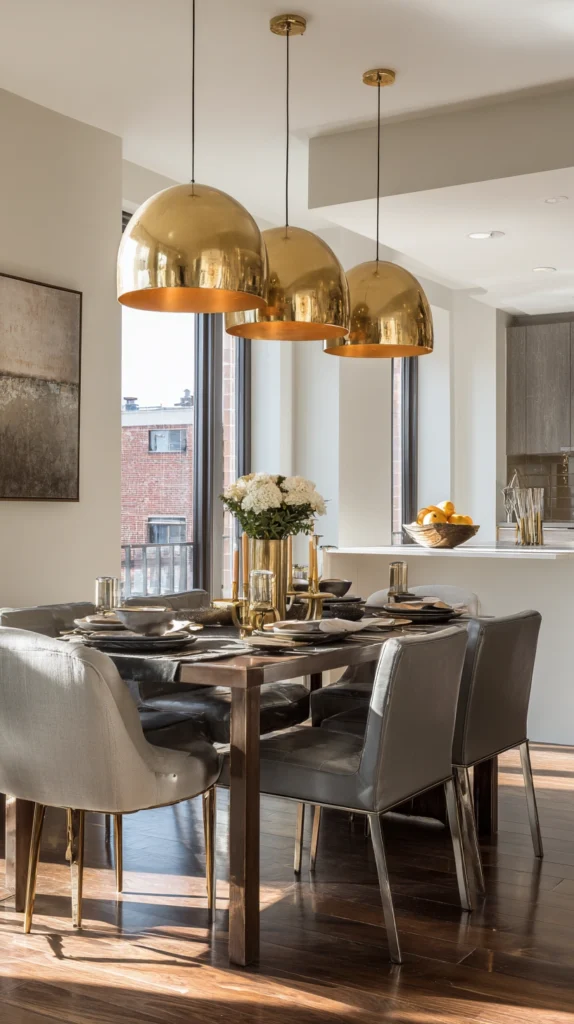
Channel stadium’s gleaming metal structures through brass, copper, steel, or aluminum accents in lighting fixtures, furniture legs, drawer hardware, and decorative accessories. Install brass chandeliers, add copper pendant lights, or use steel-framed furniture, introducing metallic elements throughout the space.
Mix metals intentionally rather than matching everything exactly, creating collected sophisticated looks rather than overly coordinated showrooms. The metallic accents catch and reflect light creating visual interest while their sleek finishes add contemporary edge and polished sophistication.
8. Graphic Stripe Treatments
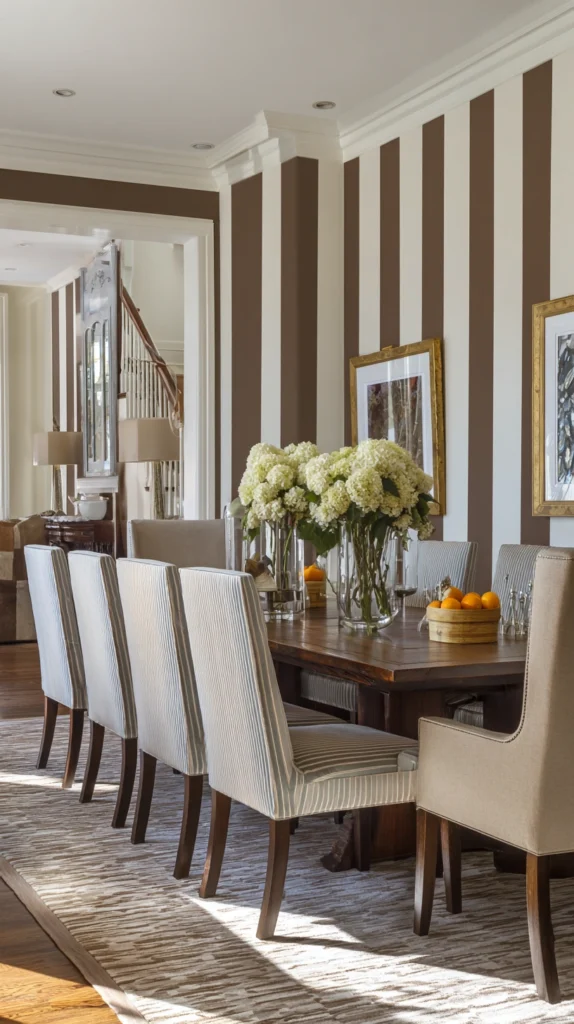
Reference stadium field markings through bold striped patterns on accent walls, area rugs, or upholstery creating graphic interest and directional movement. Paint horizontal stripes in alternating colors creating visual width, or use vertical stripes adding perceived height to dining rooms with standard ceilings.
Choose stripe widths proportional to room size with wider stripes in larger rooms and narrower versions in compact spaces. The linear patterns add energy and contemporary style while the varied color combinations allow personalization matching your preferred team colors or design palette.
9. Curved Architectural Details
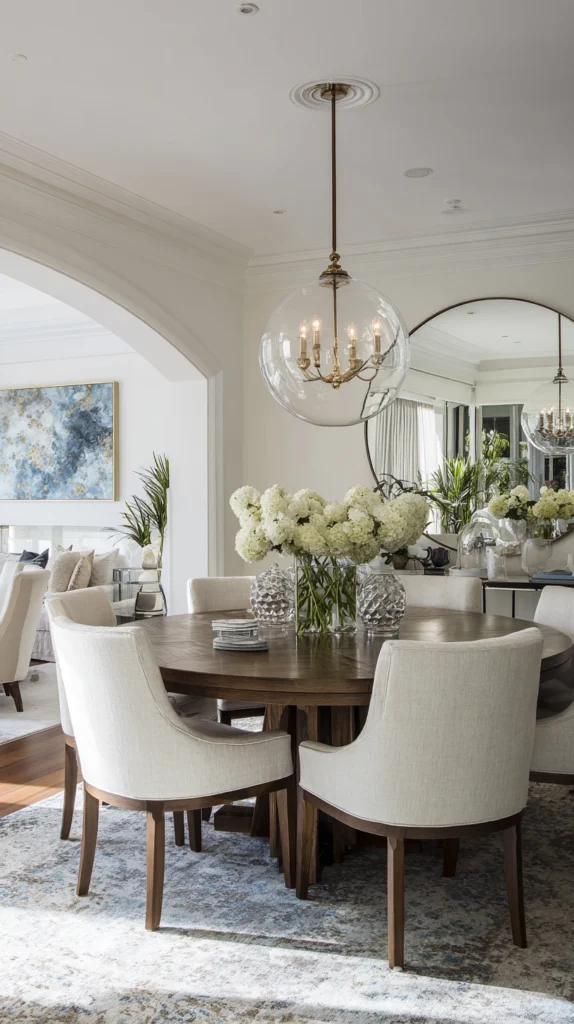
Incorporate the sweeping curves characterizing iconic stadium designs like Lusail Stadium through arched doorways, curved ceiling details, or rounded furniture selections. Install arched mirrors creating architectural focal points, add curved banquettes or round dining tables emphasizing circular forms, or apply curved ceiling molding.
The soft curves provide counterpoint to angular geometric patterns and straight architectural lines creating balanced dynamic tension. The flowing forms reference stadium bowl shapes while adding organic softness that makes dining rooms feel welcoming rather than rigid.
10. LED Accent Lighting
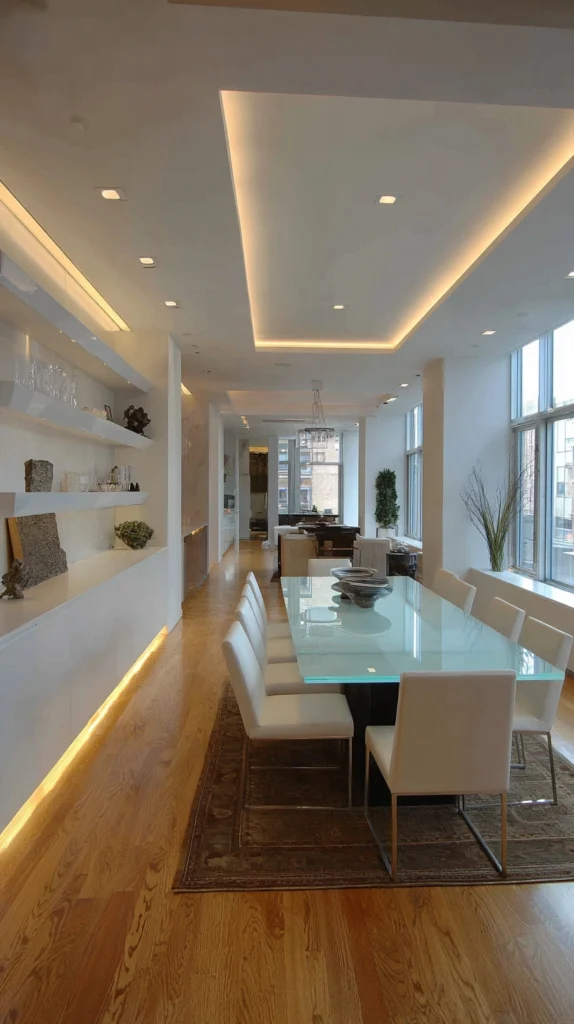
Recreate stadium illumination drama through LED strip lighting under shelving, within ceiling coves, or highlighting architectural features creating customizable ambient effects. Install color-changing LEDs allowing palette shifts for different occasions from energetic team colors during game days to subtle warm tones for intimate dinners.
Add dimmer controls ensuring lighting intensity adjusts appropriately for various uses from bright task lighting during meals to subtle accent lighting during cocktail hours. The modern lighting creates stadium-worthy drama while the energy-efficient technology operates economically despite extended use.
11. Oversized Trophy Display
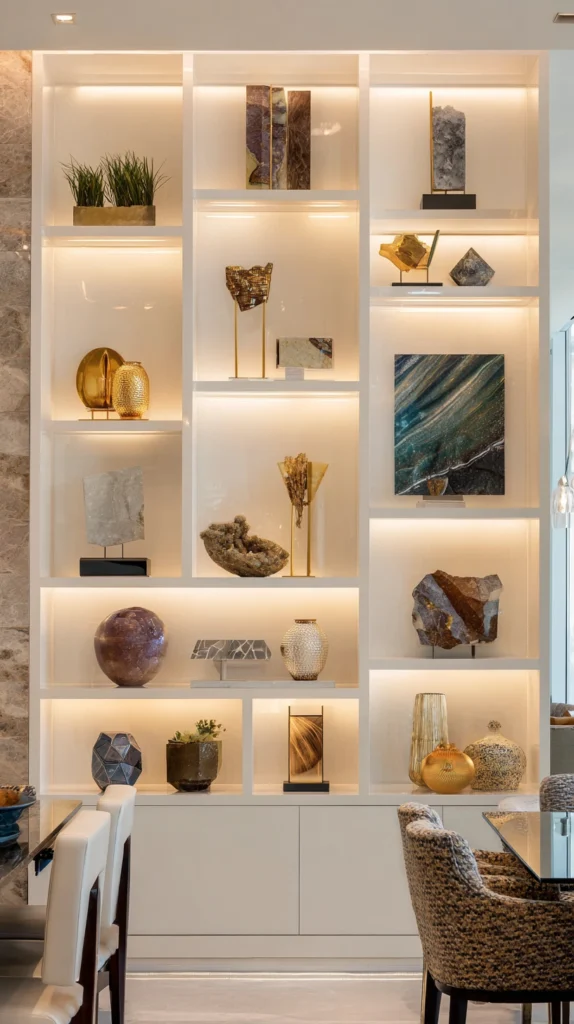
Create focal points through display shelving or cabinets showcasing collections, awards, or decorative objects arranged like championship trophy presentations. Install lit glass shelving, create dedicated display niches, or use open shelving with dramatic backlighting, highlighting displayed items.
Arrange objects museum-style with adequate spacing and strategic lighting rather than crowding items together, preventing individual pieces from receiving proper attention. The curated displays add personality, while the championship presentation elevates everyday objects into celebrated collections worthy of prominent display.
12. Bold Graphic Artwork
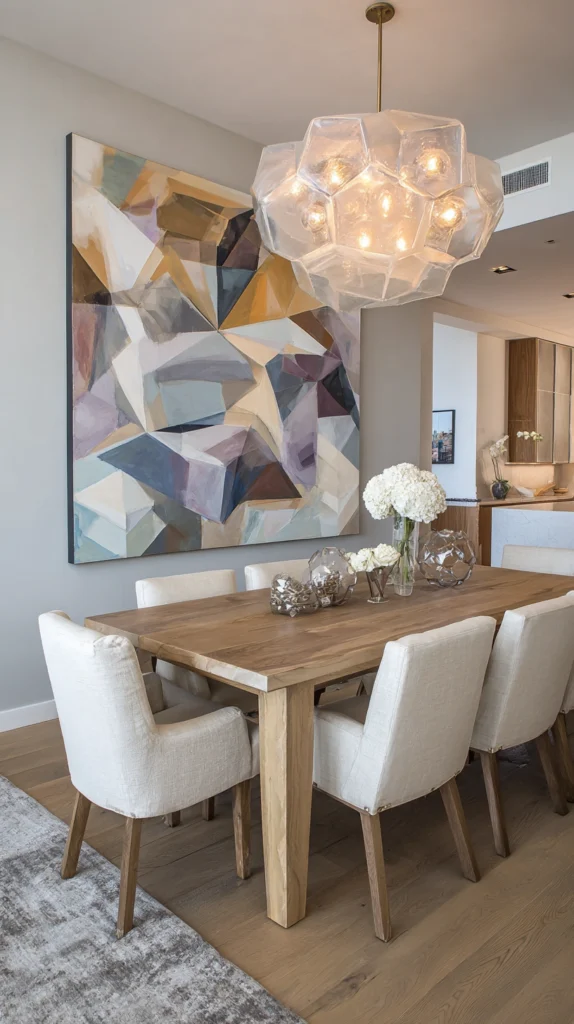
Commission or purchase large-scale graphic artwork featuring abstract patterns, geometric designs, or stylized imagery, creating focal points with stadium-worthy presence and impact. Choose pieces in colors coordinating with your overall palette, or use neutral artwork against bold walls, creating sophisticated contrast. Install oversized single pieces making dramatic statements, or create gallery walls using multiple coordinated works in matching frames.
The substantial artwork provides visual anchors while the bold graphics add energy and contemporary sophistication, referencing the stadium’s larger-than-life visual experiences.
13. Material Contrast Combinations
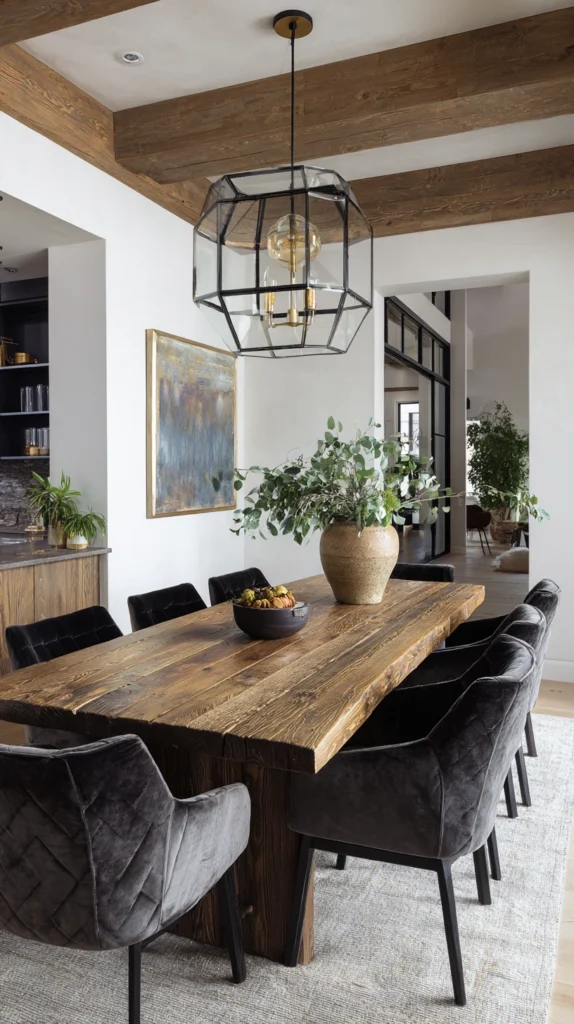
Mix unexpected materials like wood and metal, concrete and velvet, or glass and leather, creating textural interest inspired by stadiums’ varied material palettes. Pair rough concrete walls with luxurious velvet dining chairs, combine rustic wood tables with sleek metal lighting, or mix smooth glass tabletops with textured upholstery.
The contrasts create visual intrigue while the varied textures add depth, preventing rooms from feeling flat or one-dimensional. The material mixing references stadium construction using multiple materials for different functional and aesthetic purposes.
14. Scoreboard-Inspired Message Board
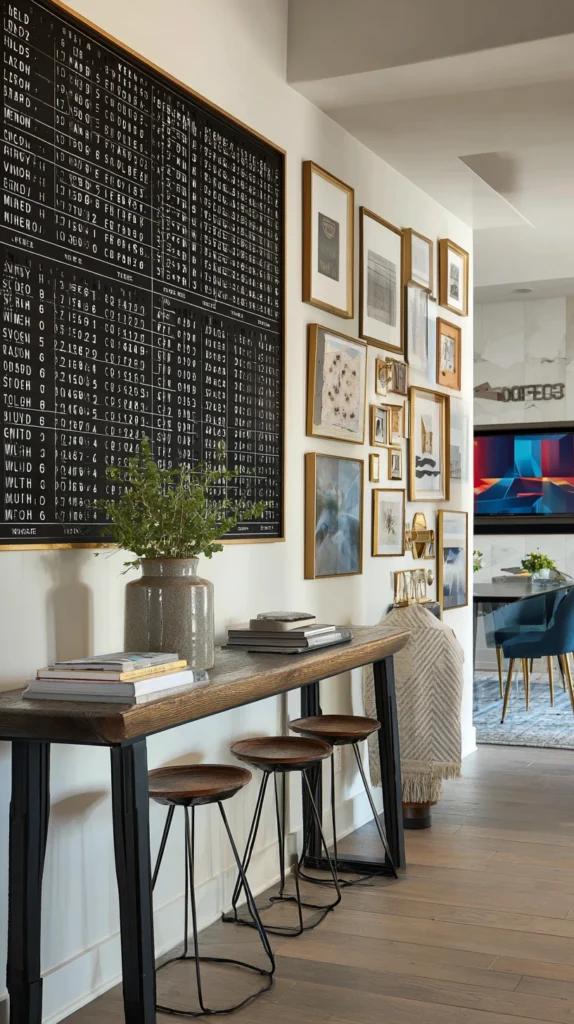
Install decorative chalkboards, letter boards, or digital displays, creating changeable messaging areas referencing stadium scoreboards while providing functional family communication centers.
Mount large chalkboards for menu planning, game schedules, or motivational quotes changing regularly, keeping displays current and interesting. Use vintage-style letter boards to create retro scoreboard aesthetics while displaying family announcements, dinner menus, or welcoming messages for guests. The interactive elements add functional features while the scoreboard reference ties back to stadium inspiration, creating cohesive thematic design.
Successfully incorporating stadium-inspired elements requires balancing bold statements with livability, ensuring dining rooms remain comfortable, intimate spaces rather than feeling like public arenas.
Choose one or two major stadium-inspired elements as focal points rather than attempting every idea simultaneously, preventing thematic overload. Personalize concepts incorporating family colors, meaningful numbers, or local team references, making the athletic inspiration personally relevant rather than generic sports decoration.
Most importantly, these bold accents should enhance rather than overwhelm, creating dining rooms with personality, presence, and the kind of championship-worthy style that makes every meal feel like a celebration worth gathering for.