
How to Paint Kitchen Cabinets: A Complete Practical Guide
Kitchen cabinet painting represents one of the most transformative home improvement projects, where strategic preparation, quality materials, and careful execution create dramatic aesthetic improvements rivaling expensive replacements at substantially lower costs.
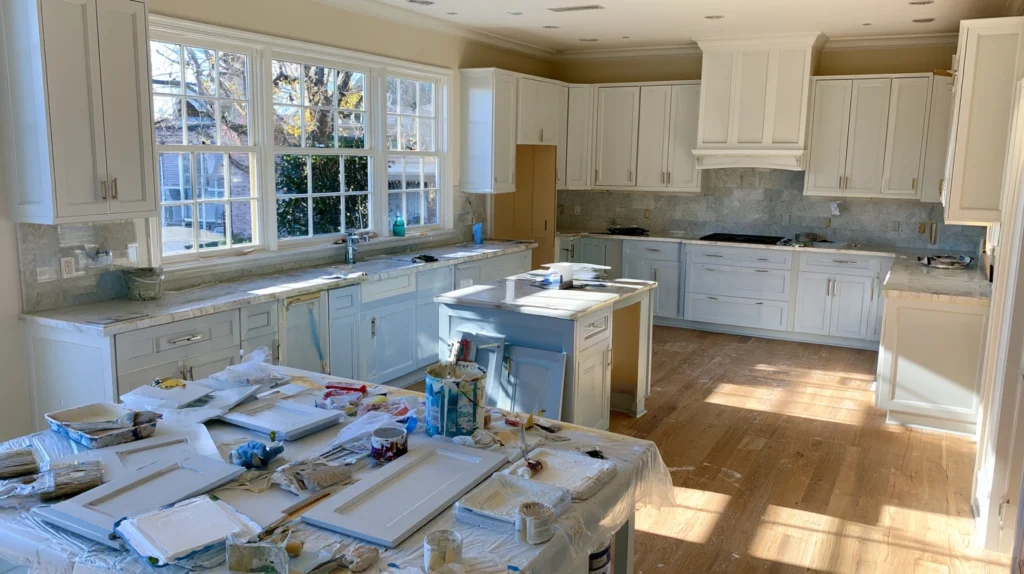
This accessible upgrade allows a complete kitchen character transformation through color change alone, making it achievable for homeowners prioritizing budget efficiency while maintaining professional designer results.
Understanding proper preparation techniques, appropriate paint selections, and execution strategies ensures cabinet painting delivers lasting, beautiful finishes rather than disappointing results requiring premature repainting. This comprehensive guide provides practical steps enabling successful cabinet painting, creating professional-quality results, and supporting kitchen improvement goals.
1. Assess Your Current Situation and Plan Accordingly
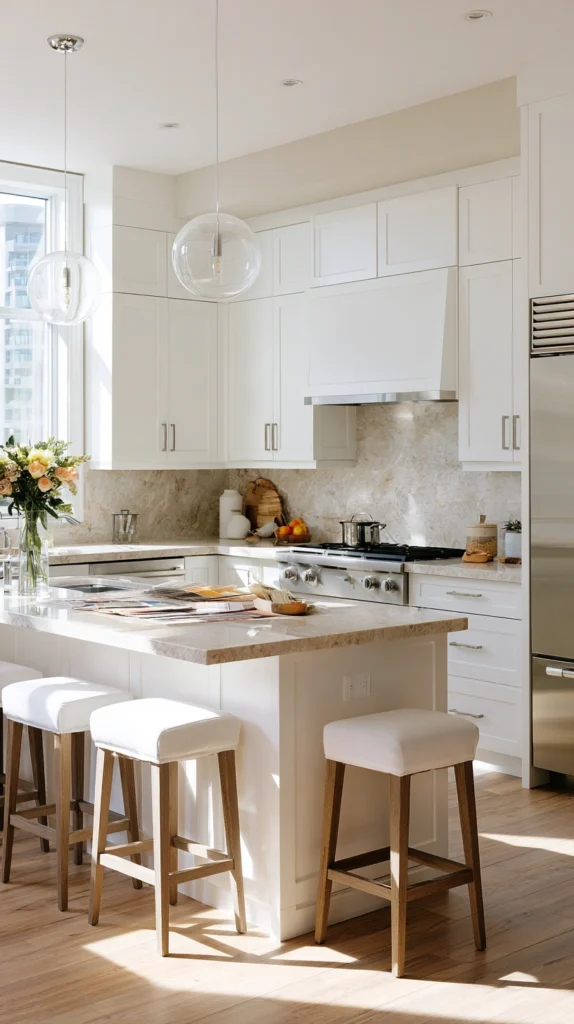
Begin cabinet painting by honestly evaluating existing conditions, determining what preparation your specific cabinets require. Examine finishes, identifying whether cabinets are painted or stained, assess surface condition, noting damage or heavy wear, and determine whether the existing finish adheres properly.
Run tape across surfaces, testing adhesion—if the finish peels easily, complete removal becomes necessary before repainting. Evaluate cabinet construction, noting whether particle board or solid wood requires different paint approaches. Take photographs documenting the existing state, establishing before-and-after comparison points.
Select appropriate colors considering kitchen lighting, existing appliances, and overall design direction. Paint small samples on cabinet doors, observing how colors appear throughout days under varied lighting conditions. Remember that kitchen cabinets represent substantial visible surfaces where color choice profoundly affects the entire space’s character, making a confident selection essential before committing to complete projects.
2. Gather Quality Materials and Tools
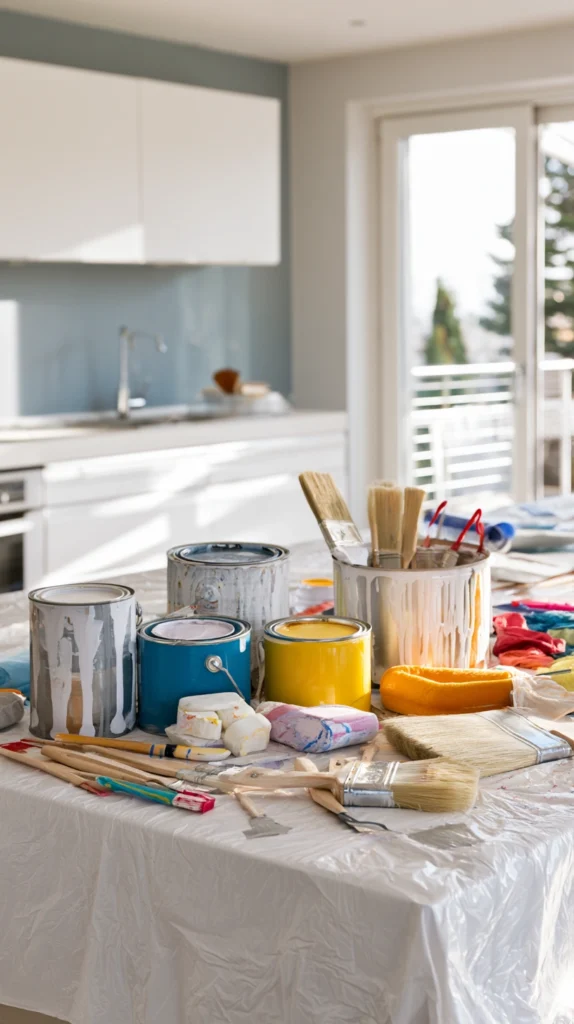
Success depends substantially on material quality, where premium paints and proper equipment produce professional results that cheap alternatives cannot deliver. Purchase high-quality cabinet paint specifically formulated for wood surfaces, selecting finishes appropriate for kitchens. Satin or semi-gloss finishes provide durability and cleanability superior to flat finishes in kitchen environments prone to splashing and grease.
Invest in quality brushes and foam rollers, enabling smooth application and preventing brush marks from marring finished surfaces. Gather essential supplies, including drop cloths protecting floors, painter’s tape for clean lines, sandpaper in varied grits progressing from coarse to fine, primer designed for cabinet surfaces, paint thinner or cleaner appropriate for your paint type, and cleaning supplies for surface preparation. Proper equipment enables professional results, justifying material investments.
3. Remove Cabinet Hardware and Protect Surrounding Areas
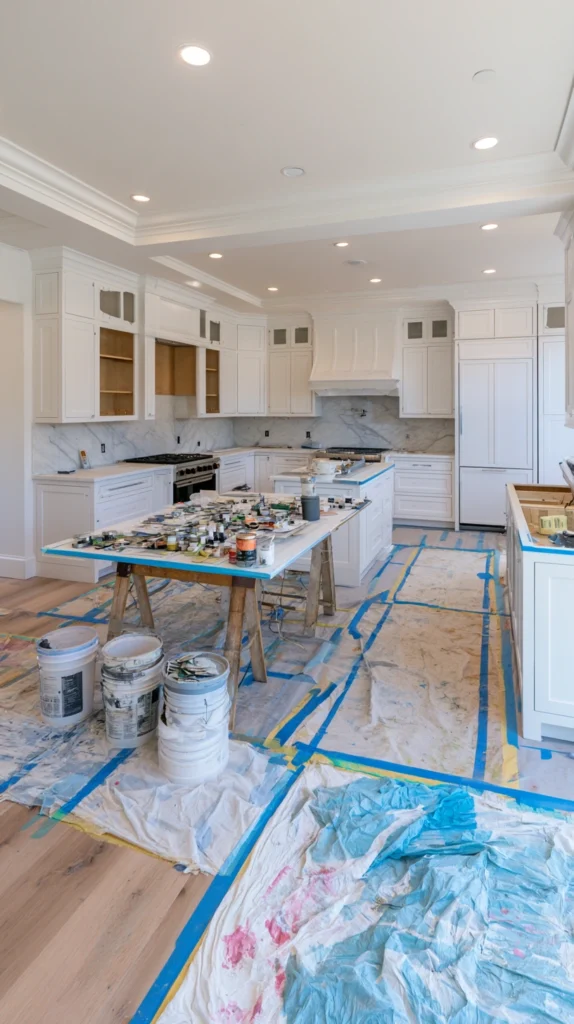
Prepare workspace by removing all hardware, including hinges, handles, and locks, storing carefully, ensuring reassembly capability. Photograph hardware placement before removal, preventing confusion during reassembly. Remove cabinet doors when possible, enabling easier painting and complete surface access impossible with doors attached.
Protect surrounding areas thoroughly, preventing paint splatter damage. Lay drop cloths covering the flooring and nearby surfaces, apply painter’s tape creating clean lines where cabinets meet walls or countertops, and remove or protect items stored inside cabinets. Thorough protection prevents cleanup headaches and protects surrounding finishes.
4. Clean Surfaces Thoroughly
Cabinet cleanliness determines paint adhesion and final finish quality, making thorough cleaning non-negotiable. Degrease all surfaces using appropriate cleaners, removing cooking residue, dust, and accumulated grime. Kitchen cabinets accumulate grease films that paint cannot penetrate, requiring complete removal to ensure proper adhesion.
Scrub surfaces with appropriate cleaners, allowing adequate drying before proceeding. Use degreasing solutions formulated for kitchen cleaning, rinse thoroughly, eliminating all cleaner residue, and allow complete drying before sanding. Inadequate cleaning remains the primary cause of paint failure, making this step critical despite its tedious nature.
5. Sand Surfaces Creating Paint Adhesion
Sanding creates a mechanical tooth allowing paint adhesion to existing finishes, making proper sanding technique essential for lasting results. Begin with medium-grit sandpaper (120-150 grit), removing gloss and surface irregularities, and progress to fine-grit paper (180-220 grit), creating smooth surfaces. Sand with wood grain direction when possible, preventing visible cross-grain scratches.
Pay particular attention to areas with chipping or peeling existing finish, sanding until smooth integration occurs. Don’t oversand, creating excessive wood exposure, instead focusing on removing gloss, providing adequate tooth for paint adhesion. Sand cabinet interiors if painting those surfaces, and sand door and drawer fronts, ensuring complete surface preparation.
6. Fill Gaps and Repair Damage
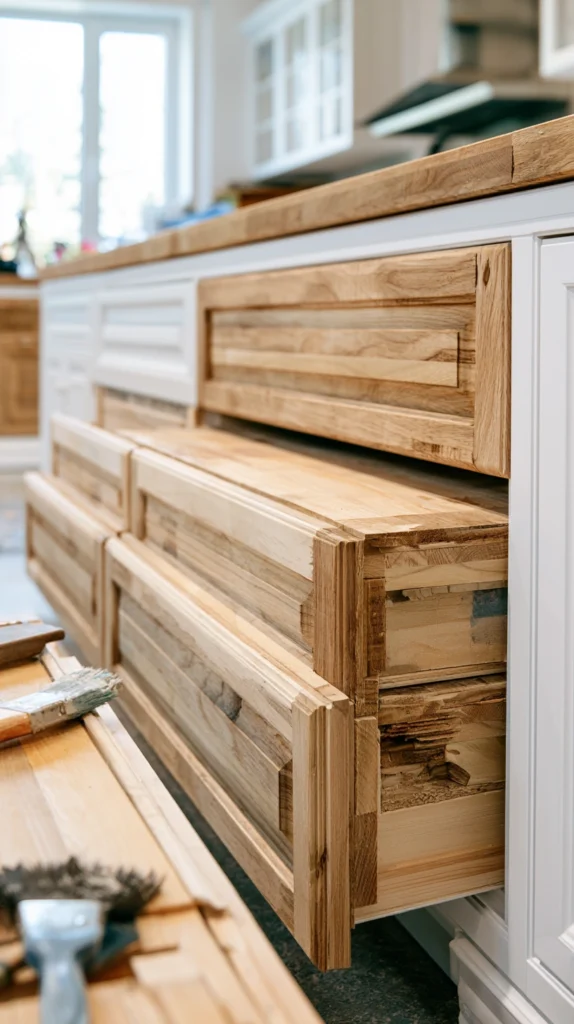
Address cabinet imperfections before painting, ensuring smooth professional results. Fill nail holes, small gaps, and surface damage using appropriate wood filler, applying slightly overfilled, allowing shrinkage during drying. Sand-filled areas are smooth, creating seamless integration with surrounding surfaces.
Repair any loose areas, tighten hinges, create proper door alignment, and address structural issues before painting. Painting covers imperfections temporarily but cannot address underlying problems, making adequate repair necessary to ensure lasting satisfaction.
7. Apply Primer When Necessary
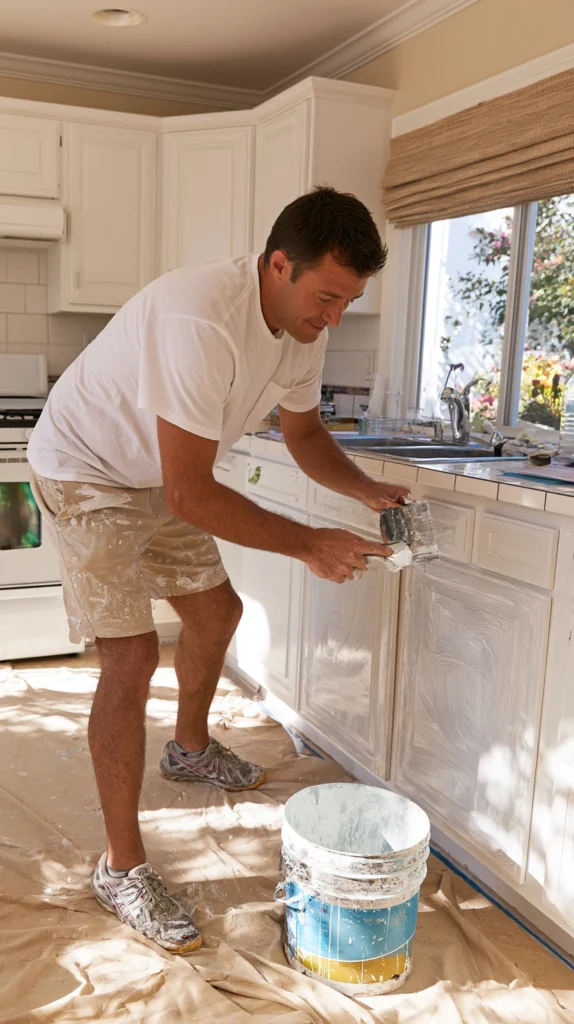
Prime surfaces when painting over dark finishes, stained wood, or significantly damaged areas, ensuring proper paint adhesion and color coverage. Use a cabinet-specific primer formulated for kitchen environments, providing excellent adhesion and stain-blocking properties, preventing existing colors from bleeding through new paint.
Apply primer following the paint manufacturer’s instructions regarding drying times and application techniques. Many homeowners skip priming on already-painted cabinets, saving time, though primer substantially improves adhesion and coverage, particularly on challenging surfaces. Evaluate your specific situation, determining whether the primer justifies additional time investment.
8. Paint with Proper Technique and Patience
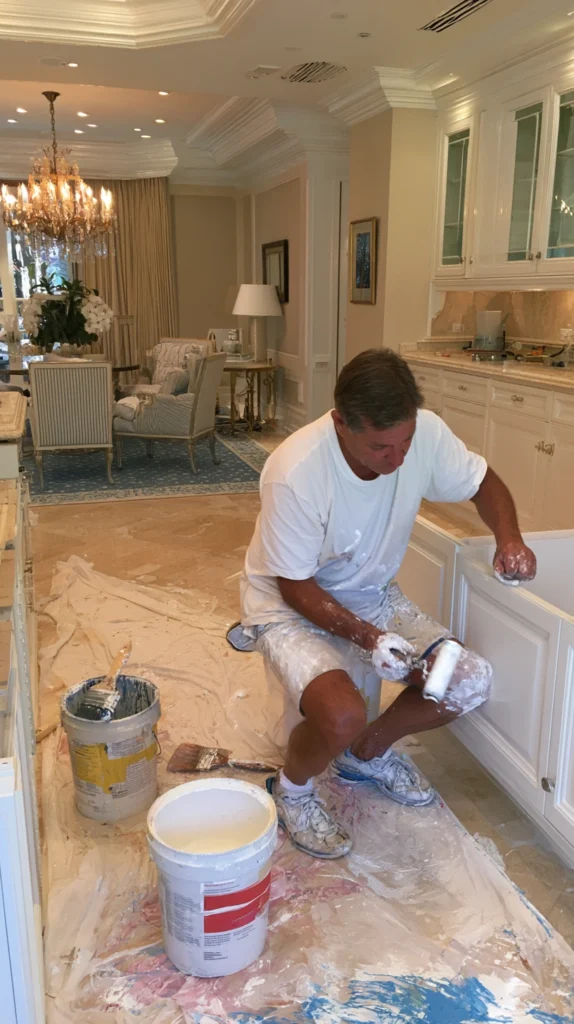
Apply paint using quality brushes for detail work and foam rollers for large flat surfaces, creating smooth finishes without brush marks. Use thin coats, allowing proper drying between applications rather than applying excessive paint, attempting to cover in single coats. Multiple thin coats produce superior results to fewer heavy coats prone to drips and uneven coverage.
Paint horizontal surfaces last, preventing dust settling on wet finishes. Allow adequate drying between coats following paint manufacturer specifications—typically four to six hours between coats, depending on paint type and humidity. Resist the temptation to apply additional coats before proper drying, creating sticky surfaces prone to damage.
Apply a minimum of two coats for adequate coverage, ensuring uniform color and protection. Consider third coats on high-traffic areas, providing additional durability against wear. Allow complete curing—typically several days—before reinstalling hardware or resuming normal use.
9. Reassemble and Cure Properly
Once the paint is completely cured, reinstall the hardware and cabinet doors using the original hardware or upgraded replacements. Align doors carefully, ensuring proper closure and even spacing between adjacent doors. Test operation confirming smooth function before declaring the project complete.
Avoid placing items inside cabinets or using them heavily for several days, allowing the paint to completely cure. Full hardness requires extended time beyond surface dryness, with most cabinet paints requiring one to two weeks before maximum hardness and chemical resistance develop.
10. Maintain Results Through Proper Care
Preserve painted cabinet finishes through appropriate maintenance using non-abrasive cleaners and soft cloths, preventing damage to fresh paint. Avoid excessive moisture and harsh chemicals that compromise paint durability. Clean spills promptly, preventing staining or finish damage.
Successfully painted kitchen cabinets provide lasting dramatic transformations, proving that this accessible upgrade delivers professional results, justifying effort and investment through years of enhanced kitchen character and functionality.