15 Chaos Garden Ideas That Embrace Beautiful Disorder
Chaos gardens represent an intentional design philosophy where controlled wildness, abundant self-seeding, dense layered plantings, and rejection of rigid formality create dynamic, ever-changing landscapes that feel alive, spontaneous, and refreshingly liberated from conventional garden constraints.
This approach celebrates nature’s inherent tendency toward glorious profusion rather than fighting against it through constant maintenance, allowing plants to seed freely, intermingle naturally, and create the kind of happy accidents that rigid planning cannot anticipate or replicate.
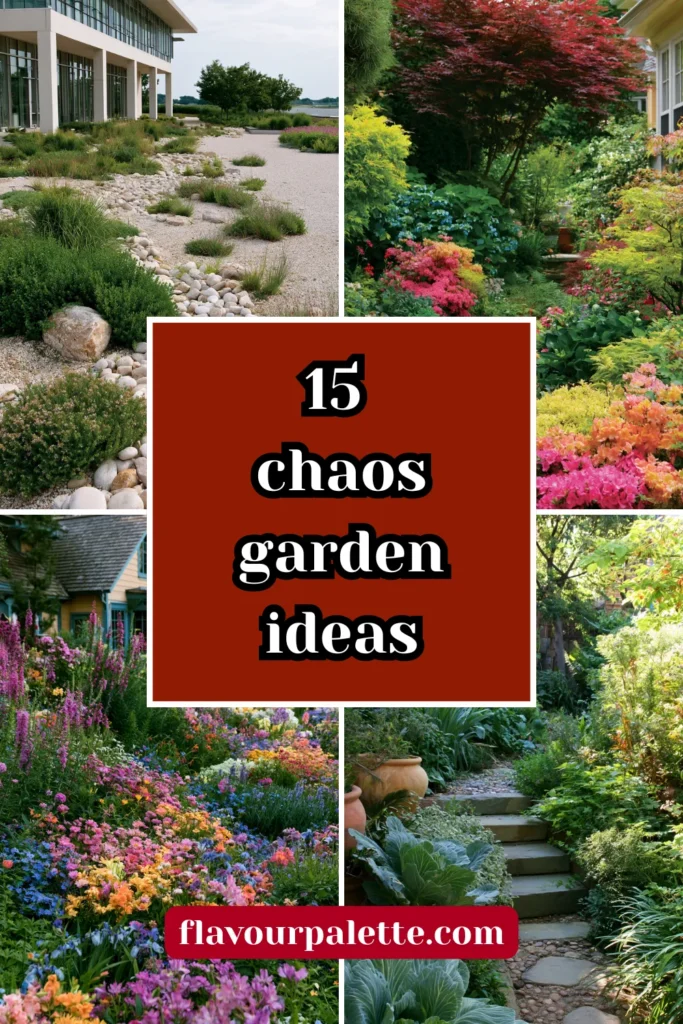
Strategic chaos garden development, incorporating tough resilient plants, understanding which volunteers to encourage versus remove, and establishing just enough structure to prevent genuine disorder while allowing abundant freedom, creates gardens that evolve continuously, delivering new surprises each season.
Understanding the distinction between thoughtful chaos and actual neglect, knowing which plants seed prolifically without becoming invasive nightmares, and accepting that these gardens require different rather than less maintenance ensures chaos gardens succeed as designed aesthetic choices rather than abandoned failures.
These fifteen chaos garden ideas demonstrate diverse approaches from cottage garden abundance to meadow naturalism, each proving that beautiful controlled disorder creates more interesting dynamic gardens than rigid formality ever could achieve.
1. Self-Seeding Cottage Profusion
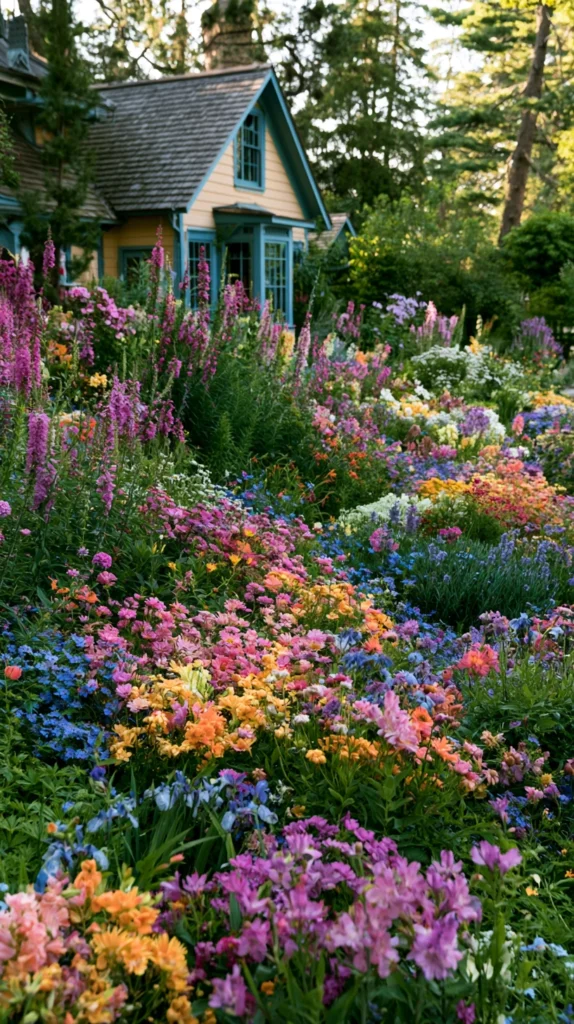
Encourage prolific self-seeders, including foxgloves, nigella, verbena, or calendula, establishing gardens that replant themselves annually, creating abundant ever-changing displays without purchasing new plants each season.
Plant initial specimens, allowing them to set seed and disperse naturally, thin excessive seedlings while leaving adequate populations, and allow plants to appear in unexpected locations, creating the kind of spontaneous combinations planning cannot achieve.
The self-seeding creates abundant plantings at minimal cost, while the volunteers often choose ideal growing locations better than human placement. Edit ruthlessly, removing seedlings in truly problematic locations while encouraging those creating happy accidents.
2. Layered Height Diversity
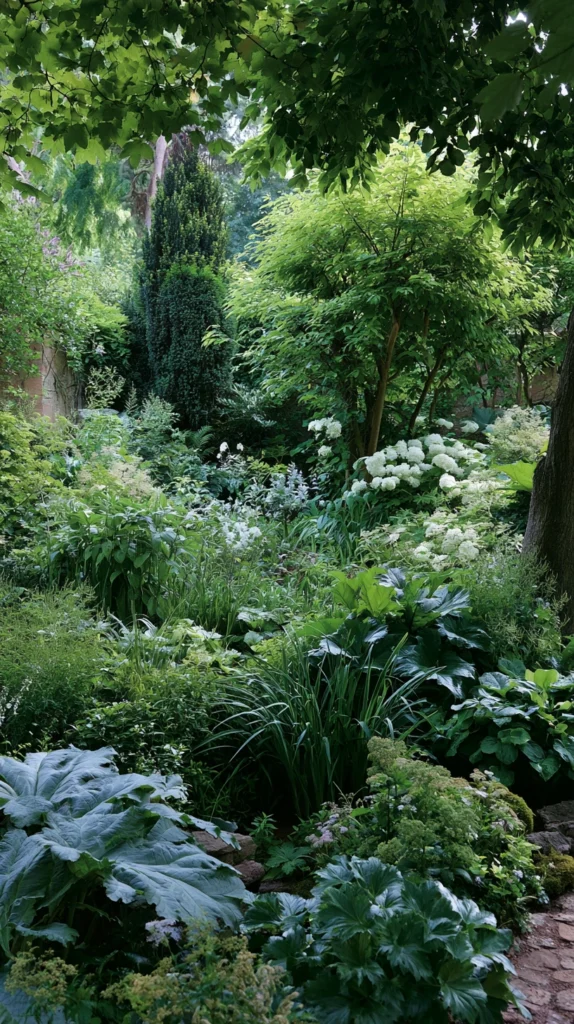
Design plantings without rigid height hierarchies, allowing tall specimens to appear at front edges, low groundcovers to emerge among tall plants, and the kind of vertical mixing that creates complex layered environments rather than predictable stepped arrangements.
Plant without the traditional “tall in back, short in front” rule, allowing plants to intermingle at varied heights, embrace tall see-through plants like verbena or fennel that allow glimpses of plantings behind, and allow seedlings to establish wherever they emerge, creating natural rather than contrived arrangements. The layered complexity adds visual richness while the varied heights create the kind of dimensional interest that uniform height gradients cannot provide.
3. Volunteer-Friendly Mulching
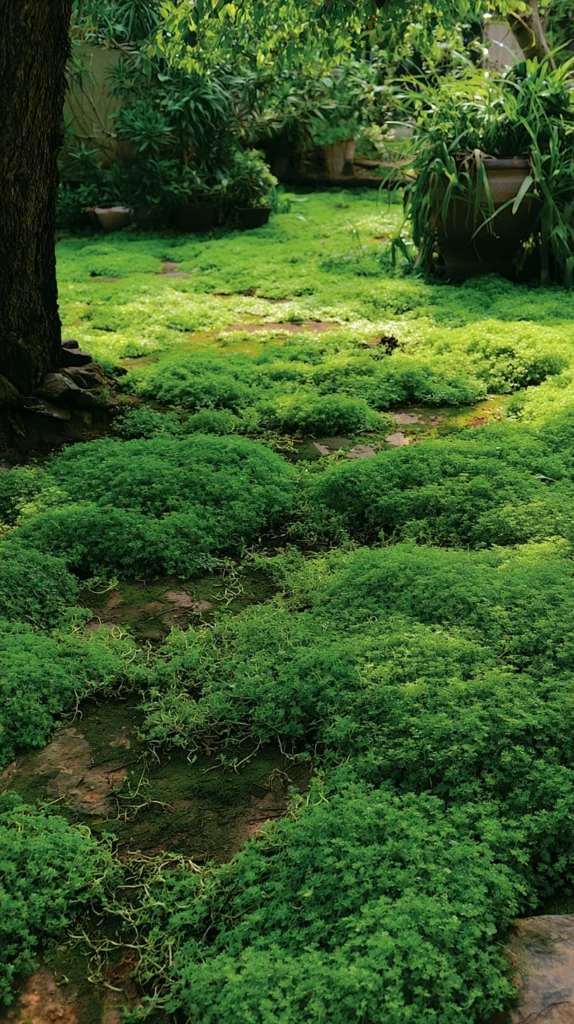
Maintain bare soil areas or use minimal mulch, allowing self-seeding plants adequate germination sites rather than thick mulch layers that prevent volunteer establishment, creating perpetually static rather than evolving plantings. Apply mulch sparingly, leaving bare soil patches. Use fine-textured mulch that doesn’t suppress small seedlings, and pull back mulch in areas where volunteers are desired.
The reduced mulch allows volunteers while accepting the trade-off of more visible soil and potentially more weeding. The evolving plant populations justify the aesthetic compromise, while the volunteer establishment reduces plant purchasing and planting labor.
4. Mixed Annual and Perennial Chaos
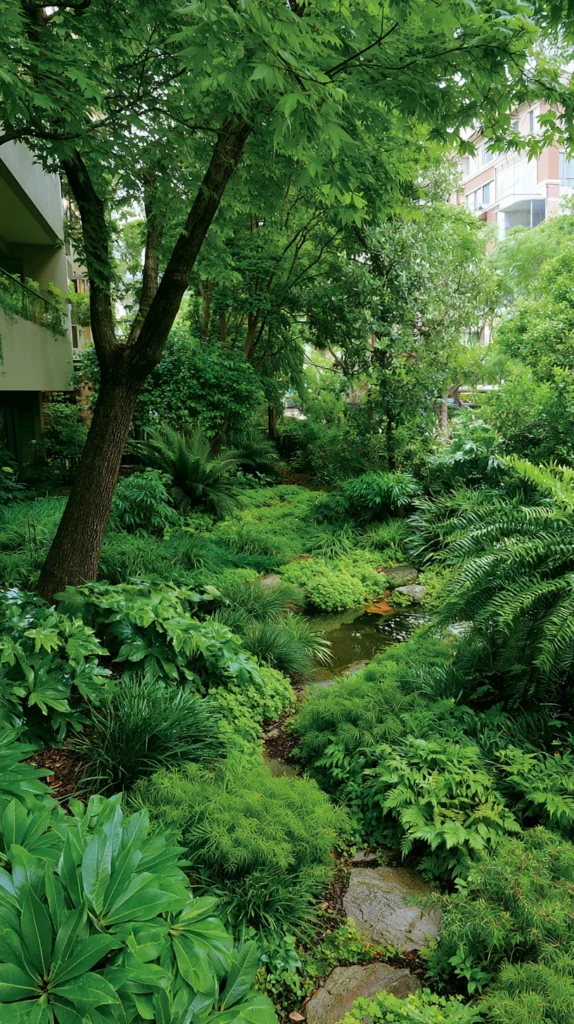
Combine perennials providing permanent structure with abundant annual self-seeders, creating gardens that maintain some consistency through perennial bones while annual volunteers ensure continuous change and surprise. Establish a perennial framework using plants like ornamental grasses, hardy geraniums, or nepeta, providing reliable structure, then introduce annual self-seeders filling gaps and creating seasonal variety.
The perennials prevent complete chaos, maintaining some predictability, while annuals provide the spontaneous change that makes chaos gardens exciting. Choose annuals that self-seed reliably in your climate, ensuring continuous populations without annual purchasing.
5. Naturalistic Meadow Planting
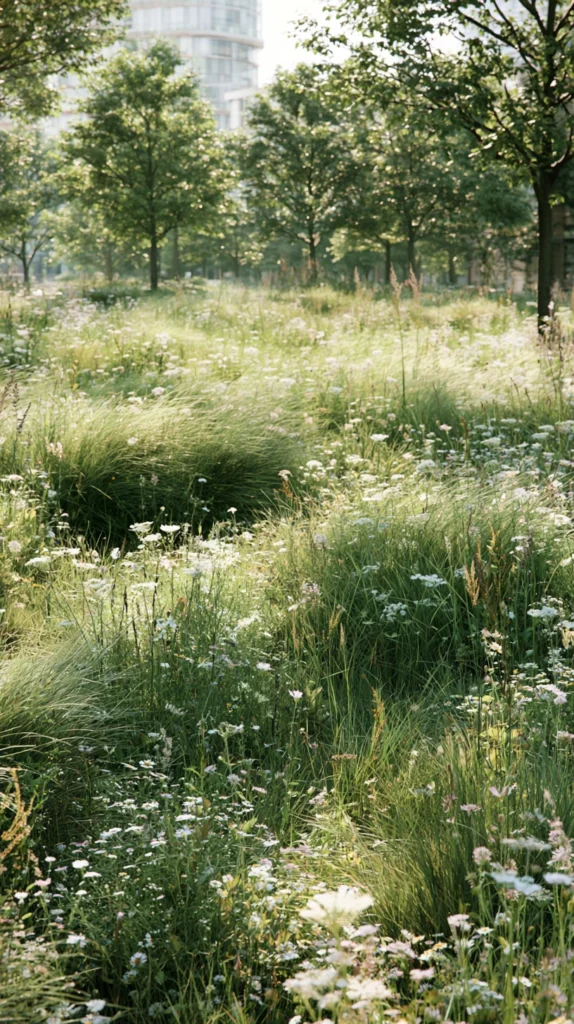
Create grassland-inspired plantings using native grasses and wildflowers, establishing low-maintenance gardens that evolve naturally while supporting native pollinators and wildlife, demonstrating ecological chaos gardens’ environmental benefits. Plant diverse native species in naturalistic drifts, allow plants to seed and spread naturally, and mow once or twice annually rather than maintaining weekly as lawns.
The meadow approach reduces maintenance while increasing biodiversity, creating living ecosystems rather than ornamental displays. Accept that meadows look “messy” to conventional sensibilities while appreciating their wild natural beauty and ecological value.
6. Edible Chaos Integration
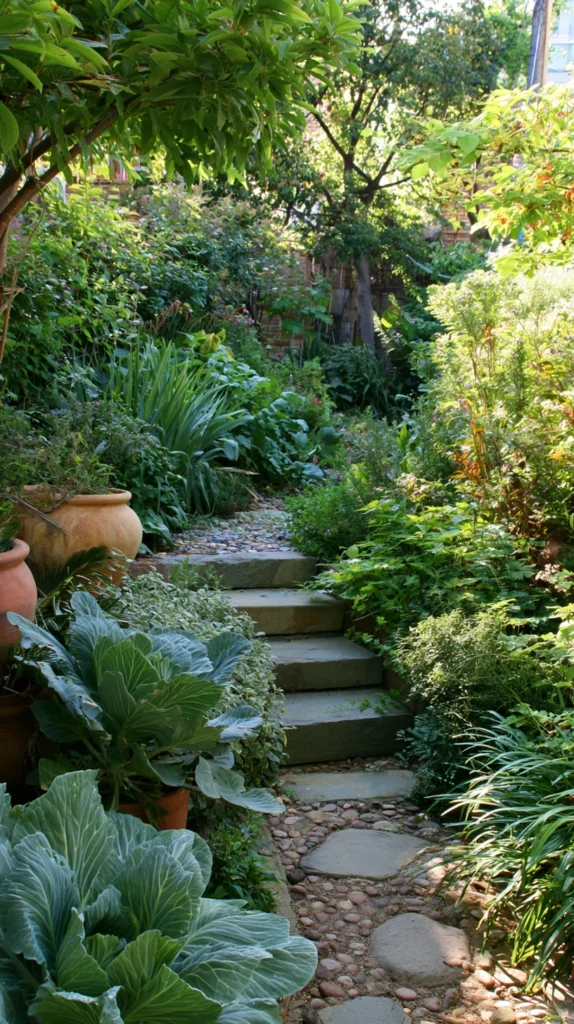
Incorporate edible plants, including herbs, vegetables, or fruit, allowing them to self-seed and intermingle with ornamentals, creating productive, beautiful gardens where food production and aesthetics coexist without separate designated zones. Allow herbs like dill, cilantro, or bronze fennel to self-seed throughout beds, let salad greens or arugula volunteer in gaps, and embrace edible flowers, including calendula or nasturtiums seeding freely.
The integrated approach creates gardens serving multiple purposes while the edibles add unexpected productivity. Harvest regularly preventing excessive competition while the food production adds practical benefits beyond aesthetics alone.
7. Pathway Invasion Acceptance
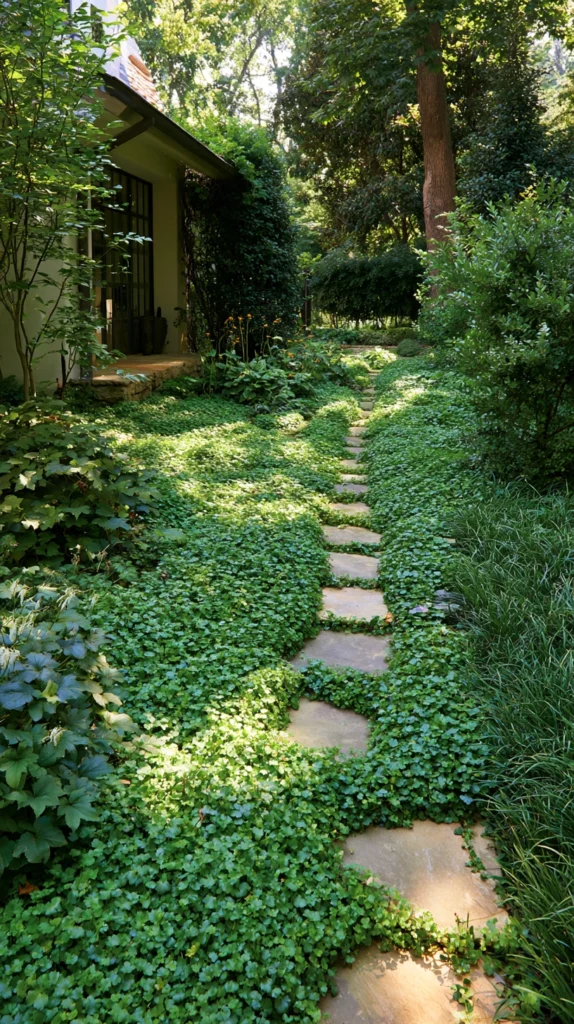
Allow plants to spill onto pathways, seed into gravel walks, or soften hard edges creating the kind of blurred boundaries between circulation and planting beds that makes gardens feel lush and abundant rather than rigidly contained.
Let low-growing plants including thyme, alyssum, or violas colonize pathway edges, accept some plants obscuring pathway borders, and simply trim back when overgrowth genuinely impedes navigation. The softened edges create romantic abundance while the self-sown path plants add unexpected beauty. Maintain enough pathway clarity for safe comfortable walking while accepting some plantings encroachment.
8. Gravel Garden Spontaneity
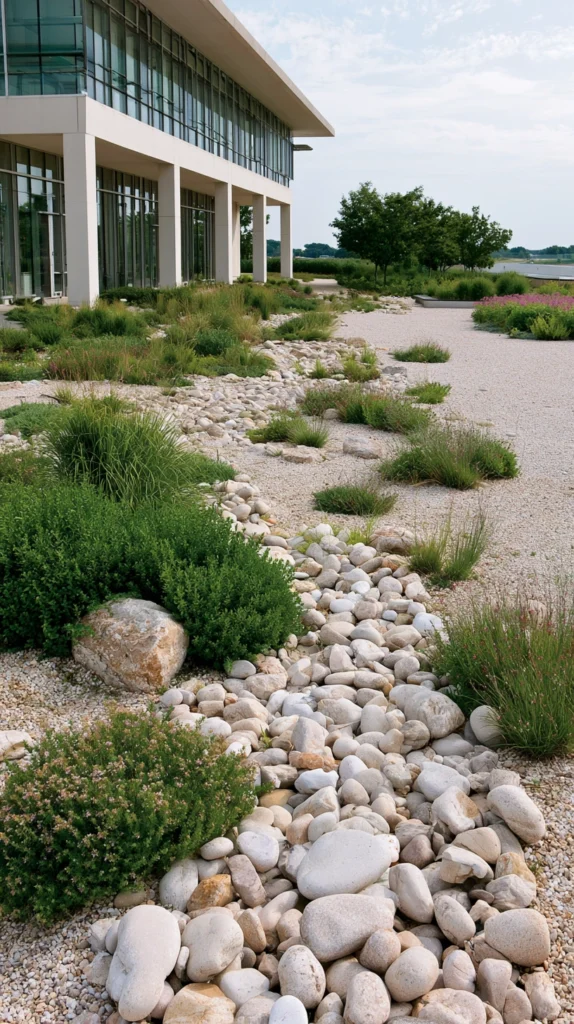
Create gardens using gravel mulch providing ideal germination surfaces for countless self-seeders establishing spontaneous plantings throughout gravel expanses where plants appear seemingly at random creating natural-looking compositions. Spread gravel over weed-free soil, plant initial specimens, and allow them to self-seed throughout gravel which provides excellent drainage and germination conditions.
The gravel allows volunteers while suppressing many weeds creating relatively low-maintenance chaos. Remove unwanted volunteers while encouraging desirable seedlings creating curated rather than genuine chaos. The gravel background provides neutral canvas where volunteer colors and forms display beautifully.
9. Dead Plant Retention Strategy

Leave dead plant material standing through winter rather than cutting back in fall allowing seed dispersal, providing winter interest, and offering wildlife habitat while accepting that tidy gardeners may find this approach uncomfortable.
Allow perennials to stand after frost providing winter structure, let seed heads remain feeding birds and dispersing seed, and delay spring cleanup until new growth emerges. The standing material provides winter beauty while the delayed cleanup allows complete seed dispersal and creates important wildlife habitat. Accept that some neighbors may perceive standing dead plants as neglect rather than intentional design.
10. Minimal Intervention Philosophy
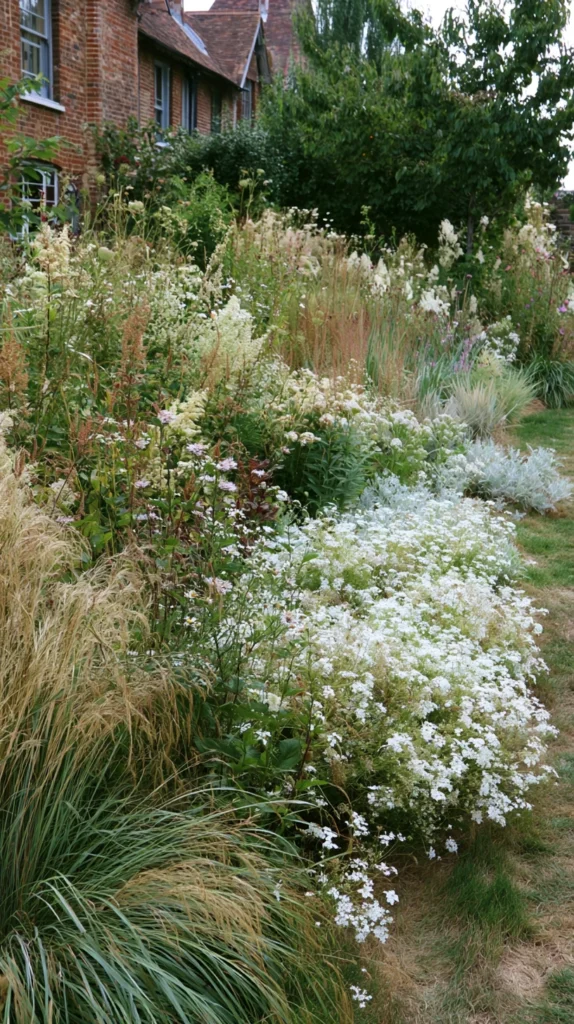
Adopt hands-off maintenance approaches intervening only when necessary, rather than constantly pruning, staking, deadheading, or tidying, allowing plants’ natural growth habits and seasonal cycles to display fully. Avoid routine deadheading, allowing seed set, skip staking, letting plants assume natural forms even if they flop, and resist the urge to constantly tidy and perfect.
The minimal intervention allows plants to behave naturally while reducing maintenance labor significantly. Accept that some plants may perform differently than in highly maintained gardens while appreciating their authentic natural forms and behaviors.
11. Pollinator Magnet Abundance
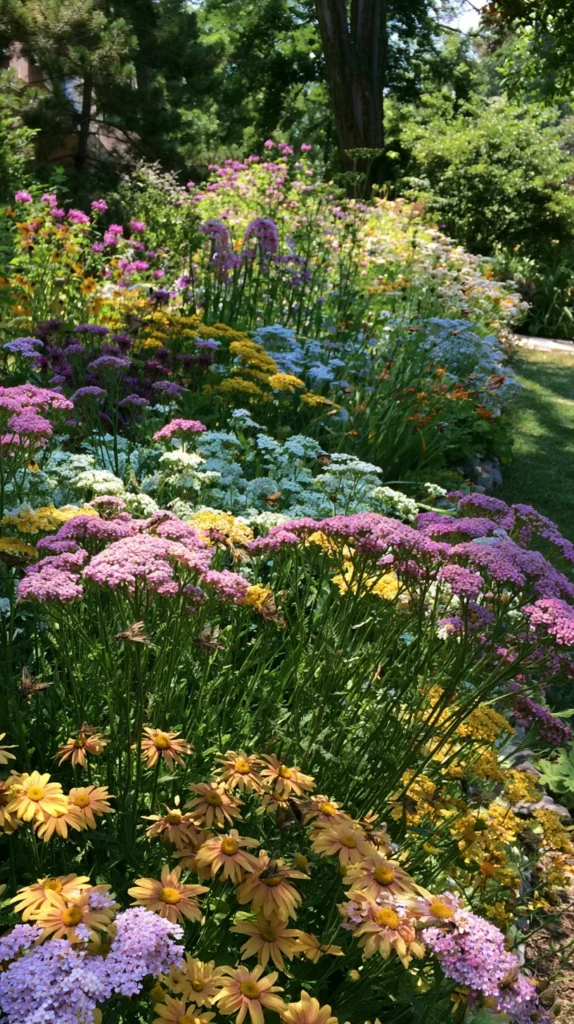
Prioritize plants attracting bees, butterflies, and beneficial insects creating gardens that buzz with life and activity demonstrating chaos gardens’ ecological benefits beyond mere aesthetics. Choose nectar-rich flowers including echinaceas, salvias, or zinnias, allow plants to bloom and set seed providing continued resources, and avoid pesticides that would harm beneficial insects.
The pollinator focus creates living ecosystems while the insect activity adds movement and life. The productive gardens support broader ecological health while their visual beauty attracts human visitors as readily as insect pollinators.
12. Color Chaos Acceptance
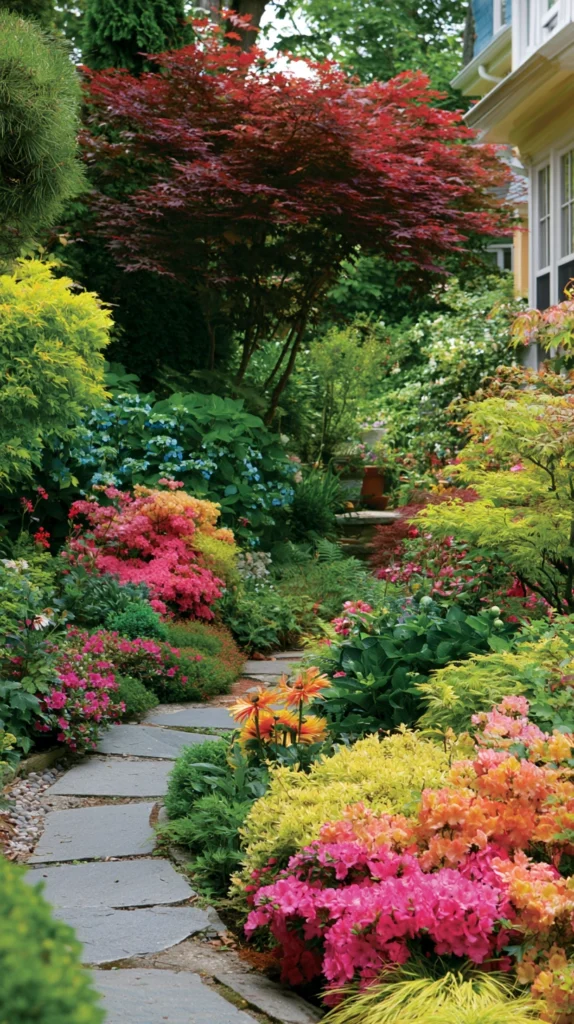
Embrace unpredictable color combinations that emerge from random self-seeding rather than controlling palettes through careful plant selection and color-coordinated planning creating gardens with surprising unexpected color moments.
Allow plants in varied colors to intermingle accepting combinations you might never deliberately create, appreciate unexpected pairings that work beautifully despite conflicting with color theory, and resist the urge to remove plants solely because their colors don’t “match.” The liberated color approach creates vibrant energy while the unexpected combinations often prove more interesting than carefully coordinated schemes.
13. Structural Plant Framework
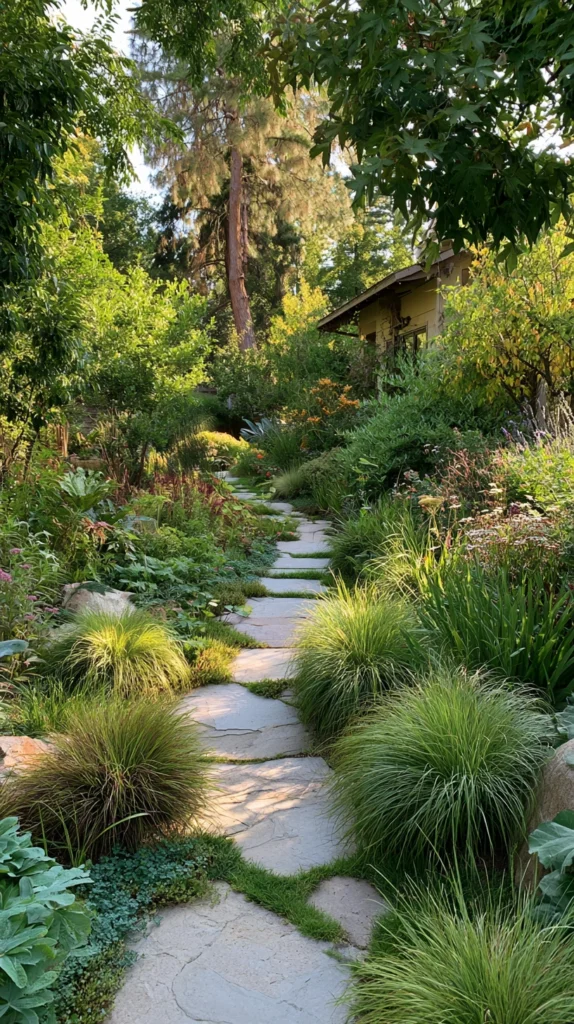
Establish permanent structure through evergreen shrubs, ornamental grasses, or small trees preventing complete chaos while their consistent presence provides visual anchors within abundant changing plantings around them.
Plant boxwood, yew, or other evergreens creating year-round structure, include ornamental grasses providing textural consistency, and add small trees or large shrubs establishing scale and presence.
The structural elements prevent chaos from becoming visual overwhelm while their permanence ensures gardens maintain some consistency despite abundant volunteer change. The framework provides necessary organization preventing the descent from intentional chaos into genuine disorder.
14. Beneficial Weed Tolerance

Redefine “weeds” accepting that some self-sown volunteers dismissed as undesirable might provide beauty, ecological value, or practical benefits deserving retention despite their non-cultivated origins.
Allow native wildflowers that appear spontaneously to remain if attractive and well-behaved, tolerate “weeds” that feed pollinators or beneficial insects, and question whether every volunteer requires removal simply because it wasn’t deliberately planted.
The expanded tolerance creates more diverse plantings while the included natives often support local ecosystems better than exotic ornamentals. Distinguish between genuinely problematic invasives requiring removal versus harmless or beneficial volunteers deserving retention.
15. Seasonal Evolution Documentation

Photograph chaos gardens regularly documenting their continuous evolution understanding that these gardens never look the same twice creating living narratives that unfold across seasons and years rather than static compositions remaining unchanged. Take regular photos capturing seasonal changes, note which volunteers appear where creating unexpected combinations, and maintain journals documenting the garden’s evolution.
The documentation helps track which self-seeders work well versus which become problematic while the photos create valuable records of successful combinations that might not repeat. The evolving documentation demonstrates chaos gardens’ dynamic nature while the records inform future management decisions.
Successfully creating chaos gardens requires accepting that these approaches demand different aesthetic sensibilities than conventional gardens, understanding that beauty lies in profusion and spontaneity rather than order and control, and developing tolerance for “messiness” that traditional gardeners might find uncomfortable.
Edit thoughtfully removing genuinely problematic volunteers while encouraging those creating happy accidents, maintaining the distinction between intentional chaos and actual neglect that undermines gardens’ health and beauty.
Choose appropriate plants understanding that some self-seeders become invasive nightmares requiring constant removal while others provide perfect chaos garden material seeding abundantly without becoming uncontrollable.
Research plants thoroughly before introduction since removing established self-seeders proves far more difficult than preventing their initial establishment. Accept that chaos gardens require ongoing curation rather than being truly maintenance-free despite their apparently casual appearances.
Most importantly, develop confidence in this unconventional approach understanding that chaos gardens represent legitimate design philosophy rather than gardening failure, proving that controlled disorder creates more interesting dynamic beautiful spaces than rigid formality, while the reduced maintenance and increased ecological value provide practical benefits beyond aesthetics, demonstrating that sometimes the most beautiful gardens are those we allow rather than force into being.