14 Backyard Garden Corner Ideas That Transform Empty Spaces
Backyard corners represent underutilized areas where boundary intersections create awkward angular spaces that homeowners often neglect, despite these locations offering unique design opportunities for creating focal points, intimate retreats, or functional garden features.
These challenging spaces benefit from their defined boundaries providing natural enclosure, their typically modest square footage making transformation financially accessible, and their position offering both privacy and visibility, creating dual-purpose areas serving as destinations and visual terminations.
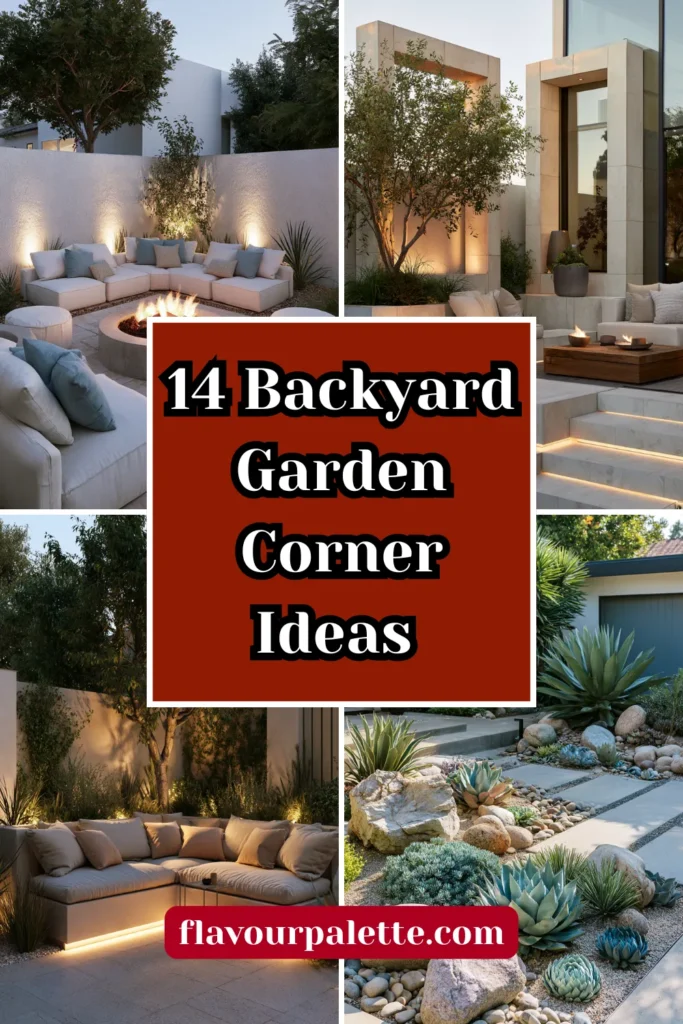
Strategic corner design incorporating appropriate scale plantings, complementary hardscape features, and thoughtful purpose assignment transforms forgotten areas into valuable garden assets that enhance overall landscape quality while maximizing limited yard space.
Understanding how to work with rather than against angular geometry, capitalize on corner enclosure creating intimate spaces, and select features appropriate for specific light conditions and access constraints ensures corner transformations deliver genuine functional and aesthetic value.
These fourteen backyard garden corner ideas demonstrate practical transformation approaches from relaxation retreats through productive gardens, each proving that thoughtful corner design creates disproportionate impact relative to their modest size, making these projects ideal for homeowners wanting maximum transformation through focused efforts.
1. Cozy Seating Nook Retreat
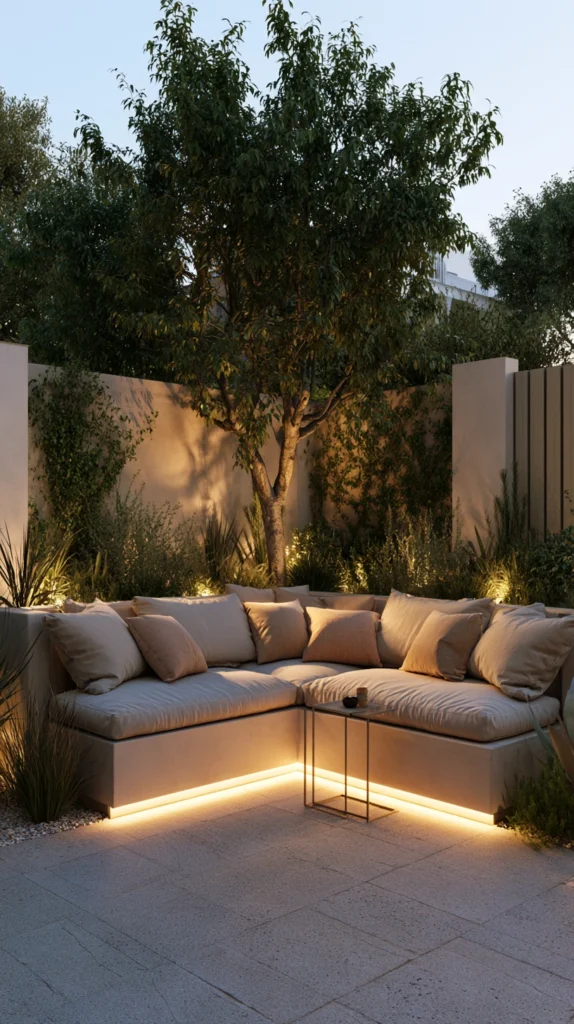
Transform corners into intimate seating areas where built-in benches, comfortable chairs, or small bistro sets create private retreats for morning coffee, reading, or quiet contemplation, separated from main entertaining areas. Build L-shaped built-in benches maximizing corner seating capacity, add weather-resistant cushions providing comfort and color, and include small side tables for beverage and book placement.
The enclosed corner position creates natural privacy and protection, while the intimate scale encourages actual use rather than remaining decorative but unused. Surround seating with fragrant plantings or privacy screening, enhancing seclusion, while overhead shade from trees or simple structures ensures comfortable daytime occupation. The dedicated retreat space provides valuable refuge from busy household activity, while the corner positioning makes efficient use of otherwise wasted space.
2. Vertical Garden Wall Display
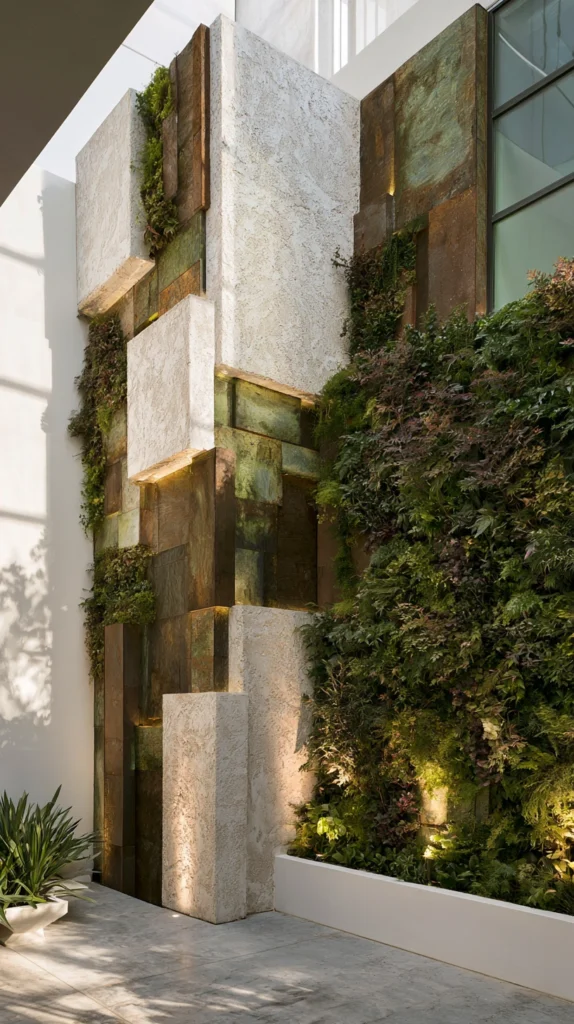
Maximize limited corner footprints through vertical gardening where wall-mounted planters, trellises, or living wall systems create substantial planting capacity without consuming valuable ground space while adding dramatic visual impact.
Install modular vertical planting systems, mount individual planters at varied heights, creating dimensional interest, or build simple trellis structures supporting climbing plants. The vertical approach provides extensive planting area within minimal footprints, while the upward growth draws eyes, creating perceived height and garden depth.
Choose trailing plants creating cascading effects, climbing varieties covering structures naturally, or varied foliage plants creating living tapestries. The vertical strategy works particularly well in small yards where ground-level planting space is limited, while the corner position allows viewing from multiple angles, revealing vertical garden complexity.
3. Water Feature Focal Point
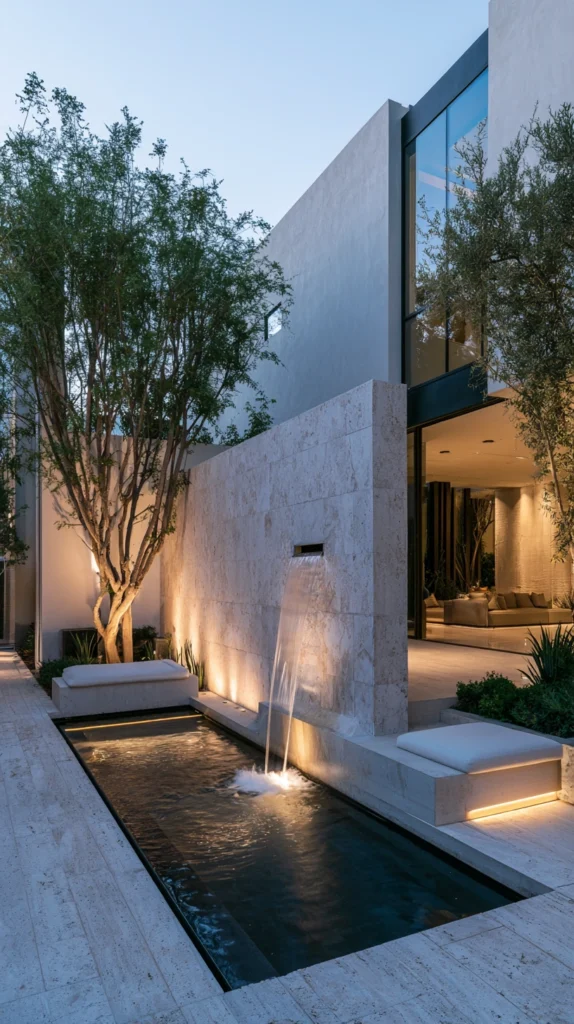
Create calming sensory experiences through corner water features where fountains, small ponds, or water walls provide soothing sounds, movement, and the kind of peaceful atmosphere that makes corners genuine garden destinations. Install self-contained fountains requiring no plumbing infrastructure, build small lined ponds with recirculating pumps, or mount wall fountains utilizing vertical surfaces.
The water element adds auditory interest, masking neighborhood noise, while the movement creates dynamic focal points visible from multiple vantage points.
The corner position provides stability and a backdrop for water features, while the enclosed space helps contain sound, directing it throughout gardens. Surround water features with moisture-loving plants, creating cohesive wetland-inspired plantings, while the combination of water and lush vegetation creates oasis-like retreats.
4. Productive Raised Bed Gardens
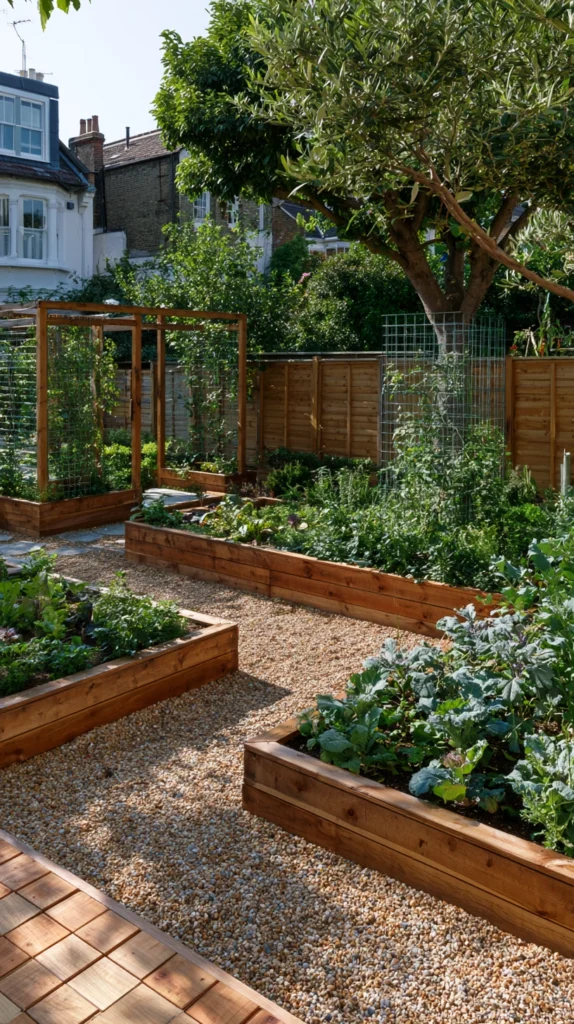
Utilize sunny corners for productive vegetable gardens where raised beds create accessible growing spaces, improved drainage, and the kind of organized intensive cultivation that maximizes limited space for food production. Build L-shaped or two-sided raised beds conforming to corner geometry, fill with quality soil ensuring optimal growing conditions, and plant using intensive spacing maximizing productivity.
The corner position provides shelter from wind while often receiving good sun exposure, ideal for vegetable cultivation. The raised construction improves drainage and soil warming, encouraging earlier spring planting, while the contained beds create organized, attractive vegetable gardens integrated into ornamental landscapes. Include vertical growing supports for climbing vegetables, maximizing three-dimensional space utilization, while the corner backing provides natural trellis mounting locations.
5. Fire Pit Gathering Area
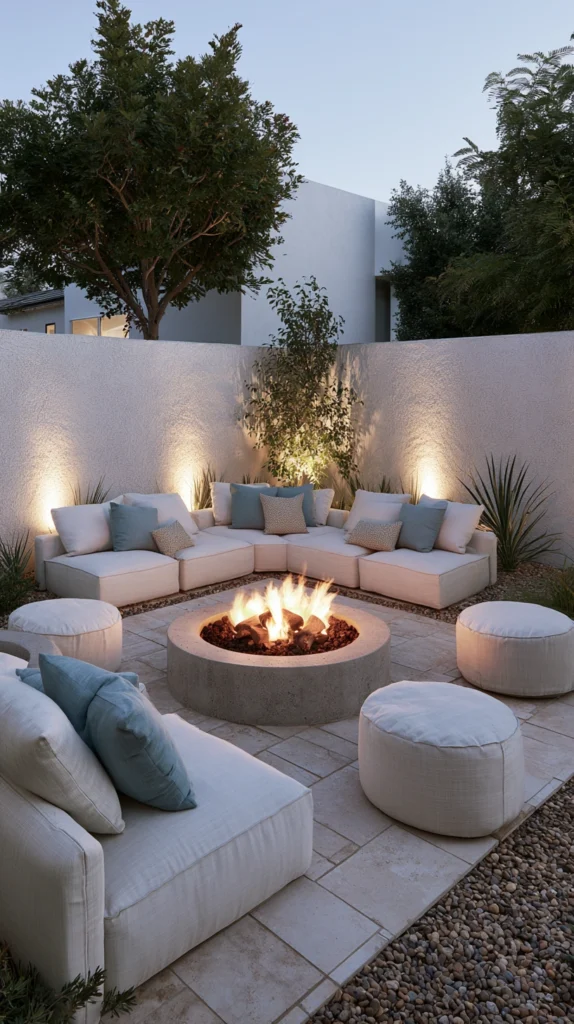
Design corner fire pits creating evening gathering spaces where flames provide warmth, ambiance, and the kind of focal gathering point that encourages outdoor living extending beyond daylight hours.
Build permanent fire pits using stone or brick conforming to corner angles, install prefabricated fire rings positioned appropriately for seating arrangement, and ensure adequate clearance from structures and overhanging vegetation. The corner position provides a natural seating arrangement with fire accessible from the front, while the backing boundaries create wind protection and an intimate enclosure.
Surround with appropriate seating, including built-in stone benches, movable chairs, or log sections, creating flexible gathering capacity. The fire feature extends outdoor season use while the corner positioning makes efficient use of space, creating destination areas that activate previously unused corners.
6. Meditation Garden Sanctuary
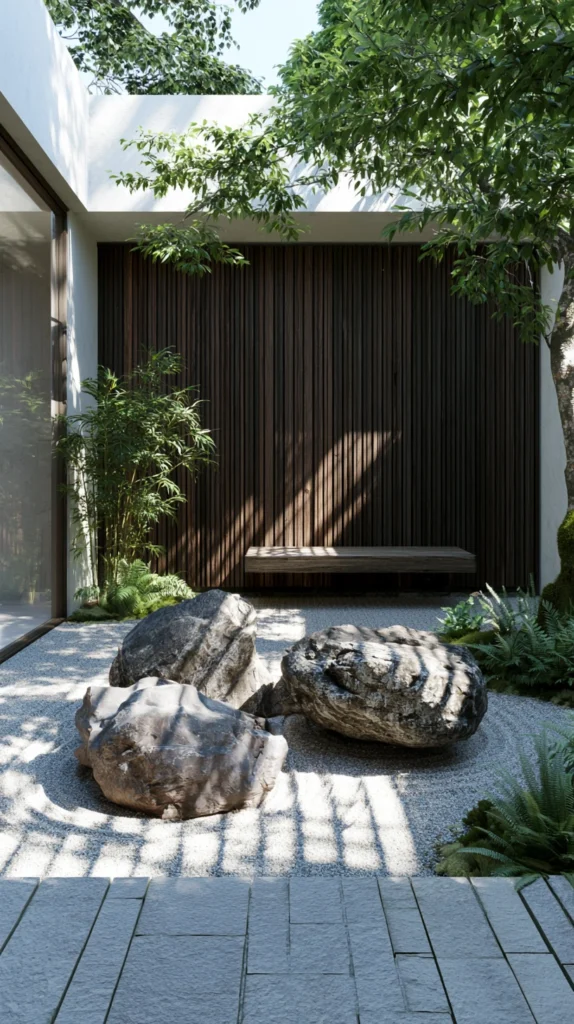
Establish peaceful contemplative corners through meditation gardens featuring minimal plantings, simple stone arrangements, and the kind of restrained design supporting quiet reflection and mindfulness practice. Create raked gravel areas suggesting Japanese zen gardens, position significant stones creating meditation focus objects, and include simple seating like stone benches or weathered stumps.
The minimalist approach creates calm, uncluttered spaces supporting contemplation, while the corner positioning provides natural enclosure and separation from active garden areas. Include aromatic plantings like lavender or jasmine engaging multiple senses, while the restrained planting palette maintains visual simplicity. The dedicated meditation space legitimizes mindfulness practice, providing an appropriate, supportive environment, while the corner location offers privacy and quiet.
7. Potting Station Functional Workspace
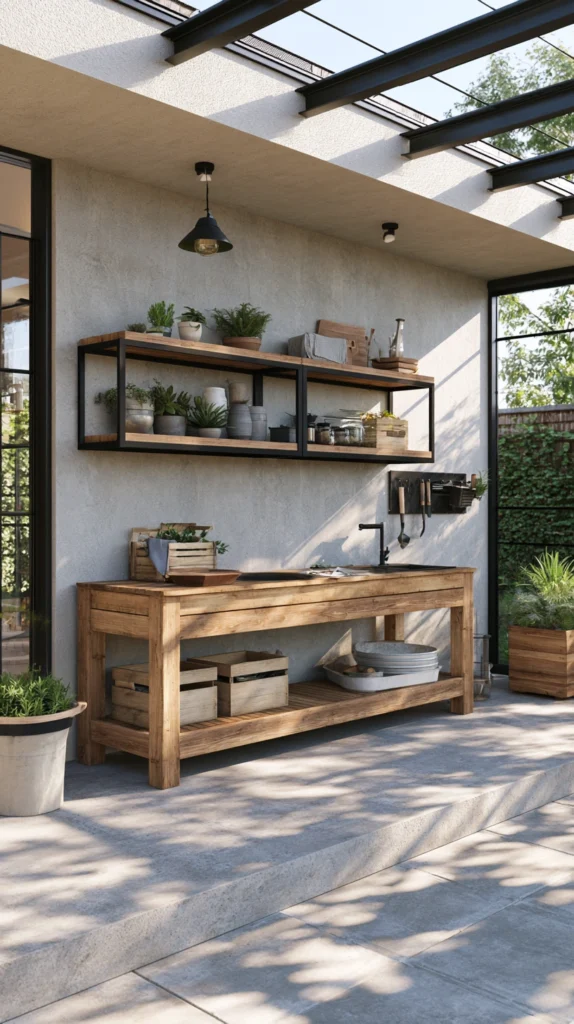
Convert corners into practical potting stations where work surfaces, tool storage, and supply organization create dedicated gardening workspaces, improving efficiency and organization while containing messy gardening activities.
Build simple workbenches at comfortable heights, add shelving to store pots and supplies, and include hooks to organize tools accessibly. The functional workspace streamlines gardening tasks, providing dedicated areas for potting, transplanting, and garden preparation, while the corner positioning keeps utilitarian areas somewhat separated from ornamental gardens.
Include water access through nearby hoses, simplifying cleanup, while the defined workspace prevents gardening clutter from spreading throughout yards. Add overhead protection through simple roofs or large umbrellas, allowing work during light rain while the shelter protects stored supplies from weather damage.
8. Children’s Play Corner
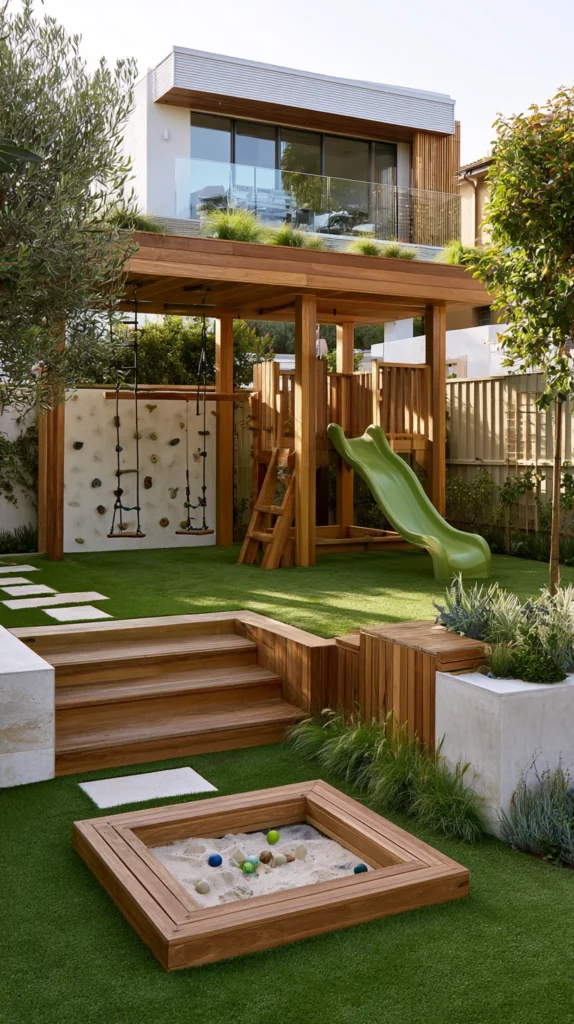
Dedicate corners to children’s play areas where sandboxes, playhouses, or climbing structures create age-appropriate play spaces visible from houses, allowing supervision, while defined boundaries contain play equipment and activity. Build simple sandboxes with covered storage preventing wildlife contamination, position small playhouses creating imaginative play spaces, or install modest climbing equipment appropriate for the available space.
The corner positioning provides natural boundaries defining play zones, while the enclosure creates comfortable, protected spaces that children appreciate. Surfaces with safety materials, including rubber mulch, pea gravel, or artificial turf cushioning falls, while the dedicated play area prevents toys and equipment from spreading throughout gardens. The separated space allows messy creative play without impacting ornamental areas, while the corner location maintains supervision sightlines.
9. Ornamental Grass Garden
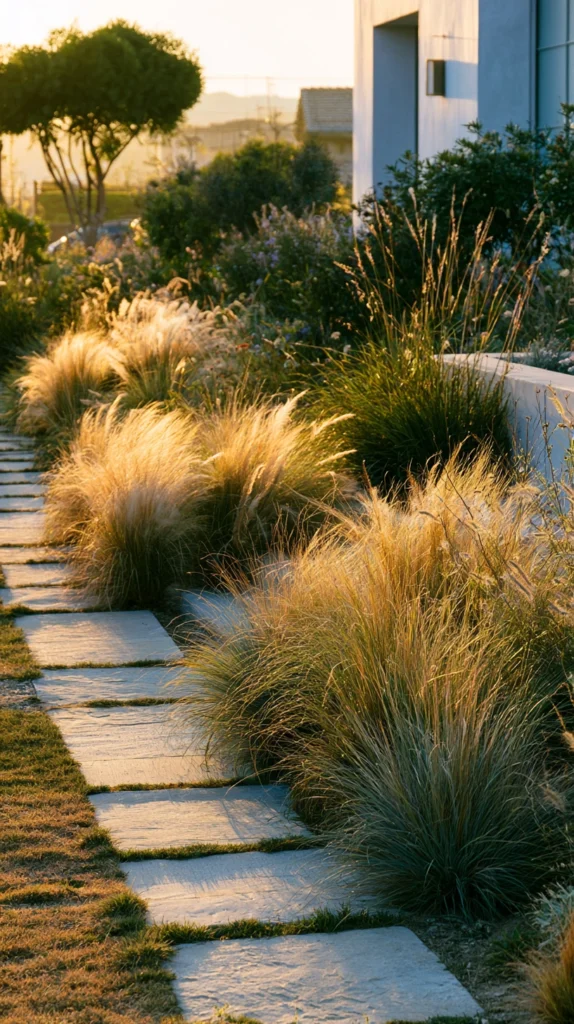
Create low-maintenance modern gardens featuring ornamental grasses where varied textures, heights, and seasonal interest transform corners through graceful movement and architectural planting requiring minimal care.
Choose grasses in varied heights from compact low-growing varieties through tall dramatic specimens creating layered compositions, include varied foliage colors from blue-greens through burgundies creating tonal interest, and appreciate seasonal transformations through flowering and winter structure.
The grass gardens provide year-round interest requiring minimal maintenance once established, while the natural movement and rustling sounds add sensory dimension. The contemporary aesthetic suits modern landscapes, while the prairie-inspired planting creates habitat supporting beneficial insects and wildlife. The corner positioning allows grasses to be viewed from multiple angles, revealing their dimensional beauty.
10. Succulent Rock Garden
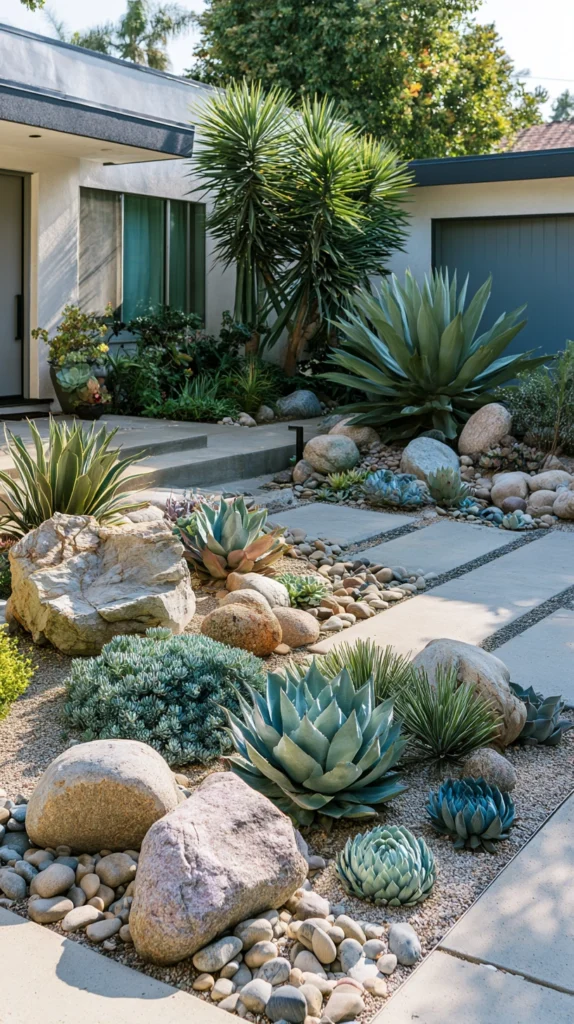
Design drought-tolerant corners featuring succulent collections where varied forms, colors, and textures create living sculpture gardens requiring minimal water and maintenance while providing year-round interest.
Arrange rocks creating natural-looking outcroppings, tuck succulents into crevices and pockets, and group by color or form, creating designed compositions. The succulent palette offers remarkable variety from tiny groundcovers through substantial agaves, creating architectural presence while the diverse forms provide sculptural interest.
The low-water requirements suit sustainable gardening, while the minimal maintenance appeals to busy homeowners. The corner position provides the excellent drainage succulents require, while the backing boundaries create attractive backdrops displaying varied forms. The rock and succulent combination creates the kind of textural interest that makes corners genuine garden highlights.
11. Butterfly Garden Habitat
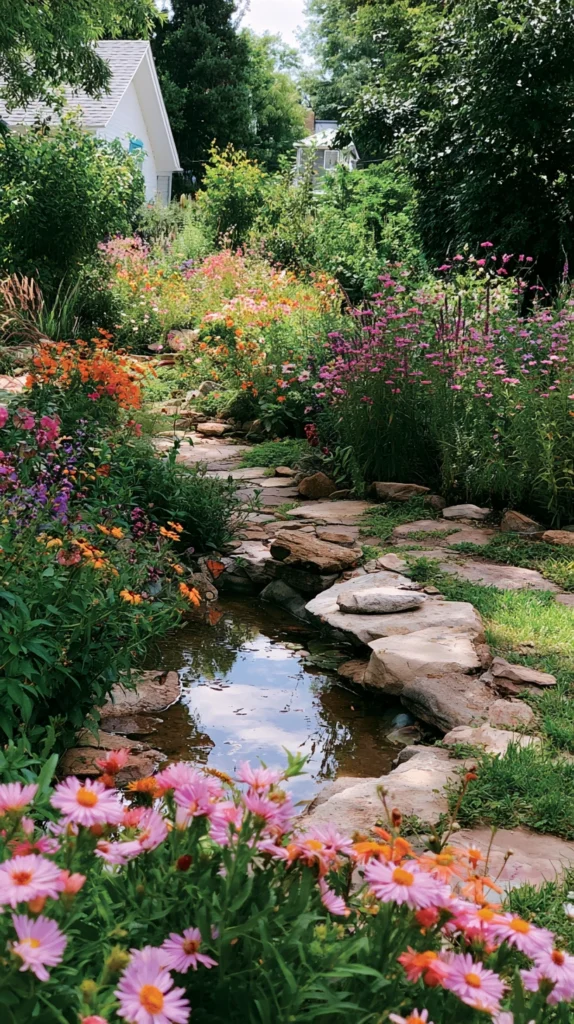
Establish pollinator-supporting corners planting nectar-rich flowers and host plants, creating habitat supporting butterflies, while the colorful visitors provide movement and life, animating previously static corners.
Choose native plants supporting local butterfly species, including both nectar flowers and larval host plants, completing butterfly lifecycle needs, and provide water sources through shallow dishes or damp sand. The butterfly garden creates ecological value, supporting declining pollinator populations, while the colorful flowers and visiting butterflies add beauty and interest.
The corner positioning allows an undisturbed habitat, while the sheltered location provides the wind protection butterflies prefer. Include flat sunny rocks creating basking spots while the diverse plantings provide continuous bloom, supporting butterflies throughout the seasons. The educational component makes butterfly corners valuable for families, teaching children about ecology and life cycles.
12. Shade Garden Lush Retreat
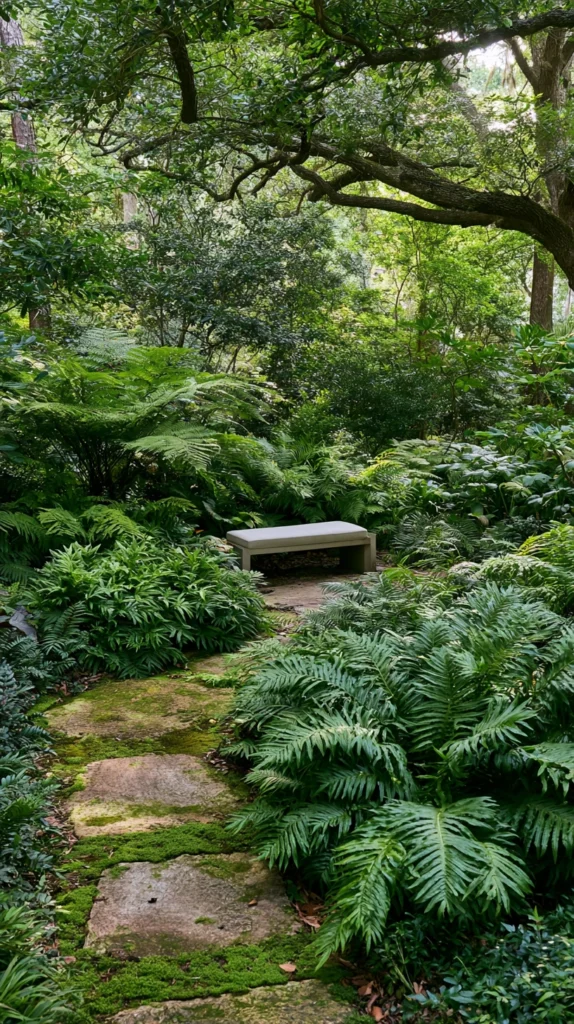
Transform shaded corners into lush fern and hosta gardens where shade-tolerant plants create verdant retreats celebrating rather than lamenting limited light conditions. Choose shade-loving perennials, including varied hostas, multiple fern varieties, and shade-blooming species, creating layered, dimensional plantings, incorporate natural stone or wood elements to complement organic aesthetics, and appreciate the cooling refuge shaded corners provide during hot weather.
The shade-tolerant plantings embrace existing conditions rather than fighting unsuitable light, while the lush foliage creates the kind of garden depth that shade plantings uniquely provide. The corner positioning suits shade gardens where afternoon shade often occurs naturally, while the enclosed space feels appropriately intimate for these quieter plantings.
13. Outdoor Storage Concealment
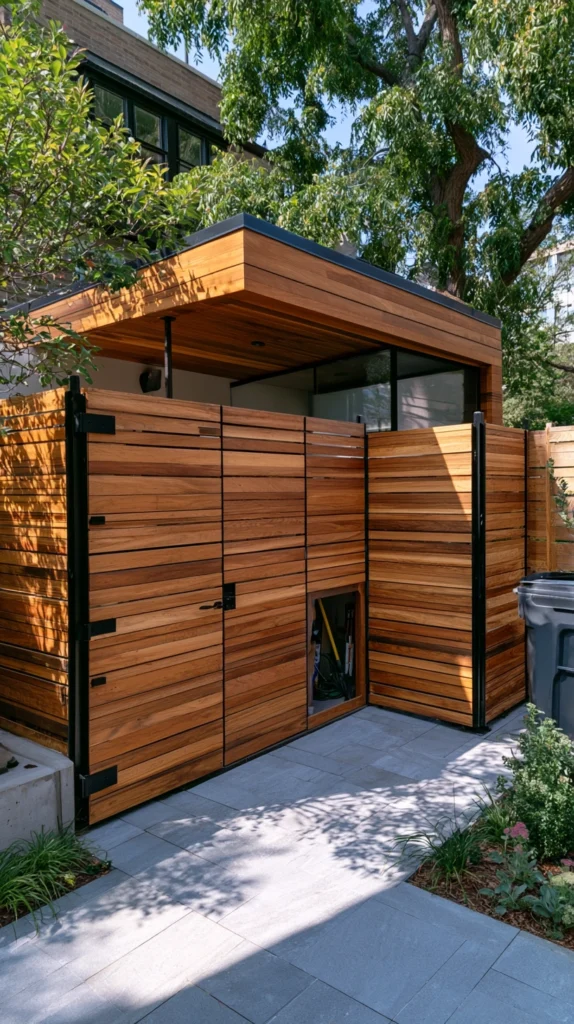
Solve practical storage needs through attractive corner enclosures where screens, plantings, or attractive sheds hide necessary equipment while the functional spaces make efficient use of boundary areas. Build attractive storage sheds conforming to corner angles, create living screens using evergreen plantings concealing stored items, or install lattice panels painted decoratively, creating functional screens.
The corner positioning suits utilitarian storage, keeping necessary items accessible while separated from main garden views. The attractive enclosures ensure storage doesn’t detract from garden aesthetics, while the functional utility provides genuine value. Include adequate access, ensuring stored items remain genuinely usable rather than creating inaccessible corners that defeat storage purposes.
14. Seasonal Display Corner
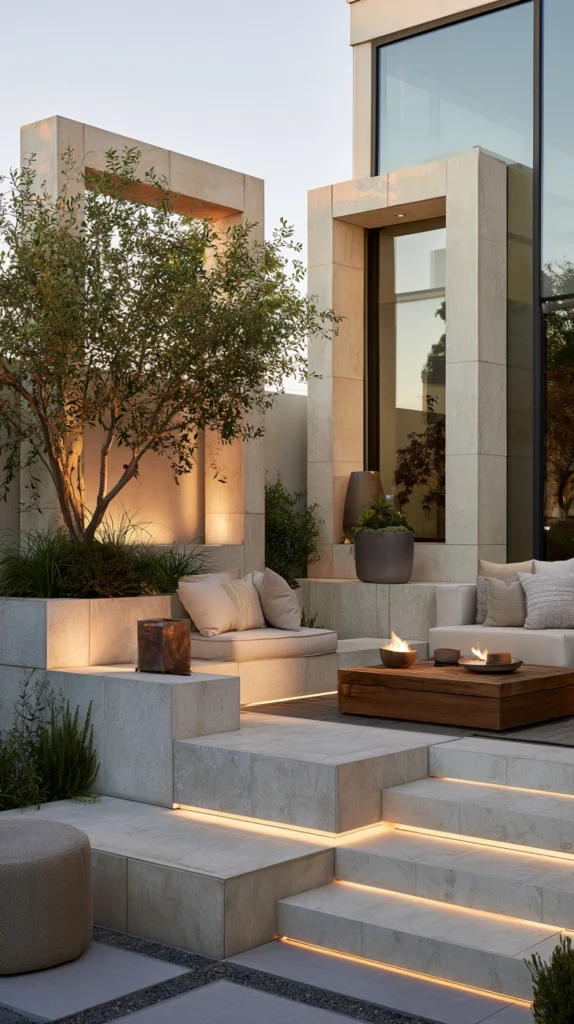
Design flexible corners specifically for rotating seasonal displays where changing plantings, decorations, or themes create dynamic spaces that evolve throughout the year, maintaining fresh interest and celebrating seasons.
Create planting beds or container groupings allowing easy seasonal updates, establish infrastructure like lighting or structures supporting varied displays, and commit to regular updates, maintaining seasonal relevance. The rotating displays prevent garden stagnation while the seasonal celebrations create reasons for regular garden engagement.
The corner positioning provides defined stages for seasonal presentations, while the contained scale makes frequent updates manageable. The dynamic approach creates the kind of changing interest that makes gardens perpetually engaging rather than becoming static landscapes that owners cease noticing.
Successfully transforming backyard corners requires honest assessment of existing conditions, including sun exposure, drainage, and access, determining what uses suit specific locations, appropriate scale selection, ensuring designs fit comfortably within available space without overcrowding, and committed maintenance, understanding that transformed corners require ongoing care, maintaining their improved status.
Prepare the soil properly through amendments and weed removal, ensuring plants establish successfully while the improved foundation supports long-term health. Choose plants and materials appropriate for specific microclimates, understanding corners often have unique conditions differing from the main garden areas. Include adequate access, ensuring transformed corners remain usable and maintainable rather than becoming inaccessible, creating future neglect.
Most importantly, recognize that corner transformations represent high-impact projects where focused attention on small areas creates substantial overall garden improvement, making these ideal projects for homeowners wanting visible results through manageable efforts, proving that thoughtful small-space design creates valuable garden assets from previously wasted areas.