Cold Sesame Peanut Noodles with Crunchy Veggies
Prep Time: 15 minutes | Cook Time: 10 minutes | Chill Time: 20 minutes | Total Time: 45 minutes | Servings: 4 | Calories: 415 kcal per serving
Cold sesame peanut noodles with crunchy veggies are the kind of meal that disappears from the bowl before you have even found somewhere to sit down. Tender noodles coated in a deeply savory, nutty peanut sesame sauce with just the right balance of tang, sweetness, and heat — then loaded with a tangle of crisp, colorful vegetables that bring crunch, freshness, and enough texture to keep every single bite interesting from first to last.
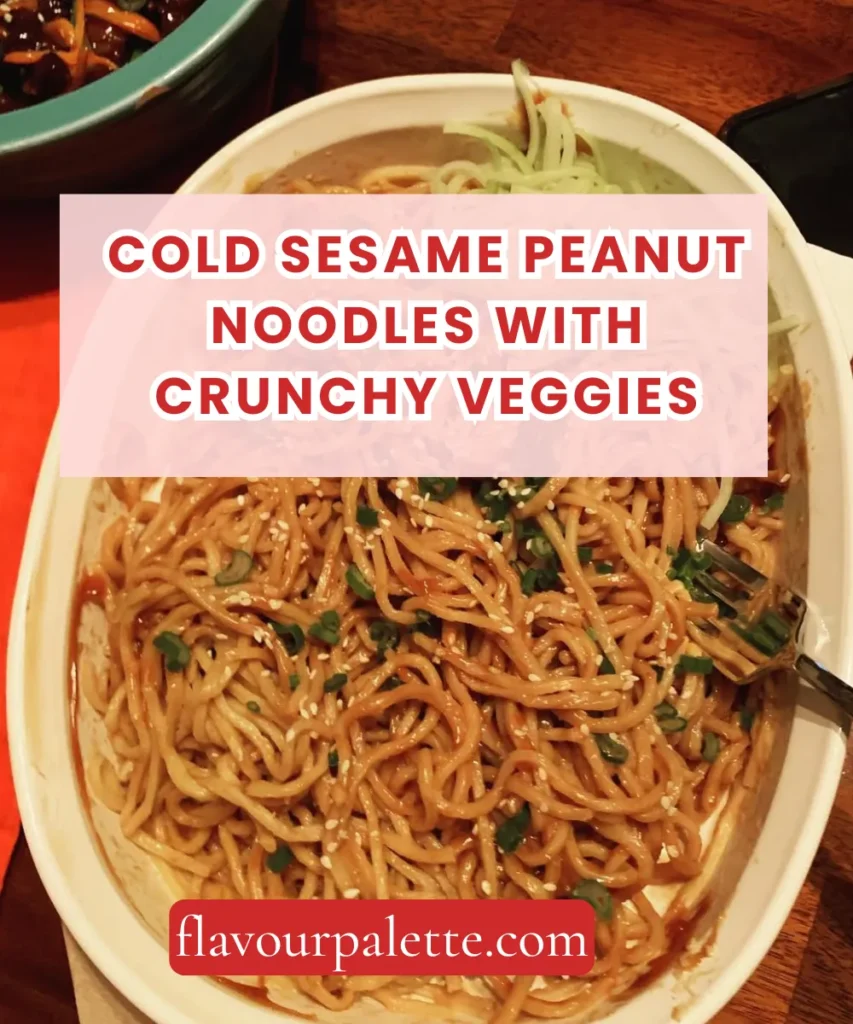
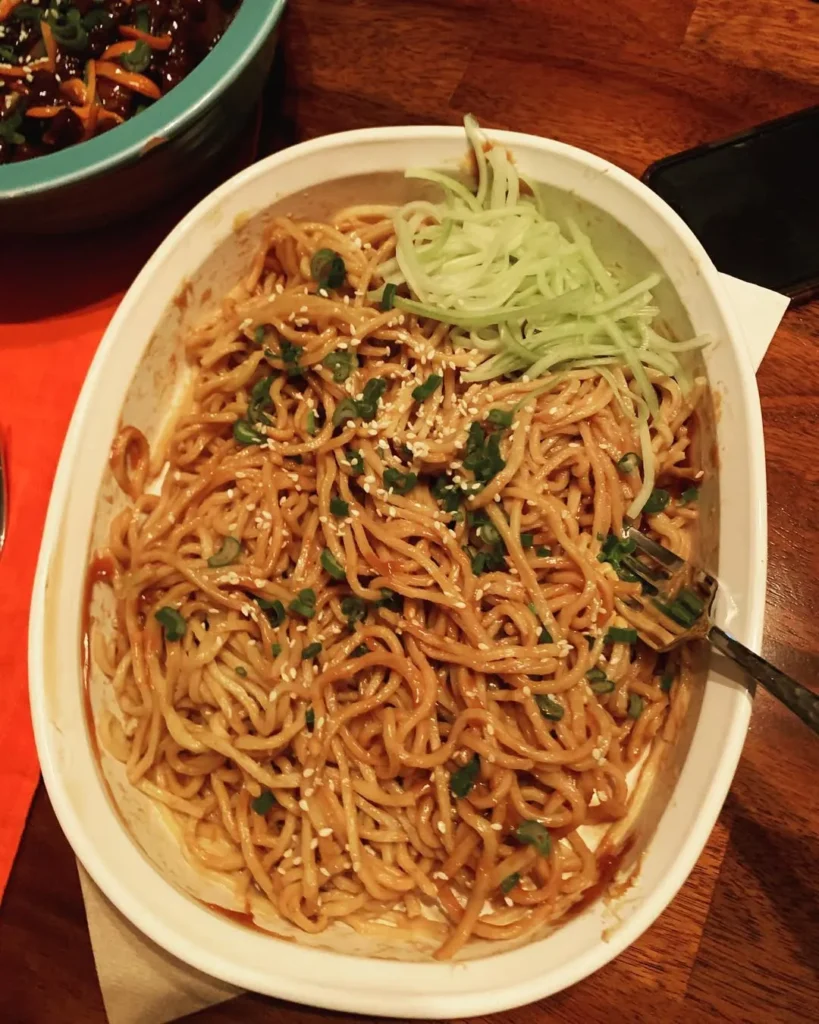
This is the noodle dish that tastes better than anything you could order in. Not because it is complicated or clever, but because the sauce is made with real ingredients and the vegetables are genuinely fresh. The peanut butter loosens into something silky. The sesame oil brings depth. The rice vinegar cuts right through the richness. The whole thing comes together in forty-five minutes and lasts brilliantly in the fridge for days.
Perfect for lunch, dinner, meal prep, and every situation in between. The noodles that never disappoint.
Why You Will Love This Recipe
Cold sesame peanut noodles with crunchy veggies earn a permanent spot in your weekly rotation from the very first bowl. Here is exactly why.
- The sauce is extraordinary. Creamy peanut butter, toasted sesame oil, soy sauce, rice vinegar, garlic, and ginger blended into a sauce so good you will want to put it on everything.
- Endlessly satisfying. Noodles plus protein-rich peanut sauce plus a generous pile of fresh vegetables make this a genuinely complete and filling meal.
- Perfect for meal prep. Make a big batch on Sunday and eat from it all week. The flavors deepen as the noodles sit and the sauce soaks in.
- Completely customizable. Use whatever vegetables are in your fridge. Add protein or keep it vegetarian. Make it spicy or keep it mild. The recipe bends to whatever you need.
- Served cold means no reheating. Pull it straight from the fridge, toss with any reserved dressing, and lunch is ready in thirty seconds.
Ingredients
For the Noodles
- 12 oz (340g) spaghetti, lo mein noodles, or soba noodles
- 1 tablespoon toasted sesame oil (to toss after cooking)
- 1 teaspoon salt for the cooking water
For the Sesame Peanut Sauce
- ⅓ cup (85g) creamy peanut butter
- 3 tablespoons soy sauce or tamari
- 2 tablespoons toasted sesame oil
- 2 tablespoons rice vinegar
- 1 tablespoon honey or maple syrup
- 1 tablespoon fresh lime juice
- 2 cloves garlic, finely minced or grated
- 1 teaspoon fresh ginger, grated
- 1 teaspoon sriracha or chili garlic sauce (adjust to taste)
- 3 to 5 tablespoons warm water (to thin the sauce)
For the Crunchy Veggies
- 1 red bell pepper, thinly sliced into matchsticks
- 1 yellow bell pepper, thinly sliced into matchsticks
- 1 large carrot, julienned or grated
- 1 cup shredded purple cabbage
- 1 English cucumber, julienned or thinly sliced
- 3 green onions, thinly sliced
- ½ cup frozen edamame, thawed (optional)
For Garnish
- 2 tablespoons toasted sesame seeds
- ¼ cup roasted peanuts, roughly chopped
- Fresh cilantro leaves
- Lime wedges
- Extra chili oil or sriracha (for heat lovers)
Equipment Needed
- Large pot for boiling noodles
- Colander
- Large mixing bowl
- Small bowl or jar with a lid (for the sauce)
- Whisk
- Chef’s knife and cutting board
- Julienne peeler or box grater
- Measuring cups and spoons
Instructions
Step 1: Cook the Noodles
Bring a large pot of well-salted water to a rolling boil. Cook the noodles according to the package directions until just al dente — they should have a slight bite since they will continue softening slightly as they chill. Do not overcook. Drain immediately and rinse thoroughly under cold running water until the noodles are completely cool.
Step 2: Toss with Sesame Oil
Transfer the drained noodles to a large mixing bowl. Drizzle over one tablespoon of toasted sesame oil and toss well with tongs or two forks until every strand is lightly coated. This prevents the noodles from clumping together as they cool and adds an important layer of toasted sesame flavor to the base.
Step 3: Make the Sesame Peanut Sauce
In a small bowl or jar, whisk together the peanut butter, soy sauce, sesame oil, rice vinegar, honey, lime juice, minced garlic, grated ginger, and sriracha. The mixture will look thick and slightly seized at first — this is normal. Add warm water one tablespoon at a time, whisking between each addition, until the sauce loosens into a smooth, pourable consistency that coats the back of a spoon. Taste and adjust — more soy sauce for saltiness, more lime for brightness, more honey for sweetness, more sriracha for heat.
Step 4: Prep the Vegetables
Slice the bell peppers into thin matchsticks. Julienne the carrot or grate it on the large holes of a box grater. Thinly shred the purple cabbage. Julienne the cucumber or slice it into thin half-moons. Slice the green onions. If using edamame, thaw and pat dry.
Step 5: Combine and Dress
Pour about three-quarters of the sesame peanut sauce over the cooled noodles and toss thoroughly until every noodle is evenly coated. Add the sliced bell peppers, julienned carrot, shredded cabbage, cucumber, green onions, and edamame if using. Toss again until the vegetables are distributed evenly throughout the noodles.
Step 6: Chill
Cover the bowl and refrigerate for at least 20 minutes before serving. This short chill time allows the noodles to absorb the sauce and the flavors to come together. The noodles will taste noticeably better after resting than they do straight from the bowl.
Step 7: Finish and Serve
Just before serving, drizzle the reserved sauce over the noodles and toss again — the noodles will have absorbed most of the dressing during chilling and need refreshing. Divide into bowls. Scatter toasted sesame seeds and chopped peanuts over the top. Finish with fresh cilantro leaves and serve with lime wedges and extra sriracha on the side.
Substitutes & Swaps
- Spaghetti: Any long noodle works beautifully here. Soba noodles add an earthy, slightly nutty note. Rice noodles make it gluten-free. Udon noodles give a thick, chewy result that holds the sauce exceptionally well.
- Peanut butter: Almond butter, cashew butter, or sunflower seed butter all work for different dietary needs. Sunflower seed butter is the best nut-free option, and the flavor difference is minimal once the sauce is fully seasoned.
- Soy sauce: Tamari is a perfect gluten-free swap with an almost identical flavor. Coconut aminos work for a soy-free version and add a subtle sweetness.
- Rice vinegar: Apple cider vinegar gives a slightly more pronounced tang. White wine vinegar works in a pinch.
- Cucumber: Thinly sliced sugar snap peas, blanched broccoli florets, or shredded zucchini all bring excellent crunch and freshness.
Variations
Spicy Sesame Noodles
Double the sriracha and add one teaspoon of chili oil directly into the sauce. Drizzle extra chili oil over the finished bowl for a version with serious heat that still lets the peanut flavor come through.
Sesame Noodles with Chicken
Add two cups of shredded poached or rotisserie chicken tossed through the noodles before chilling for a protein-rich meal that is hearty enough for dinner on its own.
Sesame Noodles with Crispy Tofu
Cube and pan-fry firm tofu until deeply golden and crisp on all sides. Toss through the noodles just before serving so the tofu stays crunchy against the soft noodles and creamy sauce.
Sesame Soba Noodle Salad
Use 100 percent buckwheat soba noodles and add thinly sliced avocado, blanched snap peas, and a handful of watercress for a lighter, more elegant version that works beautifully as a starter or side.
Sesame Noodle Bowls with Soft-Boiled Egg
Divide the noodles into individual bowls and top each one with a perfectly soft-boiled egg halved to reveal a jammy yolk that runs into the sauce below — one of the simplest and most satisfying additions you can make.
Tips & Tricks
Salt the water generously. Noodles absorb flavor during cooking, and under-salted water means flat noodles, regardless of how good the sauce is. The water should taste pleasantly salty before the noodles go in.
Rinse noodles until completely cool. Do not rush this step. Warm noodles will continue cooking and will turn soggy as they chill. Cold noodles have better texture, absorb the sauce more cleanly, and hold up better over multiple days.
Make the sauce first. Mixing the sauce before you start anything else gives the garlic and ginger time to mellow slightly into the peanut butter, producing a rounder, more integrated flavor than a sauce made right before dressing.
Always reserve some sauce. Noodles drink up dressing as they sit in the fridge. Holding back a quarter of the sauce and adding it right before serving is the single biggest improvement you can make to how this dish tastes the next day.
Taste the sauce before it goes on the noodles. Every brand of peanut butter and soy sauce is different in salt content and sweetness. Always taste and adjust before dressing the noodles — it is much easier to correct the sauce in the jar than in the finished bowl.
Cut vegetables consistently thin. The crunch of the vegetables is a defining characteristic of this dish. Thick, chunky cuts do not integrate as well with the noodles and can feel clumsy. Julienned and thinly sliced vegetables weave through the noodles naturally and deliver crunch in every bite.
Nutrition Information (Per Serving)
| Nutrient | Amount |
|---|---|
| Calories | 415 kcal |
| Total Fat | 18g |
| Saturated Fat | 3g |
| Carbohydrates | 52g |
| Fiber | 5g |
| Sugars | 9g |
| Protein | 14g |
| Sodium | 620mg |
Frequently Asked Questions (FAQs)
Why are my noodles clumping together?
Two common causes — the noodles were not rinsed thoroughly enough under cold water, or they were not tossed with sesame oil immediately after draining. Both steps are essential. Rinse until completely cold and toss with sesame oil before anything else.
Can I make this ahead of time?
Yes, and it is highly recommended. Make the full bowl, dress with three-quarters of the sauce, and refrigerate for up to 4 days. Keep the remaining sauce in a separate jar. Before each serving, add a spoonful of reserved sauce and toss. The flavors genuinely improve over the first two days.
How do I thin the peanut sauce if it seizes up?
Add warm water one tablespoon at a time and whisk between each addition. The warm water is important — cold water does not loosen peanut butter as effectively. If the sauce has been refrigerated and thickened overnight, let it sit at room temperature for a few minutes before whisking with warm water.
Can I serve this warm?
Yes. Skip the chilling step and serve immediately after dressing. The dish is excellent, warm, and feels more like a classic peanut noodle stir-fry than a cold noodle salad. Both temperatures are genuinely delicious — it simply depends on the occasion.
What protein works best with this dish?
Shredded rotisserie chicken, crispy tofu, cooked shrimp, or a soft-boiled egg are all outstanding additions. The peanut sesame sauce pairs naturally with almost any protein, so there is very little you can add that will not work.
Is this recipe gluten-free?
It can be made fully gluten-free by using 100 percent buckwheat soba noodles or rice noodles and tamari in place of soy sauce. All other ingredients in the recipe are naturally gluten-free.
The Noodle Bowl That Gets Better Every Day
Some meals are best right when they are made. Cold sesame peanut noodles are not one of them — they are excellent the first day, better the second, and somehow even better on the third. The sauce soaks deeper into the noodles, the vegetables soften just slightly around the edges while staying crisp in the center, and the whole bowl tastes more complete and more itself with every hour it rests.
Make a big batch. Eat it for lunch three days in a row. Every single bowl will be exactly what you wanted.
Made these cold sesame peanut noodles? Leave a comment below and tell me what vegetables you used and how much heat you added to the sauce. I love hearing how it turned out.
Cold Sesame Peanut Noodles with Crunchy Veggies
Ingredients
- Noodles:
- 12 oz 340g spaghetti, lo mein, or soba noodles
- 1 tablespoon toasted sesame oil
- 1 teaspoon salt for cooking water
- Sesame Peanut Sauce:
- ⅓ cup 85g creamy peanut butter
- 3 tablespoons soy sauce or tamari
- 2 tablespoons toasted sesame oil
- 2 tablespoons rice vinegar
- 1 tablespoon honey or maple syrup
- 1 tablespoon fresh lime juice
- 2 cloves garlic minced
- 1 teaspoon fresh ginger grated
- 1 teaspoon sriracha or chili garlic sauce
- 3 to 5 tablespoons warm water to thin
- Crunchy Veggies:
- 1 red bell pepper thinly sliced into matchsticks
- 1 yellow bell pepper thinly sliced into matchsticks
- 1 large carrot julienned or grated
- 1 cup shredded purple cabbage
- 1 English cucumber julienned or thinly sliced
- 3 green onions thinly sliced
- ½ cup edamame thawed (optional)
- Garnish:
- 2 tablespoons toasted sesame seeds
- ¼ cup roasted peanuts roughly chopped
- Fresh cilantro leaves
- Lime wedges
- Extra sriracha or chili oil
Instructions
- Cook noodles in well-salted boiling water until just al dente. Drain and rinse thoroughly under cold water until completely cool. Toss immediately with 1 tablespoon sesame oil.
- Whisk together peanut butter, soy sauce, sesame oil, rice vinegar, honey, lime juice, garlic, ginger, and sriracha. Add warm water one tablespoon at a time until smooth and pourable. Taste and adjust seasoning.
- Slice all vegetables thinly — bell peppers and cucumber into matchsticks, carrot julienned, cabbage shredded. Slice green onions.
- Pour three-quarters of the sauce over the noodles and toss to coat. Add all the vegetables and toss again until evenly combined.
- Cover and refrigerate for at least 20 minutes.
- Before serving, add reserved sauce and toss again. Divide into bowls and top with sesame seeds, chopped peanuts, and fresh cilantro. Serve with lime wedges and extra sriracha.
Notes
- Salt the cooking water generously for well-flavored noodles
- Rinse noodles until completely cold to stop cooking and prevent clumping
- Toss with sesame oil immediately after draining to prevent sticking
- Make the sauce first so flavors have time to meld
- Always reserve a quarter of the sauce for refreshing leftovers
- Taste and adjust the sauce before adding it to noodles
- Cut all vegetables consistently thin for the best texture
- Keeps in the fridge for up to 4 days — add reserved sauce before each serving
- Add shredded chicken, crispy tofu, or a soft-boiled egg for extra protein
- Use tamari and rice noodles for a fully gluten-free version