14 Modular Catio Ideas You Can Expand Over Time
Modular catios represent flexible approaches to outdoor cat enclosures where initial installations start modestly, then expand systematically as budgets allow, feline families grow, or spatial ambitions increase. These adaptable structures combine secure outdoor access with scalable design, allowing cat owners to begin with basic configurations, then add sections, levels, or features over time without requiring complete rebuilds or wasting initial investments.
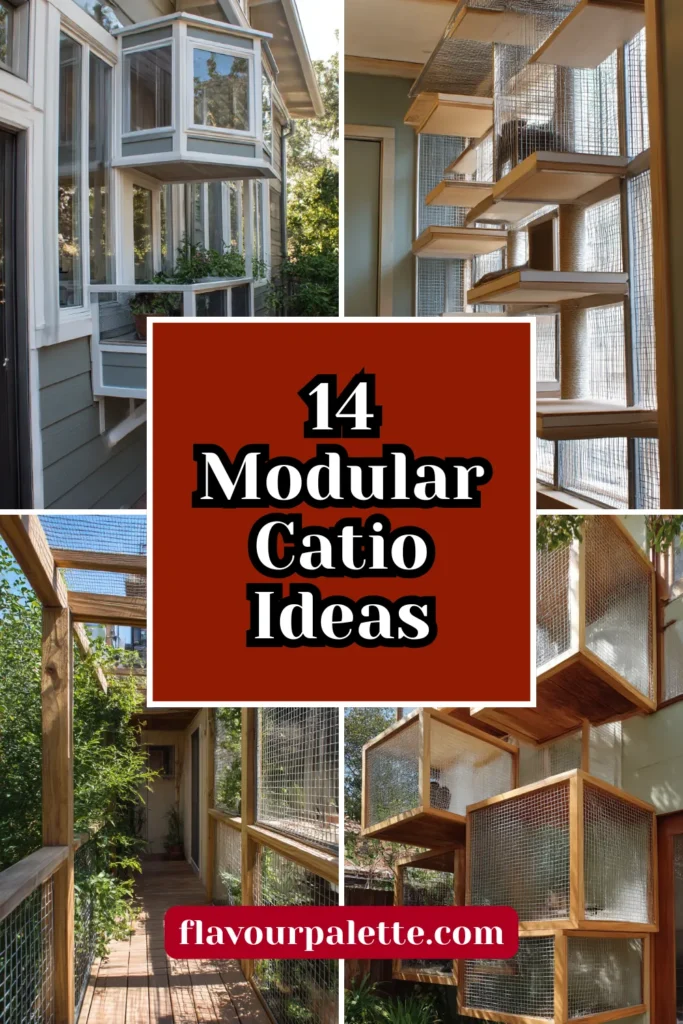
Strategic modular planning incorporating standardized dimensions, compatible connection systems, and thoughtful placement ensures future expansions integrate seamlessly with existing sections, creating cohesive functional enclosures rather than haphazard additions.
Understanding which modular systems offer genuine expandability, how to plan for future growth while building initial phases, and which design elements facilitate rather than complicate expansion allows the creation of catios that evolve alongside changing needs and circumstances.
These fourteen modular catio ideas demonstrate diverse expandable approaches from simple window boxes to elaborate tunnel systems, each proving that thoughtful modular design creates flexible cat enclosures accommodating growth without requiring starting over.
1. Cube-Based Modular System
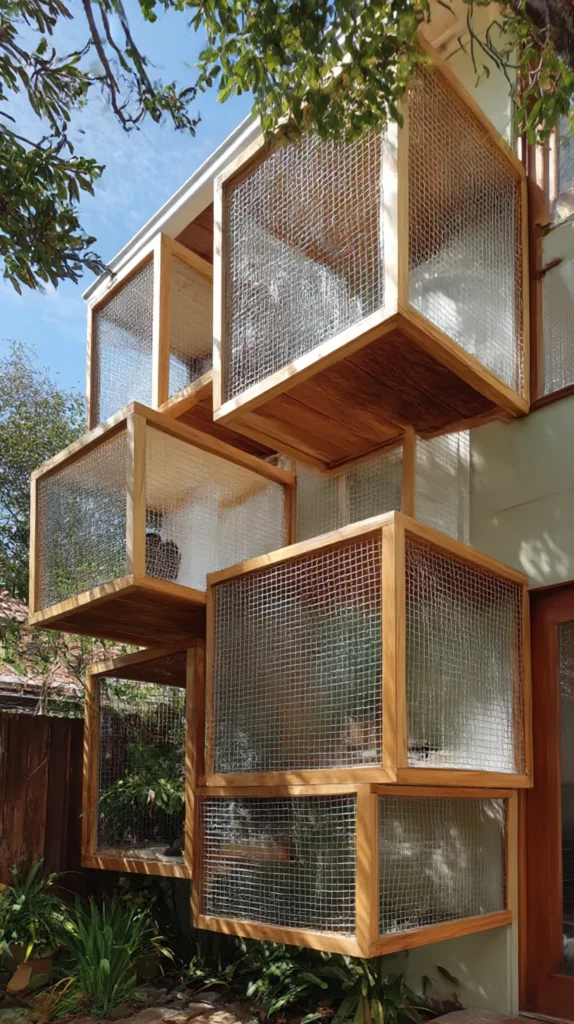
Build catios using standardized cube modules measuring 3×3 or 4×4 feet that connect in various configurations, creating expandable structures growing horizontally, vertically, or both directions as needed. Construct initial cubes using treated lumber frames and wire mesh panels, design connection points at all four sides plus top and bottom, allowing unlimited expansion directions, and create removable panels facilitating future connections.
Start with single cubes attached to windows or doors, add adjacent cubes creating linear runs, stack cubes building multi-level structures, or combine approaches creating custom configurations. The standardized dimensions ensure all modules connect compatibly, while the cube format provides maximum flexibility for future growth directions.
2. Tunnel Connector Network
Develop catio systems featuring enclosed tunnels connecting discrete enclosed areas, creating networks that expand by adding new destination zones and linking tunnels over time. Build initial enclosed catio spaces near primary cat access points, install tunnel sections creating pathways to additional areas, and add new enclosed zones as budget allows, connecting via additional tunnels.
Use consistent tunnel dimensions, ensuring all sections connect properly, include access hatches in tunnels facilitating cleaning and maintenance, and design tunnel routes considering aesthetics and practical yard navigation. The tunnel approach allows incremental expansion reaching distant yard areas without requiring contiguous enclosed spaces while the network creates interesting, varied environments that cats enjoy exploring.
3. Vertical Tower Expansion
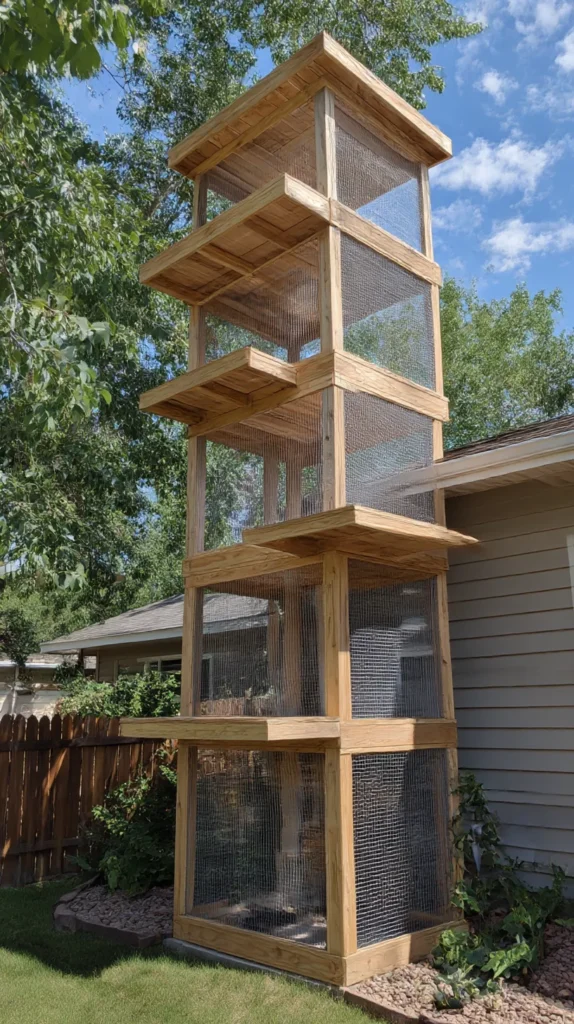
Create expandable vertical structures starting with ground-level enclosures, then adding stacked levels over time, building upward rather than outward when horizontal space is limited. Construct sturdy base sections with foundations supporting anticipated future weight, design floor panels with openings allowing vertical circulation between levels, and add new stories as desired, creating multi-level cat condominiums.
Include ramps, stairs, or cat-friendly climbing elements connecting levels, ensure structural stability as heights increase through proper bracing and anchoring, and add weather protection at the tops once vertical expansion completes. The vertical approach maximizes limited yard space while creating the elevated vantage points cats naturally prefer.
4. Perimeter Fence Conversion
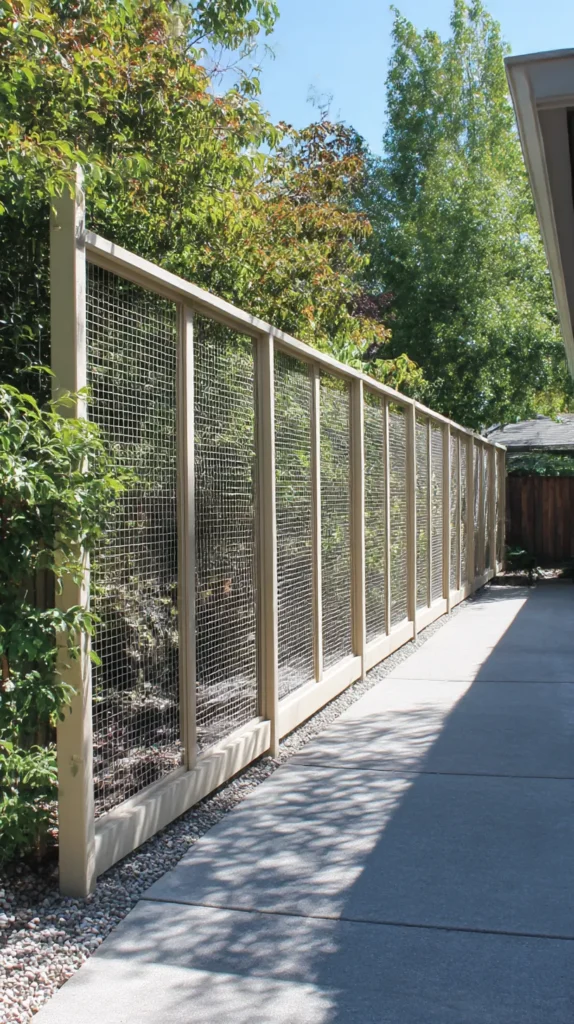
Install modular catio panels along existing fence lines, creating enclosed runs that expand by adding sequential sections, gradually enclosing more yard perimeter over time. Build initial sections in priority areas near cat access points or featuring desirable views, design panels matching fence heights and construction creating cohesive appearances, and add new sections as budget allows, eventually creating complete perimeter enclosures.
Use consistent panel dimensions, ensuring all sections connect properly, include gates allowing human yard access, and reinforce fence tops, preventing climbing escapes. The fence-mounted approach uses existing structures, reducing materials and labor, while the incremental installation spreads costs over extended periods.
5. Prefabricated Panel System
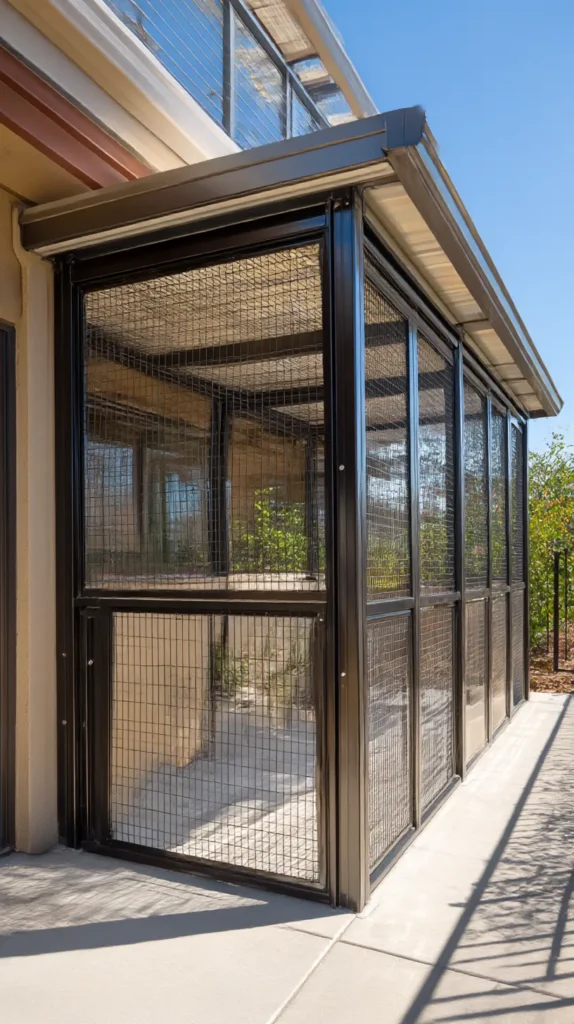
Purchase compatible prefabricated panels designed for modular assembly, creating professional-appearing catios that expand through additional panel purchases without requiring custom fabrication. Choose systems from reputable manufacturers offering various panel types, including solid walls, wire mesh, and doors in standardized dimensions, start with starter kits providing essential initial components, and add expansion packs as needed.
Follow manufacturer assembly instructions, ensuring proper connections, maintain consistent product lines, ensuring future compatibility, and design initial layouts considering likely expansion directions. The prefabricated approach provides professional quality, while the manufacturer-designed compatibility ensures successful expansions.
6. Window Box to Full Enclosure
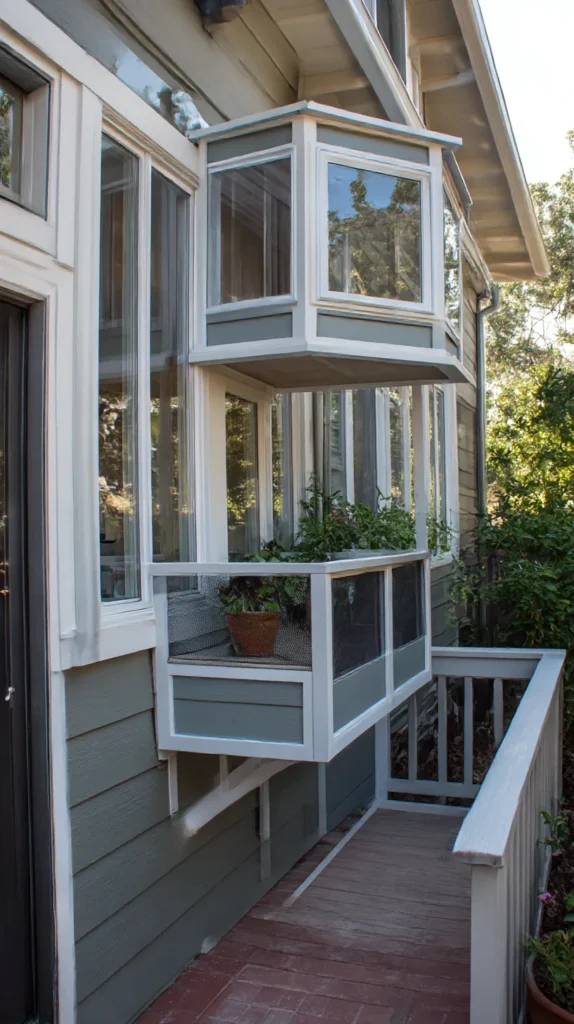
Begin with simple window-mounted box catios providing immediate outdoor access, then expand by adding ground-level sections connected via enclosed ramps or tunnels, creating complete systems over time. Install secure window boxes attaching to exterior walls, providing initial outdoor experiences, build ground-level enclosures positioned beneath windows, and connect using enclosed ramps or vertical tubes so that cats can navigate easily.
The window box provides immediate gratification and outdoor access while planning and budgeting for larger ground sections occur. Ensure secure connections between window boxes and ground sections, preventing escapes while the ramp or tunnel provides safe navigation between levels.
7. Seasonal Screen Room Addition
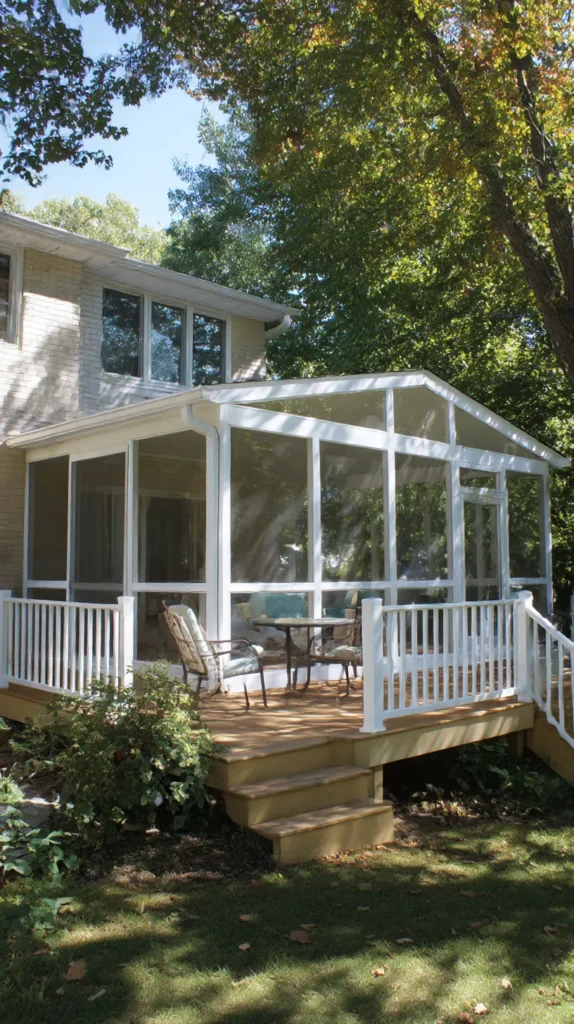
Start with basic three-season screen enclosures providing warm-weather access, then winterize sections gradually, adding insulation, heating, or enclosed panels, creating year-round spaces incrementally. Build initial screen structures using standard screening materials and simple frames, identify sections receiving the most use or requiring weather protection, and upgrade these areas with solid panels, insulation, and possibly heating.
The gradual winterization allows year-round use without requiring complete initial investment in weather protection, while the seasonal approach lets usage patterns inform which areas warrant upgrading. Maintain adequate ventilation even in winterized sections, ensuring proper air circulation and preventing condensation.
8. Deck Integration Expansion
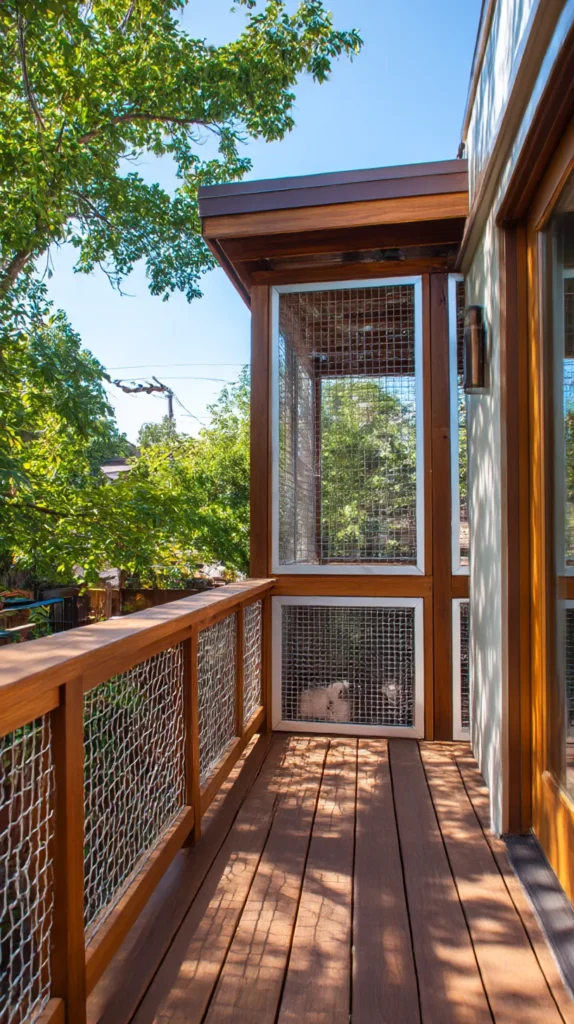
Connect catios to existing decks, starting with small attached enclosures, then expanding to enclose entire deck areas or adding ground-level sections accessed via deck-mounted ramps. Attach initial catio sections to deck railings or posts using existing structures for support, design enclosures allowing continued human deck use when desired, and expand by enclosing more deck area or building ground sections connected to deck catios.
The deck integration provides elevated outdoor access that cats enjoy while using existing structures, reducing construction requirements. Include removable panels allowing full deck reclamation for human gatherings when needed.
9. Garden Path Enclosed Runs
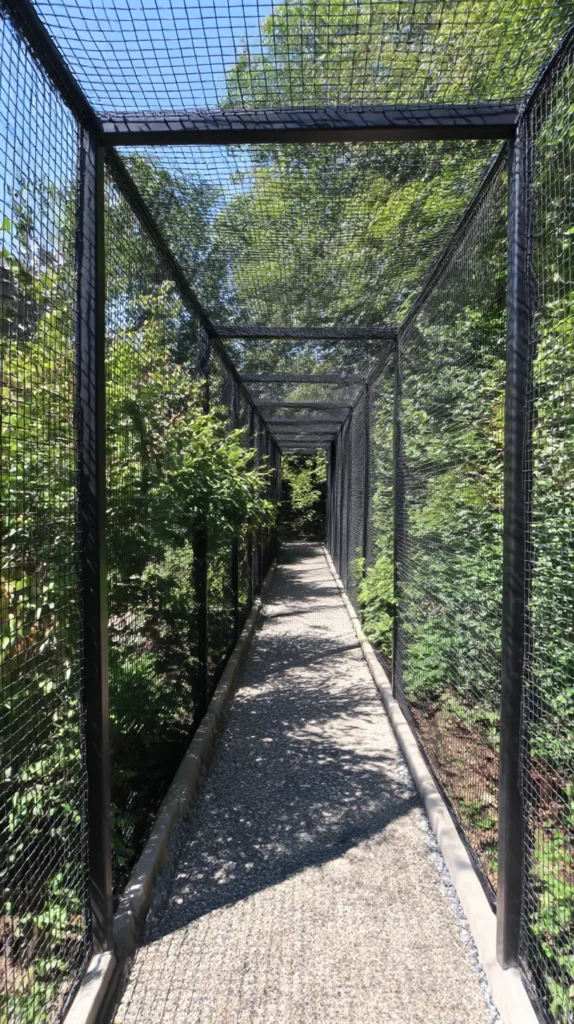
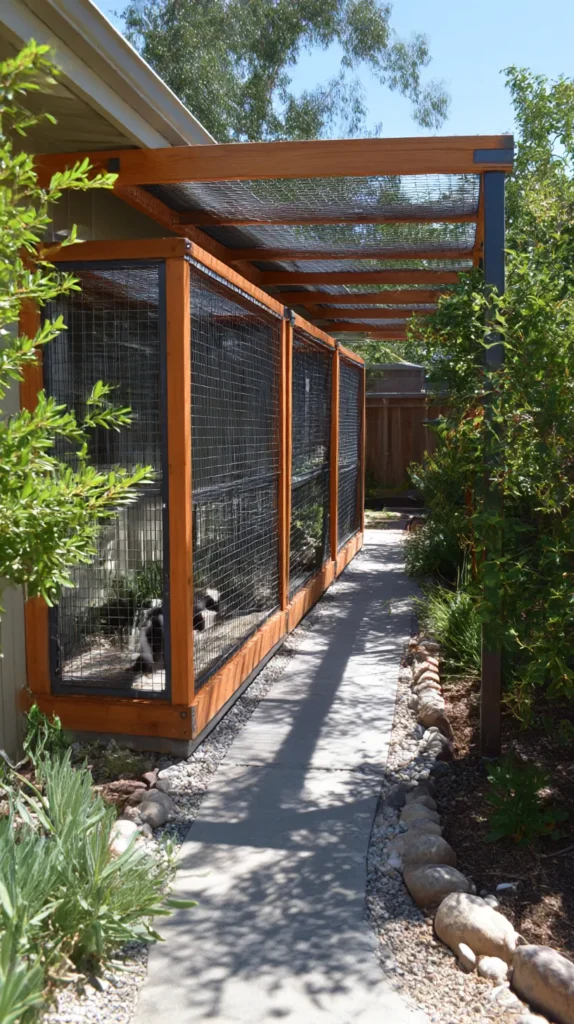
Create catios following garden pathways, starting with short sections, then extending along paths gradually enclosing more garden area, providing cats with safe access to varied outdoor environments. Build initial sections near house exits following existing pathways, design runs matching path widths, creating enclosed corridors, and extend by adding sequential sections as budget allows.
Plant cat-safe vegetation along run exteriors, providing visual interest, including resting platforms or shelves within runs, creating stop points, and ensuring adequate shade along sun-exposed sections. The pathway approach creates interesting environments, while the linear expansion is straightforward and incremental.
10. Modular Shelving Levels
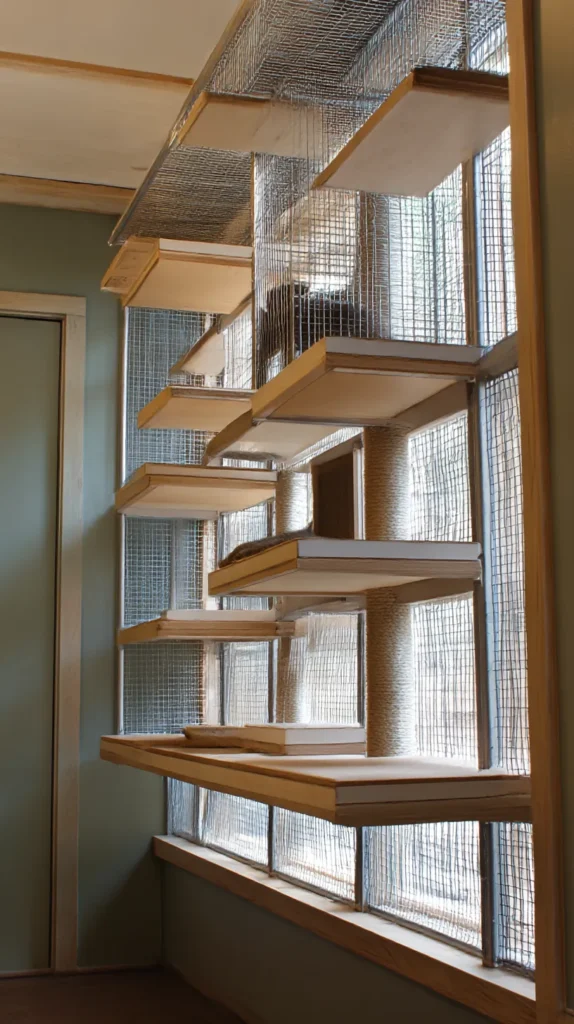
Develop catios emphasizing vertical elements through modular shelving systems that expand by adding new platforms, perches, or climbing elements over time, creating increasingly complex environments. Install basic enclosure structures initially, including minimal shelving, add platforms at varied heights creating resting spots and vantage points, and incorporate climbing elements, including ramps, stairs, or cat trees.
The incremental additions create more interesting environments as budgets allow, while the vertical elements maximize space within fixed footprint enclosures. Use consistent materials and construction methods, ensuring new additions match existing elements, creating cohesive appearances.
11. Lean-To Against House
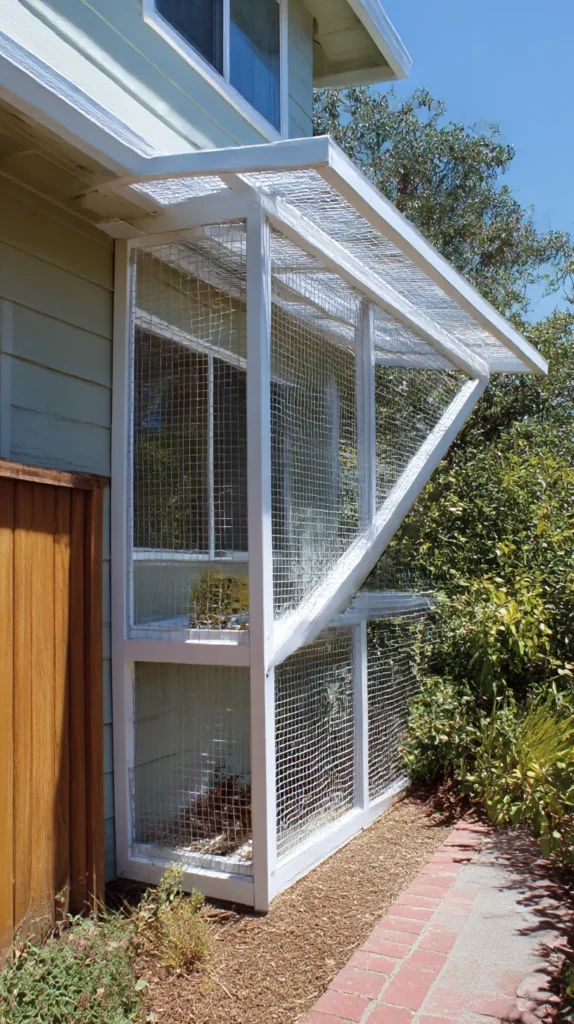
Build simple lean-to catios against house walls, starting with small sections, then expanding along building exteriors, creating protected enclosures using existing walls as one side, reducing materials and construction.
Construct initial lean-to sections near primary cat access points, design roofs sloping away from houses ensuring proper drainage, and extend by adding adjacent sections along walls. The house wall provides one enclosed side, reducing construction, while the lean-to format creates weather-protected spaces. Ensure proper flashing and sealing where catios attach to houses, preventing water intrusion or damage to building exteriors.
12. Portable Module Collections
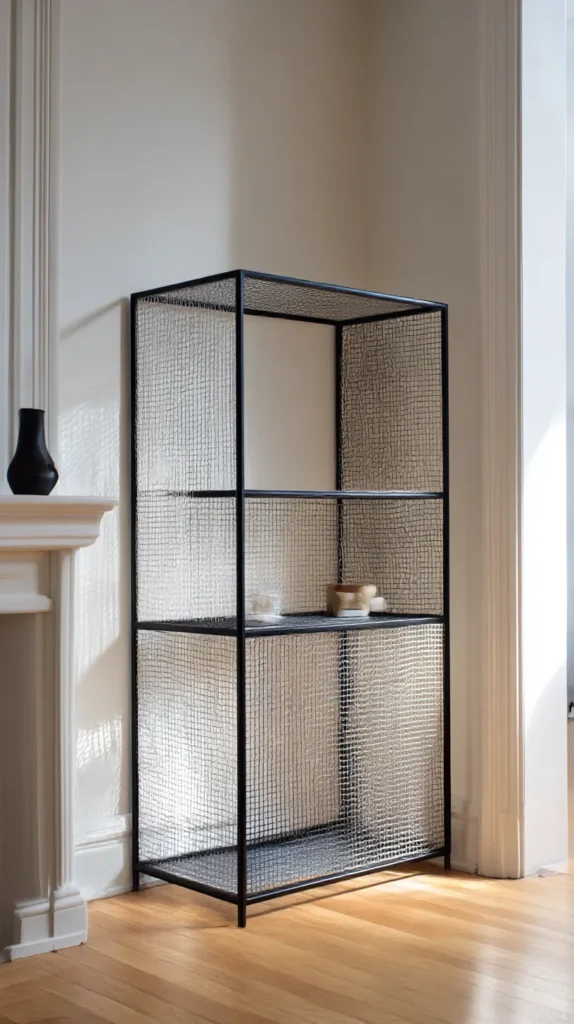
Use portable prefabricated catio modules that can be repositioned and reconfigured as needs change, creating ultimate flexibility through moveable rather than permanent structures. Purchase quality portable enclosures designed for outdoor cat use, position modules where desired, connect
compatible units, and rearrange or add modules as preferences evolve. The portable approach allows seasonal repositioning following sun patterns, temporary expansions for visiting cats, or complete reconfiguration when moving homes. Ensure modules connect securely, preventing escapes while maintaining portability for future adjustments.
13. Caged Walkway Connections
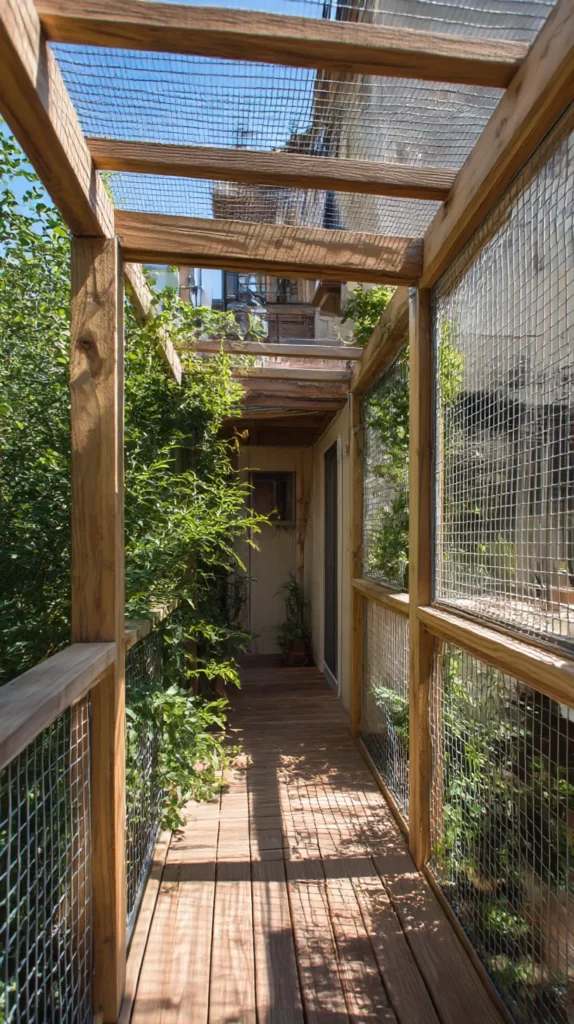
Connect separate catio areas using narrow enclosed walkways, creating networks linking multiple enclosures without requiring large intermediate spaces. Build distinct enclosed areas in different yard locations offering varied environments, install narrow walkway tubes or corridors connecting these spaces, and add new destination areas as desired, linking via additional walkways.
The walkway approach allows using non-contiguous yard areas, while the connections create interesting travel experiences that cats enjoy. Use consistent walkway dimensions, ensuring cats navigate comfortably, while the enclosed corridors prevent escapes during transitions between areas.
14. Hybrid Indoor-Outdoor Expansion
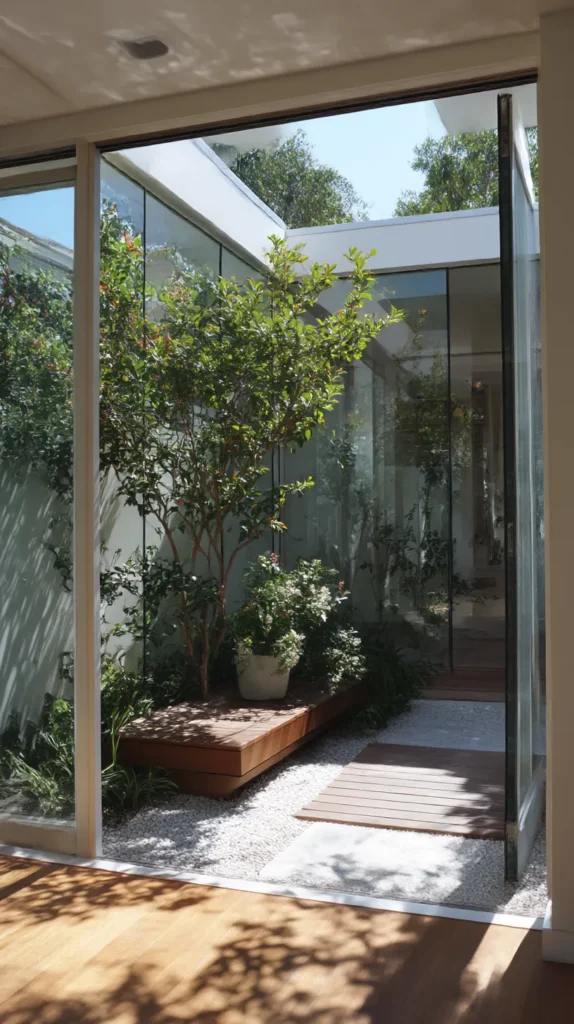
Design systems beginning as indoor enclosures positioned near windows or doors, then extending outdoors through cat-door access, creating seamless indoor-outdoor transitions expandable in both directions. Install indoor catio sections providing safe window access and indoor climbing structures, add cat doors allowing outdoor access when desired, and build outdoor sections accessed through these doors.
The hybrid approach provides year-round indoor access while outdoor sections offer seasonal enrichment. Expand either indoor or outdoor portions as space and budget allow, creating comprehensive systems serving all seasons.
Successfully implementing modular expandable catios requires initial planning considering likely future expansion directions ensuring adequate space for anticipated growth, using consistent construction methods and dimensions throughout all phases ensuring compatibility, and building quality foundations and structures in early phases supporting later additions without requiring rebuilds. Document construction methods, materials, and dimensions creating references for future expansions ensuring consistency.
Consider cats’ current and future needs planning for possible additional pets, aging cats requiring easier access, or changing usage patterns as cats discover preferences. Install adequate support structures during initial phases even if not immediately needed preventing difficult retrofits when expansions occur. Maintain building codes and regulations throughout all phases ensuring legal compliant construction.
Budget realistically for both initial construction and anticipated expansions ensuring financial capacity for meaningful future additions rather than creating starter catios that never expand as intended. Prioritize quality over quantity in initial phases creating solid foundations worth expanding rather than poor-quality starts that discourage investment in additions.
Most importantly, remember that modular catios succeed through thoughtful planning, consistent quality, and the recognition that flexible expandable designs accommodate changing circumstances while providing cats the safe outdoor enrichment they deserve creating systems growing alongside beloved feline families.