
Taming the Slope: Landscaping Ideas for a Steep Hill
Steep hillside properties present genuine landscaping challenges where erosion concerns, difficult access, and drainage complications demand strategic planning, creating the kind of functional, beautiful slopes that transform apparent liabilities into distinctive landscape advantages.
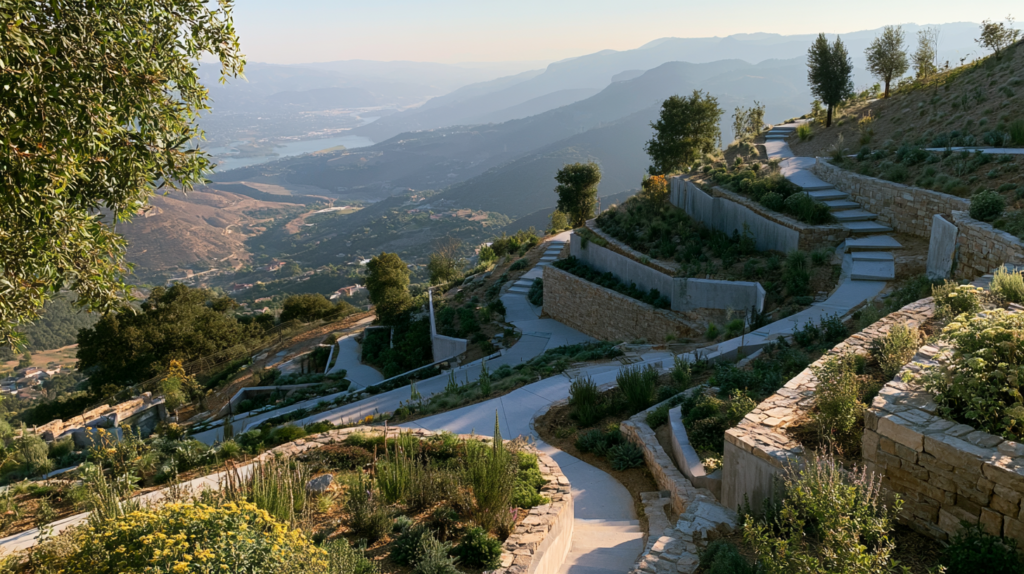
These challenging terrain situations require thoughtful design, acknowledging natural slope characteristics while implementing solutions supporting plant establishment, preventing erosion, and creating genuinely usable outdoor spaces despite grade difficulties. Strategic slope landscaping incorporating terracing, strategic plantings, erosion control measures, and intentional design transforms problematic grades into sophisticated landscape features, establishing a distinctive character impossible on flat sites.
Understanding which plants thrive on slopes, how to manage water flow, preventing damage, and what constitutes practical solutions preventing expensive failures ensures slope projects deliver lasting value, supporting genuine landscape improvement. This comprehensive guide provides practical approaches enabling successful slope transformation, creating attractive functional hillside landscapes.
Assess Existing Conditions and Grade Severity
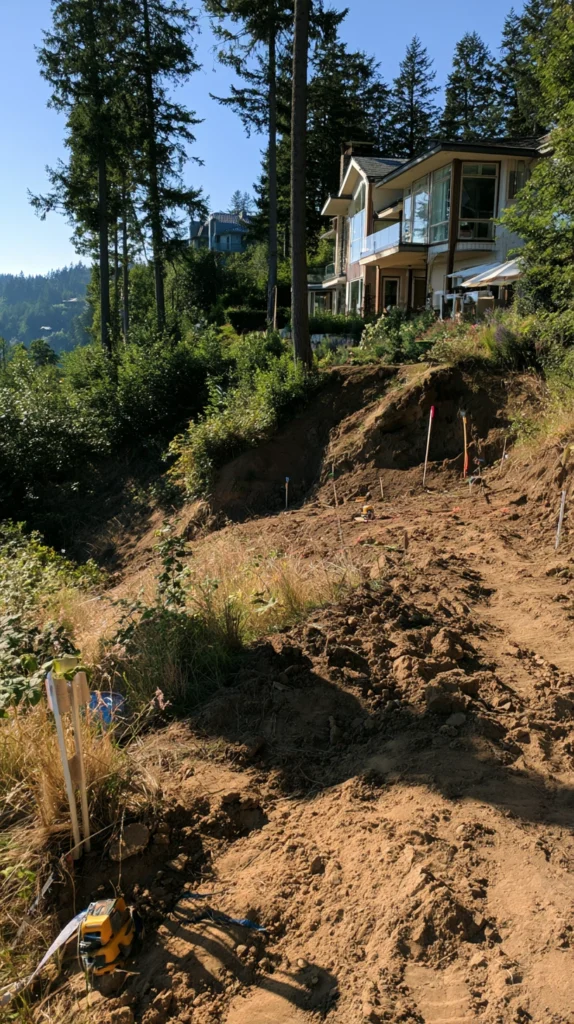
Begin slope projects by honestly evaluating existing conditions, determining what interventions actual slopes require. Measure grade severity using levels, determining the percentage slope, and dictating appropriate treatment approaches. Slopes exceeding 20-30 percent grade present genuine challenges requiring professional intervention, while gentler slopes accommodate varied solutions.
Evaluate soil composition, determining whether clay, sandy, or rocky conditions exist, affecting plant establishment and drainage. Assess existing drainage patterns, understand natural water flow, and prevent standing water or erosion problems. Photograph slopes from multiple angles, documenting existing vegetation and identifying problem areas requiring immediate attention.
Implement Terracing, Creating Level Planting Areas
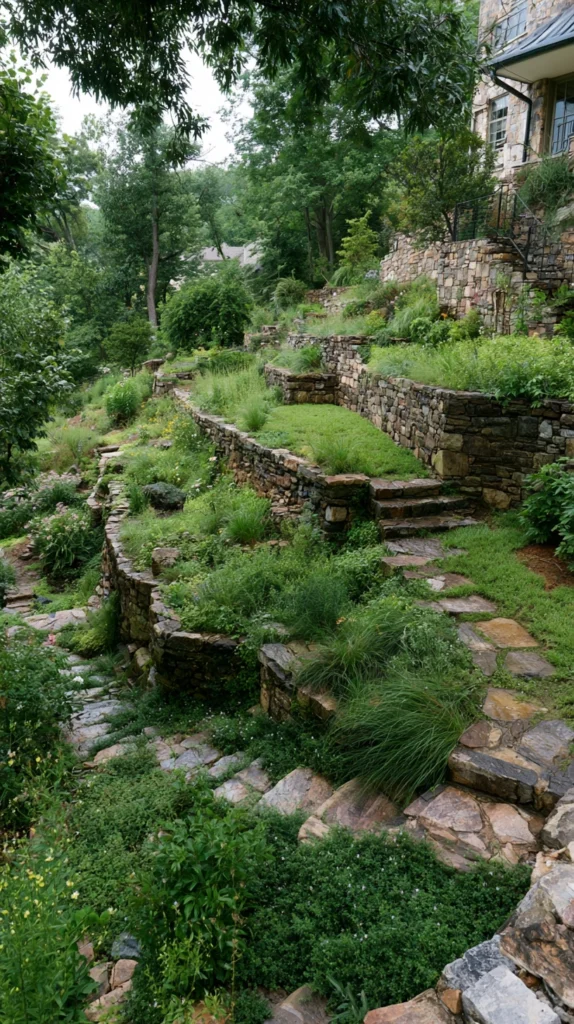
Establish functional level spaces through strategic terracing, reducing grade severity while creating flat areas accommodating plantings and uses otherwise impossible on steep slopes. Build retaining walls at appropriate intervals, creating stepped terraces, use quality materials ensuring structural stability, and design terraces following natural contours.
Proper terracing requires professional engineering, ensuring structural integrity and preventing catastrophic failures. Include adequate drainage behind retaining walls, preventing water pressure damage. Terraced design creates visual interest while providing practical functionality, transforming unusable slopes into productive landscapes.
Install Retaining Walls Supporting Slope Stability
Create structural support through quality retaining walls, preventing erosion while establishing grade changes supporting landscape design. Choose appropriate materials, including concrete, stone, timber, or composite materials, coordinating with surrounding aesthetics.
Ensure proper installation, including adequate drainage, compacted base materials, and structural engineering, to prevent failures. Well-designed retaining walls become architectural features enhancing rather than detract from landscapes while providing essential structural support.
Select Appropriate Slope Plants to Prevent Erosion
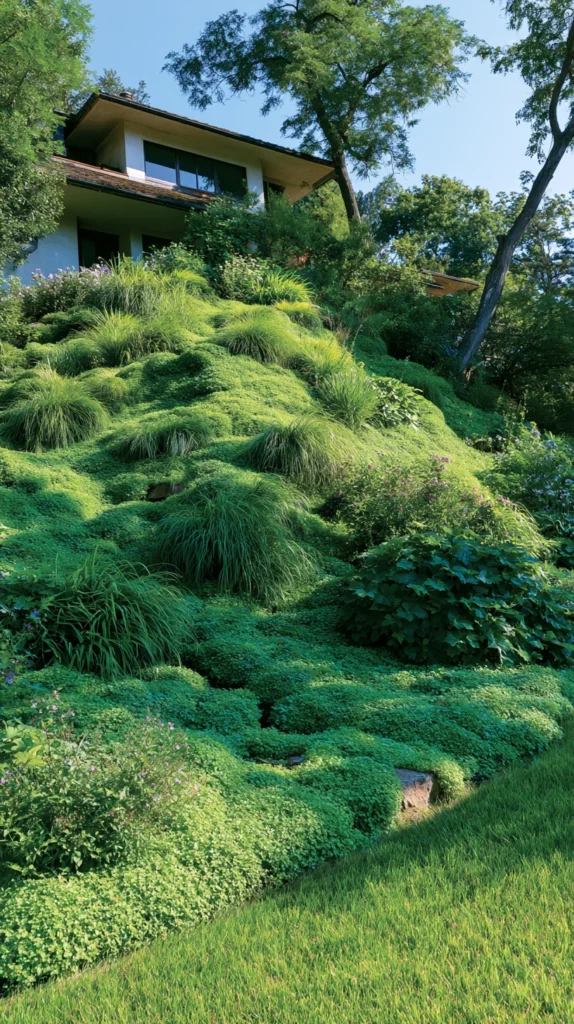
Establish vegetation preventing erosion through appropriate plant selection supporting root systems, stabilizing soil. Choose native groundcovers spreading across slopes, creating erosion prevention while reducing maintenance requirements. Include deep-rooted perennials establishing root systems, strengthening soil structure.
Plant in dense patterns, creating vegetative coverage, preventing water from reaching bare soil. Select plants tolerating slope conditions, including difficult drainage and potential drought stress. Slow establishment allows proper root development, preventing plant failure on challenging slopes.
Incorporate Erosion Control Measures During Establishment
Protect newly planted slopes through temporary erosion control measures supporting plant establishment until vegetation matures. Install erosion control blankets, stabilizing soil, and preventing washout during heavy rain.
Use mulch heavily to protect the soil from direct impact while retaining moisture, supporting plant growth. Create small berms directing water flow, preventing concentrated runoff. Temporary measures support permanent solutions, allowing vegetation establishment without catastrophic failures.
Design Water Management: Preventing Damage
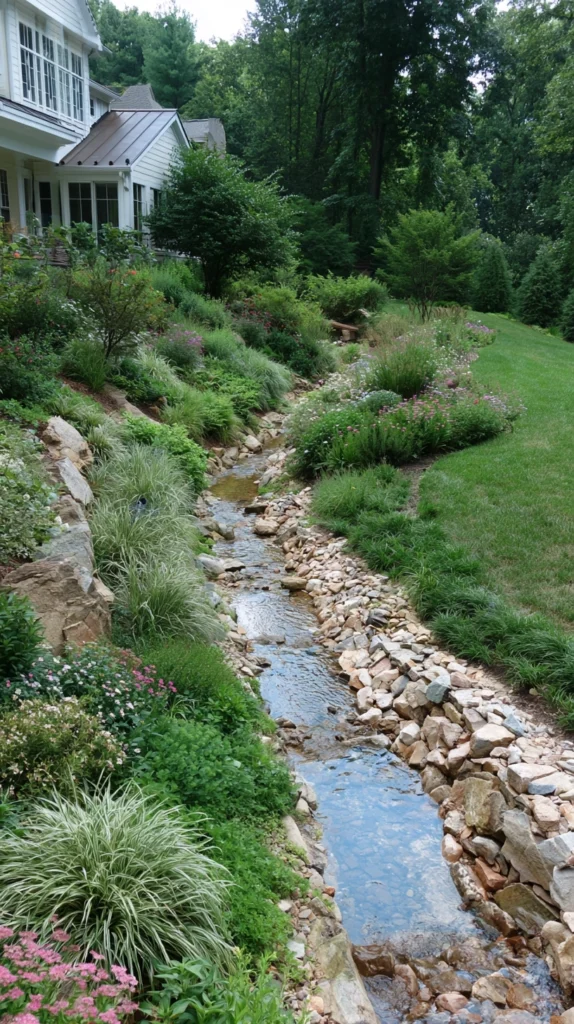
Manage hillside water flow, preventing damage through strategic drainage solutions. Install French drains or catch basins intercepting water before reaching critical areas. Create terraced swales directing water safely downslope, preventing erosion. Install drainage systems below retaining walls, preventing hydrostatic pressure damage.
Consider underground detention systems managing stormwater, preventing flooding, or erosion. Proper water management prevents the expensive failures that inadequate drainage creates.
Create Access and Circulation Patterns
Establish functional use through thoughtful pathways accommodating access despite slope challenges. Design switchback paths creating manageable grades, allowing comfortable access to elevated areas. Install quality hardscaping, including steps or gravel pathways, preventing mud and erosion.
Position seating areas at natural plateau points, creating gathering spaces despite challenging grades. Adequate access transforms slopes from unusable to genuinely functional areas supporting actual occupancy.
Utilize Native Plants Adapted to Slope Conditions
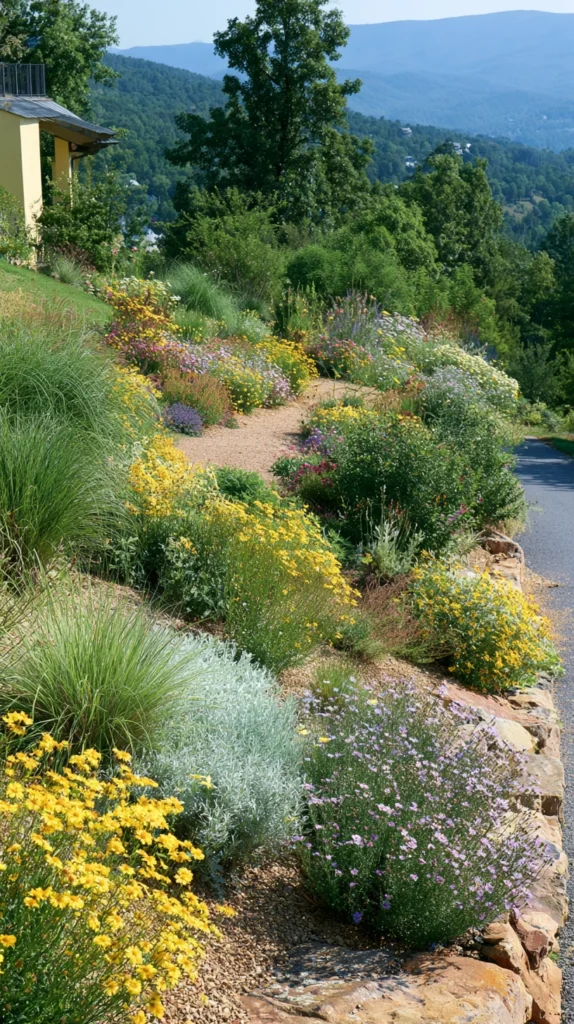
Prioritize native species naturally adapted to local slope conditions, ensuring successful establishment without excessive maintenance. Choose plants with appropriate growth habits, including spreading groundcovers or substantial shrubs anchoring slopes. Select species tolerating drainage conditions specific to slopes ranging from dry upper areas to potentially moist lower sections. Native plants support local ecosystems while requiring minimal supplemental irrigation once established. Species diversity prevents monoculture, creating visually interesting, varied landscapes.
Incorporate Structural Plantings Creating Visual Interest
Add dimension through strategic specimen plantings, establishing focal points, and visual variety. Position substantial shrubs or small trees at terrace levels, creating vertical interest and architectural presence. Select plants with distinctive foliage or seasonal interest, providing year-round character. Stagger plantings, creating depth and natural appearance, and preventing obvious artificial arrangements. Thoughtful positioning transforms slopes into sophisticated landscapes rather than merely functional erosion control.
Install Quality Hardscaping: Creating Definition
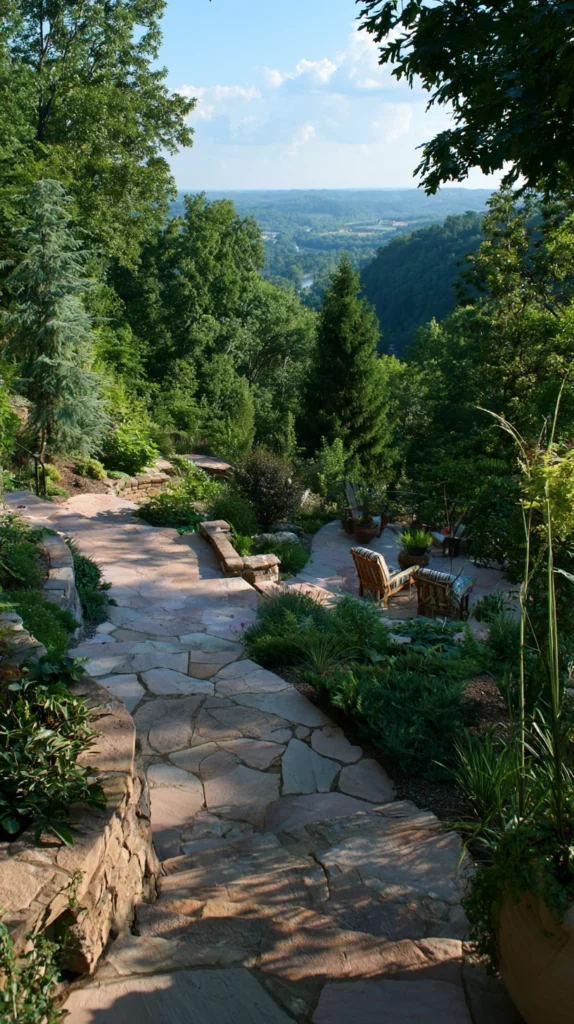
Establish architectural presence through quality hardscaping, including pathways, seating areas, or accent features. Use materials coordinating with home architecture, maintaining design cohesion. Position features strategically, creating visual interest and functional gathering spaces. Quality materials communicate investment and design intentionality. Hardscaping elements transform slopes from purely vegetated spaces into comprehensive outdoor rooms.
Create Focal Points at Natural Viewpoints
Establish memorable moments through strategic focal points positioned at natural vista points or destination areas. Install benches or gathering areas at slope plateaus, creating pause points within circulation. Position water features, sculptures, or architectural elements to create visual interest and gathering purposes. Thoughtful focal point positioning encourages exploration while establishing reasons for navigating challenging grades.
Plan Phased Implementation Preventing Overwhelm
Acknowledge that slope projects require patience and phased implementation rather than attempting complete immediate transformation. Prioritize critical stabilization measures first, establishing slope stability before aesthetic improvements.
Phase plantings allow adequate establishment time, preventing failure from rushed installation. Budget for extended projects, recognizing that slope work requires sustained effort over years rather than seasons. Realistic planning prevents discouragement while building toward comprehensive transformation.
Maintain Long-Term Commitment to Slope Management
Recognize that slopes require ongoing maintenance supporting established plantings and erosion control. Plan regular maintenance schedules, including pruning, mulch replacement, and vegetation tending. Monitor drainage systems, ensuring proper function and preventing damage. Assess vegetation health, addressing struggling plants, and preventing failure. Long-term commitment preserves investments, ensuring lasting landscape improvement.
Consider Professional Slope Engineering Assistance
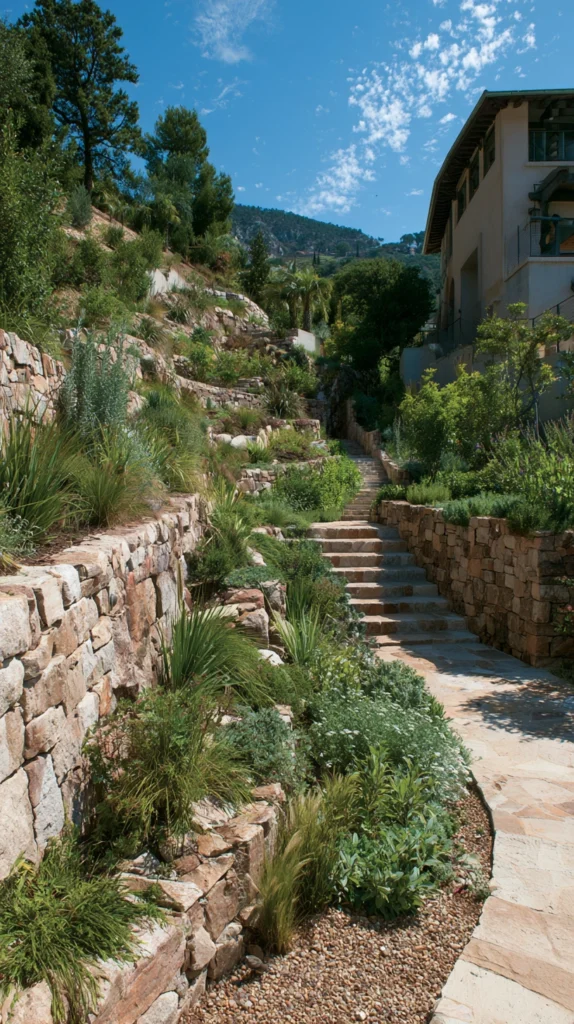
Evaluate professional consultation, determining whether engineering expertise justifies the cost for your specific situation. Certified landscape architects provide comprehensive design addressing slope challenges while creating attractive results. Structural engineers ensure retaining walls and terracing meet safety requirements, preventing failures. Professional involvement prevents costly mistakes while establishing sophisticated, comprehensive solutions.
Successfully taming steep slopes requires honest assessment of existing conditions, comprehensive drainage planning, appropriate plant selection, and phased implementation supporting realistic transformation. Strategic approaches transform apparent liabilities into distinctive advantages, creating landscapes that genuinely enhance properties despite challenging grades.
Patient thoughtful planning combined with quality execution delivers the kind of slope transformation that justifies substantial effort proving that challenging terrain provides genuine opportunities for creating memorable distinctive landscapes when addressed with design knowledge and commitment to long-term stewardship establishing that slopes properly designed become genuine landscape assets rather than perpetual maintenance problems demonstrating that creative problem-solving combined with strategic planting transforms steep hillsides into beautiful functional outdoor spaces worthy of genuine pride and satisfaction.