
15 Plants That Repel Mosquitos Naturally and Beautify Your Home
Mosquitos can quickly ruin a peaceful evening in your backyard or even sneak indoors to disturb your rest. While sprays and candles are common fixes, planting mosquito-repelling greenery offers a long-term, natural solution.
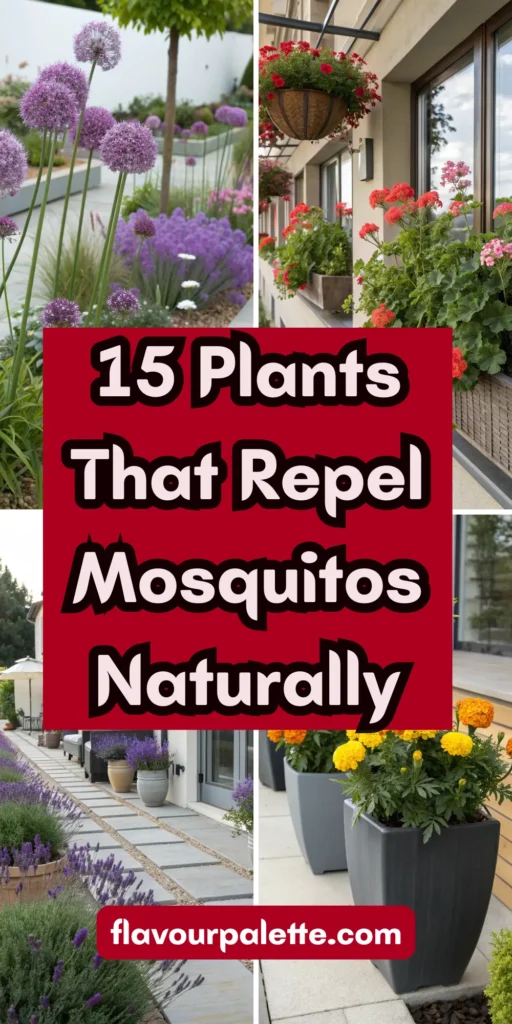
Many plants contain oils and scents that mosquitoes dislike, making them both decorative and functional. The best part is, these plants enhance your garden or indoor aesthetic while quietly keeping pests at bay.
Here are 15 beautiful, effective plants that repel mosquitoes and give your living spaces a refreshing touch.
1. Lavender

Lavender’s soothing purple blooms don’t just look pretty — they release a calming aroma that mosquitoes avoid. The essential oils found in lavender make it an excellent natural repellent.
You can plant lavender along walkways, in pots by doors, or near seating areas to create a fragrant, protective barrier. It also doubles as a stress-reducing herb for indoor use.
2. Citronella Grass
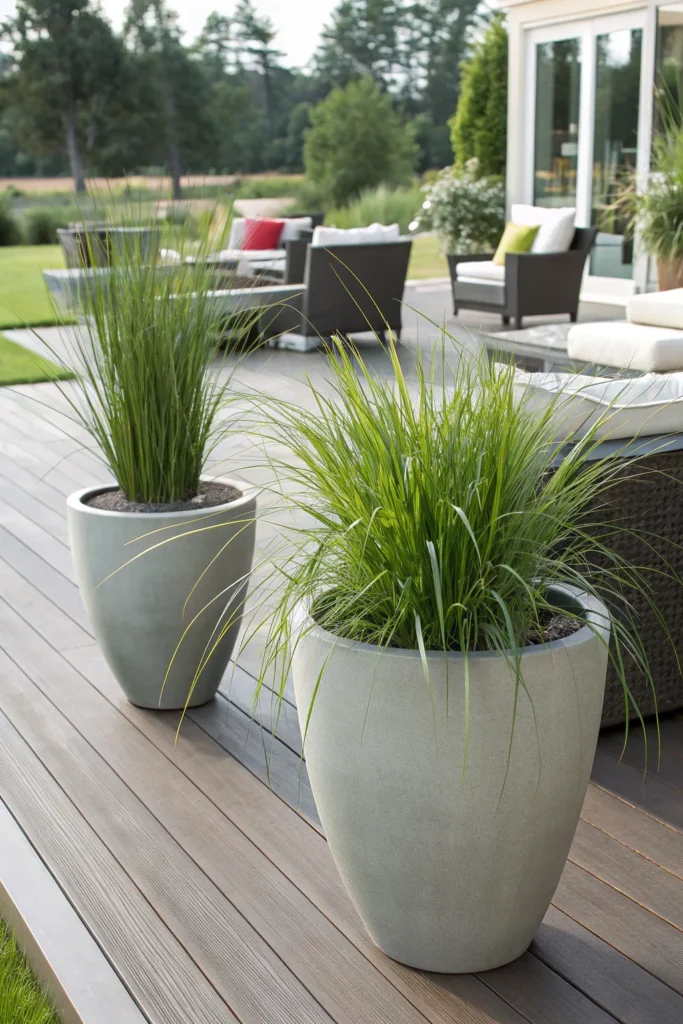
Often marketed as “the mosquito plant,” citronella grass produces oils that are widely used in mosquito-repelling candles and sprays. Its lemony scent is fresh yet strong enough to deter pests.
Grow citronella in large containers or garden beds. It thrives in warm weather, making it a summer essential for patios and decks.
3. Marigolds

Marigolds are bright, cheerful flowers that release a scent mosquitoes dislike. They contain pyrethrum, a natural insecticide that adds extra defense against pests.
They’re perfect for edging vegetable gardens, where they also protect crops from other insects. Easy to grow and low maintenance, marigolds add both beauty and function.
4. Basil
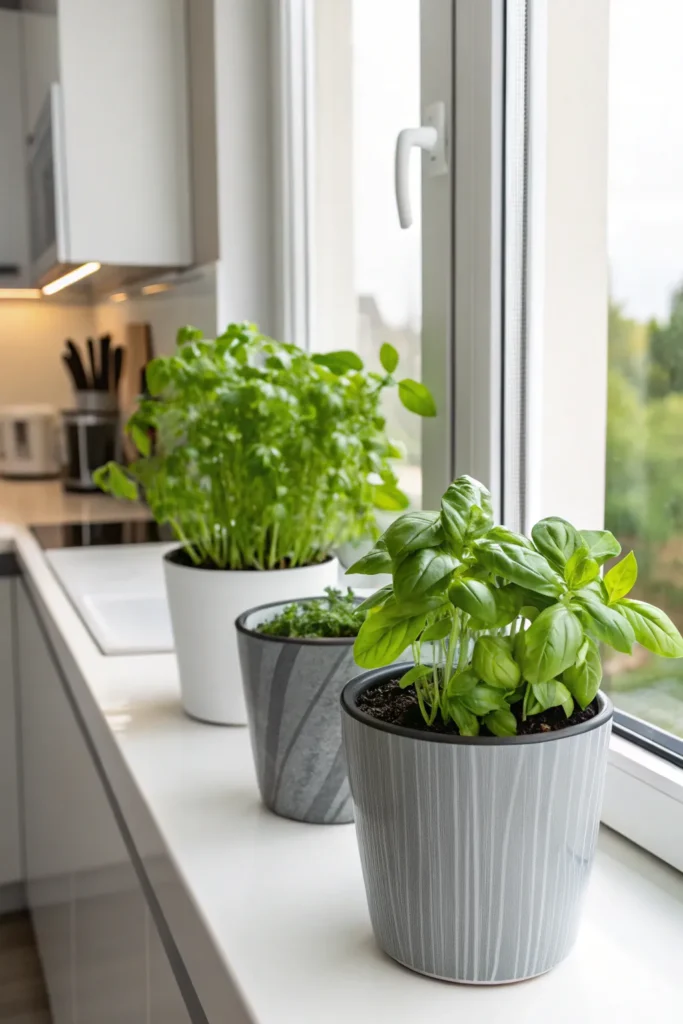
This kitchen staple doubles as a mosquito deterrent thanks to its strong aroma. Unlike many herbs, basil doesn’t need to be crushed to release its repellent oils.
Place pots of basil near windows, balconies, or outdoor dining tables. You’ll get fresh herbs for cooking and a natural shield against unwanted bites.
5. Rosemary
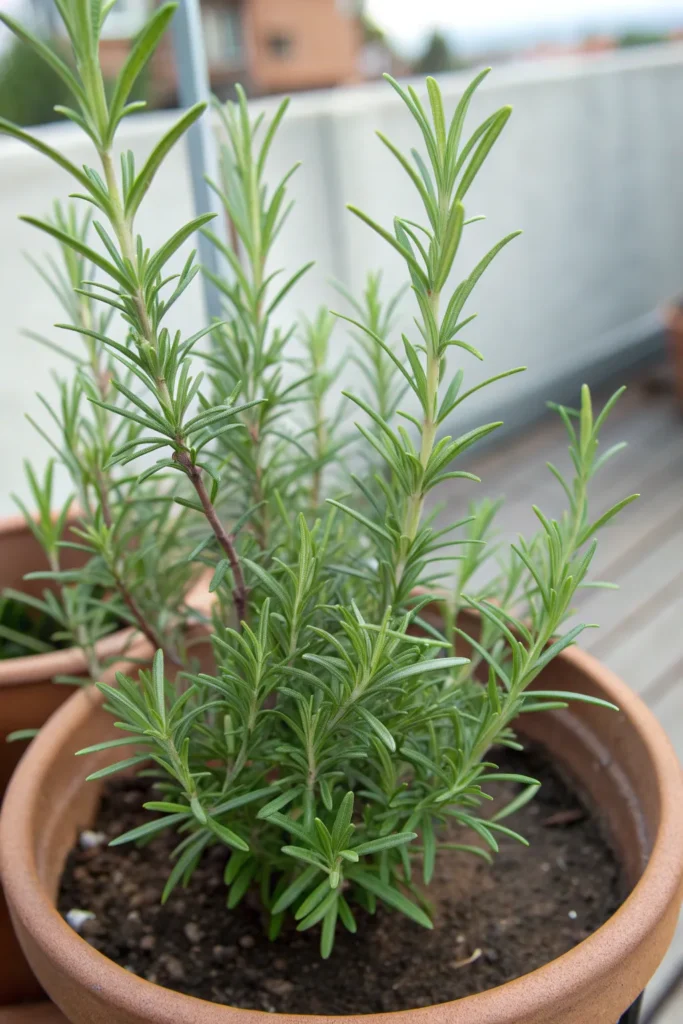
Rosemary’s needle-like leaves are fragrant, and mosquitoes dislike the pungent oils they release. When burned as dried sprigs, rosemary acts like a natural mosquito-repelling incense.
It grows well in containers or as a hedge, making it ideal for both small patios and larger yards. Bonus: it pairs well with meat dishes when cooking outdoors.
6. Mint

Mint’s refreshing aroma masks the carbon dioxide and body odors that attract mosquitoes. It spreads quickly, making it a practical groundcover in gardens.
For control, grow mint in containers. Crushed mint leaves can even be rubbed directly onto the skin for short-term relief from mosquito bites.
7. Lemongrass
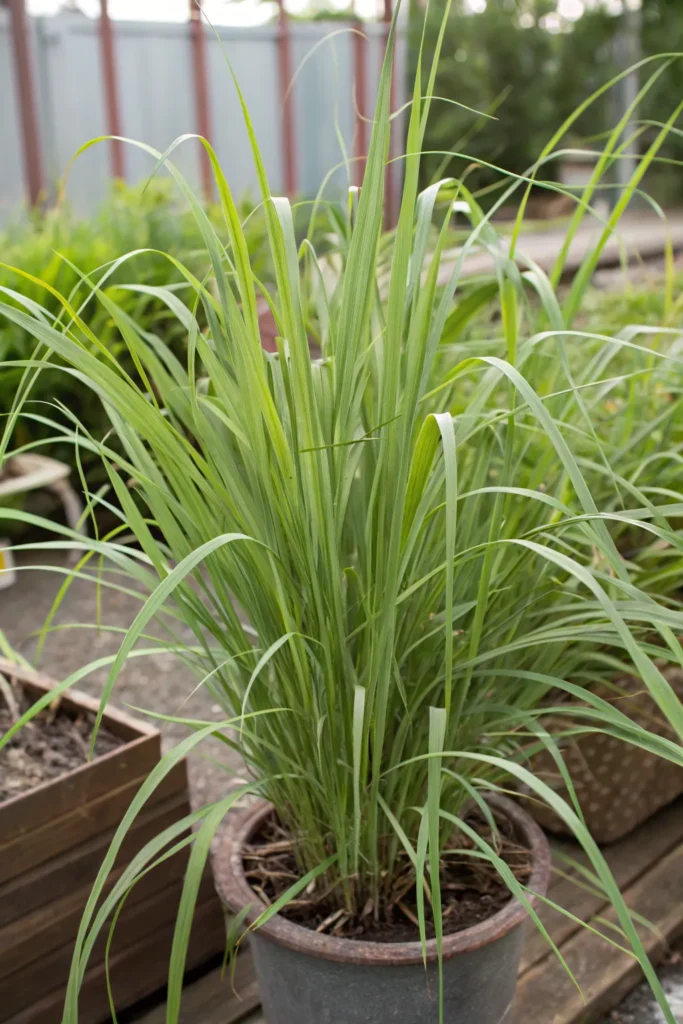
Closely related to citronella, lemongrass is another mosquito-fighting plant with a crisp, citrus scent. It’s tall and graceful, adding vertical height to gardens.
You can plant lemongrass in pots or beds, then harvest its stalks for use in teas and cooking while enjoying its natural repellent qualities.
8. Catnip
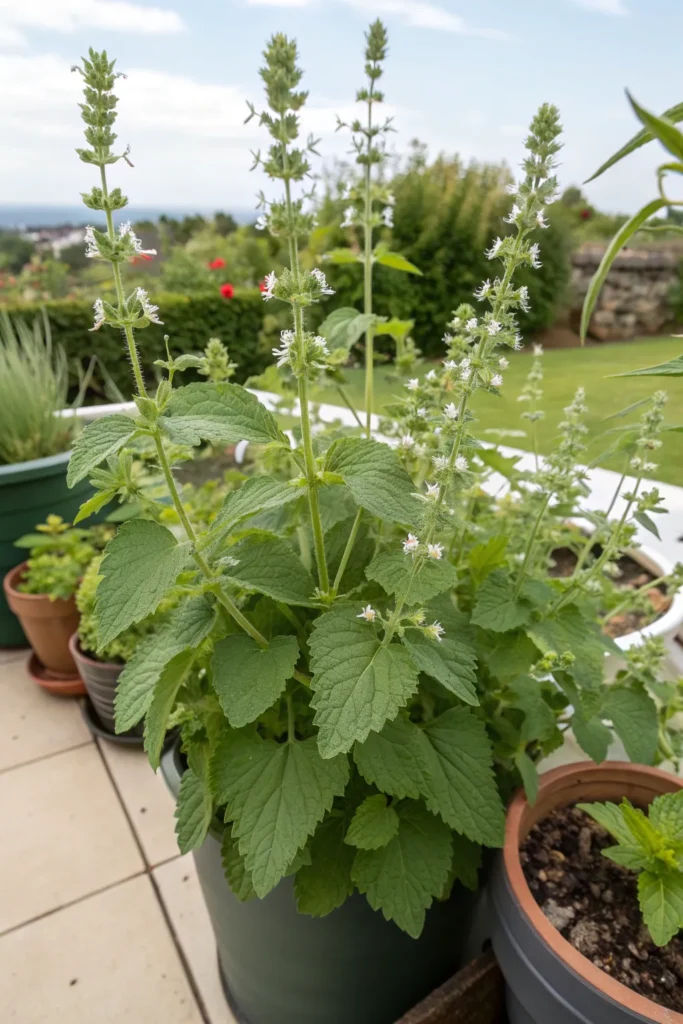
Catnip contains nepetalactone, which is more effective than some chemical repellents at deterring mosquitoes. While cats love it, mosquitoes avoid it completely.
It’s best planted in containers to control spreading, as catnip can take over a garden quickly. Place pots strategically around outdoor living spaces for maximum effect.
9. Sage

Sage is well-known for its culinary uses, but burning sage leaves around a fire pit or grill keeps mosquitoes away. The earthy scent acts as a natural barrier.
Plant sage near seating areas or keep it in decorative planters. It’s hardy and thrives in sunny locations, making it low-maintenance and reliable.
10. Geraniums
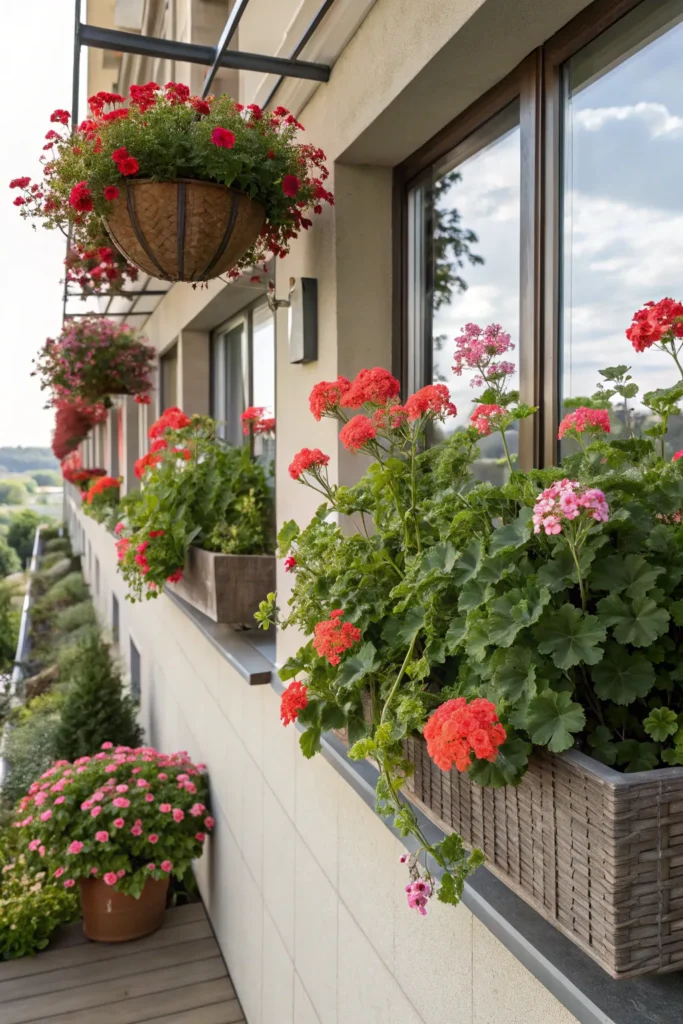
Scented geraniums, particularly those with a lemon fragrance, emit oils that deter mosquitoes. Their colorful flowers brighten patios while offering pest protection.
These plants do best in sunny spots and look stunning in hanging baskets or window boxes, making them both decorative and functional.
11. Pennyroyal
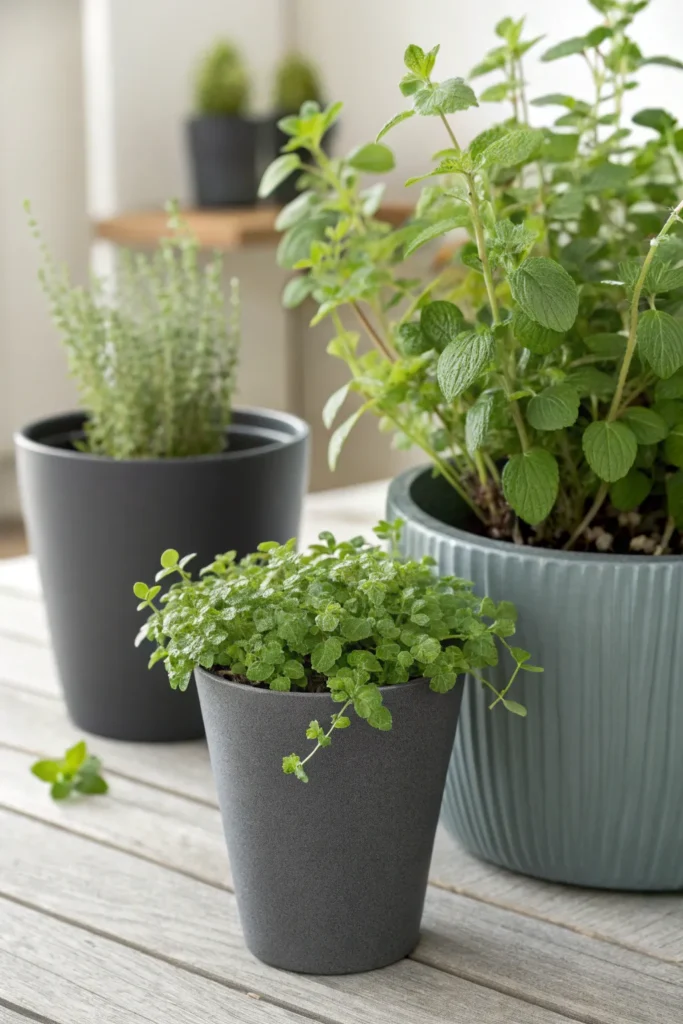
Pennyroyal is a lesser-known herb with powerful mosquito-repelling properties. Its strong scent drives pests away naturally.
It works well in pots but should not be ingested, so keep it as a decorative-only plant. Its creeping growth habit makes it a lovely groundcover.
12. Bee Balm

Bee balm attracts pollinators like bees and butterflies while repelling mosquitoes with its aromatic oils. Its vibrant flowers add a wild, colorful touch to gardens.
You can grow it in clusters for a bold display, and its leaves can even be used to make herbal tea. It’s a multitasking plant that balances beauty with purpose.
13. Garlic

Planting garlic in your garden helps ward off mosquitoes as they dislike its strong smell. While you won’t notice the odor much, insects certainly will.
Garlic is easy to grow and harvest, giving you both a natural repellent and a fresh supply for cooking. Line garden beds with garlic for hidden protection.
14. Allium
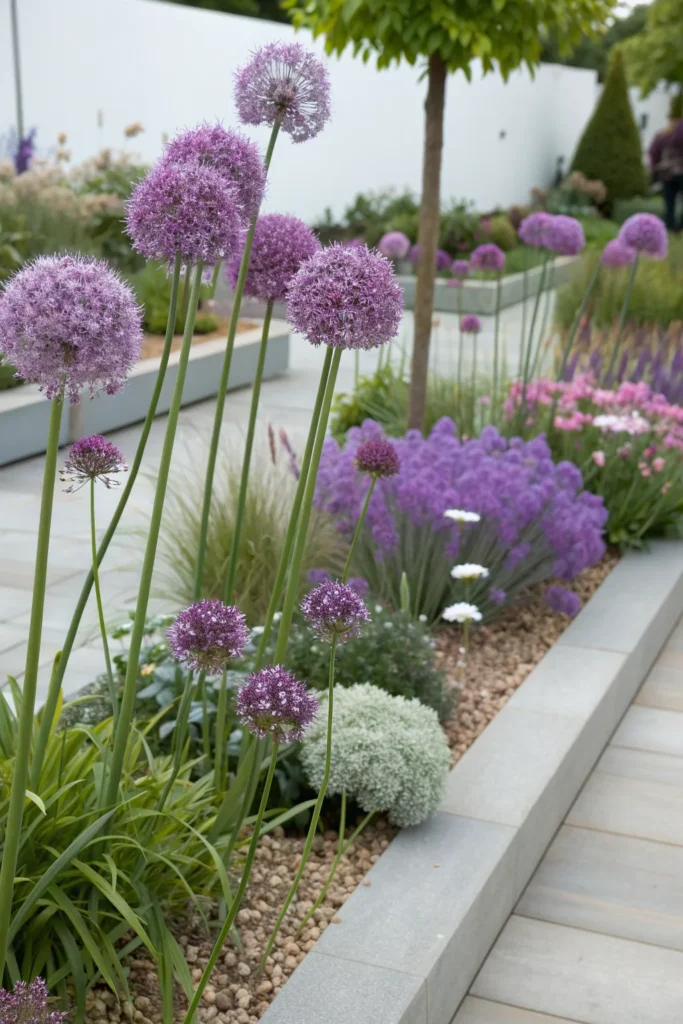
Allium, a decorative member of the onion family, produces striking globe-like flowers that naturally repel mosquitoes. They bring a dramatic look to gardens.
Plant them alongside other ornamentals for pest protection that doesn’t sacrifice design. They bloom in spring, adding early color and defense.
15. Lemon Balm
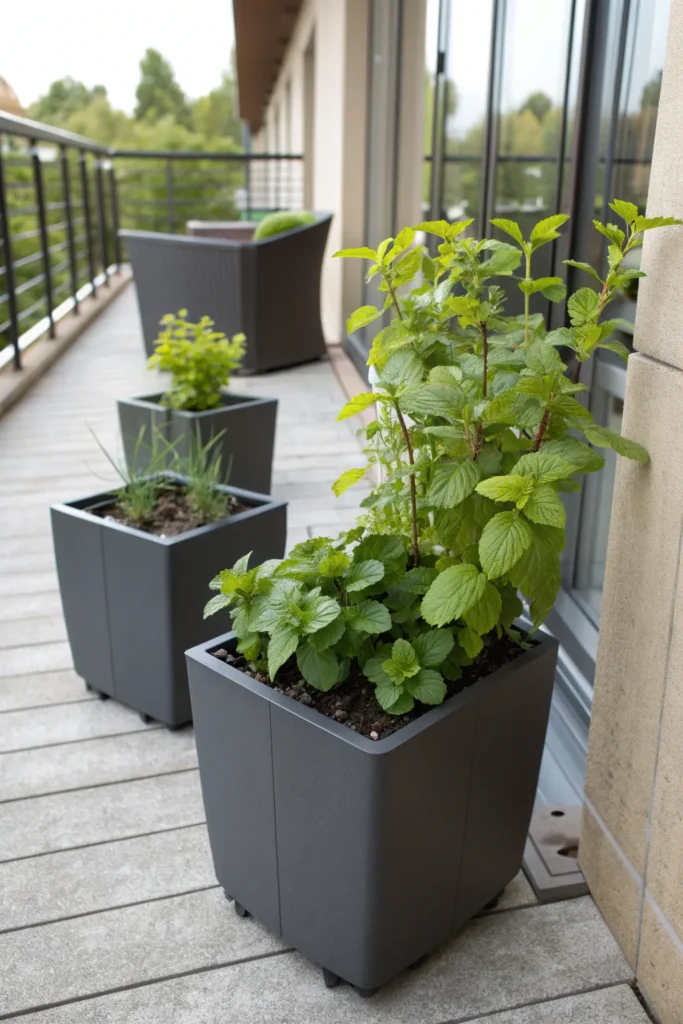
Lemon balm gives off a fresh citrus scent that mosquitoes dislike. Its leaves can also be crushed and rubbed onto the skin as a quick repellent.
It’s fast-growing and works well in containers to prevent spreading too much. Place pots on patios, balconies, or entryways for all-season protection.
Estimated Cost Guide for Mosquito-Repelling Plants (U.S. 2025 Prices)
- Lavender: $8 – $25 per plant
- Citronella Grass: $12 – $35 per pot
- Marigolds: $3 – $15 per pack
- Basil: $5 – $20 per plant
- Rosemary: $8 – $30 per plant
- Mint: $5 – $20 per plant
- Lemongrass: $10 – $25 per plant
- Catnip: $5 – $15 per plant
- Sage: $8 – $25 per plant
- Geraniums: $10 – $40 per pot
- Pennyroyal: $6 – $18 per plant
- Bee Balm: $8 – $25 per plant
- Garlic: $5 – $15 per bulb set
- Allium: $12 – $40 per bulb pack
- Lemon Balm: $6 – $20 per plant
Budget Tip: Herbs like basil, mint, and lemon balm are the most affordable and versatile options. They grow quickly, can be harvested for cooking or teas, and give strong mosquito protection without high upfront costs.