14 Landscaping Touches That Quietly Transform an Ordinary Yard
Extraordinary landscapes rarely result from single dramatic gestures but rather from accumulated thoughtful details that together create cohesive, beautiful environments.
These subtle touches—the kind easily overlooked yet profoundly impactful—distinguish truly exceptional yards from merely adequate ones. Strategic edging, intentional plant groupings, proper lighting placement, and polished finishing elements create the visual refinement that makes properties appear professionally designed and meticulously maintained.
Understanding which details deliver disproportionate impact relative to their cost and effort allows homeowners to elevate ordinary yards systematically through manageable incremental improvements. These fourteen landscaping touches work quietly in the background, individually making modest contributions but collectively transforming entire properties from forgettable to genuinely memorable through the kind of attention to detail that signals care, investment, and design sophistication.
1. Crisp Defined Bed Edges
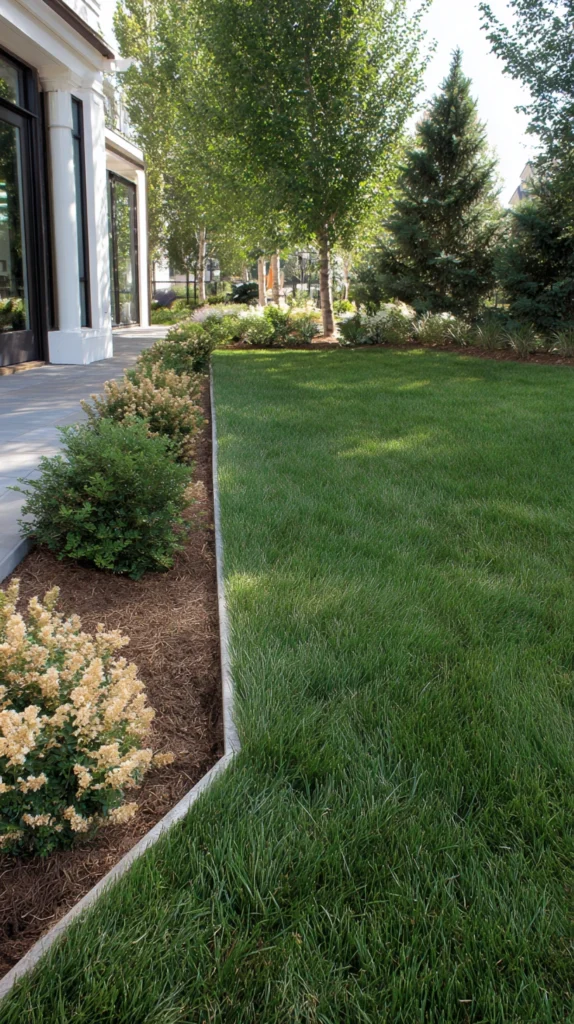
Install permanent edging materials—metal strips, stone borders, or brick courses—creating sharp transitions between lawns and planting beds that maintain definition without constant re-cutting. The clean edges create immediate visual order and demonstrate maintenance commitment while preventing grass encroachment into beds, reducing weeding requirements.
Choose edging materials coordinating with home exteriors and existing hardscaping, creating cohesive material palettes throughout properties. Install edging several inches deep, ensuring stability and preventing grass roots from tunneling beneath. The defined edges create the kind of crisp professional appearance that distinguishes maintained landscapes from neglected ones, while the permanent installation eliminates repetitive seasonal re-edging tasks.
2. Thoughtful Plant Groupings
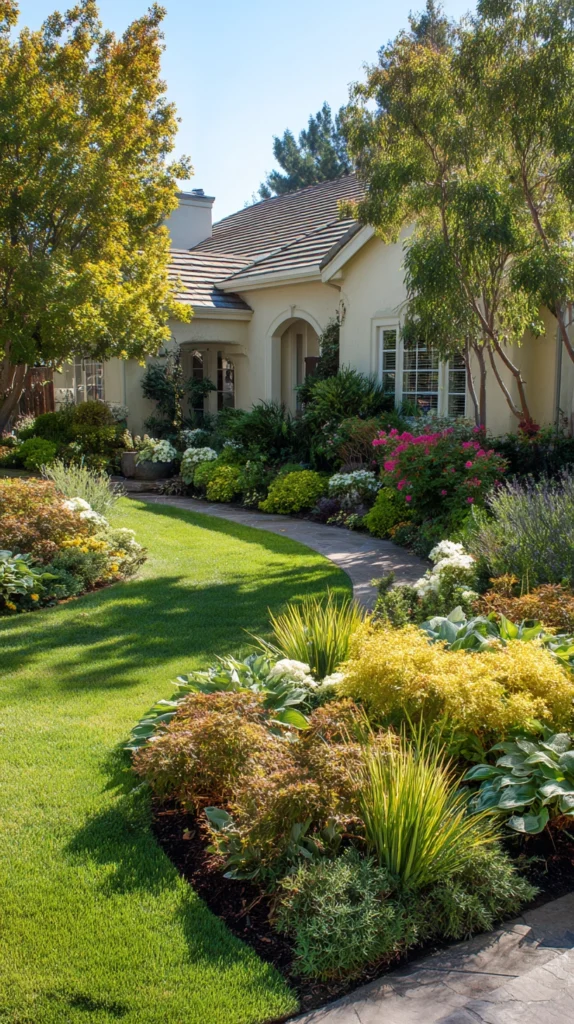
Arrange plants in odd-numbered clusters—groups of three, five, or seven—rather than scattering individual specimens, creating visual impact through repetition and intentional massing. The grouped approach appears professionally designed, demonstrating horticultural knowledge while creating substantially more presence than equivalent numbers of randomly scattered plants.
Repeat specific plants throughout landscapes, creating rhythmic continuity that ties diverse areas together visually. The massed groupings create a seasonal impact that single specimens cannot achieve, while the repetition establishes a cohesive design rather than chaotic plant collections lacking a unifying vision.
3. Landscape Lighting Installation
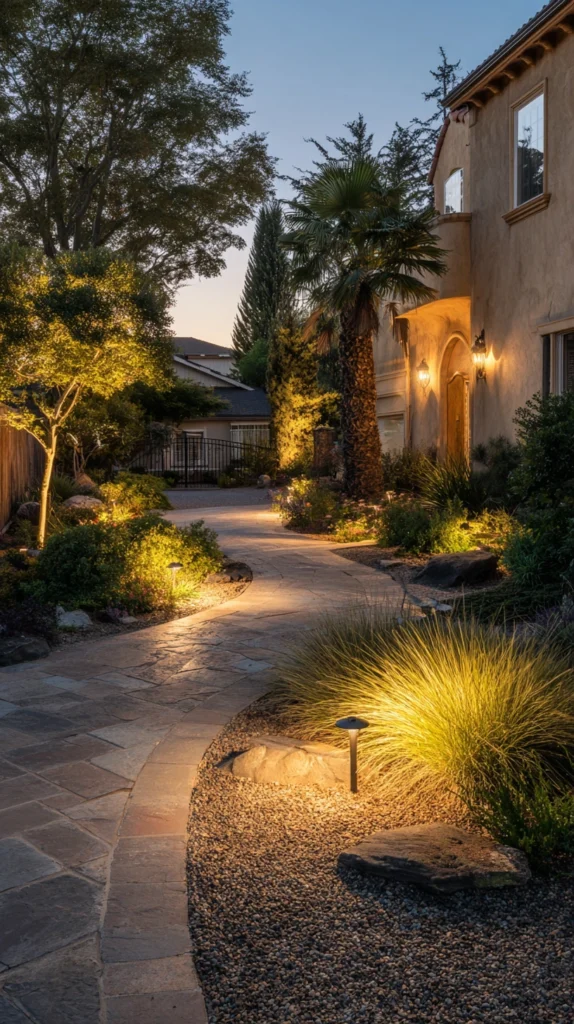
Add low-voltage LED landscape lighting illuminating pathways, uplighting specimen trees, highlighting architectural features, and creating evening ambiance, extending yard usability past sunset. Position path lights ensuring safe navigation while their warm glow creates inviting atmospheres, uplight interesting tree forms creating dramatic shadows, and accent focal points like sculptures or water features.
The lighting transforms landscapes after dark, revealing entirely different nighttime beauty, while the low-voltage systems install relatively easily without requiring licensed electricians. Well-lit landscapes appear more valuable and carefully considered while extending functional outdoor hours throughout warm evenings.
4. Mulch Depth Consistency
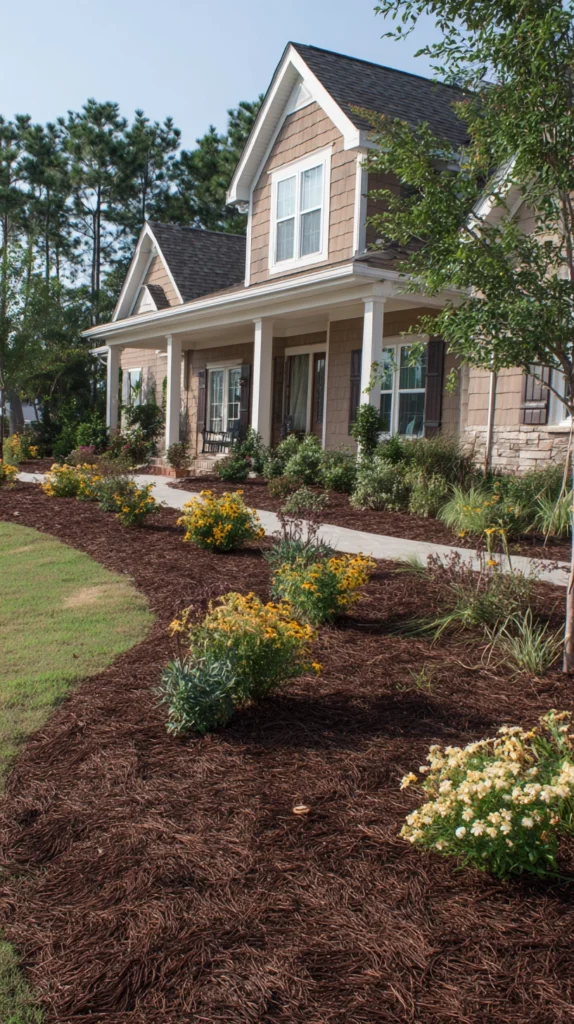
Maintain uniform 2-3 inch mulch depth throughout all planting beds, creating a consistent appearance, suppressing weeds, conserving moisture, and moderating soil temperatures. Refresh mulch annually, maintaining proper depth as material decomposes, pull mulch away from plant stems and tree trunks, preventing moisture-related rot, and use single mulch type throughout properties, creating a unified appearance.
The consistent mulch creates tidy, professional appearance while its practical benefits reduce maintenance requirements and improve plant health. Choose mulch colors coordinating with home exteriors—dark hardwood for contemporary homes, natural cedar for traditional architecture—creating intentional rather than arbitrary selections.
5. Curved Flowing Lines
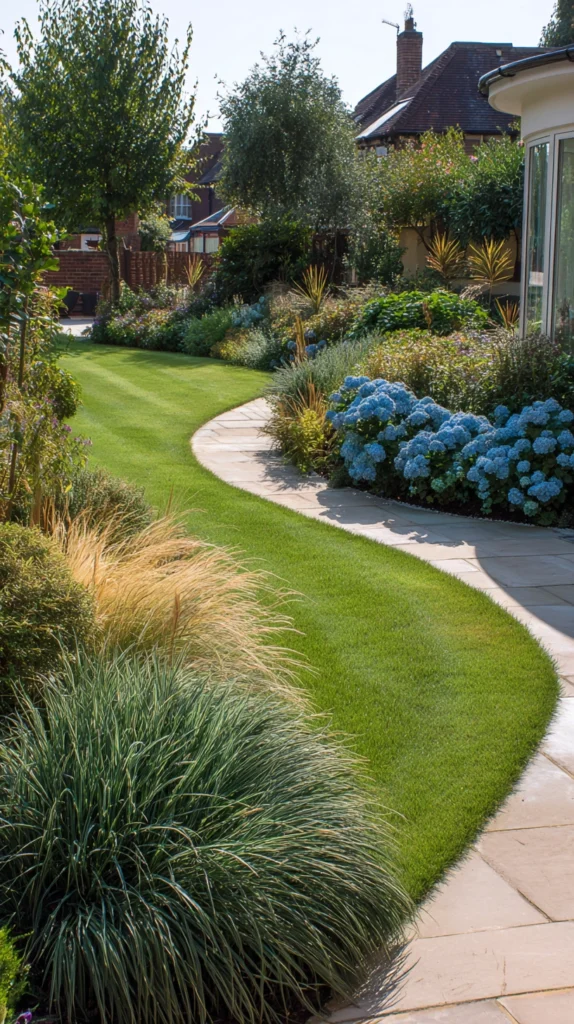
Design beds and pathways with gentle curves rather than straight angular lines, creating organic, flowing forms that appear naturally evolved rather than rigidly imposed. The curved edges feel more relaxed and garden-like compared to rigid geometric precision, create more interesting spatial relationships, and generally appear more sophisticated than basic rectangular beds.
Establish curves using garden hoses laid on the ground, marking desired shapes before cutting edges or installing permanent edging. The flowing forms create visual movement, guiding eyes through landscapes, while the organic shapes feel more harmonious with natural plant forms than harsh geometric alternatives.
6. Foundation Planting Layering
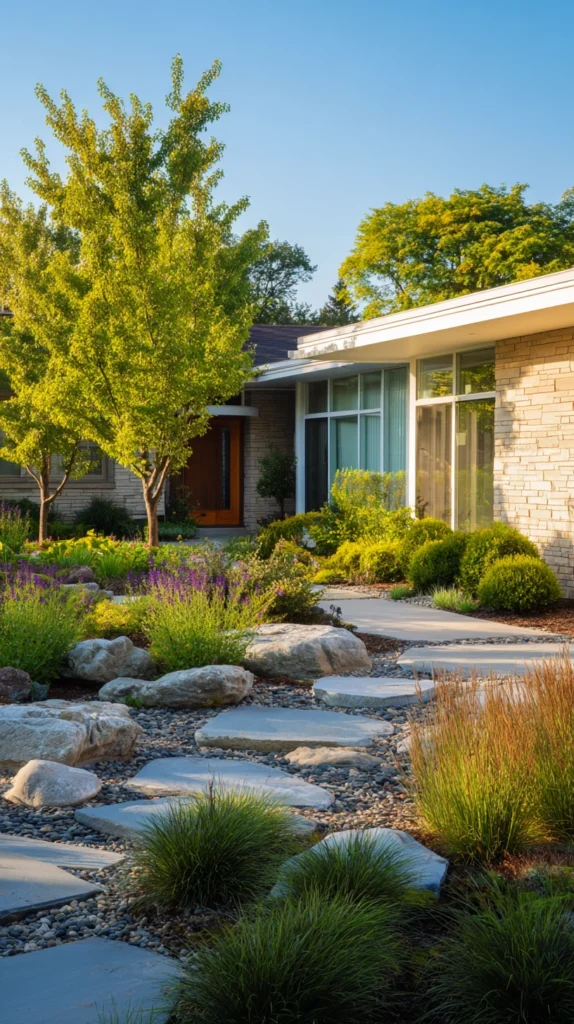
Arrange foundation plantings in graduated heights—tall specimens at corners stepping down to medium shrubs, then low groundcovers—creating dimensional interest and proper scale relationships. The layered approach appears intentionally designed while creating visual transitions from house architecture to the ground plane.
Position taller evergreens anchoring corners providing year-round structure, fill middle zones with flowering shrubs offering seasonal interest, and carpet foregrounds with low groundcovers or perennials creating complete planted compositions. The proper layering creates a professional appearance while varied heights prevent flat one-dimensional plantings that fail to create visual interest.
7. Seasonal Color Rotation
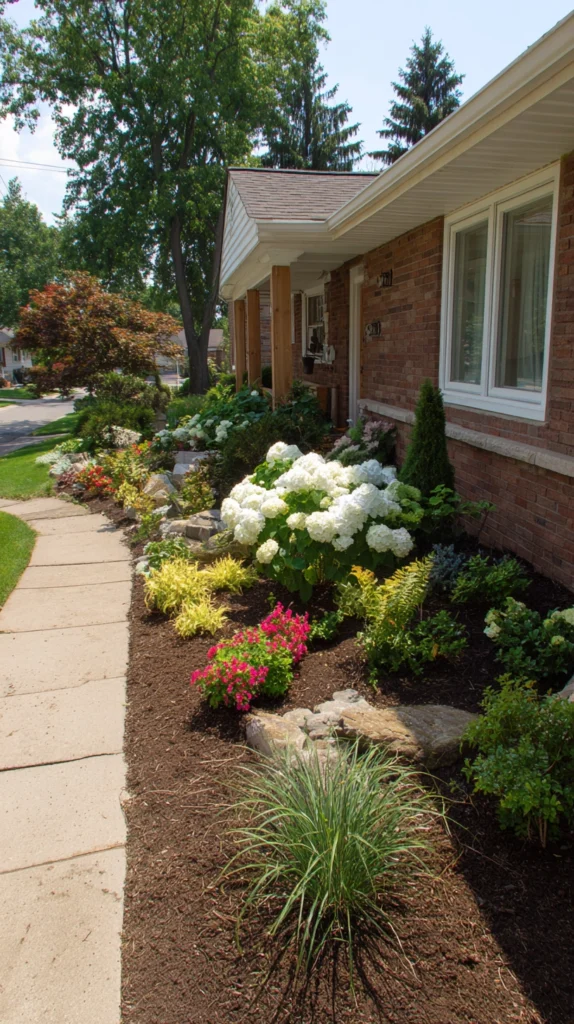
Incorporate seasonal annuals or container plantings, introducing timely color that keeps landscapes feeling current and well-maintained throughout changing seasons. Plant spring bulbs and cool-season annuals, transition to summer flowering varieties, add autumn mums or ornamental kale, and include evergreen arrangements with winter interest.
The seasonal rotation demonstrates ongoing care and prevents landscapes from appearing neglected or static. Concentrate seasonal color in highly visible locations—entry plantings, mailbox surrounds, patio containers—maximizing impact while limiting quantities requiring regular replacement and maintenance investment.
8. Consistent Plant Pruning
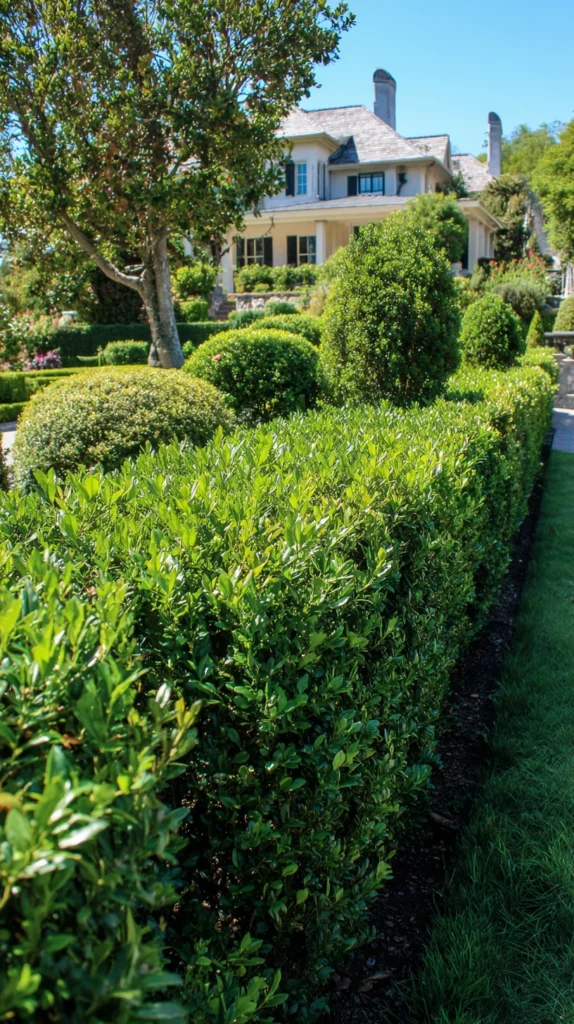
Maintain shrubs and small trees through regular selective pruning, removing dead wood, controlling size, and enhancing natural forms rather than allowing unchecked growth or creating harsh geometric shearing. The proper pruning creates tidy, maintained appearances while respecting plants’ natural growth habits, creating organic rather than artificial forms.
Remove crossing branches, thin dense interiors, improve air circulation, and shape gently, maintaining appropriate scales. Well-pruned plants appear cared-for, signaling property pride, while the natural forms create more sophisticated appearances than rigid sheared balls or boxes that can appear heavy-handed.
9. Hardscape Material Coordination
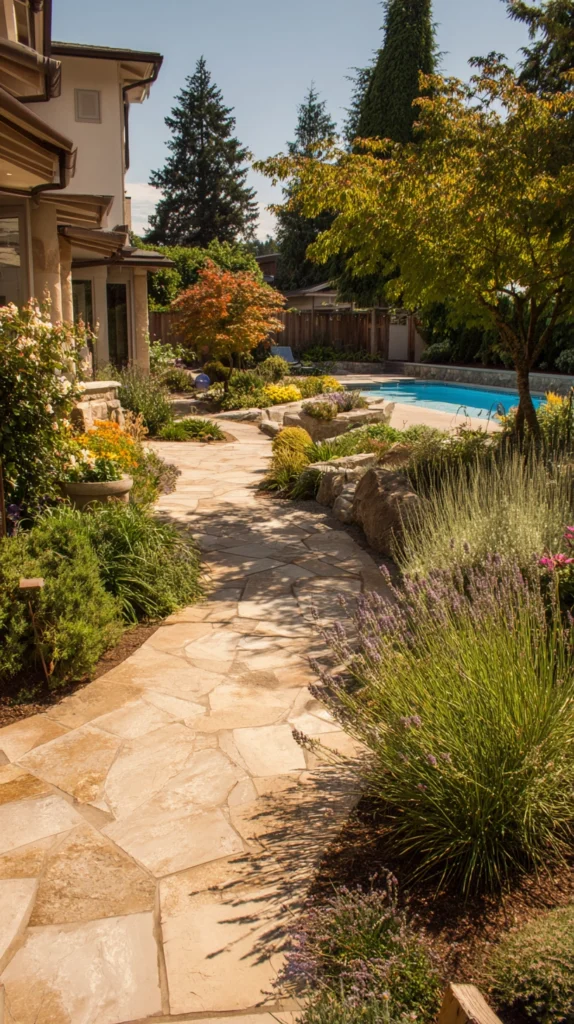
Unify diverse hardscaping elements—patios, pathways, edging, retaining walls—through consistent material selection, creating a cohesive design rather than random accumulated additions. Choose one primary stone or paver type using it throughout properties, select coordinating rather than identical materials for variety while maintaining relationship, and consider home exterior materials ensuring landscape hardscaping complements rather than conflicts.
The coordinated materials create an intentional, professionally designed appearance, while the repetition ties together diverse landscape zones, creating unified, coherent outdoor environments rather than disconnected, random areas.
10. Focal Point Establishment
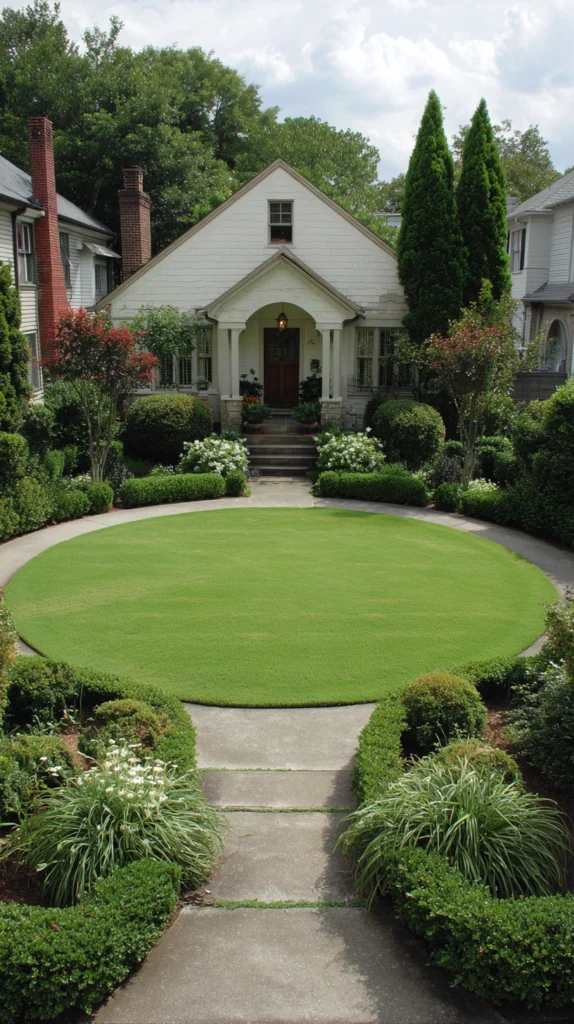
Create deliberate focal points—specimen trees, sculptures, water features, seating areas—that draw attention and provide visual destinations, giving landscapes organizational structure and purpose. Position focal points terminating sightlines from windows or primary viewing locations, place at pathway intersections creating discovered moments, or establish in central lawn areas anchoring surrounding plantings.
The intentional focal points create visual hierarchy and interest while their strategic placement guides how people experience and move through landscapes. Without focal points, landscapes can feel aimless and visually flat, lacking the kind of composed structure that distinguishes designed spaces.
11. Lawn Striping Patterns
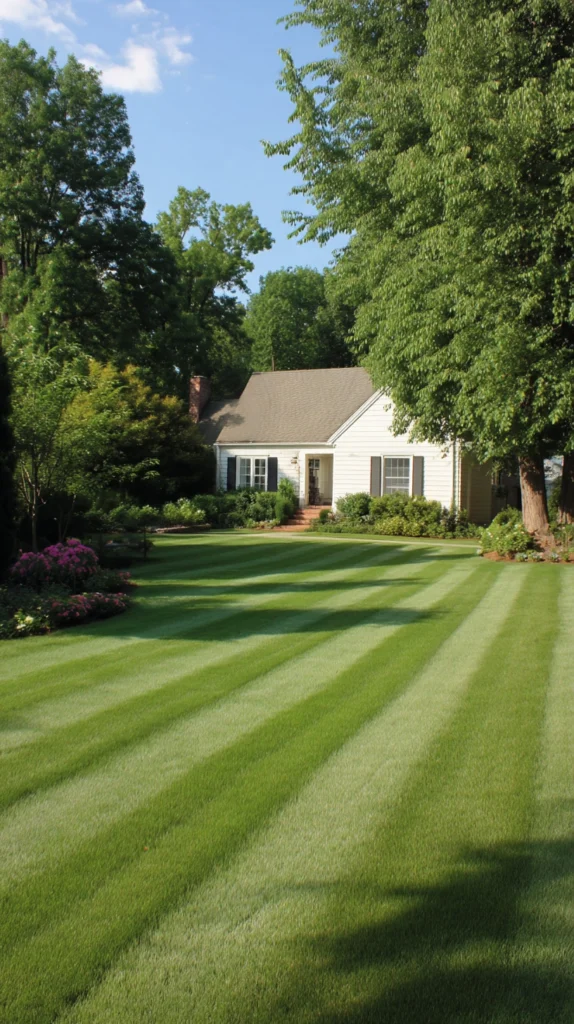
Mow lawns in alternating directions, creating subtle striping patterns that demonstrate care and add visual interest to otherwise plain turf areas. The stripes result from grass blades bending in different directions, reflecting light differently, creating tonal variation.
Alternate mowing directions weekly, preventing soil compaction while creating patterns, use patterns radiating from central points or creating geometric designs in larger lawns, and maintain consistent mowing heights, ensuring uniform appearance. The striping requires no additional effort beyond alternating mowing directions yet creates the manicured appearance associated with professionally maintained properties.
12. Decorative Mulch Alternatives
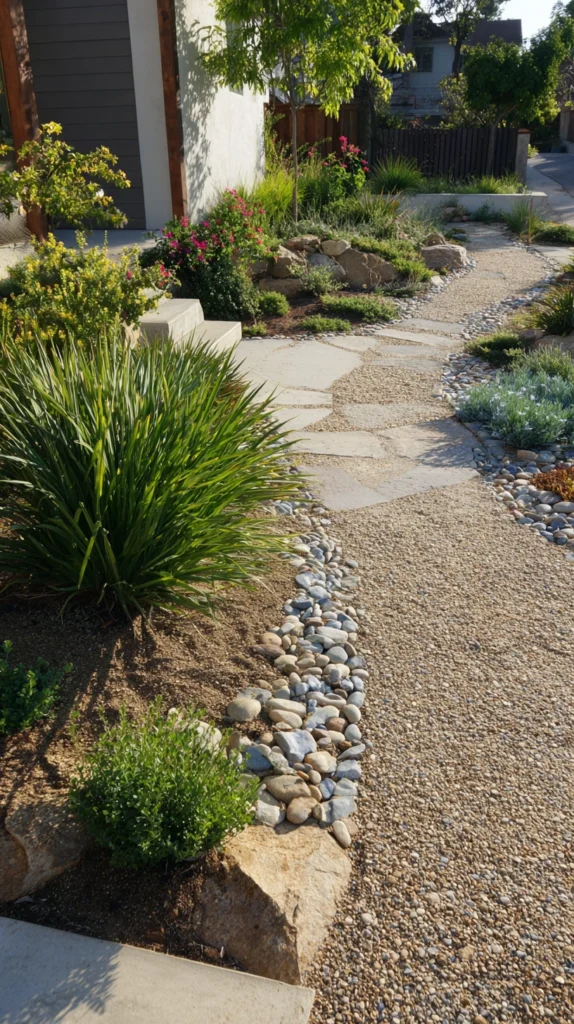
Incorporate decorative alternatives to standard bark mulch, including river rock, pea gravel, or crushed stone, creating varied textures and permanent low-maintenance ground covers. Use gravel in formal plantings, creating clean contemporary appearances, position river rock in dry streambeds or Japanese-inspired gardens, or apply crushed stone in Mediterranean or xeriscape designs.
The stone mulches provide permanent solutions, eliminating annual mulch refreshing, while their varied textures add visual interest. Combine stone and organic mulches strategically, using each where most appropriate—stone in low-water areas, organic mulch where soil improvement and moisture retention matter more.
13. Pathway Surface Upgrade
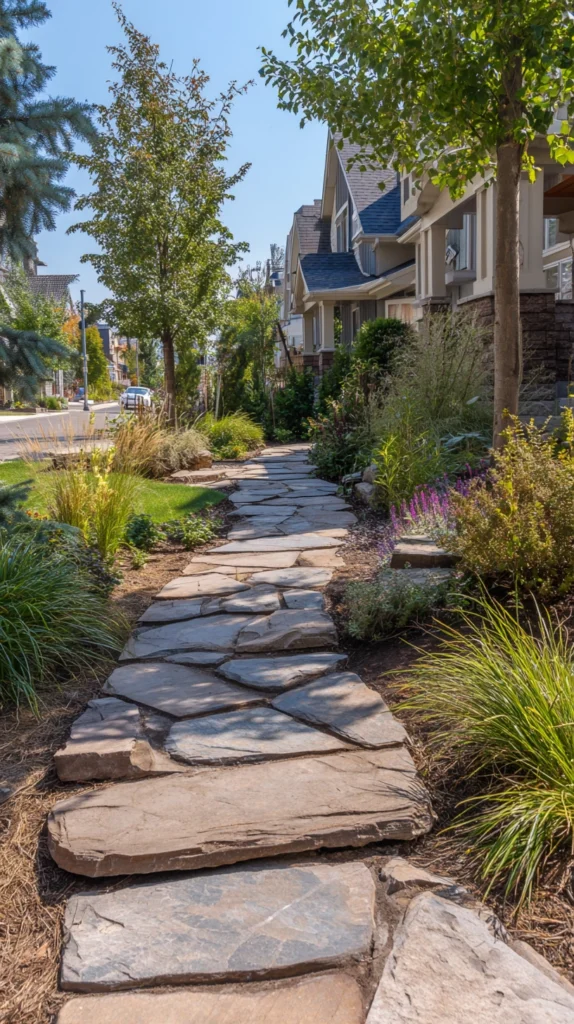
Replace basic concrete walkways with upgraded materials—natural stone, brick pavers, or decorative concrete—creating the kind of permanent improvements that substantially increase perceived property value. Install proper base materials ensuring long-term stability, choose materials coordinating with home architecture and other hardscaping, and design widths accommodating comfortable passage—minimum 3-4 feet for primary paths.
The upgraded pathways create lasting impact through quality materials, while proper installation ensures decades of service without requiring replacement. Well-designed pathways guide circulation, create visual interest, and demonstrate property investment.
14. Strategic Evergreen Placement
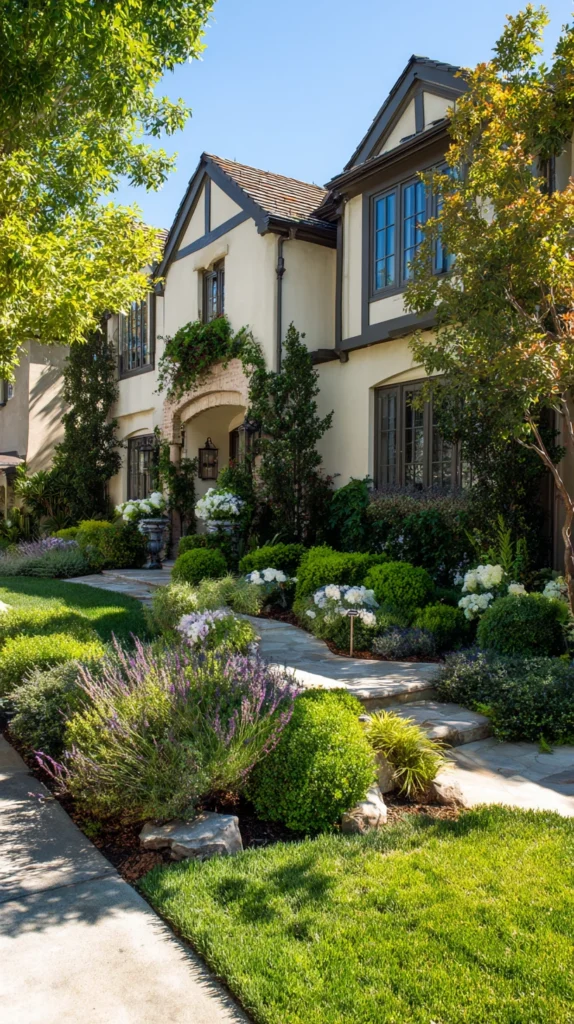
Position evergreen shrubs and trees providing year-round structure, ensuring landscapes maintain presence and beauty during winter months when deciduous plants go dormant. Use evergreens anchoring landscape corners, providing a permanent framework, creating living privacy screens, framing views or focal points, and establishing foundation plantings, maintaining winter interest.
The evergreen backbone creates four-season beauty while providing the structural bones, allowing flowering perennials and deciduous specimens to shine during growing seasons without landscapes collapsing into barren nothingness during dormancy. Balance evergreens with deciduous plants, preventing landscapes from appearing static and unchanging while ensuring adequate winter presence.
Successfully transforming ordinary yards requires recognizing that excellence emerges from accumulated details rather than single expensive interventions. Implement improvements systematically, addressing the highest-impact elements first—edging, lighting, focal points—before progressing to refinements. Maintain consistently, preventing individual elements from deteriorating and undermining overall presentation.
Observe professionally designed landscapes, noting which details create the polished appearances you admire, then implement similar principles adapted to your specific property conditions and budget constraints.
Most importantly, understand that landscape transformation represents ongoing processes rather than completed projects—the best yards evolve continuously through attentive maintenance, seasonal updates, and incremental improvements that together create the kind of beautiful outdoor environments that appear effortlessly perfect despite representing substantial accumulated effort, investment, and the kind of attention to detail that separates extraordinary landscapes from merely adequate ones.