15 Inspiring Bunny Shed Ideas
Rabbits are among the most rewarding pets a household can keep, but they are also among the most frequently underhoused.
The traditional small hutch has been the default rabbit accommodation for decades, and it falls dramatically short of what these intelligent, social, and surprisingly active animals actually need.
A bunny shed changes everything, giving rabbits the space to run, explore, and behave like the complex creatures they are.
1. Start with the Right Shed Size
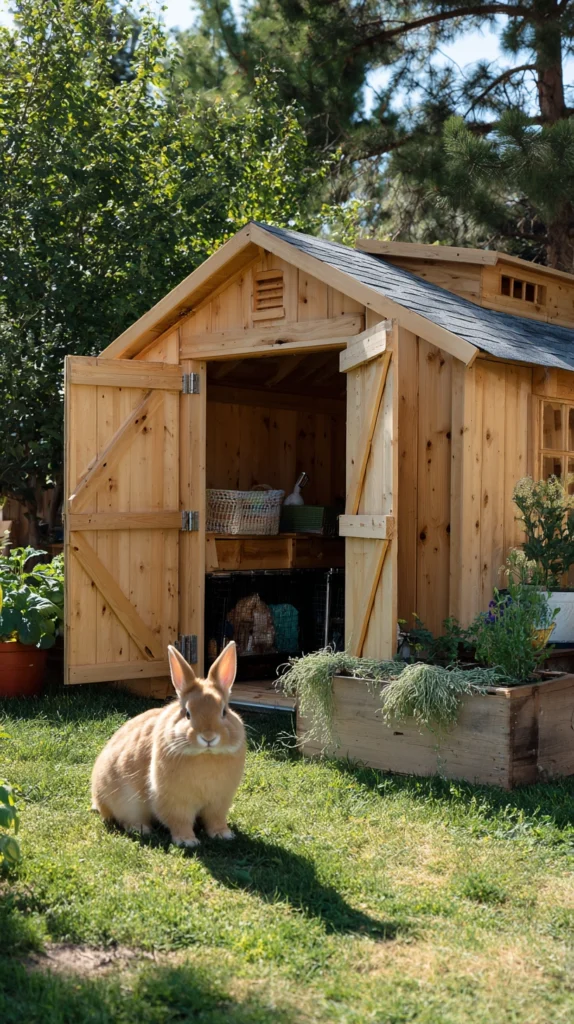
Before any interior planning begins, the shed itself needs to be the right size. Rabbits require far more space than most people realize. The minimum recommended floor space for a pair of rabbits is around 3 meters by 2 meters, and more is always better.
A standard 6-by-8-foot garden shed is a workable starting point for one or two rabbits. Still, a 8 by 10 foot or larger shed opens up significantly more possibilities for enrichment and exercise. When choosing a shed, prioritize height and floor space. A shed tall enough to stand in comfortably makes daily cleaning, feeding, and interaction with your rabbits dramatically easier and more enjoyable.
2. Insulate for Year-Round Comfort
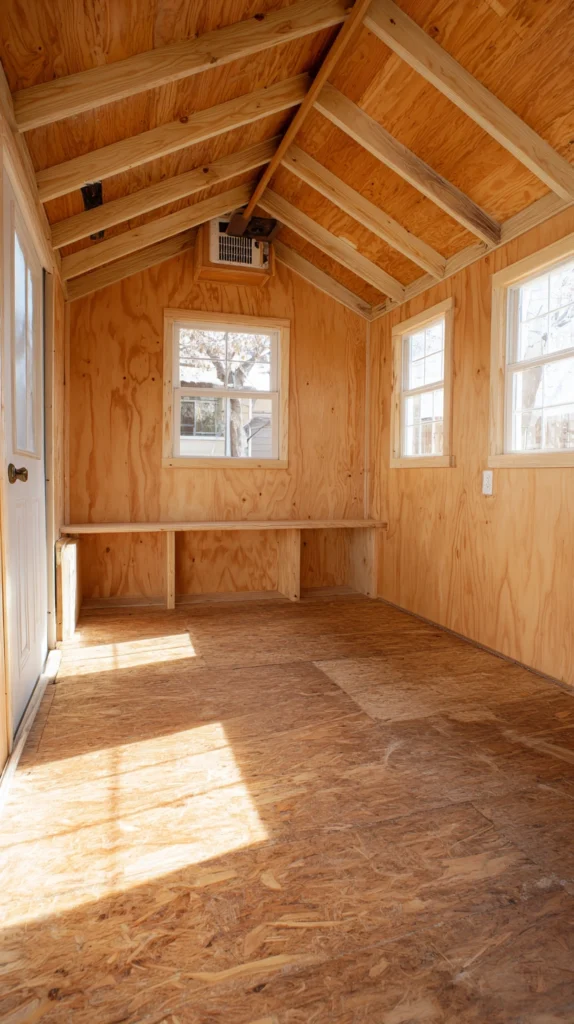
A garden shed in its standard form is not thermally adequate for rabbits in either extreme cold or extreme heat. Rabbits are particularly vulnerable to temperatures above 25 degrees Celsius and can suffer heat stroke rapidly in an unventilated shed during summer. In winter, a shed without insulation can drop to temperatures that stress a rabbit’s immune system.
Insulating the walls, floor, and roof with rigid foam insulation boards covered with a smooth plywood lining makes the space habitable year-round. Pair insulation with appropriate ventilation, including fixed vents near the roofline and an openable window. This ensures the shed breathes properly without creating cold drafts at rabbit level.
3. Create a Zoned Layout
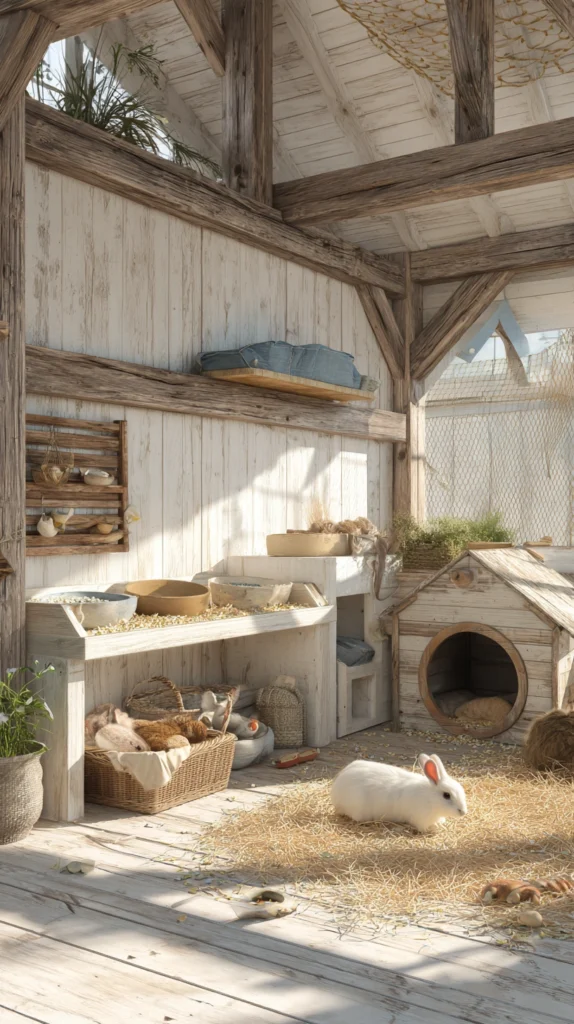
The most functional bunny sheds divide the available space into distinct zones that serve different purposes. A sleeping and resting zone with a raised platform or enclosed hideaway gives rabbits a sense of security. A feeding zone with fixed bowls, hay racks, and water bottles keeps the feeding area contained and easy to clean.
An exercise and play zone with open floor space, tunnels, and enrichment items gives rabbits room to move freely. A human zone near the shed entrance stores food, cleaning equipment, and supplies separately from the rabbits’ living areas. Zoning the shed makes daily routines faster and ensures the rabbits always have access to everything they need.
4. Install Safe, Rabbit-Proof Flooring
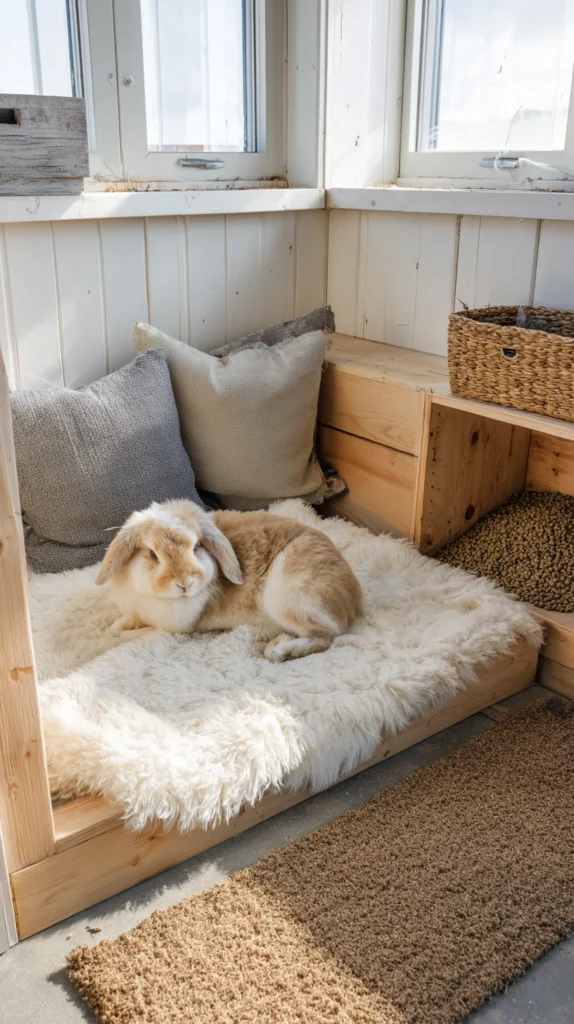
Flooring in a bunny shed needs to satisfy several competing requirements simultaneously. It needs to be comfortable for rabbit feet, easy to clean, and resistant to chewing. Bare wooden floorboards are hard, cold, and can cause sore hocks over time, while soft carpet harbors bacteria and is virtually impossible to sanitize properly.
The best solutions include rubber stable matting cut to size, which is comfortable, durable, and easy to wipe clean. Interlocking foam tiles covered with washable fleece offer another excellent option. A deep layer of rabbit-safe wood pellet litter across the floor provides comfort, absorbs urine, and can be spot-cleaned daily and fully replaced weekly.
5. Build or Install Multi-Level Platforms
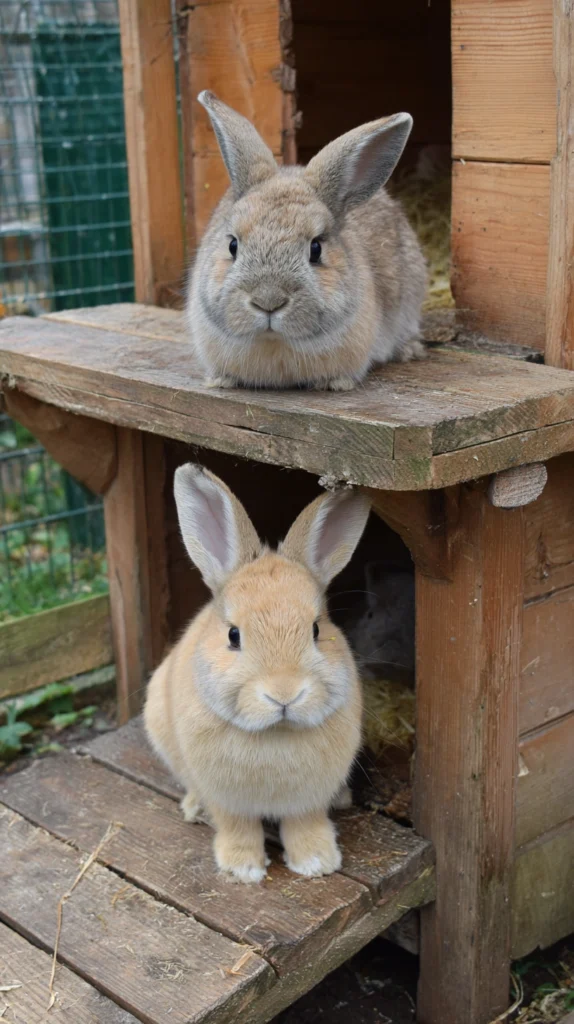
Rabbits are natural explorers, and they instinctively seek out elevated positions from which to survey their environment. Multi-level platforms built into the bunny shed replicate this natural behavior and dramatically increase the usable space without expanding the shed’s footprint. Wooden ramps connecting a ground-level area to raised platforms create a vertical dimension that rabbits absolutely love.
Ensure ramps have a gentle enough gradient for comfortable ascent and descent, and add grip strips or a carpet runner to prevent slipping. Platforms should have solid sides rather than open railings to prevent rabbits from falling. The space beneath a raised platform also functions as a natural hideaway that most rabbits will claim as their sleeping area.
6. Choose the Right Bedding and Hay Storage
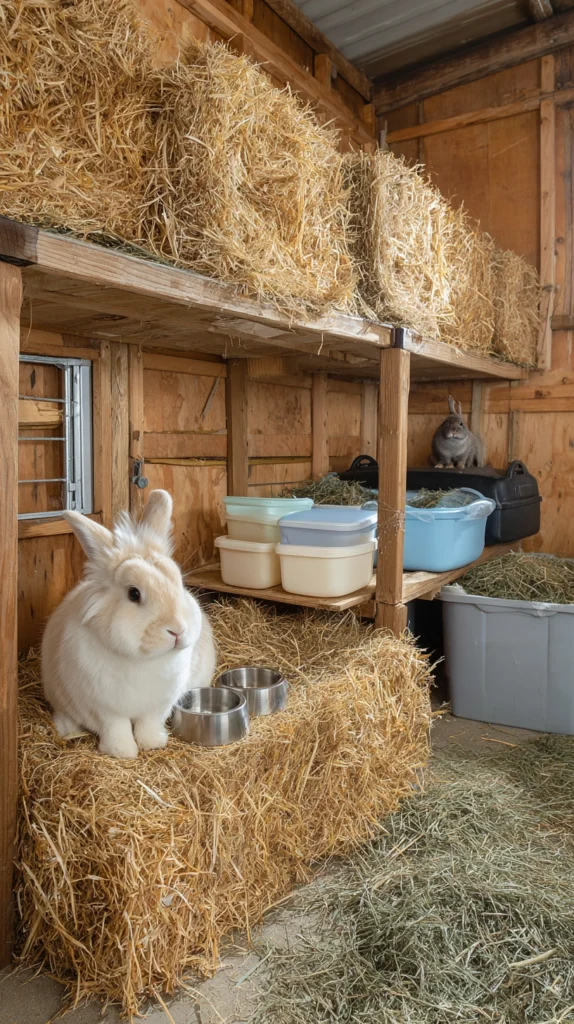
Hay is the single most important element of a rabbit’s diet and environment, constituting approximately 80 percent of their daily intake and available at all times in unlimited quantities. In a bunny shed, hay storage needs to be generous, organized, and positioned to minimize mess and waste. A large hay rack mounted at rabbit height on one wall allows rabbits to pull hay through as needed without soiling it.
Store bulk hay in a large breathable hessian sack or a wooden storage chest near the shed entrance, away from damp. Cedar-chip bedding should be avoided entirely as it is toxic to rabbits. Safe alternatives include paper-based bedding, meadow hay used in sleeping areas, and wood pellet floor covering.
7. Design a Dedicated Cleaning Station
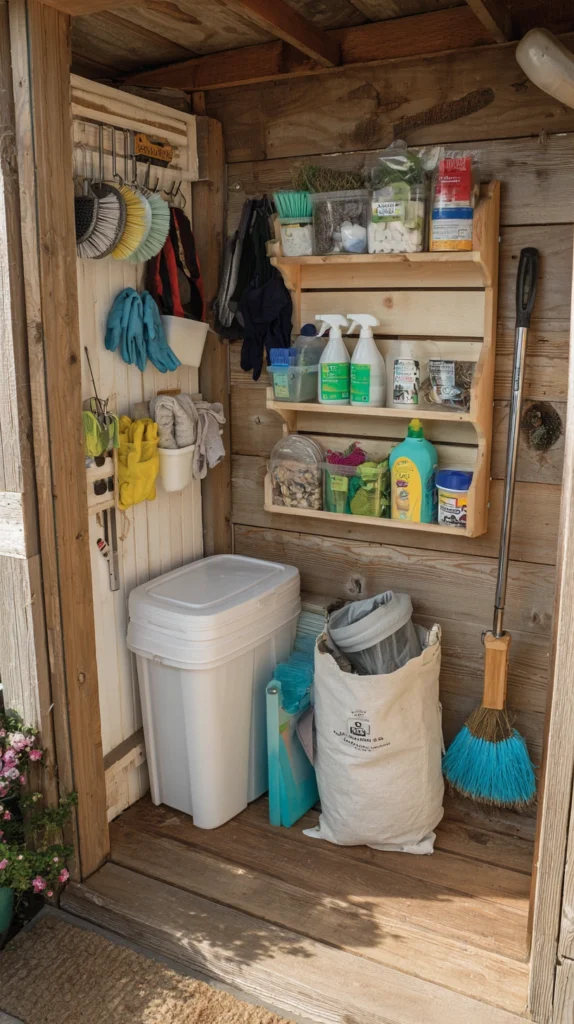
Daily cleaning is a non-negotiable aspect of rabbit keeping, and a bunny shed that makes the cleaning process efficient stays hygienic and pleasant year-round. Designate a small area near the shed entrance as a cleaning station with everything needed for daily and weekly maintenance stored in one place. A caddy holding a dustpan and brush, rabbit-safe disinfectant, disposable gloves, and spare bin bags makes the daily clean a five-minute task.
A small lidded bin inside the shed for soiled bedding, emptied into the outdoor compost or waste bin daily, keeps odors contained between cleans. Wall-mounted organizers hold cleaning tools neatly without taking up floor space. When the cleaning station is properly equipped and organized, maintaining the shed becomes a routine rather than a chore.
8. Add Windows for Natural Light and Ventilation
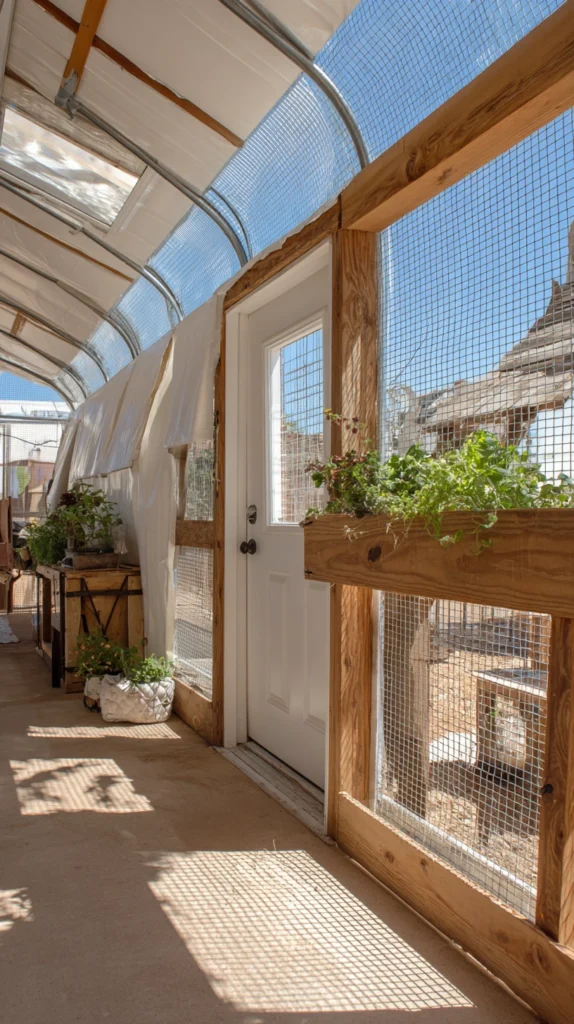
Natural light is important for rabbit wellbeing, regulating their circadian rhythms and supporting their vitamin D absorption. A bunny shed should have at least one window, ideally positioned to allow morning or afternoon light rather than harsh midday sun that could overheat the space. Windows must be covered with fine wire mesh on the interior to prevent escape and stop wild animals making contact with your pets.
Frosted or UV-filtering window film applied to the glass helps regulate temperature and prevents direct sun from creating hot spots within the shed. A roof vent or skylight adds additional natural light without the security concerns of an openable wall window. Good light also makes the shed a more stimulating and pleasant environment for both rabbits and their owners.
9. Incorporate a Secure Outdoor Run
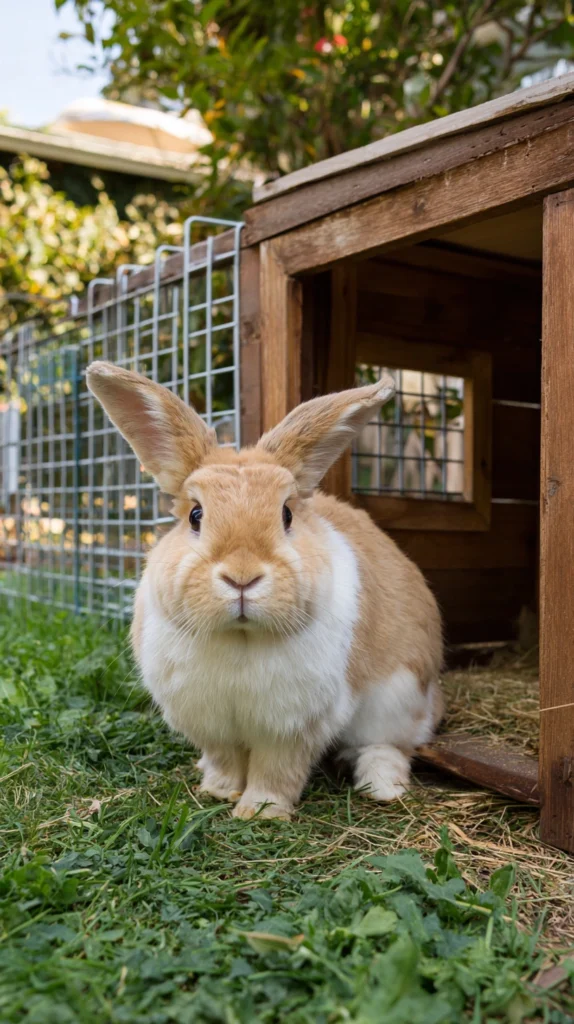
The bunny shed becomes significantly more powerful when it connects directly to a secure outdoor run allowing rabbits to access fresh air and natural ground during warmer months. A permanent run attached to one wall of the shed, accessed through a rabbit-sized flap cut into the shed wall, gives rabbits the freedom to come and go as they please during safe daylight hours. The run should be fully enclosed on all sides including the top and bottom with hardware cloth rather than standard chicken wire.
Dig the wire mesh at least 30 centimeters into the ground around the perimeter to prevent burrowing predators from gaining entry. The run should contain grass, safe herbs like parsley and cilantro, and a shaded area for hot days. This outdoor connection transforms the shed from a contained indoor environment into a genuinely enriching space that changes with the seasons.
10. Create Enrichment Built Into the Shed Design
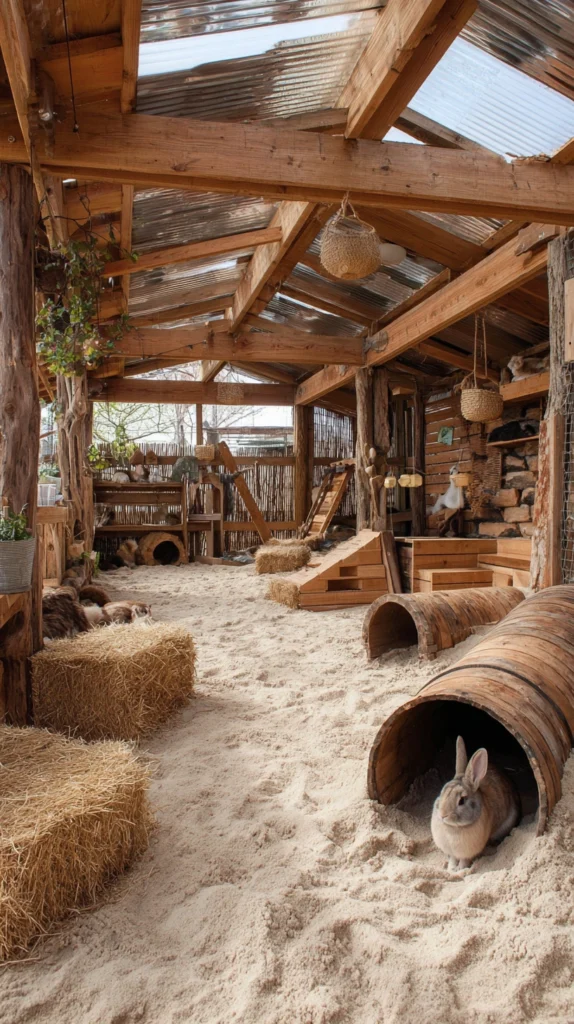
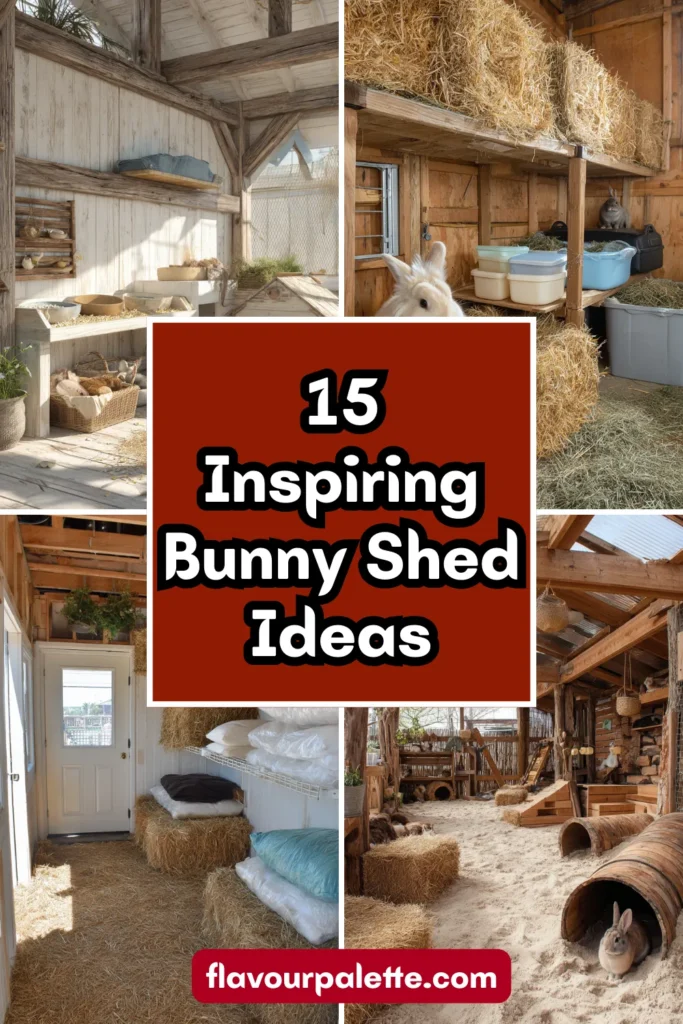
Rabbits are intelligent animals that become bored, stressed, and destructive without adequate mental stimulation. Rather than treating enrichment as an afterthought, the best bunny sheds build it directly into the design from the beginning. Tunnels made from wooden boards fixed along one wall, a digging box filled with child-safe sand, and hanging willow balls suspended from the ceiling all provide ongoing stimulation.
A stack of wooden platforms at different heights creates a natural climbing structure that keeps rabbits physically active. Cardboard tubes and boxes that can be replaced regularly give rabbits something to investigate and destroy safely. Enrichment built into the shed’s architecture ensures rabbits always have something to interact with regardless of whether their owner is present.
11. Install Proper Lighting for Evening Care
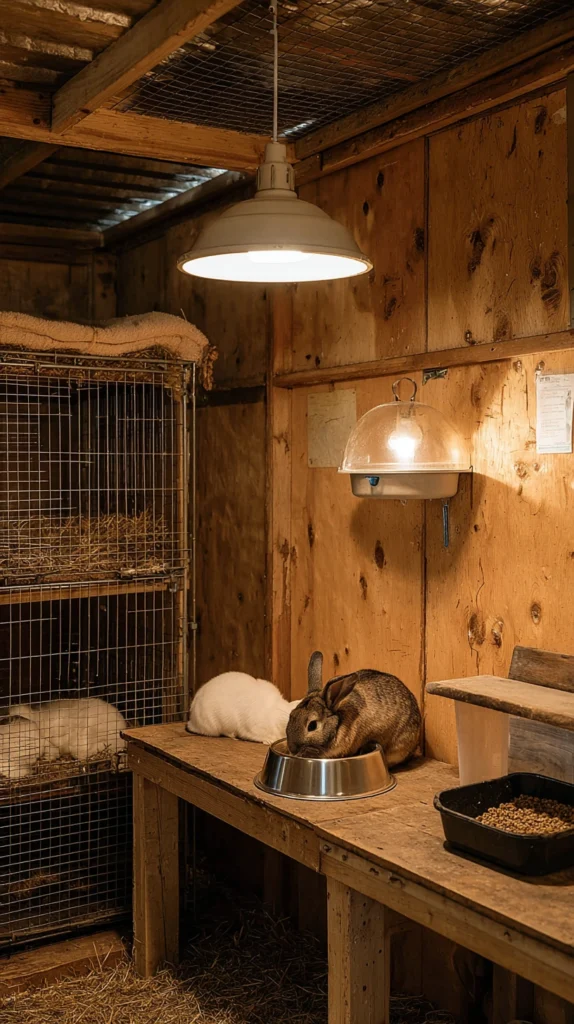
Good lighting in the bunny shed is essential for safe and efficient evening care during the shorter days of autumn and winter. A ceiling-mounted LED light provides general illumination across the whole shed, while a smaller task light above the feeding station makes close work easier. Choose warm-toned LEDs rather than cool white, as they are less startling to rabbits and create a more pleasant atmosphere.
Install the light switch near the shed entrance at a comfortable adult height, and consider adding a motion-sensor light outside the shed door for safety when approaching in the dark. A timer on the interior lighting can help regulate the rabbits’ light exposure to approximately 12 to 16 hours per day. This supports their natural circadian rhythms and contributes to their overall health and wellbeing.
12. Use the Shed Walls for Smart Storage
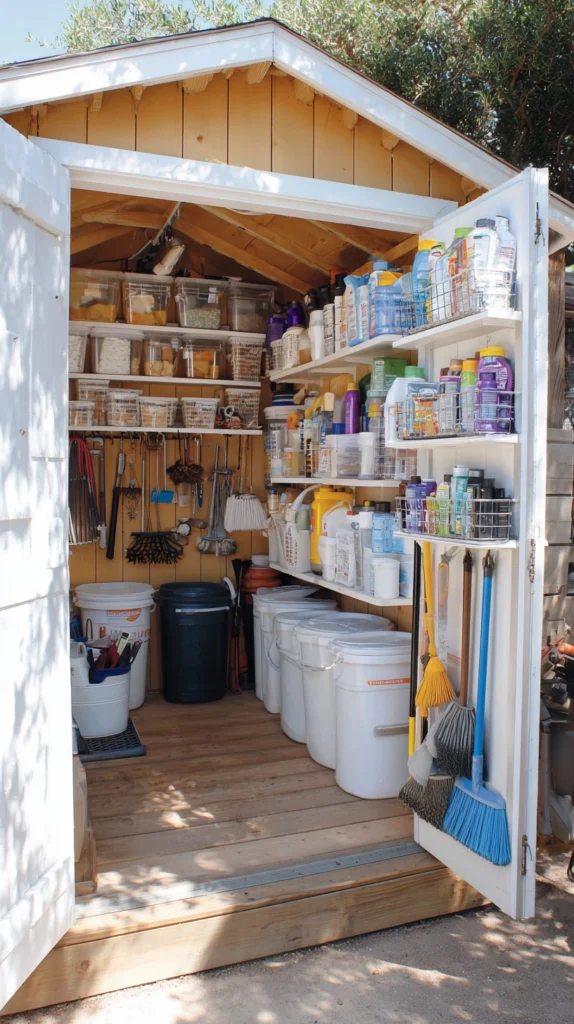
The walls of a bunny shed represent valuable storage space that many rabbit owners leave completely unused. Wall-mounted shelving above rabbit reach provides organized storage for food, supplements, grooming tools, first aid supplies, and spare bedding. A pegboard section near the entrance holds cleaning tools, leads, and small equipment on hooks.
A wall-mounted calendar or whiteboard tracks veterinary appointments, worming schedules, and health notes for each rabbit. Store all food in airtight containers to prevent moisture damage and deter rodents. Keeping all rabbit-related supplies within the shed rather than scattered across the house makes the care routine more efficient and ensures nothing is ever missing when it is needed.
13. Make the Shed Visually Appealing
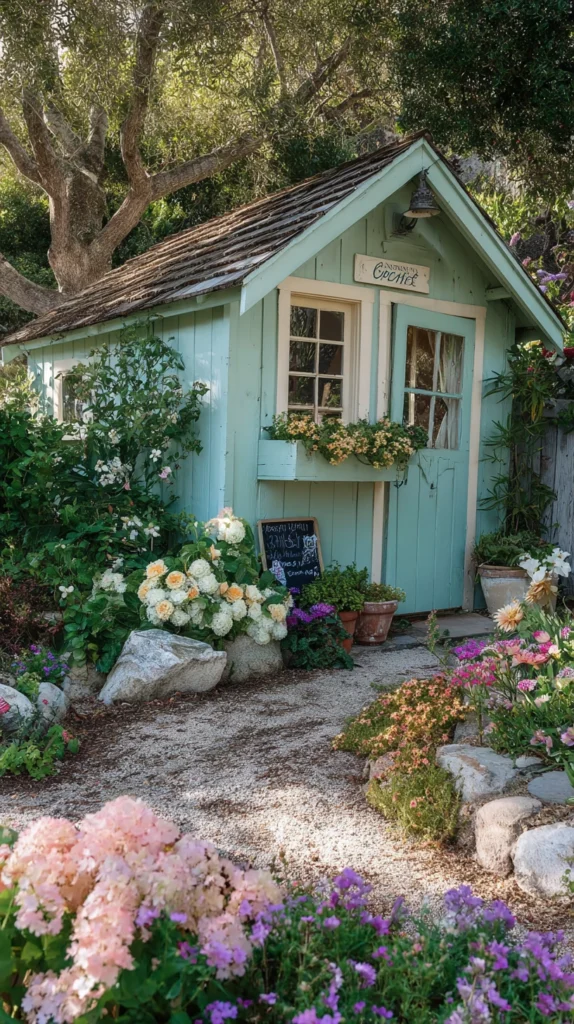
A bunny shed that is pleasant to look at as well as functional is a shed you will spend more time in, and rabbits benefit enormously from attentive owners who genuinely enjoy being in their space. Paint the exterior in a color that suits your garden. A muted sage green, a warm charcoal, or a classic cream all work beautifully in outdoor settings.
Add a window box of rabbit-safe herbs like basil, dill, and parsley on the exterior windowsill for a charming detail that also provides occasional treats. Hang a small chalkboard sign on the door with the rabbits’ names, and train a climbing rose or jasmine up one exterior wall. These small aesthetic decisions transform the bunny shed from a utilitarian outbuilding into something that feels genuinely loved.
14. Plan for Safe Heating in Winter
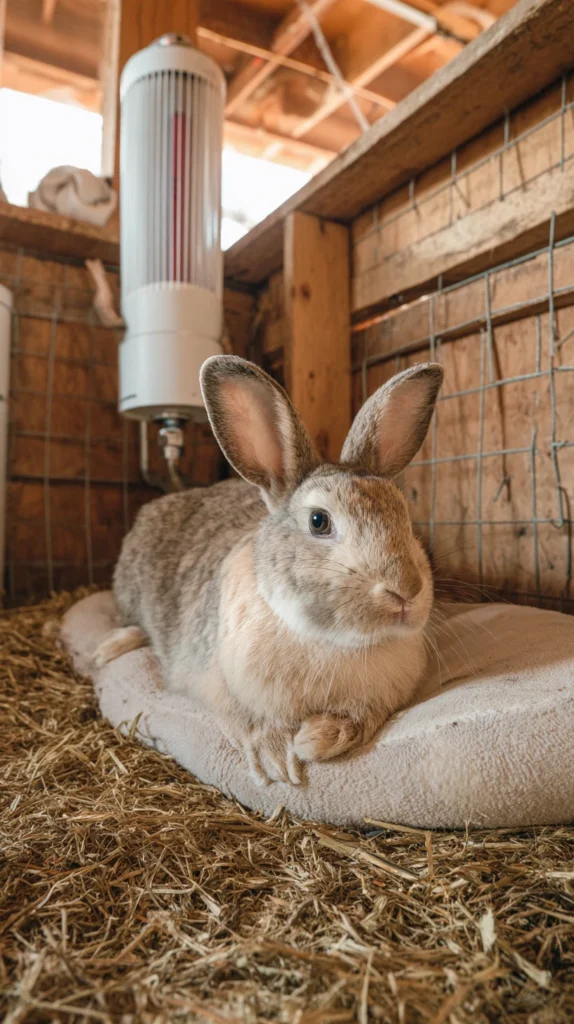
Despite good insulation, the coldest weeks of winter may require supplementary heating to keep the bunny shed at a safe and consistent temperature. A safe heating solution for a rabbit shed poses no fire risk, produces no fumes, and cannot be chewed or knocked over by the animals. Tubular heaters designed for greenhouses are one of the safest options as they run at a low surface temperature and mount securely on the wall above rabbit reach.
A thermostatically controlled model will switch on only when the temperature drops below a set threshold, making it energy efficient as well as safe. Never use paraffin heaters, gas heaters, or any open-flame heat source inside a bunny shed under any circumstances. The rabbits’ safety during cold nights depends entirely on the heating solution being both reliable and completely risk-free.
15. Build a Daily Routine Around the Space
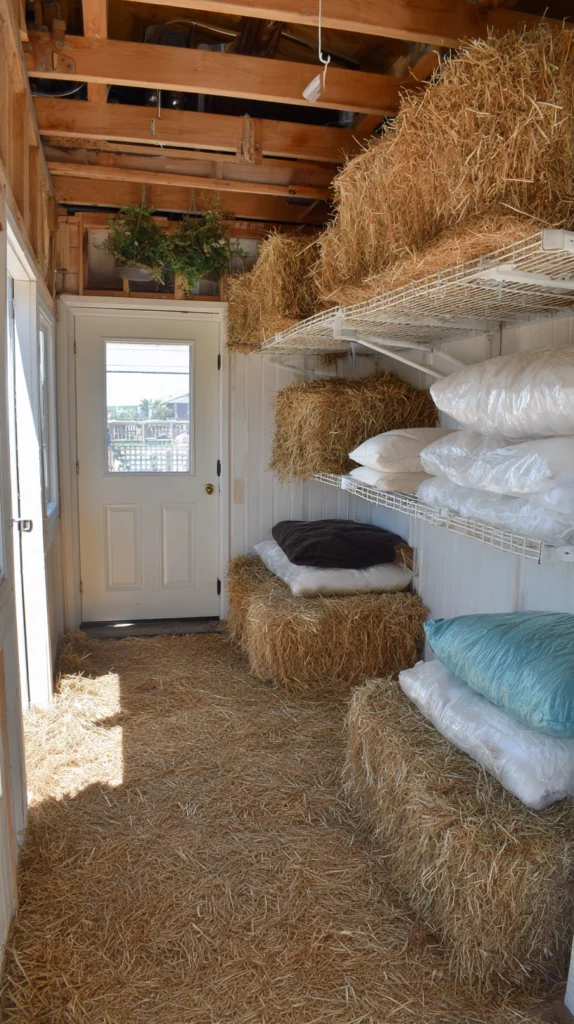
The finest bunny shed in the world only fulfills its potential when paired with a consistent, attentive daily care routine. Arrive in the morning, spot-clean the litter areas, refresh hay and water, and check each rabbit individually for signs of illness or injury. Spend a few minutes simply sitting quietly in the space, allowing the rabbits to approach and interact on their own terms.
Rabbits are crepuscular animals, most active at dawn and dusk, so morning and evening visits align naturally with their peak activity periods. A shed that is visited regularly, cleaned consistently, and treated as a genuinely important space will house rabbits that are visibly healthier, more relaxed, and more sociable. This is ultimately the entire point of building a bunny shed in the first place.
The Shed as a Sanctuary
A well-designed bunny shed is not just a housing solution. It is a sanctuary for both the rabbits and the person who cares for them. For the rabbits, it provides space, safety, stimulation, and comfort through every season. For the owner, it provides a dedicated place of quiet routine, genuine connection with animals, and the deep satisfaction of caring well for a living creature.