
Creole Seasoning Recipe (Authentic Blend)
Creole seasoning is one of those blends I reach for constantly, especially when I want bold flavor without overthinking a dish. I started making my own after realizing how salty and one-dimensional many store-bought versions were. The first few batches weren’t perfect—one was way too peppery, another lacked depth—but after adjusting the balance, I landed on this authentic-style Creole seasoning that’s flavorful, aromatic, and incredibly versatile. It has warmth, gentle heat, and that unmistakable Southern character without overpowering the food.
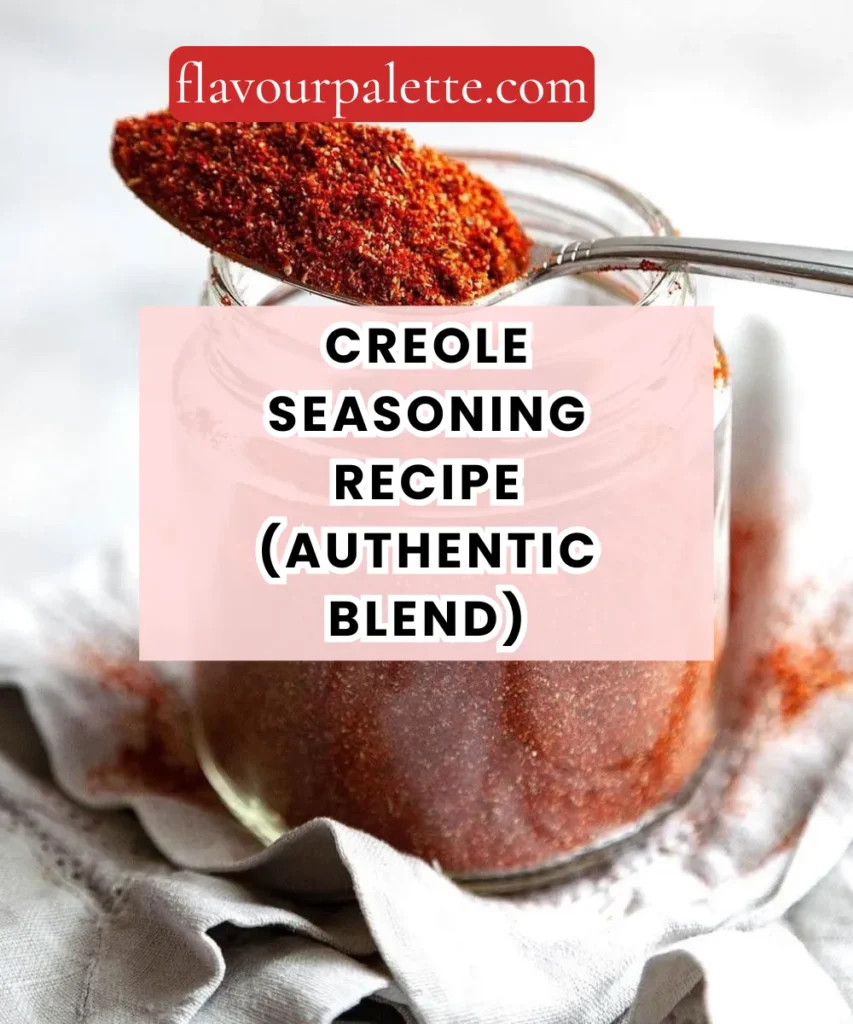
What Makes Creole Seasoning Different?
Creole seasoning is all about balance. Unlike Cajun seasoning, which leans heavily on heat, Creole blends focus more on herbs, aromatics, and layered flavor. This makes it perfect for everyday cooking—soups, rice dishes, seafood, chicken, vegetables, and even eggs.
What I love most is that this homemade version lets you control:
- Salt level
- Heat intensity
- Freshness of herbs
- Overall flavor balance
And yes, this recipe is naturally pork-free and halal-friendly.
Ingredients for Authentic Creole Seasoning
This recipe makes about ½ cup of seasoning.
- 2 tablespoons paprika
- 1 tablespoon garlic powder
- 1 tablespoon onion powder
- 1 tablespoon dried oregano
- 1 tablespoon dried basil
- 2 teaspoons dried thyme
- 2 teaspoons black pepper
- 1½ teaspoons white pepper
- 1½ teaspoons cayenne pepper (adjust to taste)
- 1½ teaspoons salt
Each ingredient plays a role. Paprika provides warmth and color, herbs bring that classic Creole aroma, and the peppers add depth rather than harsh heat.
Optional Add-Ins and Adjustments
You can tweak this blend depending on how you cook:
- Add smoked paprika for a smoky note
- Reduce cayenne for a milder seasoning
- Increase white pepper for more traditional heat
- Reduce salt if using it as a finishing seasoning
I’ve learned that Creole seasoning should enhance, not dominate, so restraint matters.
How to Make Creole Seasoning
- Add all ingredients to a bowl
- Whisk thoroughly to combine
- Taste a pinch and adjust seasoning
- Transfer to an airtight jar
That’s it. No cooking, no grinding required unless you prefer whole spices.
Tips for Best Flavor
- Use fresh dried herbs for maximum aroma
- Crush dried basil and oregano slightly between your fingers
- Let the seasoning rest 24 hours before using for the best flavor
This resting time allows the flavors to meld together beautifully.
How to Use Creole Seasoning
Creole seasoning is incredibly versatile. I use it in:
- Chicken and turkey dishes
- Fish and shrimp
- Rice and jambalaya-style meals
- Soups and stews
- Roasted vegetables
- Eggs and breakfast potatoes
Start with 1–2 teaspoons per pound of food and adjust from there.
Best Meats and Foods for This Blend
Chicken
- Perfect for grilling, baking, or pan-searing
- Adds depth without overpowering
Seafood
- Excellent with shrimp, fish, and scallops
- Use lightly to avoid masking natural flavors
Vegetables
- Works beautifully with potatoes, zucchini, and bell peppers
- Toss with olive oil before roasting
Rice and Grains
- Adds instant flavor to plain rice
- Great for one-pot meals
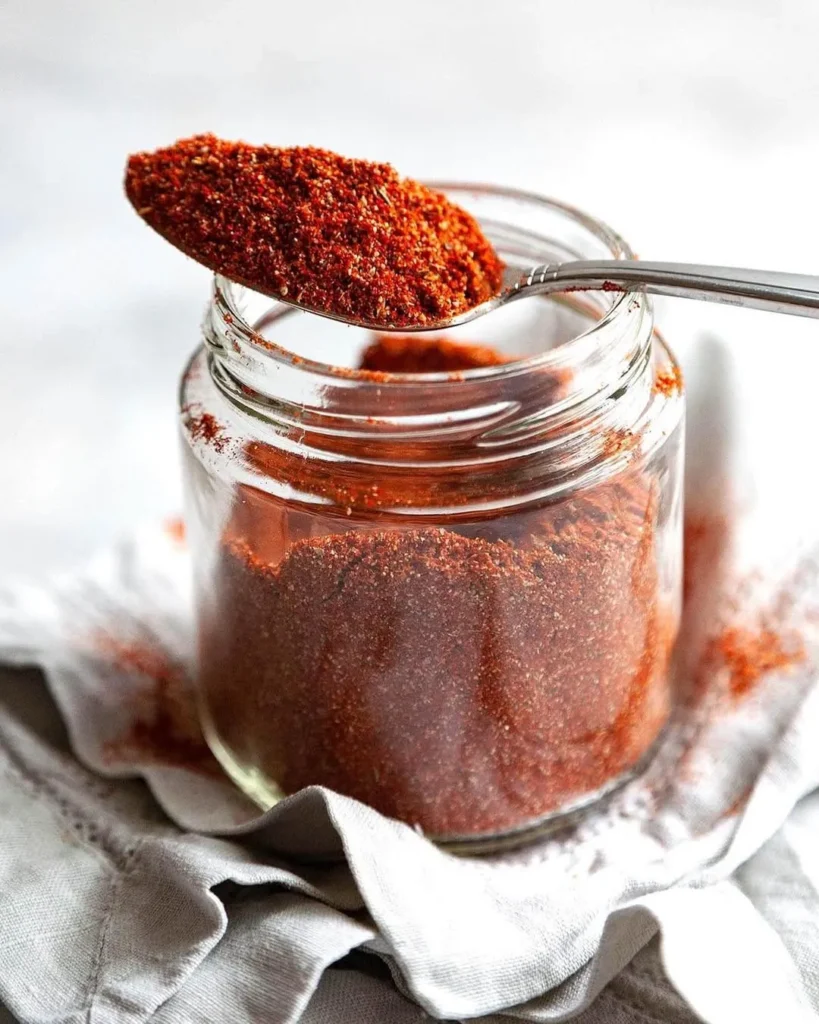
Preparation & Storage Information
- Prep Time: 5 minutes
- Cook Time: None
- Total Time: 5 minutes
- Yield: About ½ cup seasoning
Storage
- Store in an airtight container
- Keep in a cool, dark place
- Best used within 6 months
Always label your jar with the date so you know when to refresh it.
Scaling the Recipe
For larger batches:
- Double all ingredients for 1 cup
- Triple for meal prep or gifting
This blend makes a great homemade food gift when packaged nicely.
Creole Seasoning Variations
Mild Creole Seasoning
- Reduce cayenne by half
- Increase paprika slightly
Spicy Creole Seasoning
- Add extra cayenne
- Add crushed red pepper flakes
Low-Sodium Version
- Reduce salt by half
- Season dishes individually while cooking
Smoky Creole Blend
- Replace half the paprika with smoked paprika
Each variation keeps the Creole character intact.
Common Mistakes to Avoid
- Using stale spices
- Overloading cayenne
- Confusing Cajun and Creole ratios
- Oversalting dishes before tasting
I learned quickly that small adjustments make a big difference with spice blends.
Serving Ideas
Dishes that shine with this seasoning include:
- Creole-style chicken and rice
- Shrimp with garlic butter
- Roasted potatoes
- Vegetable stews
- Grilled kebabs
I even sprinkle a pinch over popcorn or fries for a quick flavor boost.
FAQs
Is Creole seasoning very spicy?
It has warmth, not aggressive heat. You control the spice by adjusting cayenne.
Is this seasoning halal?
Yes. All ingredients are plant-based and pork-free.
Can I use this as a dry rub?
Absolutely. It works very well as a dry rub for chicken or fish.
How much should I use per dish?
Start with 1 teaspoon per serving and adjust to taste.
Can I use this in soups?
Yes. Add gradually and taste as you go.
Can I make this salt-free?
Yes. Simply omit salt and add it separately during cooking.
Creole seasoning is one of those blends that, once you make it yourself, becomes a kitchen staple. It’s bold but balanced, flexible enough for everyday meals, and packed with authentic flavor. Having this jar on hand means you’re always just one sprinkle away from turning simple ingredients into something deeply satisfying and full of character

Creole Seasoning Recipe (Authentic Blend)
Ingredients
- 2 tablespoons paprika
- 1 tablespoon garlic powder
- 1 tablespoon onion powder
- 1 tablespoon dried oregano
- 1 tablespoon dried basil
- 2 teaspoons dried thyme
- 2 teaspoons black pepper
- 1½ teaspoons white pepper
- 1½ teaspoons cayenne pepper adjust to taste
- 1½ teaspoons salt
Instructions
- Add all ingredients to a medium mixing bowl
- Whisk thoroughly until evenly combined
- Taste a small pinch and adjust salt or heat if needed
- Transfer the seasoning to an airtight jar or container
- Let rest for 12–24 hours before use for best flavor blending