
15 Zen Room Ideas for a Serene Home Retreat
In today’s fast-paced world, creating a peaceful retreat within your home has become more important than ever. A Zen room is designed to be a place of calm, balance, and mindfulness—a space where you can slow down, breathe deeply, and reconnect with yourself. Rooted in simplicity and inspired by nature, Zen interiors prioritize harmony over excess.
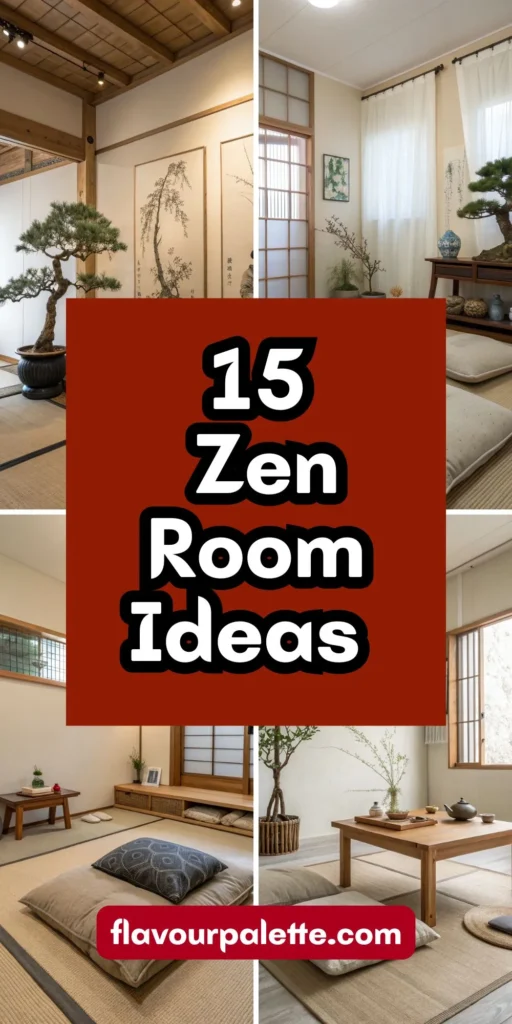
Modern Zen rooms are not defined solely by strict rules or traditional Japanese décor. Instead, they blend minimalism, natural elements, and intentional design choices that support mental clarity and emotional well-being. Below are 15 Zen room ideas to help you create a serene home retreat that feels calming, grounded, and timeless.
1. Embrace a Minimalist Layout
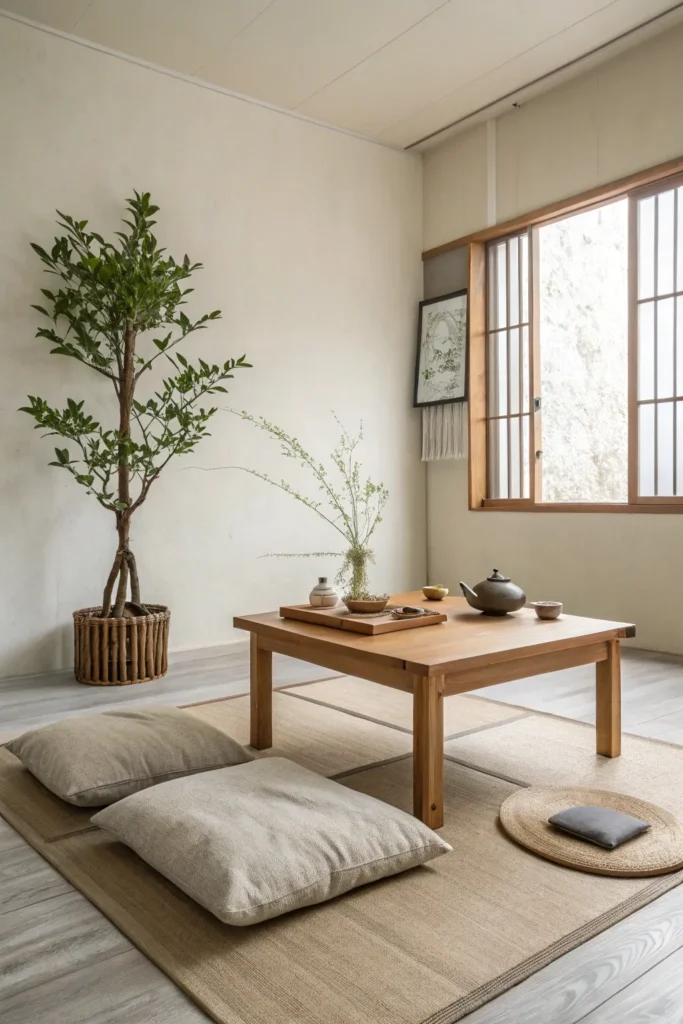
The foundation of any Zen room is simplicity. A clutter-free layout allows the mind to rest and the space to breathe. In a Zen-inspired room, every item should have a purpose and a place.
Choose only essential furniture and décor, and leave open space wherever possible. This minimal approach creates visual calm and encourages mindfulness, making the room feel lighter and more peaceful.
2. Use a Soft, Neutral Color Palette
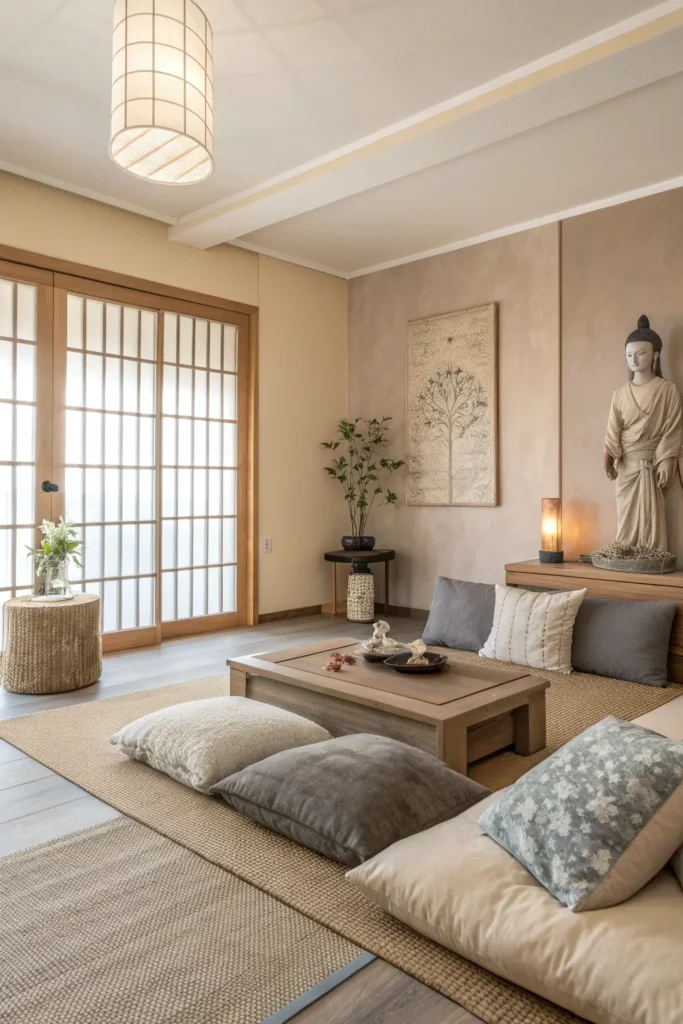
Color plays a significant role in setting the mood of a Zen room. Soft neutrals such as warm whites, beige, stone gray, and muted taupe create a soothing atmosphere. These colors reflect light gently and avoid visual overstimulation.
In modern Zen rooms, subtle variations within the same color family add depth without disrupting the sense of harmony. The goal is to create a palette that feels natural and grounding.
3. Incorporate Natural Materials
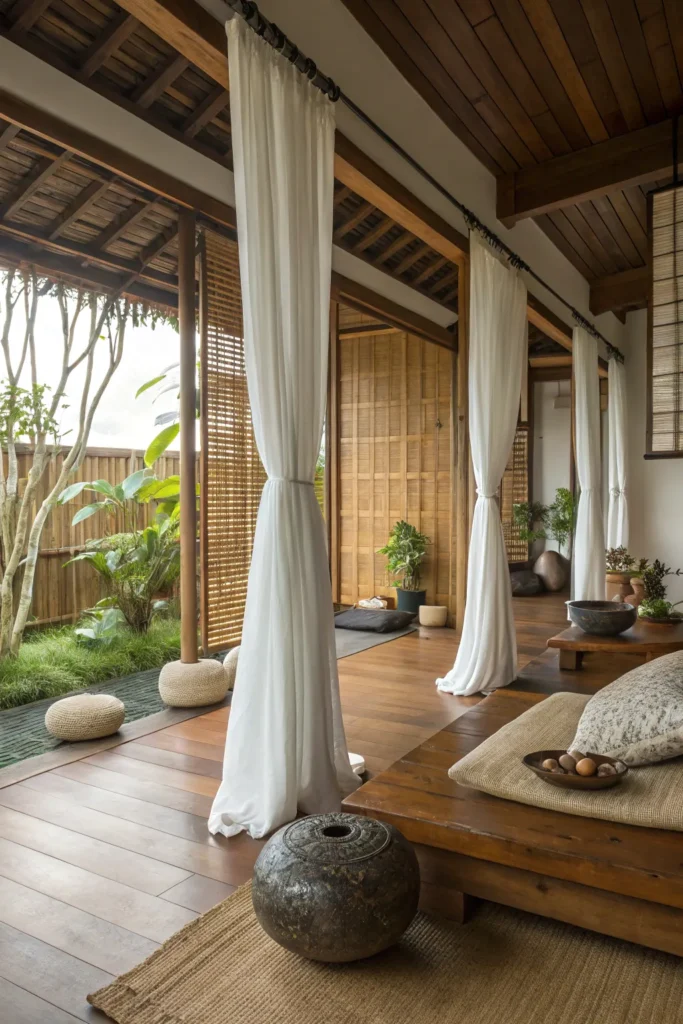
Nature is at the heart of Zen design. Incorporating natural materials helps create a connection to the outdoors and enhances the feeling of tranquility. Wood, bamboo, linen, cotton, stone, and clay are all ideal choices.
Use these materials in furniture, flooring, or décor to add warmth and texture. In modern homes, clean-lined furniture made from natural materials blends seamlessly with Zen aesthetics.
4. Let Natural Light Flow Freely
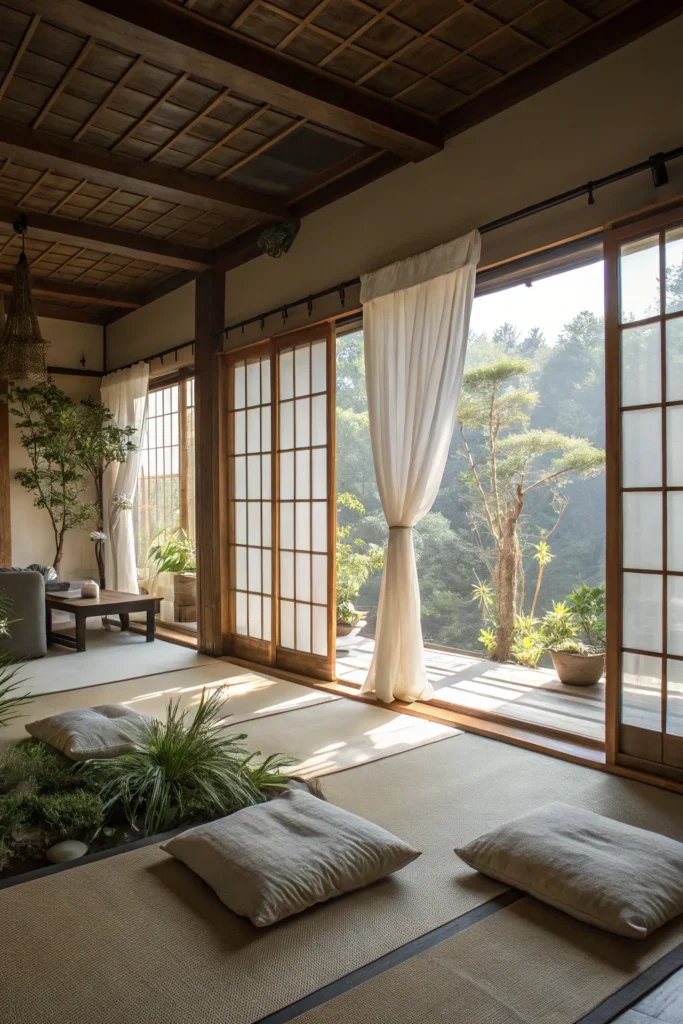
Natural light is essential for a serene space. A Zen room should feel open and airy, allowing daylight to filter in without obstruction. Sheer curtains, light-filtering shades, or uncovered windows help maximize sunlight.
Soft, diffused light creates a calming environment and enhances the natural colors and textures in the room. When possible, orient seating or meditation areas toward windows to strengthen the connection with nature.
5. Create a Dedicated Meditation or Mindfulness Area

A Zen room often includes a designated space for meditation, reflection, or quiet practice. This could be as simple as a floor cushion, a low bench, or a yoga mat placed thoughtfully in the room.
Keep this area free of distractions. Minimal décor, soft lighting, and comfortable seating help support focus and inner calm. Even a small corner can become a powerful retreat when designed with intention.
6. Add Soft, Layered Textures
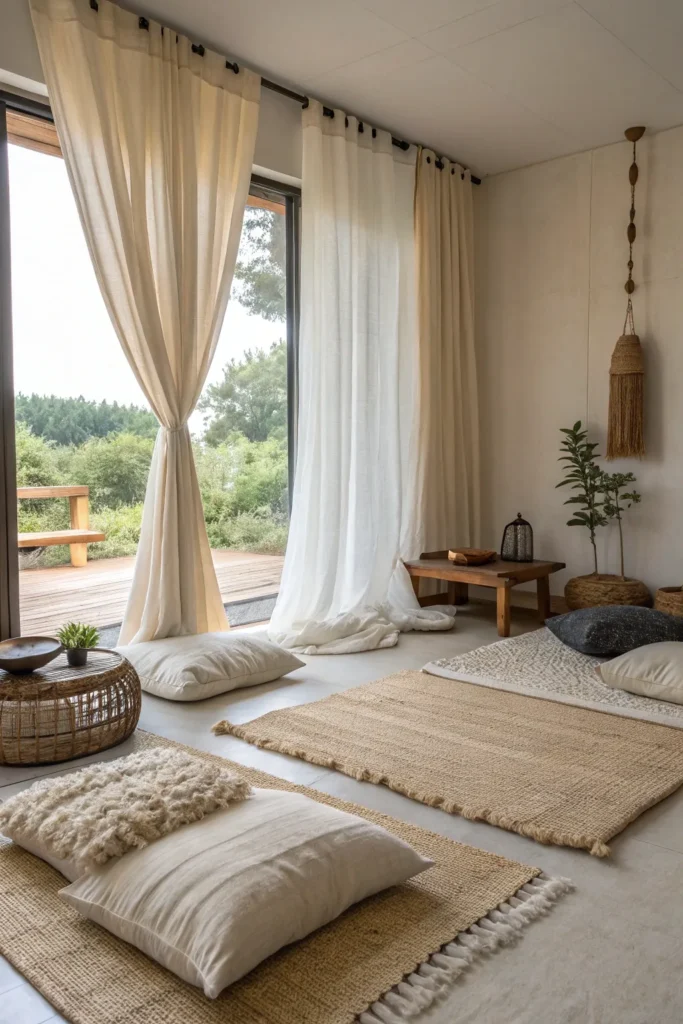
While Zen design is minimal, it should never feel cold or sterile. Soft textures add comfort and warmth, making the space inviting and restful. Layering natural textiles such as linen curtains, cotton throws, and wool rugs enhances the sensory experience.
In modern Zen rooms, texture replaces excess decoration. Each material contributes to the overall feeling of balance and ease.
7. Use Low Furniture for Grounded Energy
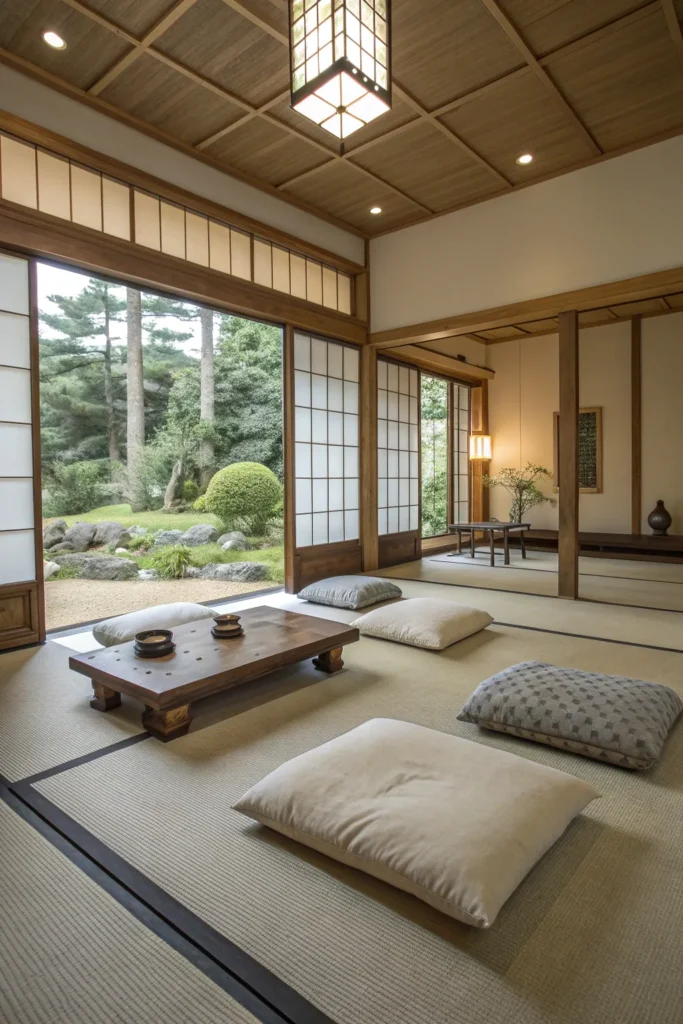
Low-profile furniture is a common element in Zen-inspired spaces. Sitting closer to the ground creates a sense of stability and grounding, which supports relaxation and mindfulness.
Floor cushions, low tables, or platform seating help maintain a calm visual flow. In modern interiors, these elements are often paired with simple, contemporary designs for a clean yet serene look.
8. Incorporate Indoor Plants Thoughtfully
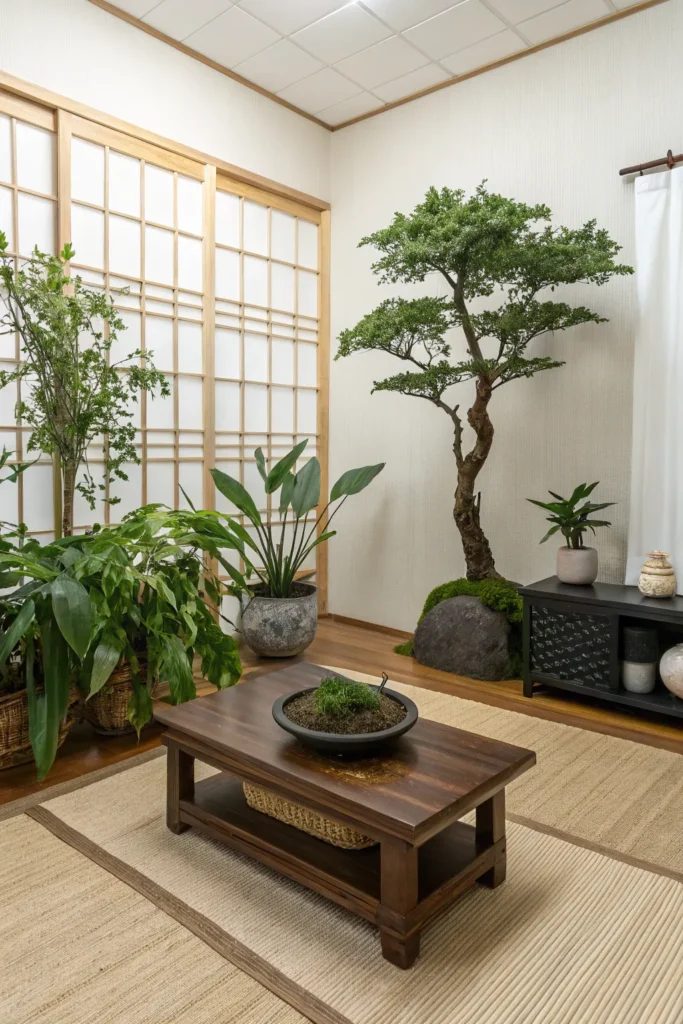
Plants bring life, freshness, and balance to a Zen room. Choose greenery with simple forms, such as bonsai, snake plants, or peace lilies. These plants add natural beauty without overwhelming the space.
Place plants intentionally rather than filling every corner. In Zen design, each plant is chosen for its presence and contribution to the room’s harmony.
9. Use Soft, Warm Lighting in the Evenings

As natural light fades, artificial lighting should maintain the calm atmosphere. Avoid harsh overhead lights and opt for warm, ambient lighting instead. Table lamps, floor lamps, or wall sconces with soft bulbs create a gentle glow.
In modern Zen rooms, lighting is often layered and indirect, supporting relaxation and quiet moments without drawing attention to itself.
10. Reduce Visual Noise with Clean Lines

Visual noise disrupts the sense of calm in a Zen room. Clean lines and simple shapes help maintain visual clarity and balance. Furniture and décor should feel understated and cohesive.
Modern design naturally aligns with this principle, as it emphasizes function, form, and simplicity. Avoid overly ornate pieces or busy patterns that can distract the eye.
11. Introduce Subtle Nature-Inspired Art
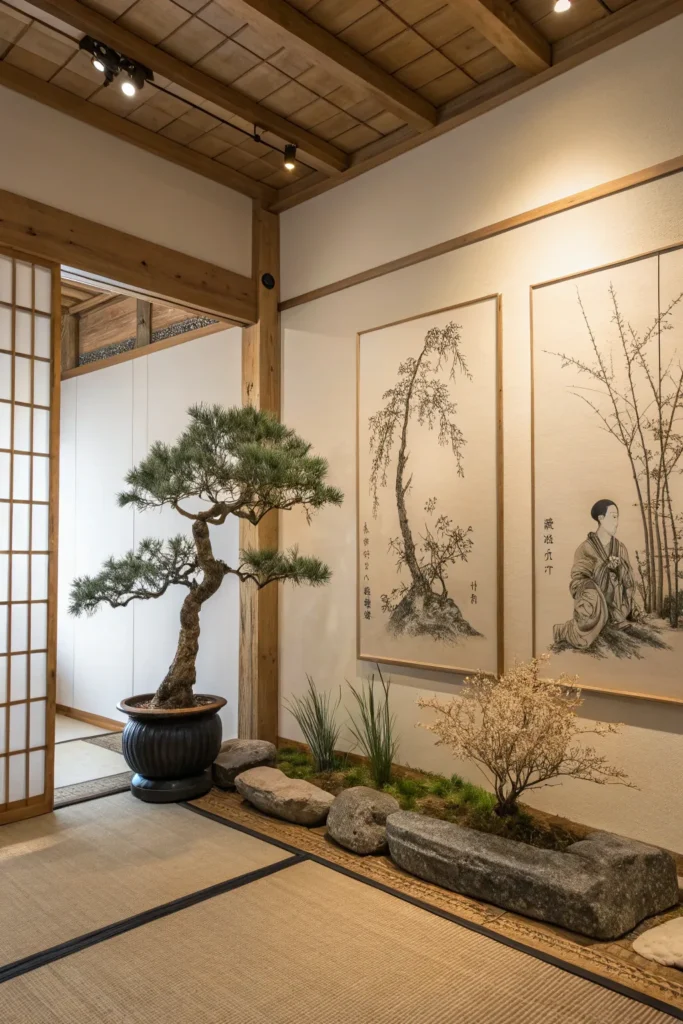
Art in a Zen room should support tranquility rather than dominate the space. Nature-inspired artwork, such as landscapes, abstract organic forms, or minimalist ink-style prints, works well.
Choose one or two pieces rather than filling the walls. In Zen design, negative space is just as important as the art itself, allowing the room to feel open and calm.
12. Keep Storage Hidden and Organized

Organization is essential for maintaining serenity. Visible clutter can disrupt mental clarity, even if it’s neatly arranged. Built-in storage, closed cabinets, or simple baskets help keep belongings out of sight.
In modern Zen rooms, storage solutions are often integrated seamlessly into the design, preserving clean lines and visual simplicity.
13. Use Natural Scents to Enhance Calm
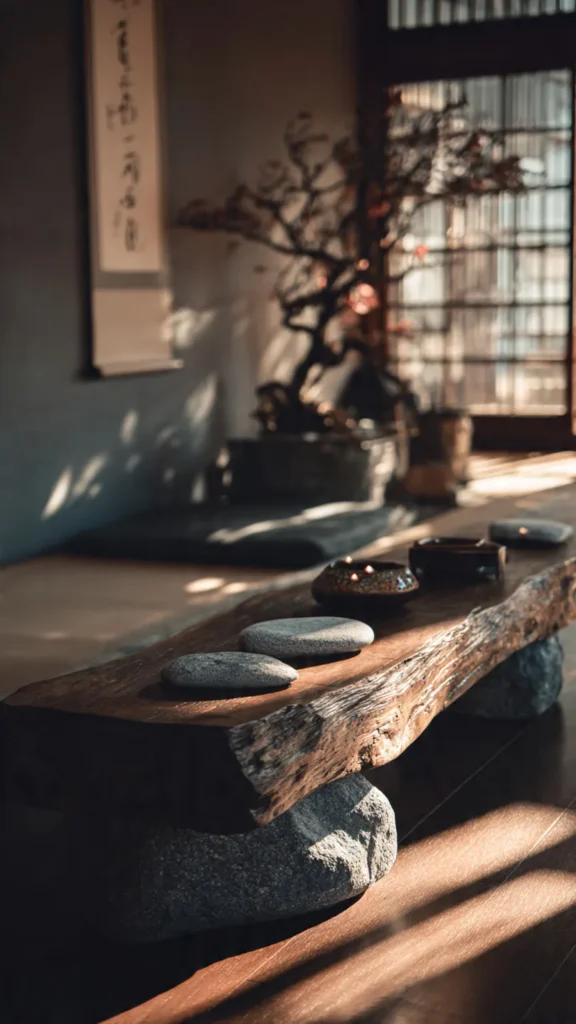
A Zen room engages more than just the visual senses. Natural scents can enhance relaxation and mindfulness. Incense, essential oil diffusers, or candles with subtle fragrances help create a soothing environment.
Choose scents inspired by nature, such as sandalwood, cedar, lavender, or eucalyptus. These aromas support calm without overpowering the space.
14. Create a Quiet Sound Environment
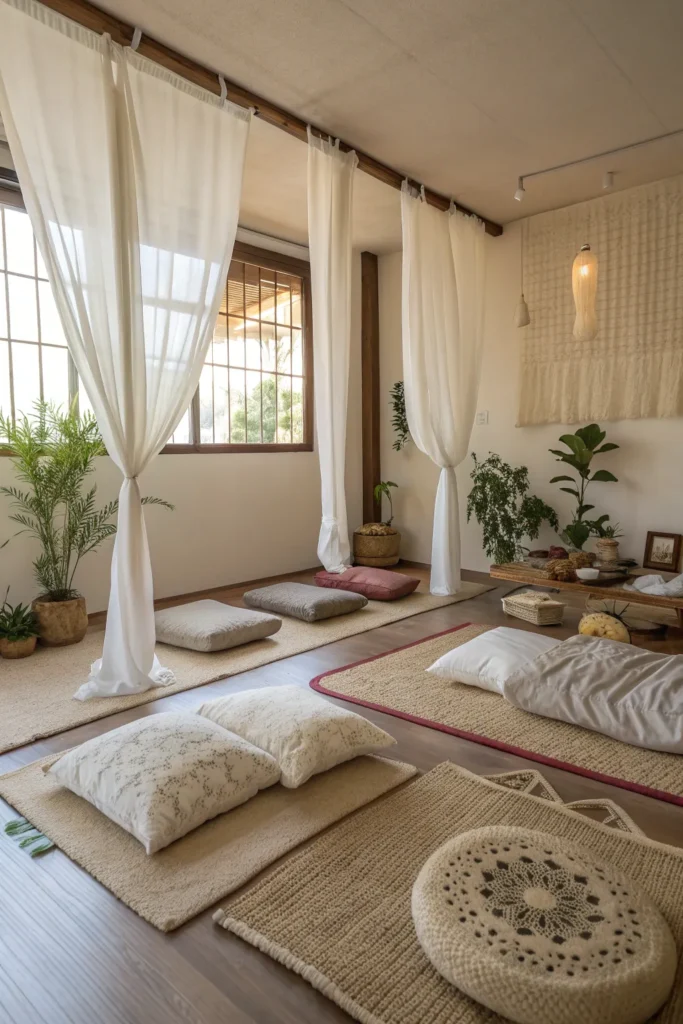
Sound plays a significant role in relaxation. A Zen room should feel acoustically soft and peaceful. Textiles like rugs, curtains, and cushions help absorb noise and create a quieter environment.
Some people choose to incorporate gentle background sounds, such as soft music or a small water feature. When used sparingly, these elements can enhance the meditative quality of the space.
15. Design with Intention and Personal Meaning
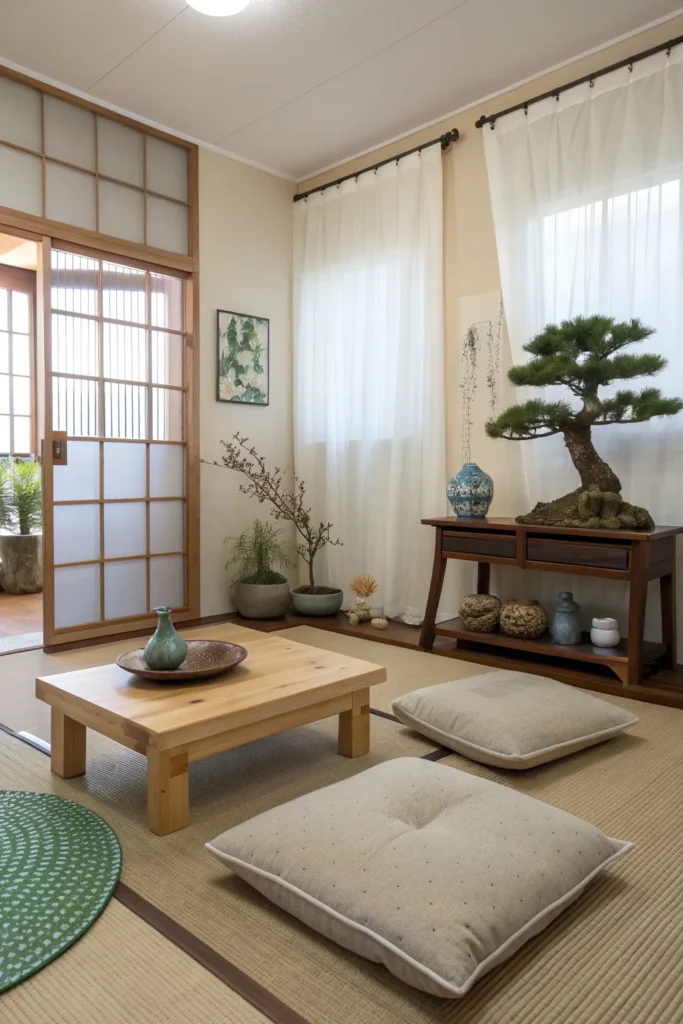
Above all, a Zen room should feel personal and intentional. Every object should serve a purpose—whether functional, emotional, or symbolic. Avoid decorating for the sake of filling space.
A meaningful object, such as a favorite book, a handmade item, or a simple sculpture, can bring comfort and authenticity to the room. In Zen design, less truly is more.
How to Create a Zen Room That Supports Daily Life
A Zen room is not just a design choice—it’s a lifestyle choice. It encourages mindfulness, simplicity, and balance in everyday life. Start by removing what doesn’t serve the space, then thoughtfully add elements that promote calm and clarity.
Modern Zen rooms blend timeless principles with contemporary living. They don’t require large spaces or special décor, only intention and awareness. When designed with care, a Zen room becomes a sanctuary—one that supports rest, reflection, and inner peace in the comfort of your own home.