
Super Soft Bread Recipe – The Ultimate Guide to Cloud-Like Perfection
Welcome to my culinary journey! Today, I invite you to explore the heavenly world of super-soft bread that melts in your mouth like a cloud. In this article, I will guide you through the history, secrets, and delightful preparation of this incredibly tender and fluffy bread, which will transform your baking game forever.
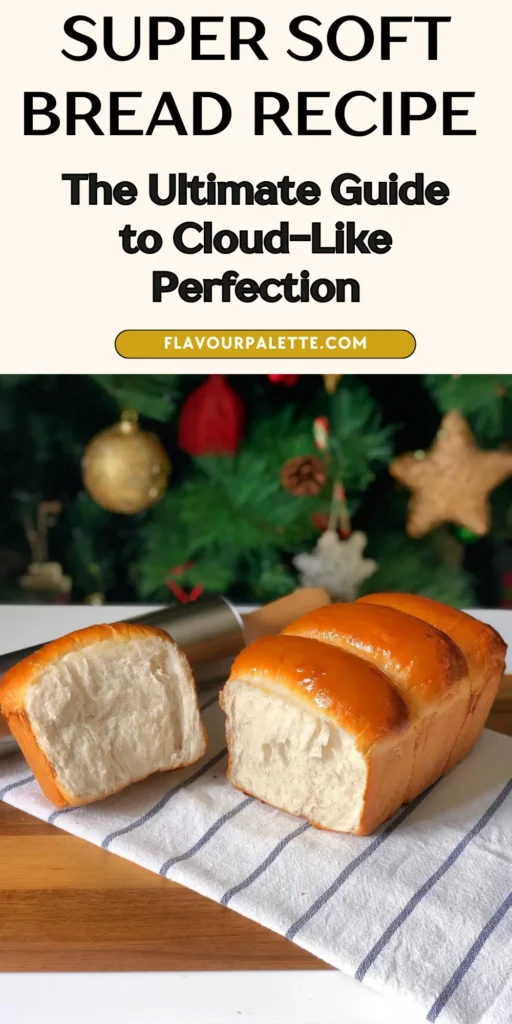
As an avid baker and culinary enthusiast, I have thoroughly researched and perfected this recipe to bring you a comprehensive guide that not only produces the softest bread you’ll ever taste but also helps you master the art of creating bakery-quality loaves at home.
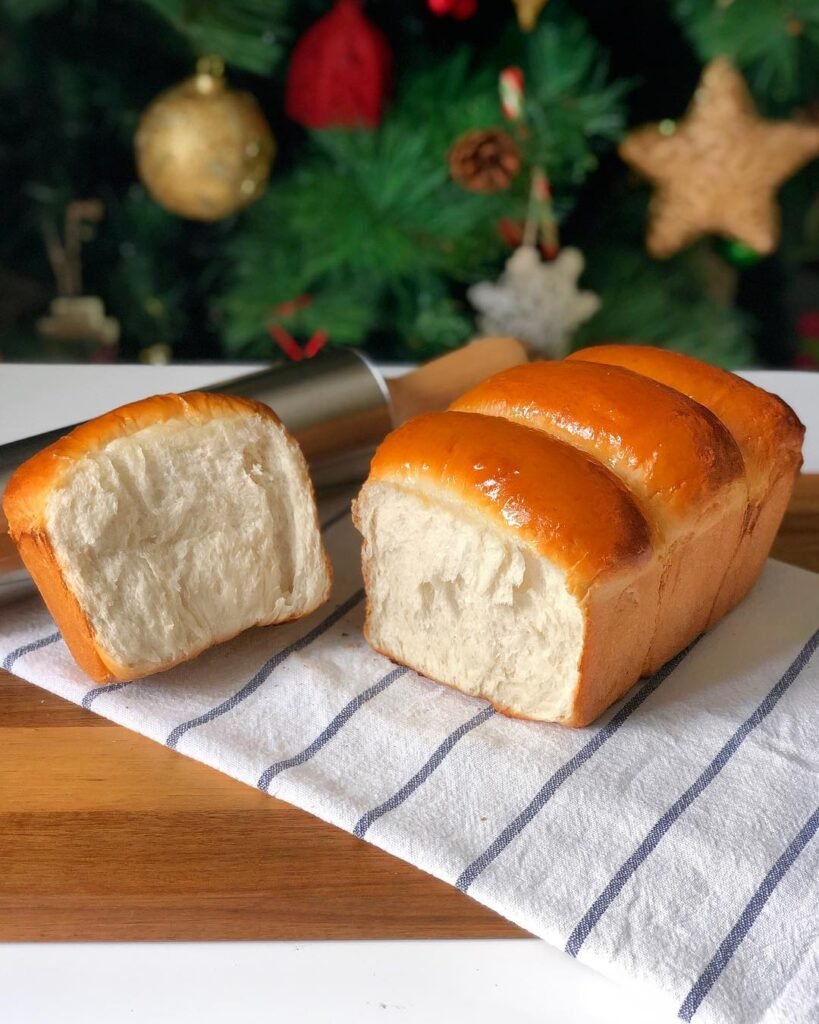
Super soft bread, also known as Japanese milk bread or Hokkaido bread, is a remarkably tender and pillowy loaf characterized by its cloud-like texture and subtle sweetness. This bread stays fresh and soft for days, making it perfect for sandwiches, toast, or simply enjoying on its own. The secret lies in a special technique called the tangzhong method, which creates an incredibly moist and fluffy crumb.
The magic of super soft bread lies in the perfect harmony of ingredients and technique that creates an extraordinary eating experience. The tangzhong (flour and milk paste) acts as a moisture-locking agent, while the combination of bread flour, milk powder, butter, and eggs creates a rich, tender crumb. The careful balance of sugar provides subtle sweetness, and the precise kneading develops just the right amount of gluten for structure without toughness.
You’ll also love these other bread recipes:
- How to Make Perfect Dinner Rolls
- Brioche Bread Copycat Recipe
- Cinnamon Swirl Bread
What You’ll Need to Make this Dish:
To embark on this baking adventure, gather the following ingredients:
For the Tangzhong (Flour Paste):
- Bread flour (3 tablespoons): Forms the base of the tangzhong, creating a gel-like consistency that retains moisture throughout the bread
- Whole milk (1/2 cup): Provides richness and helps create the smooth paste that gives the bread its signature softness
For the Bread Dough:
- Bread flour (2½ cups): High-protein flour creates the gluten structure needed for a well-risen, yet tender loaf
- Instant yeast (2¼ teaspoons): Provides the leavening power to create a light, airy texture
- Sugar (¼ cup): Adds subtle sweetness and feeds the yeast for optimal rise
- Salt (1 teaspoon): Enhances flavor and controls yeast activity for proper fermentation
- Milk powder (2 tablespoons): Intensifies the milky flavor and contributes to the soft, tender crumb
- Large egg (1 whole): Adds richness, structure, and contributes to the golden color
- Whole milk (½ cup, warm): Creates moisture and activates the yeast for proper rising
- Unsalted butter (¼ cup, softened): Provides richness, flavor, and contributes to the tender texture
For the Egg Wash:
- Egg (1 large): Creates a beautiful golden, glossy crust when baked
- Heavy cream (1 tablespoon): Adds richness to the egg wash for an even more beautiful finish
How to Make Super Soft Bread?
Now that we have all the ingredients ready, let me guide you through the step-by-step process of creating this heavenly soft bread:
Step 1: Prepare the Tangzhong
In a small saucepan, whisk together 3 tablespoons of bread flour and ½ cup of milk until smooth. Cook over medium-low heat, stirring constantly, until the mixture thickens into a paste (about 2-3 minutes). It should coat the back of a spoon. Remove from heat and let cool completely.
Step 2: Mix the Dry Ingredients
In a large mixing bowl, whisk together the bread flour, instant yeast, sugar, salt, and milk powder. Make sure the salt and yeast are on opposite sides of the bowl to prevent the salt from inhibiting yeast activity.
Step 3: Combine Wet Ingredients
In a separate bowl, whisk together the cooled tangzhong, egg, and warm milk until well combined. The mixture should be smooth and slightly thick.
Step 4: Form the Dough
Create a well in the center of the dry ingredients and pour in the wet mixture. Using a wooden spoon or your hands, mix until a shaggy dough forms. Don’t worry if it looks rough at this stage.
Step 5: Knead the Dough
Turn the dough out onto a lightly floured surface and knead for 8-10 minutes until it becomes smooth and elastic. The dough should be slightly sticky but not overly wet. If using a stand mixer, knead with the dough hook for 5-6 minutes on medium speed.
Step 6: Add the Butter
Gradually work the softened butter into the dough, kneading until it’s completely incorporated and the dough is smooth and stretchy. This may take an additional 5-8 minutes of kneading. The dough should pass the windowpane test when ready.
Step 7: First Rise
Place the dough in a greased bowl, cover with a damp towel or plastic wrap, and let rise in a warm place for 1-1.5 hours, or until doubled in size.
Step 8: Shape the Bread
Gently punch down the dough and turn it out onto a lightly floured surface. Divide into 3 equal pieces. Roll each piece into a rectangle, then roll up tightly into logs. Place the logs seam-side down in a greased 9×5-inch loaf pan.
Step 9: Second Rise
Cover the pan with a damp towel and let rise for 45-60 minutes, until the dough crowns above the rim of the pan by about 1 inch.
Step 10: Prepare for Baking
Preheat your oven to 350°F (175°C). In a small bowl, whisk together the egg and heavy cream for the egg wash.
Step 11: Apply Egg Wash
Gently brush the top of the risen dough with the egg wash, being careful not to deflate the bread.
Step 12: Bake
Bake for 30-35 minutes, until the top is golden brown and the internal temperature reaches 190°F (88°C). If the top browns too quickly, tent with aluminum foil.
Step 13: Cool and Enjoy
Remove from the oven and let cool in the pan for 5 minutes before turning out onto a wire rack. Allow to cool completely before slicing for the best texture, though it’s irresistibly tempting warm!
Tips for Perfect Super Soft Bread:
- Temperature matters: Ensure your milk is warm but not hot (around 100°F/38°C) to avoid killing the yeast.
- Don’t skip the tangzhong: This flour paste is crucial for achieving the signature soft texture and extended freshness.
- Proper kneading: The dough should be smooth and pass the windowpane test – you should be able to stretch a small piece thin enough to see light through it.
- Rising environment: Create a warm, draft-free environment for rising. An oven with just the light on works perfectly.
- Don’t over-flour: Use just enough flour to prevent sticking during kneading – too much will make the bread dense.
How to Store Leftovers?
Store your super soft bread in an airtight container or plastic bag at room temperature for up to 5 days. The bread will stay remarkably soft due to the tangzhong method. For longer storage, wrap tightly and freeze for up to 3 months. Thaw at room temperature and toast lightly to refresh.
Nutrition Information:
One slice of super soft bread (based on 12 slices per loaf) contains approximately 180 calories, 4g of fat, 32g of carbohydrates, and 6g of protein.
How Would I Recommend Serving Super Soft Bread?
Once you’ve mastered this incredibly soft bread, here are four delightful ways to enjoy your homemade creation:
- Classic Toast Experience: Slice thick and toast lightly with butter and honey. The contrast between the crispy exterior and pillowy interior creates the perfect breakfast or snack.
- Gourmet Sandwiches: Use this bread for elevated sandwiches – its soft texture won’t overpower delicate fillings like cucumber and cream cheese or smoked salmon.
- French Toast Perfection: Transform day-old bread into the most luxurious French toast. The soft texture absorbs the custard beautifully while maintaining its structure.
- Bread Pudding Base: Create an indulgent bread pudding using this soft bread as the foundation. Its tender crumb absorbs flavors beautifully while maintaining a delicate texture.
What Alternatives Can You Use for the Ingredients If Not Available?
If you’re missing certain ingredients, here are four alternatives to help you still create delicious soft bread:
- Milk Powder Substitute: Replace milk powder with an extra 2 tablespoons of regular flour and add 1 tablespoon of sugar for sweetness. You can also use powdered buttermilk for a tangy twist.
- Bread Flour Alternative: If you only have all-purpose flour, add 1 tablespoon of vital wheat gluten per cup of flour to increase protein content and improve texture.
- Butter Replacement: Substitute with an equal amount of neutral oil like vegetable or canola oil for a slightly different but still tender texture. Margarine also works in a pinch.
- Milk Alternatives: Use any non-dairy milk like oat, almond, or soy milk for the tangzhong and dough. The bread will still be wonderfully soft, though with a slightly different flavor profile.

Super Soft Bread Recipe
Ingredients
- Tangzhong:
- 3 tablespoons bread flour
- 1/2 cup whole milk
- Bread Dough:
- 2½ cups bread flour
- 2¼ teaspoons instant yeast
- ¼ cup sugar
- 1 teaspoon salt
- 2 tablespoons milk powder
- 1 large egg
- ½ cup warm whole milk
- ¼ cup unsalted butter softened
- Egg Wash:
- 1 large egg
- 1 tablespoon heavy cream
Instructions
- Make Tangzhong: Cook flour and milk mixture until thickened. Cool completely.
- Mix Dry Ingredients: Combine flour, yeast, sugar, salt, and milk powder.
- Combine Wet Ingredients: Mix tangzhong, egg, and warm milk.
- Form Dough: Combine wet and dry ingredients until shaggy dough forms.
- Knead: Knead 8-10 minutes until smooth and elastic.
- Add Butter: Work in softened butter until fully incorporated.
- First Rise: Rise 1-1.5 hours until doubled.
- Shape: Divide into 3 pieces, shape, and place in loaf pan.
- Second Rise: Rise 45-60 minutes until crowning pan.
- Bake: Brush with egg wash, bake at 350°F for 30-35 minutes.
- Cool: Cool in pan 5 minutes, then on wire rack.
Notes
- Tangzhong must be completely cool before using
- Dough should pass the windowpane test after kneading
- Internal temperature should reach 190°F when done
- Bread stays soft for up to 5 days at room temperature
Frequently Asked Questions (FAQs):
1. Can I make this bread without a stand mixer? Absolutely! This bread can be made entirely by hand. The kneading will take a bit longer (10-15 minutes total), but the results will be just as spectacular.
2. Why is my bread not as soft as expected? The most common reasons are: not cooling the tangzhong completely, over-flouring during kneading, or not kneading long enough to develop proper gluten structure.
3. Can I make this bread dairy-free? Yes! Substitute the milk with your favorite non-dairy alternative and use vegan butter. The texture will be slightly different but still wonderfully soft.
4. How do I know when the bread is properly kneaded? The dough should be smooth, elastic, and pass the windowpane test – stretch a small piece until you can see light through it without tearing.
5. Can I freeze the dough? Yes, you can freeze the dough after the first rise. Thaw completely, shape, and proceed with the second rise and baking.
6. What’s the difference between this and regular white bread? The tangzhong method creates a much softer, more tender crumb that stays fresh longer. Regular white bread typically has a denser texture and goes stale more quickly.
Conclusion:
Super soft bread is more than just a recipe – it’s a gateway to experiencing the incredible satisfaction of creating bakery-quality bread in your kitchen. From the silky tangzhong to the pillowy final loaf, this bread represents the perfect marriage of technique and ingredients.
Through this comprehensive guide, we’ve explored every aspect of crafting this exceptional bread. With detailed instructions, professional tips, serving suggestions, and ingredient alternatives, you’re now equipped to create loaves that will amaze your family and friends.
So, gather your ingredients, embrace the process, and enjoy the incredible journey of making super soft bread that will become a treasured staple in your baking repertoire!