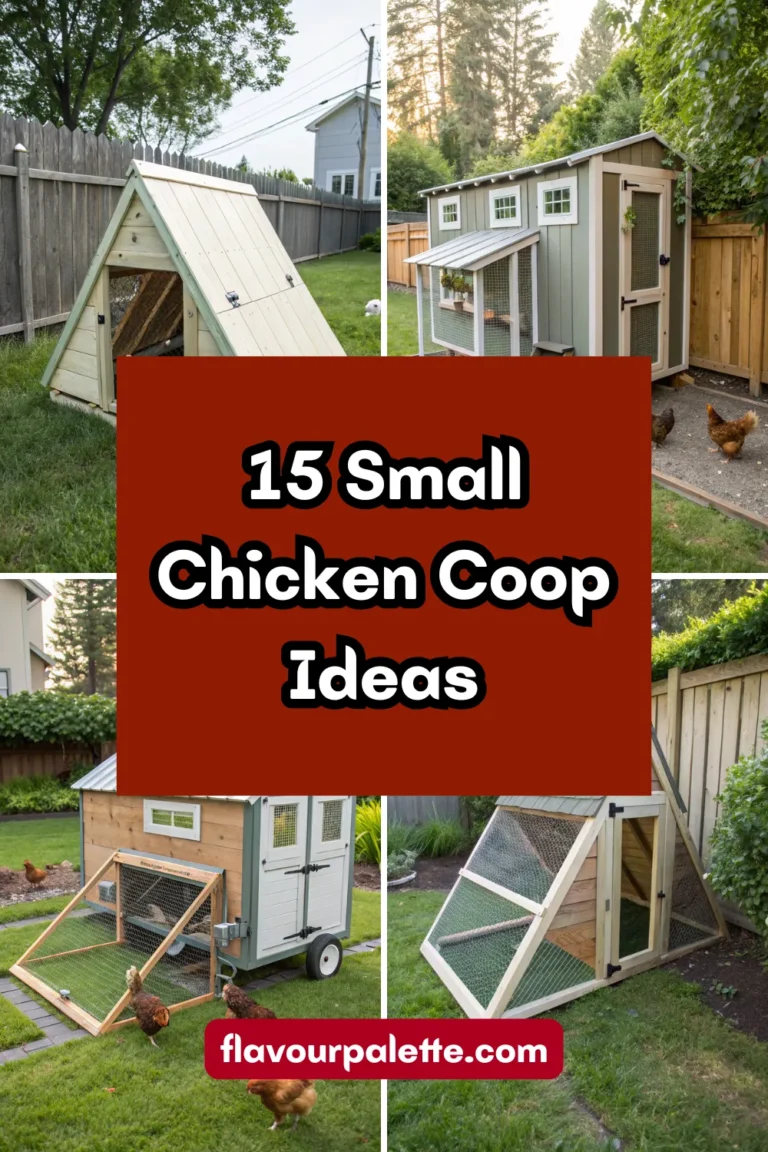
15 Pet-Friendly Garden Design Ideas
Having pets and a beautiful garden at the same time can feel like an impossible balancing act. Dogs dig, cats roll in flower beds, and before you know it, your carefully planned outdoor space looks like a demolition site. But it does not have to be that way.
A pet-friendly garden is not about sacrificing style for practicality. It is about designing smarter — choosing the right plants, materials, and layouts that work for both you and your animals. The result is an outdoor space that looks great, functions beautifully, and keeps your pets safe and happy at the same time.
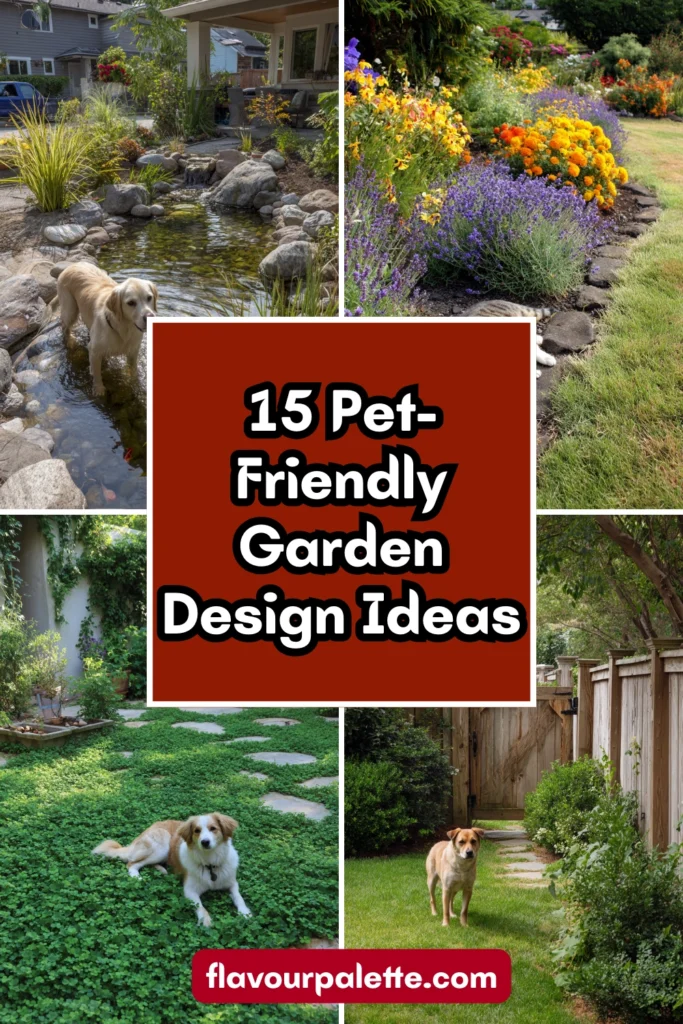
Here are 15 pet-friendly garden design ideas that prove you really can have it all.
1. Create a Dedicated Dog Run
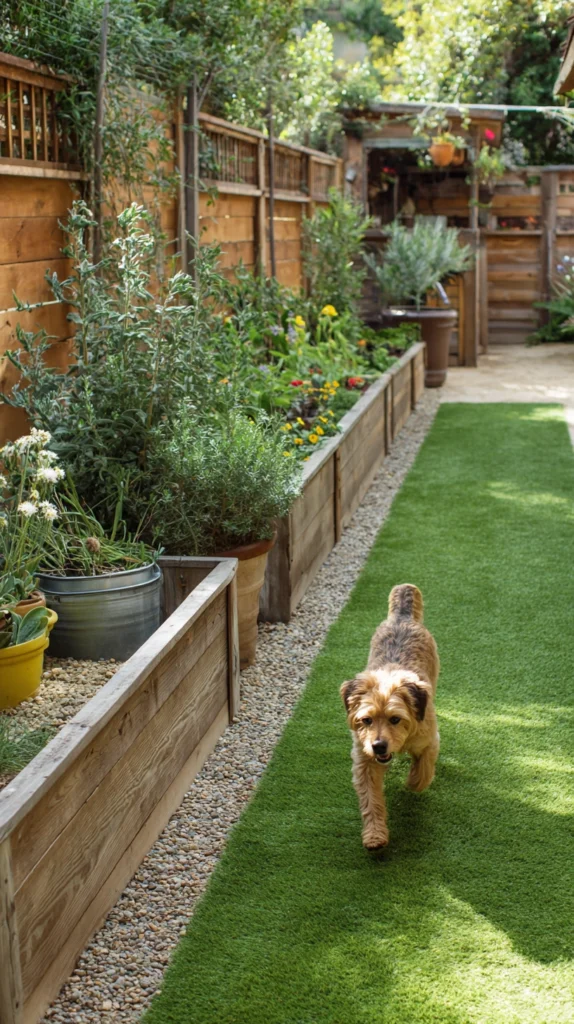
One of the smartest things you can do in a pet-friendly garden is give your dog their own dedicated space to run, play, and burn off energy. A dog run is a clearly defined area — usually along the side of the house or at the bottom of the garden — surfaced with pet-safe gravel, artificial turf, or compacted dirt.
When dogs have their own zone, they are far less likely to tear through your flower beds or dig up your lawn. It gives them freedom and keeps the rest of your garden intact. A simple fence or low border is all you need to define the space clearly.
Pro Tip: Line the dog run with a layer of pea gravel or pet-friendly artificial turf rather than bare soil. Both are easy to clean, drain well after rain, and hold up to heavy daily use far better than grass or mud ever will.
2. Choose Pet-Safe Plants Throughout
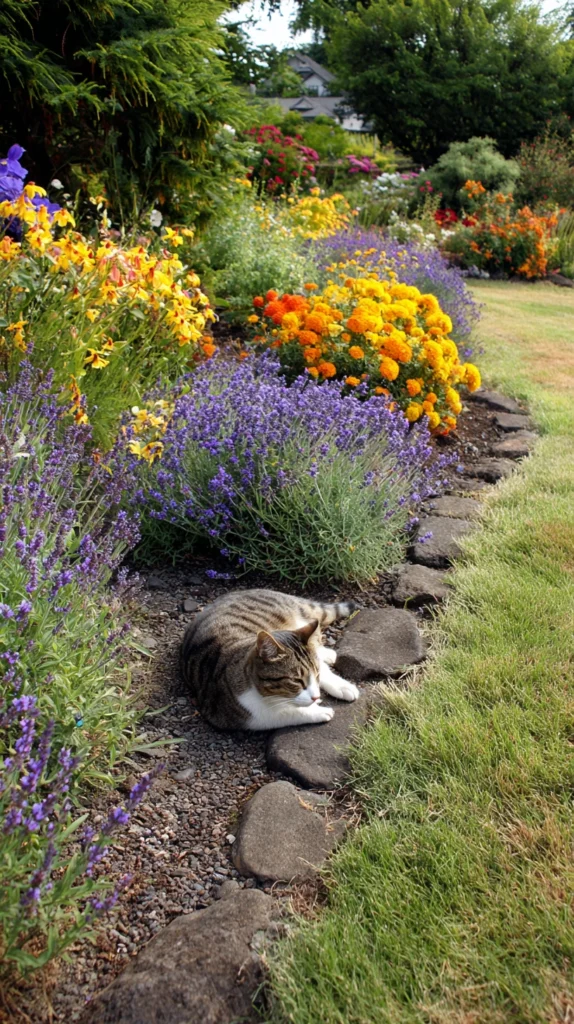
This one is non-negotiable. Many common garden plants — including foxglove, azalea, hydrangea, and wisteria — are toxic to dogs and cats. If your pets spend time in the garden, every plant you choose needs to be safe if chewed or ingested.
Pet-safe options include lavender, sunflowers, roses, snapdragons, marigolds, and most herbs like basil, rosemary, and mint. These give you plenty of color, fragrance, and variety to work with while keeping your animals out of danger.
Pro Tip: Do your research before buying any new plant for a pet-friendly garden. The ASPCA maintains a comprehensive online list of toxic and non-toxic plants for both dogs and cats — it is worth bookmarking and checking every single time you shop for new plants.
3. Install a Garden Path for Pet Patrol
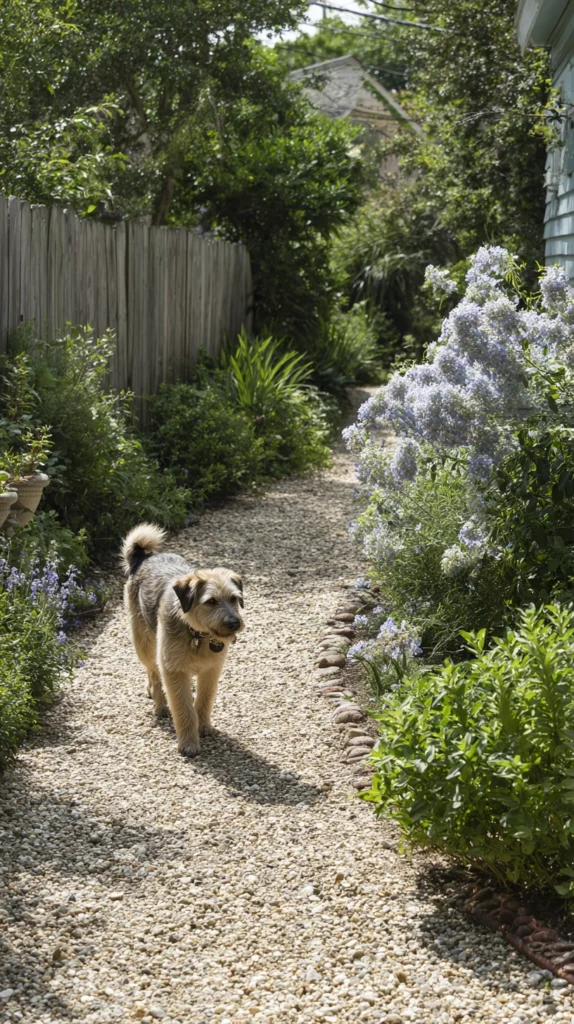
Most dogs have a favorite patrol route around the garden — along the fence line, around the perimeter, or between two fixed points. Instead of fighting this natural behavior, design around it by installing a dedicated garden path along their preferred route.
Gravel, stepping stones, or compacted bark chippings all work well for pet paths. Once the path is in place, dogs tend to stick to it rather than cutting through planted areas, which saves your flower beds from being trampled daily.
Pro Tip: Make the path wide enough to feel like a proper route — at least 60 to 90 centimeters. A narrow path will be ignored. A wide, clearly defined one will be used consistently, and your garden borders will thank you for it immediately.
4. Build Raised Garden Beds
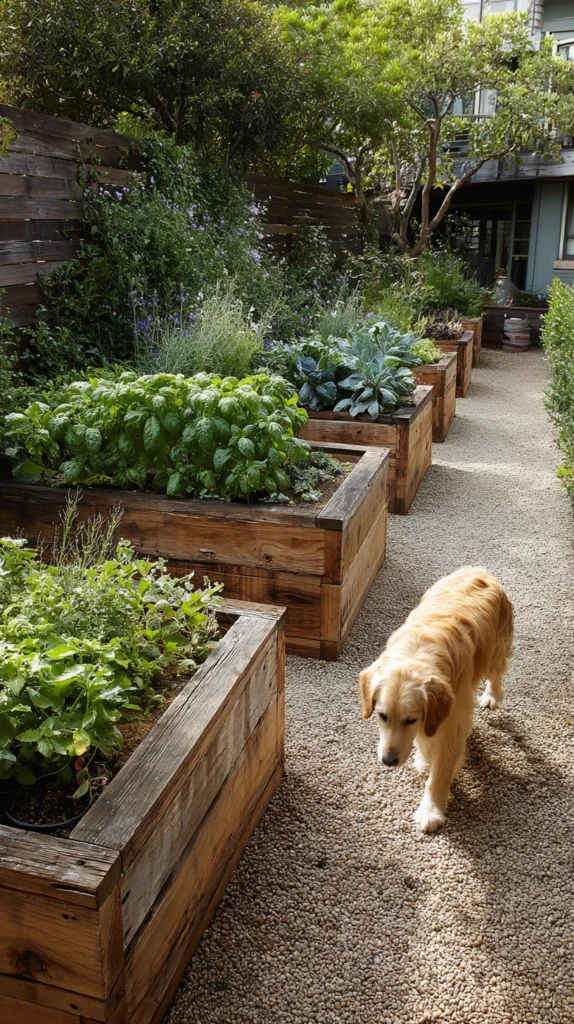
Raised garden beds are one of the most effective ways to protect your plants from pets. The height creates a natural barrier that most dogs and cats will respect, keeping your flowers, vegetables, and herbs safely out of reach of curious paws and enthusiastic digging.
Raised beds also look beautiful in a garden — they add structure, definition, and a sense of intention to the overall design. Build them in timber, stone, or metal depending on your garden style, and fill them with whatever you love to grow.
Pro Tip: Aim for raised beds that are at least 45 to 60 centimeters high for dogs. For cats — who are considerably more agile — adding a simple decorative border of pine cones, smooth river stones, or rosemary plants around the edges discourages them from jumping in and digging.
5. Use Pet-Safe Lawn Alternatives
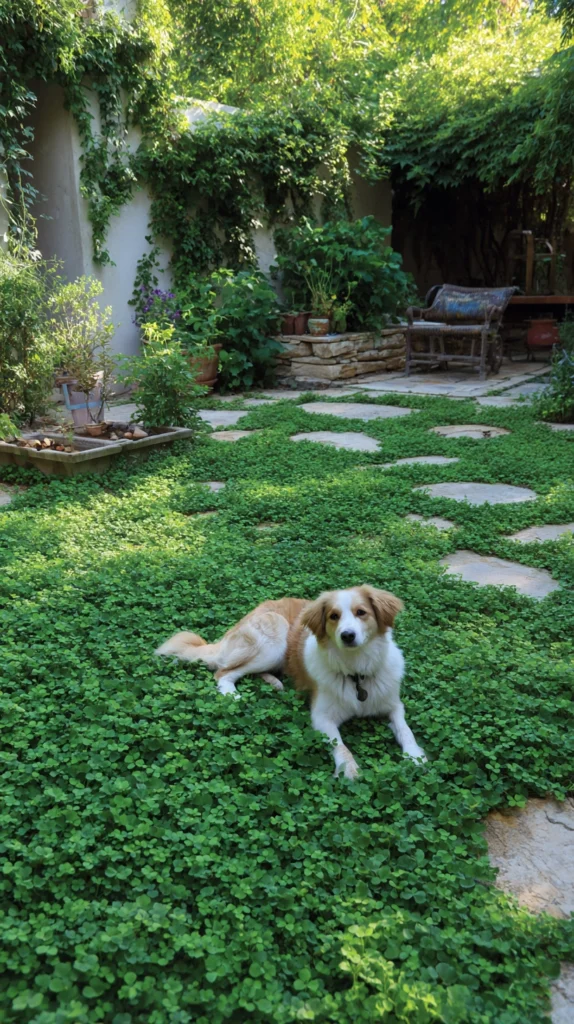
Traditional grass lawns and pets are not always the best combination. Heavy dog traffic leads to muddy patches, worn tracks, and brown spots from urine. If your lawn is suffering, it might be time to consider a more resilient alternative that looks just as good.
Clover lawns are an excellent option — they are soft, lush, naturally weed-resistant, and far more durable than grass under pet traffic. Artificial turf is another popular choice for pet owners, offering a consistently green, low-maintenance surface that drains well and cleans easily.
Pro Tip: If you want to keep a natural lawn, overseed it regularly with a hard-wearing grass seed mix designed for high-traffic areas. These blends recover much faster from pet damage and stay looking green and full even with daily use from dogs.
6. Add a Pet Drinking Station
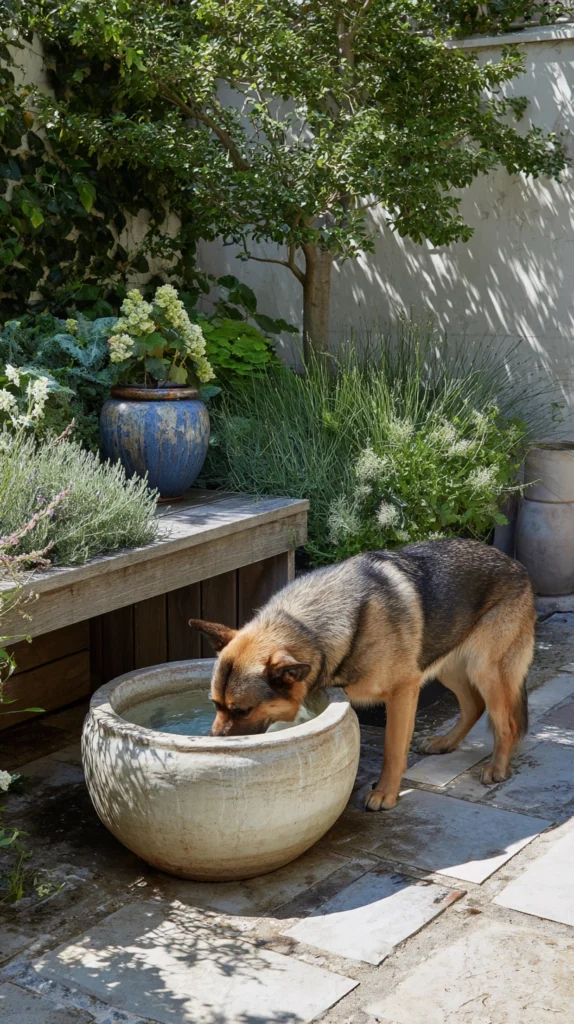
Keeping fresh water available in the garden is essential for pets spending time outdoors, especially in warmer months. A dedicated outdoor drinking station — whether a simple ceramic bowl, a wall-mounted tap bowl, or a self-filling pet fountain — makes sure your animals stay hydrated without having to come inside.
Position it somewhere shaded so the water stays cool, and make sure it is easy for you to refill and clean regularly. A stone or tiled base underneath prevents the surrounding area from becoming muddy and waterlogged.
Pro Tip: For dogs who love to splash and play with their water, use a heavy ceramic or stone bowl rather than a lightweight plastic one. It will not tip over, it stays cooler for longer, and it looks far more stylish in a well-designed garden setting.
7. Create a Shaded Rest Area for Pets
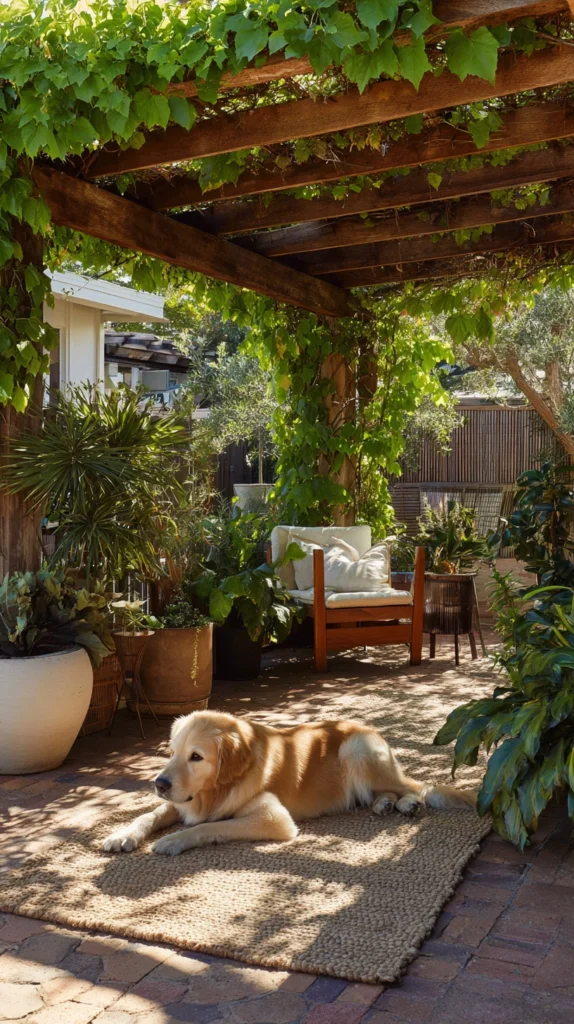
Every pet-friendly garden needs a shaded spot where animals can rest, cool down, and escape the heat of the midday sun. Overheating is a genuine risk for dogs and cats in summer, and having a cool, comfortable outdoor resting area is just as important as any other garden feature.
A pergola with climbing plants, a sail shade stretched between posts, or a large garden umbrella all create effective shade. Place a pet bed, a mat, or even just a folded outdoor blanket underneath to make the spot genuinely inviting for your animals.
Pro Tip: Position the shaded rest area near the house rather than at the far end of the garden. Pets tend to want to be close to their owners, and a shaded spot near the back door or patio is far more likely to be used regularly than one tucked away in a corner.
8. Secure Your Garden Boundaries
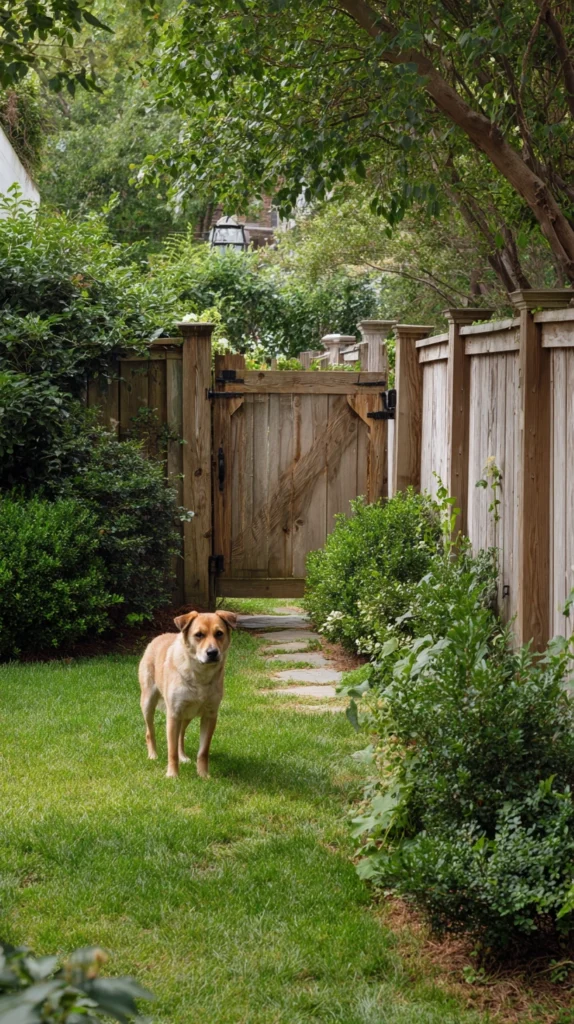
Before you invest time, money, and energy into a beautiful pet-friendly garden, make sure the boundaries are completely secure. A garden that looks stunning but allows your dog to escape is not a safe garden, no matter how well it is designed.
Check every fence panel, gate latch, and boundary edge for gaps, loose boards, or areas where a determined dog could dig underneath. For dogs that jump, fence extensions and coyote rollers along the top of fence lines are both effective and increasingly popular solutions.
Pro Tip: Pay particular attention to gate latches — these are the most common escape point in any garden. Install a double-latch system or a self-closing gate mechanism that cannot be nudged open by a persistent nose or paw. It is a small investment that makes an enormous difference.
9. Design a Digging Zone
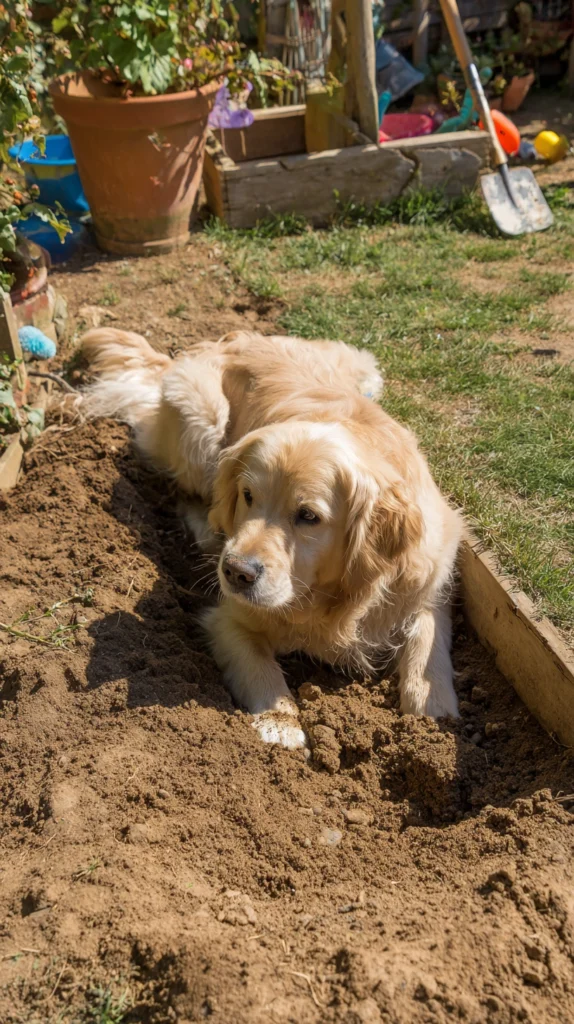
Digging is a completely natural behavior for dogs, and trying to stop it entirely is a losing battle for most pet owners. Instead of waging a constant war against your dog’s instincts, designate a specific digging zone where they are actively encouraged to dig to their heart’s content.
A clearly defined area filled with loose, sandy soil or soft earth — perhaps tucked into a corner of the garden — gives dogs an outlet for this behavior without destroying your lawn or flower beds. You can even bury toys or treats in the zone to encourage them to use it consistently.
Pro Tip: Mark the digging zone with a clear visual border — low timber edging, a ring of stones, or a change in surface material. Dogs learn boundaries faster than most people expect, especially when the designated area is regularly reinforced with encouragement and the occasional buried treat.
10. Choose Hard-Wearing Garden Surfaces
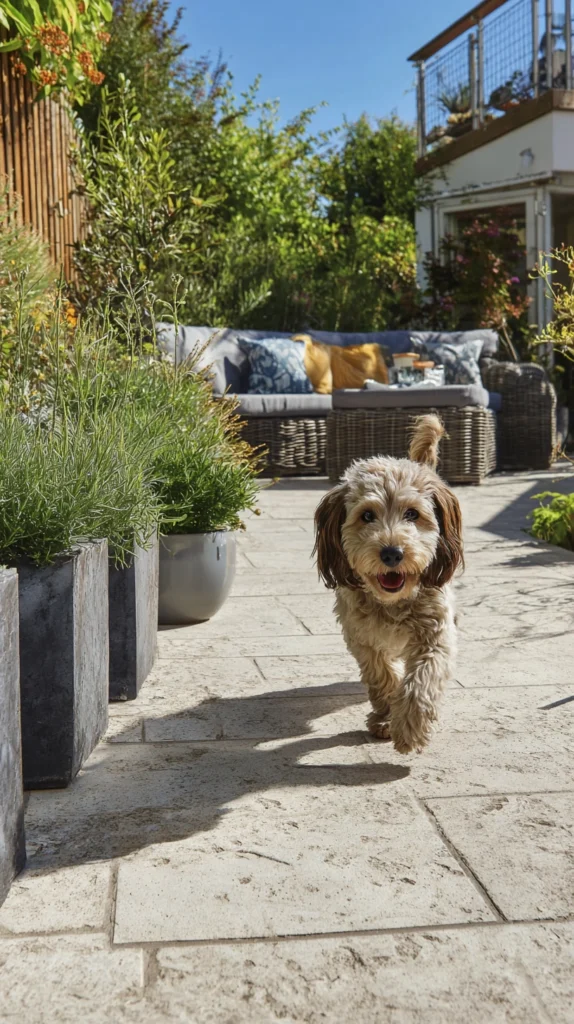
In a pet-friendly garden, your choice of hard surface matters enormously. Loose gravel can get caught in paws and scattered everywhere. Slippery decking becomes dangerous when wet. Highly polished stone tiles are a hazard for running dogs. The wrong surface creates problems that compound over time.
Textured porcelain pavers, brushed concrete, or natural stone with a slightly rough finish are all excellent choices for pet-friendly gardens. They are durable, easy to clean, grip-friendly for running animals, and look great in a well-designed outdoor space.
Pro Tip: Avoid pressure-treated timber decking in gardens with pets. The chemicals used in the treatment process can be harmful to animals who lick their paws after walking across it. Composite decking or naturally durable hardwoods are much safer and longer-lasting alternatives.
11. Plant a Pet-Friendly Herb Garden
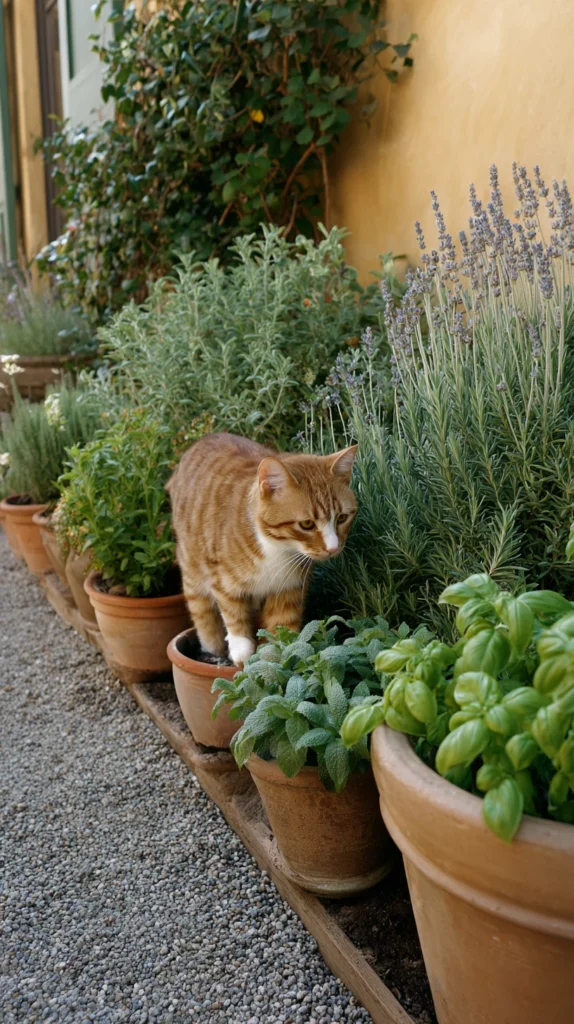
A herb garden is a wonderful addition to any outdoor space, and many herbs are not only safe for pets but genuinely beneficial for them. Lavender, rosemary, chamomile, and valerian are all pet-safe and have natural calming properties that some animals find genuinely soothing.
Plant them in a raised bed, a cluster of terracotta pots, or along a sunny border. They look beautiful, smell incredible, attract pollinators, and double up as kitchen herbs for you while being completely safe for your animals to sniff and occasionally chew.
Pro Tip: Avoid planting mint directly in the ground in a pet garden — it spreads aggressively and can quickly take over. Plant it in a contained pot instead, which controls the spread and makes it easy to move around the garden as needed throughout the season.
12. Install a Cat-Friendly Climbing Structure
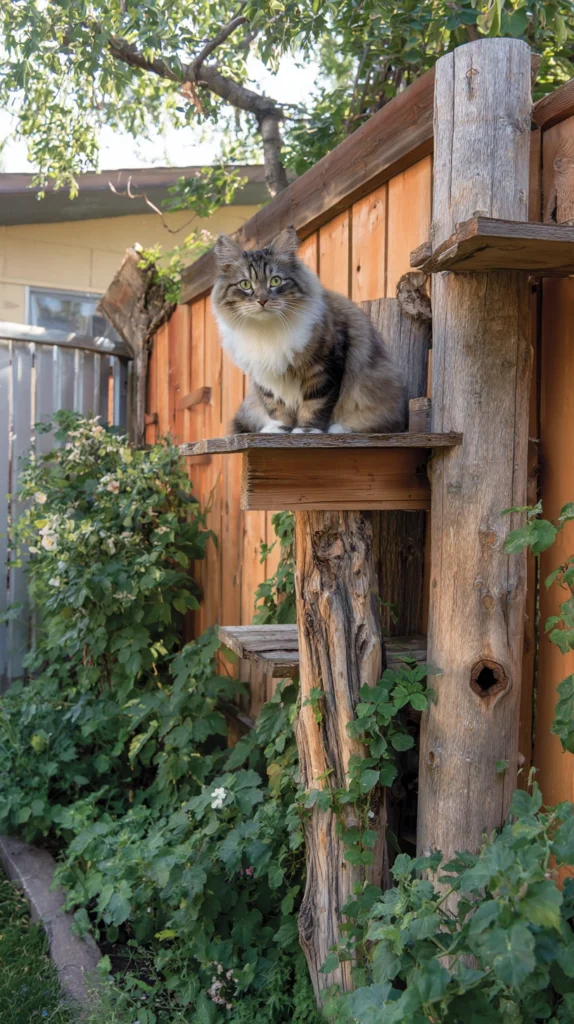
Cats love to climb, survey their territory from a height, and sharpen their claws on rough surfaces. If you have an outdoor cat, giving them their own dedicated climbing structure is one of the best things you can do for both their wellbeing and the health of your garden trees and fences.
A simple wooden cat tree, a purpose-built outdoor cat post, or even a section of rough-barked log mounted vertically gives cats everything they need to express natural climbing and scratching behaviors without damaging your garden. Position it in a sunny spot they already favor.
Pro Tip: Place the climbing structure near a window or close to the house so your cat can easily transition between indoors and outdoors. Cats tend to use structures most when they feel safe and close to their home base — an isolated structure at the far end of the garden will likely be ignored.
13. Use Garden Edging to Protect Your Borders
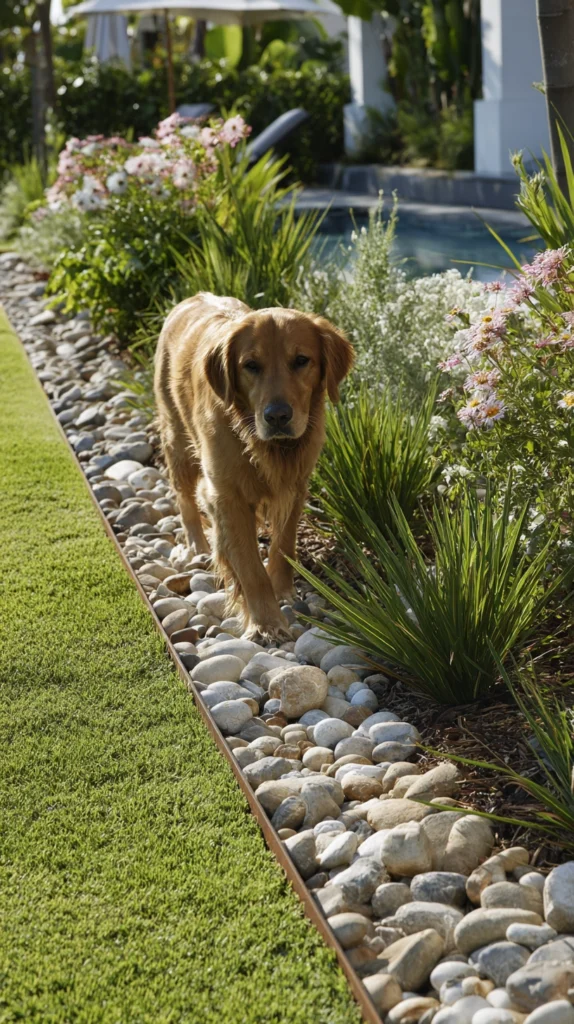
Defined garden edging is a simple, affordable, and highly effective way to protect your planted borders from pets. A clear physical edge between lawn or path and planted areas signals a boundary that most well-trained pets learn to respect relatively quickly.
Metal lawn edging, timber border boards, decorative brick edging, or even a low line of smooth river stones all create this visual and physical boundary. Combined with consistent training, edging dramatically reduces the amount of plant damage from pets roaming the garden unsupervised.
Pro Tip: For extra protection in areas with particularly precious or delicate planting, add a low decorative fence or picket edging. It does not need to be tall — even 20 to 30 centimeters of visual barrier is usually enough to discourage a dog from stepping into a planted border out of habit.
14. Add a Garden Water Feature Pets Will Love
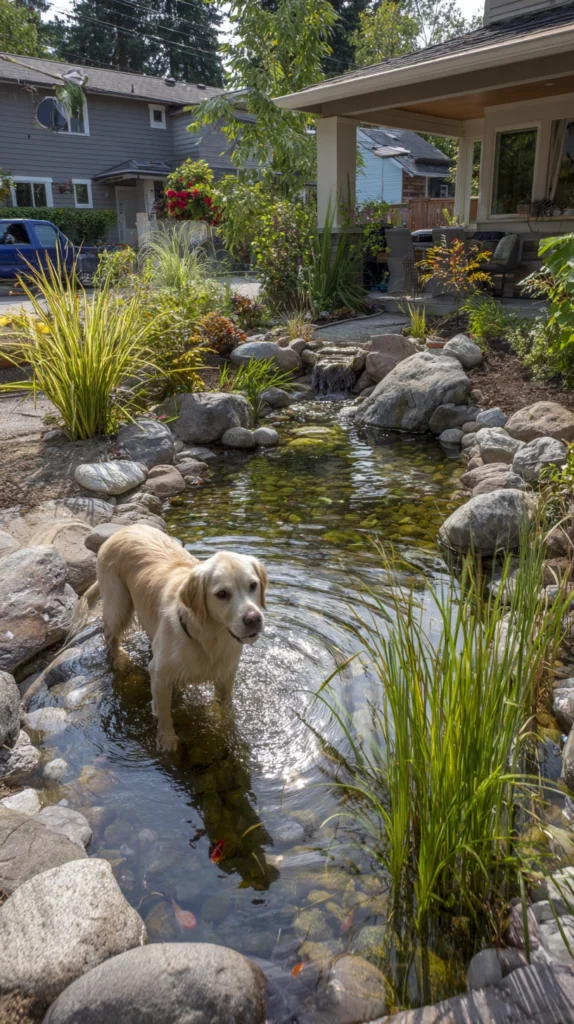
Many dogs absolutely love water, and a pet-friendly garden water feature gives them a safe, designated place to splash and cool down without turning your flower beds into a swamp. A shallow paddling pool, a low garden fountain, or a small naturalistic pond with gently sloping edges all work beautifully.
A garden water feature also adds an incredible design element to the overall space — the sound of moving water is genuinely calming for both pets and people. Choose a design that fits your garden style and make sure the depth and access points are safe for your specific animals.
Pro Tip: If you install a garden pond, make sure it has at least one gently sloping edge or a submerged step so that any animal that falls in can get out safely and easily. Steep-sided ponds are a genuine drowning risk for dogs and cats, and this one small design detail makes all the difference.
15. Light Your Garden for Safe Evening Use
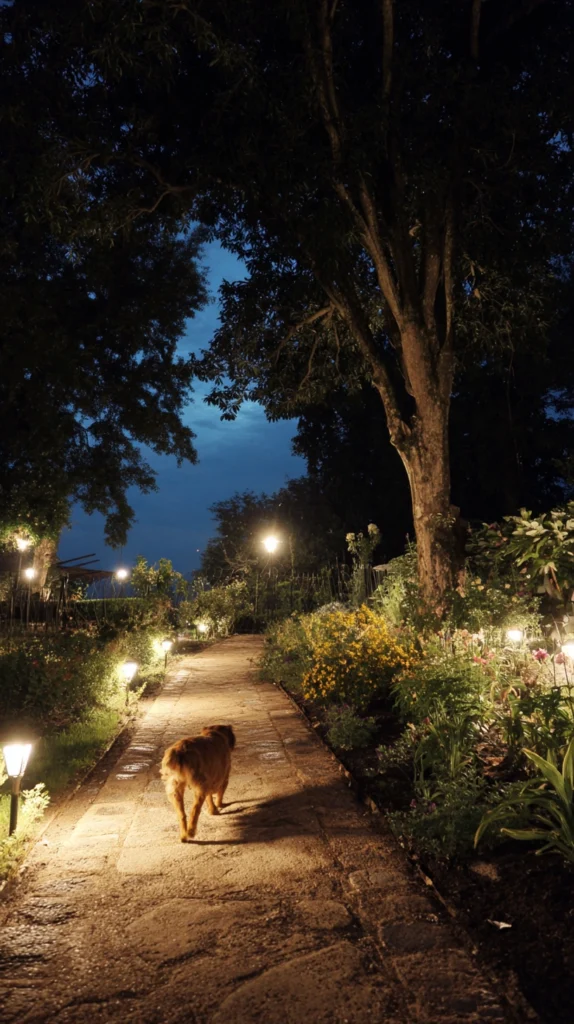
Evening garden time with pets is one of life’s genuine pleasures — but an unlit garden is a safety hazard for animals after dark. Paths become trip hazards, pond edges disappear, and boundaries become impossible to see, creating real risks for both pets and their owners.
Solar-powered path lights, low-level LED border lighting, and motion-sensor spotlights all make the garden safe and usable after dark. Good lighting also extends the time you can enjoy the garden together, and when done well, it transforms the space into something that looks genuinely beautiful at night.
Pro Tip: Position lights along path edges and near any water features or changes in level rather than just in planted borders. Functional lighting placed where it actually matters keeps both pets and people safe, and subtle warm-toned LEDs create a lovely evening atmosphere without being harsh or glaring.
Your Garden Can Be Beautiful and Pet-Friendly at the Same Time
A pet-friendly garden is not a compromise — it is simply a smarter way to design an outdoor space. When you plan with your animals in mind from the beginning, every decision becomes easier, and the end result works better for everyone who uses it.
Start with the basics — safe plants, secure boundaries, and a defined space for your pets — and build from there. Small changes make an enormous difference, and a garden that genuinely works for both you and your animals is one you will actually enjoy spending time in together every single day.