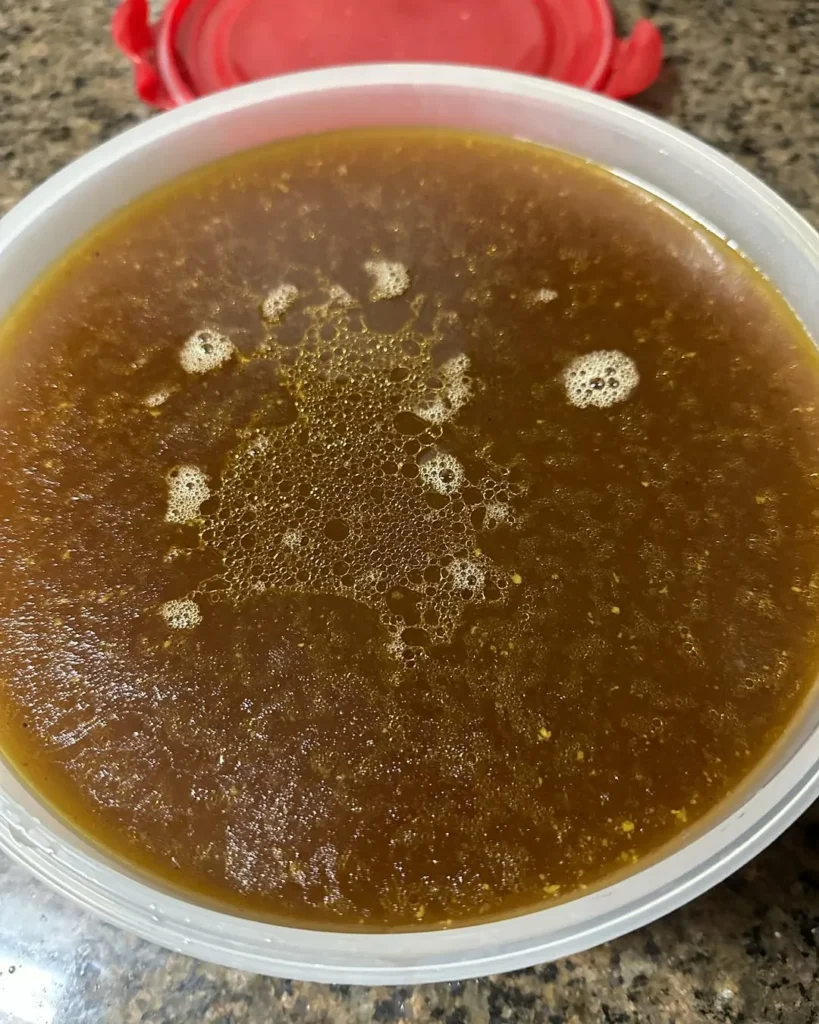
Neiman Marcus Chicken Broth Recipe: Liquid Gold for Your Kitchen
Prep Time: 15 minutes
Cook Time: 3-4 hours
Total Time: 3-4 hours 15 minutes
Servings: About 8 cups
Calories: Approximately 40 calories per cup
Neiman Marcus is famous for elevating simple dishes to extraordinary status, and their chicken broth is no exception. This isn’t just any stock—it’s a rich, flavorful foundation that transforms soups, sauces, and braises into something special.

Made with a whole chicken, aromatic vegetables, and fresh herbs, this broth is deeply savory with layers of complex flavor. Once you taste homemade broth this good, you’ll never look at store-bought the same way again.
What Makes This Broth Special?
This recipe uses a whole chicken rather than just bones, creating incredibly rich, full-bodied broth with natural gelatin that gives it a silky mouthfeel. The long, slow simmer extracts every bit of flavor.
The combination of aromatic vegetables, fresh herbs, and careful skimming creates a crystal-clear, restaurant-quality broth. It’s the kind of liquid gold that makes everything it touches taste better.
Equipment Needed
- Large stockpot (8-10 quart)
- Fine-mesh strainer or cheesecloth
- Large bowl
- Ladle
- Sharp knife and cutting board
- Measuring cups
- Large spoon for skimming
- Storage containers or jars
Ingredients You’ll Need
For the Broth:
- 1 whole chicken (3-4 pounds)
- 4 quarts (16 cups) cold water
- 2 large onions, quartered (no need to peel)
- 3 large carrots, cut into chunks
- 3 celery stalks with leaves, cut into chunks
- 1 whole head of garlic, halved crosswise
- 2 bay leaves
- 6-8 sprigs fresh parsley
- 4-5 sprigs fresh thyme
- 8-10 whole black peppercorns
- 2 teaspoons salt
- 1 tablespoon apple cider vinegar (helps extract minerals)
Optional Additions:
- 1 parsnip, cut into chunks
- 2-3 sprigs fresh dill
- 1 teaspoon whole coriander seeds
- 1 piece fresh ginger (1-inch), sliced
Step-by-Step Instructions
Prepare the Chicken: Remove any giblets from the chicken cavity and discard or save for another use. Rinse the chicken under cold water and pat dry with paper towels.
You can leave the chicken whole or cut it into quarters for slightly faster cooking and easier handling. Either method produces excellent results.
Start with Cold Water: Place the whole chicken in a large stockpot. Add the cold water—it should cover the chicken by about 2 inches. Starting with cold water helps extract more flavor.
Add the apple cider vinegar. This helps extract minerals from the bones and creates a more nutritious broth, though you won’t taste it in the final product.
Bring to a Gentle Simmer: Place the pot over medium-high heat and bring to a gentle simmer. As it heats, you’ll see foam and impurities rise to the surface.
This initial stage is crucial. Watch the pot carefully and don’t let it come to a rolling boil—a gentle simmer produces clearer, better-tasting broth.
Skim the Foam: As soon as you see foam forming on the surface, use a large spoon or ladle to skim it off. Continue skimming every few minutes for the first 15-20 minutes of simmering.
This step removes impurities and results in beautifully clear broth. Don’t skip it—the difference is noticeable in both appearance and flavor.
Add the Vegetables and Aromatics: Once most of the foam has been skimmed, add the quartered onions (with skins on for color and flavor), carrots, celery, halved garlic head, bay leaves, parsley, thyme, and peppercorns.
The vegetables don’t need to be peeled or perfectly chopped—they’ll be strained out later. Rough chunks work perfectly.
Simmer Low and Slow: Reduce the heat to low and maintain a very gentle simmer. You should see small bubbles occasionally breaking the surface, but not a rolling boil.
Partially cover the pot with the lid slightly ajar. This allows steam to escape while maintaining temperature. Simmer for 3-4 hours, checking occasionally.
Monitor the Simmer: During the cooking time, check the pot every 30-60 minutes. Skim any additional foam or fat that rises to the surface, though there will be much less than at the beginning.
Make sure the simmer stays gentle. If it starts boiling hard, reduce the heat further. Aggressive boiling makes the broth cloudy and can create off-flavors.
Check for Doneness: After 3-4 hours, the chicken should be falling off the bones, and the broth should be deeply golden and aromatic. The meat will be very tender and easy to pull apart.
Taste the broth—it should be rich and flavorful. If it seems weak, continue simmering for another 30-60 minutes.
Remove the Chicken: Carefully remove the chicken from the pot using tongs or a large slotted spoon. Place it in a large bowl or on a plate to cool.
Once cool enough to handle, remove all the meat from the bones. Save the meat for soups, salads, sandwiches, or other recipes. The bones can go back into the pot for extra simmering if desired.
Strain the Broth: Place a fine-mesh strainer over a large bowl or container. Carefully ladle the broth through the strainer, leaving behind the vegetables and aromatics.
For crystal-clear broth, line the strainer with cheesecloth. This removes even the finest particles and creates restaurant-quality clarity.
Season and Cool: Add the salt to the strained broth and stir to dissolve. Taste and adjust seasoning if needed—remember, you can always add more salt when using it later.
Let the broth cool at room temperature for about 30 minutes, then refrigerate uncovered until completely cold.
Remove Fat: Once the broth is completely chilled, a layer of fat will solidify on top. This is easy to remove by simply lifting it off with a spoon or spatula.
You can save this chicken fat (schmaltz) for cooking—it’s delicious for sautéing vegetables or making matzo balls. Or discard it if preferred.
Store or Use: Transfer the defatted broth to airtight containers or jars. The broth is now ready to use in any recipe calling for chicken stock or broth.
Label containers with the date. The broth will have a gel-like consistency when cold due to natural gelatin—this is a sign of high-quality, nutrient-rich broth.
Ingredient Substitutions
Whole Chicken: Use 3-4 pounds of chicken parts (backs, wings, legs, or a mix) if you don’t need the cooked meat.
Onion Skins: Leave skins on for deeper color. Yellow onions are traditional, but white or red work too.
Carrots and Celery: Standard mirepoix vegetables can’t really be substituted, but you can add parsnips or leeks for variation.
Fresh Herbs: Use 2 tablespoons dried herbs total if fresh ones aren’t available, but fresh provides superior flavor.
Apple Cider Vinegar: White vinegar or lemon juice works equally well for extracting minerals from bones.
Water: Never use hot water to start—cold water is essential for proper flavor extraction.
Nutritional Information (Per Cup)
- Calories: 40
- Protein: 5g
- Carbohydrates: 3g
- Fat: 1g
- Saturated Fat: 0g
- Fiber: 0g
- Sugar: 1g
- Sodium: 580mg
- Cholesterol: 10mg
Note: Nutritional values are approximate for defatted broth.
Tips for Success
Start Cold, Simmer Gently: Cold water extracts more flavor. A gentle simmer (not boiling) produces clear, clean-tasting broth. These two rules are crucial.
Don’t Skip Skimming: Those first 20 minutes of skimming make the difference between cloudy, muddy broth and beautifully clear, restaurant-quality stock.
Time is Key: The long simmer extracts collagen and gelatin from bones and connective tissue. This creates body, richness, and that silky mouthfeel.
Leave Vegetables Unpeeled: Onion skins add a beautiful golden color. Carrot and celery peels add flavor. Everything gets strained out anyway.
Taste as You Go: After 3 hours, taste the broth. If it’s not rich enough, keep simmering. Every pot is different.
Don’t Over-Salt: Season lightly at the end. You can always add salt when using the broth, but you can’t remove it.
Save the Meat: The cooked chicken is perfect for salads, soups, tacos, and casseroles. Don’t waste it!
Serving Suggestions
Classic Chicken Soup: Use as the base for homemade chicken noodle soup with vegetables, egg noodles, and the reserved chicken meat.
Risotto or Rice: Cook rice or risotto in this broth instead of water for incredibly flavorful grains.
Sauces and Gravies: Use as the liquid base for pan sauces, gravies, or reduction sauces for an instant flavor boost.
Braising Liquid: Braise chicken, pork, or vegetables in this broth for deeply flavorful, tender results.
Drinking Broth: Heat and sip from a mug with a pinch of salt and fresh herbs for a comforting, nutritious beverage.
Cooking Grains: Cook quinoa, farro, or barley in this broth instead of water for savory side dishes.
Storage and Shelf Life
Refrigerator: Store in airtight containers for up to 5 days. The broth should gel when cold—this is normal and desirable.
Freezer: Freeze in portions (ice cube trays, muffin tins, or freezer bags) for up to 6 months. Label with date and contents.
Portion Sizes: Freeze in 1-cup, 2-cup, or 4-cup portions for easy use in recipes without thawing the entire batch.
Thawing: Thaw overnight in refrigerator or heat gently from frozen in a saucepan over low heat.
Signs of Spoilage: Discard if broth develops off smell, mold, or unusual color. When in doubt, throw it out.
Variations to Try
Asian-Inspired: Add fresh ginger, star anise, and scallions. Omit bay leaves and use cilantro instead of parsley.
Herb Garden: Double the fresh herbs and add rosemary, sage, or tarragon for more herbaceous flavor.
Bone Broth Version: After removing chicken meat, return bones to the pot and simmer another 12-24 hours for nutrient-dense bone broth.
Turkey Broth: Use a turkey carcass instead of a chicken after Thanksgiving for equally delicious results.
Vegetable-Heavy: Add mushrooms, leeks, fennel, or tomatoes for different flavor profiles.
Roasted Chicken Broth: Roast the chicken and vegetables at 400°F for 45 minutes before simmering for a deeper, richer flavor.
Pressure Cooker: Make in Instant Pot in 90 minutes instead of 3-4 hours (though flavor won’t be quite as developed).
Common Mistakes to Avoid
Boiling Instead of Simmering: A rolling boil makes broth cloudy, harsh-tasting, and can emulsify fat into the liquid. Keep it at a gentle simmer.
Starting with Hot Water: Cold water extracts more flavor from the chicken and bones. Always start cold.
Not Skimming Foam: Skipping this step results in cloudy, slightly bitter broth. Take the time to skim thoroughly at the beginning.
Over-Salting: Salt at the end, and lightly. You can always add more when using the broth in recipes.
Cooking Too Fast: Rushing the process with high heat won’t extract as much flavor or gelatin. Slow and low wins.
Discarding the Meat: The cooked chicken is perfect for dozens of recipes. Don’t throw it away!
Not Straining Properly: Fine-mesh straining (or cheesecloth) is essential for clear broth. Large-hole strainers leave particles behind.
Frequently Asked Questions
What’s the difference between broth and stock?
Broth is made with meat and bones, while stock is made primarily with bones. Broth tends to be lighter and more flavorful for sipping, while stock is richer and more gelatinous.
Why does my broth gel when cold?
This is excellent! The gel comes from collagen in bones and connective tissue that turns into gelatin during cooking. It’s a sign of nutrient-rich, high-quality broth.
Can I use a rotisserie chicken?
Yes! Use the carcass from a rotisserie chicken. The broth won’t be quite as rich, but it’s a great way to use leftovers and still produces good results.
How do I make my broth more flavorful?
Simmer longer (up to 6 hours), add more vegetables, or reduce the strained broth by simmering it uncovered to concentrate flavors.
Should I keep the lid on or off?
Partially covered is best. This maintains temperature while allowing some evaporation to concentrate flavors. Never cover completely during the long simmer.
Can I reuse the vegetables?
No, they’ve given up all their flavor to the broth. Discard them after straining—they’ll be mushy and tasteless.
Why is my broth cloudy?
Usually from boiling too hard rather than simmering, or not skimming foam properly. It’s still safe to use, but it won’t have that crystal-clear appearance.
Can I make this in a slow cooker?
Yes! Use the same ingredients and proportions. Cook on low for 8-10 hours or high for 4-6 hours. The broth won’t be quite as clear but will be delicious.
How much salt should I add?
Start with 2 teaspoons for the full batch, then taste. You can always add more when using it in recipes. Under-season rather than over-season.
What should I do with the chicken fat?
Save it! Chicken fat (schmaltz) is excellent for sautéing vegetables, making matzo balls, or adding to dishes for rich flavor. Freeze in small portions.
Building Blocks of Flavor
Neiman Marcus Chicken Broth represents the foundation of great cooking—a simple preparation that transforms basic ingredients into something extraordinary through patience and technique. This rich, flavorful broth elevates every dish it touches, from simple weeknight soups to elegant dinner party sauces.
Making your own broth connects you to centuries of culinary tradition while filling your kitchen with the most comforting aroma imaginable. The time investment is minimal, the results are spectacular, and you’ll have the satisfaction of knowing exactly what’s in your broth. Make a big batch, freeze it in portions, and you’ll always have liquid gold ready to transform your cooking!

Neiman Marcus Chicken Broth
Ingredients
- Broth:
- 1 whole chicken 3-4 pounds
- 4 quarts 16 cups cold water
- 2 large onions quartered (unpeeled)
- 3 large carrots cut into chunks
- 3 celery stalks with leaves cut into chunks
- 1 whole head garlic halved crosswise
- 2 bay leaves
- 6-8 sprigs fresh parsley
- 4-5 sprigs fresh thyme
- 8-10 whole black peppercorns
- 2 teaspoons salt
- 1 tablespoon apple cider vinegar
- Optional:
- 1 parsnip chunked
- 2-3 sprigs fresh dill
- 1- inch piece fresh ginger sliced
Instructions
- Prepare chicken: Remove giblets from cavity. Rinse chicken under cold water and pat dry. Can leave whole or quarter.
- Start with cold water: Place chicken in large stockpot. Add cold water to cover by 2 inches. Add apple cider vinegar.
- Bring to simmer: Heat over medium-high until gentle simmer begins. Watch carefully—don’t let it boil hard.
- Skim foam: As foam rises to surface, skim off with large spoon or ladle. Continue skimming every few minutes for first 15-20 minutes.
- Add vegetables: Once foam is mostly skimmed, add onions, carrots, celery, garlic, bay leaves, parsley, thyme, and peppercorns.
- Simmer low and slow: Reduce heat to low. Maintain very gentle simmer with occasional small bubbles. Partially cover pot with lid ajar.
- Cook: Simmer 3-4 hours, checking occasionally. Skim any additional foam or fat. Keep simmer gentle—don’t let it boil.
- Check doneness: After 3-4 hours, chicken should be falling off bones and broth deeply golden and aromatic.
- Remove chicken: Carefully remove chicken with tongs. Place in bowl to cool. Once cool, remove meat from bones and save for other uses.
- Strain broth: Place fine-mesh strainer (lined with cheesecloth for crystal-clear broth) over large bowl. Ladle broth through strainer.
- Season: Add salt to strained broth and stir. Taste and adjust seasoning lightly—can add more when using in recipes.
- Cool: Let cool at room temperature 30 minutes, then refrigerate uncovered until completely cold.
- Remove fat: Once chilled, lift solidified fat layer off top with spoon. Save fat for cooking or discard.
- Store: Transfer defatted broth to airtight containers. Label with date. Broth will gel when cold—this is normal and desirable.
Notes
- Start Cold, Simmer Gently: Cold water extracts more flavor—gentle simmer (not boiling) produces clear broth
- Skim Thoroughly: First 20 minutes of skimming creates beautifully clear, restaurant-quality broth
- Time Extracts Flavor: 3-4 hour simmer extracts collagen and gelatin for a rich, silky mouthfeel
- Leave Vegetables Unpeeled: Onion skins add golden color—everything gets strained out anyway
- Don’t Over-Salt: Season lightly at the end—can always add more when using broth in recipes
- Save the Chicken: Cooked meat is perfect for soups, salads, tacos, and sandwiches—don’t waste it
- Gel is Good: Cold broth that gels is a sign of high-quality, nutrient-rich broth from natural gelatin
- Fine Straining: Use cheesecloth for crystal-clear broth—removes finest particles
- Storage: Refrigerate up to 5 days or freeze in portions up to 6 months
- Freeze in Portions: Use ice cube trays or muffin tins for small portions—1, 2, or 4-cup containers for larger amounts
- Pressure Cooker Option: Make in Instant Pot in 90 minutes instead of 3-4 hours
- Bone Broth Version: Return bones to pot after removing meat—simmer another 12-24 hours for bone broth