
The Ultimate Korean Turkey Bowl Recipe: A Fusion Feast for Your Table
Prep Time: 15 minutes
Cook Time: 15 minutes
Total Time: 30 minutes
Servings: 4 bowls
Calories: Approximately 520 calories per serving
When East meets West in the kitchen, magic happens. The Korean Turkey Bowl is a perfect example of this culinary fusion—combining the comfort of well-seasoned turkey with the bold, vibrant flavors of Korean cuisine. Whether you’re looking to transform Thanksgiving leftovers or create a weeknight dinner sensation, this recipe delivers satisfying textures, balanced flavors, and a meal that comes together in just 30 minutes.
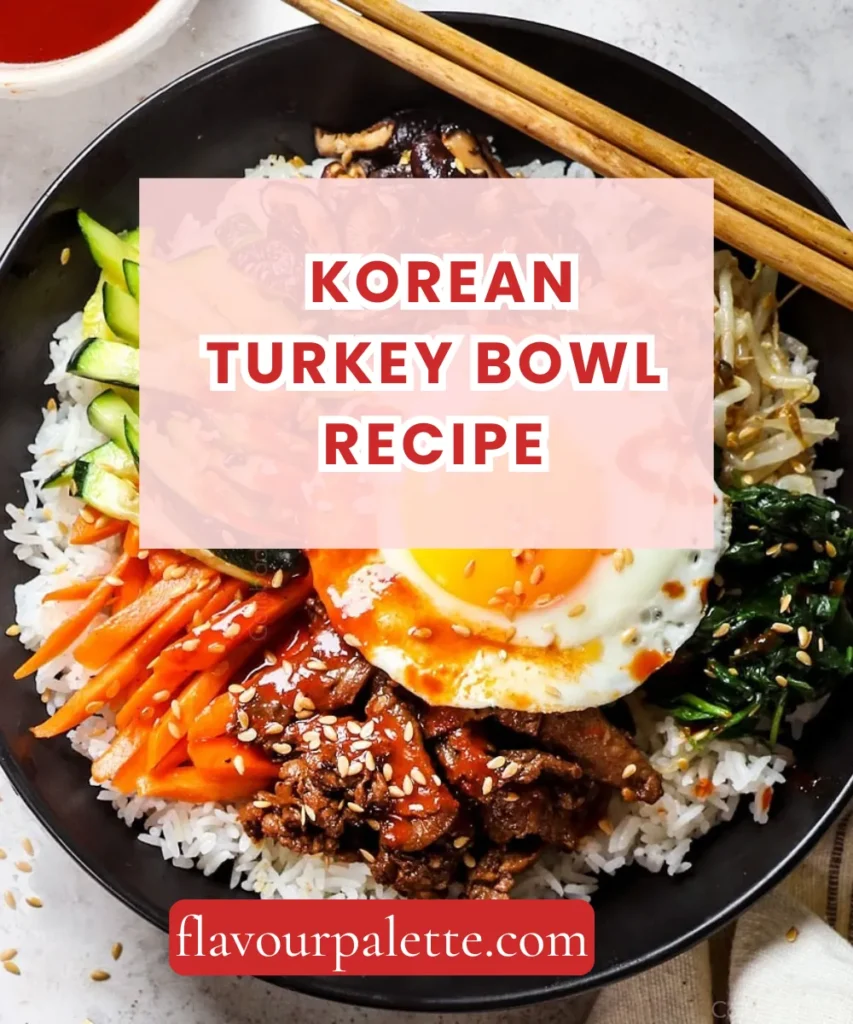
What Makes the Korean Turkey Bowl Special?
This dish takes inspiration from Korean bibimbap and bulgogi, incorporating gochujang (Korean red pepper paste), soy sauce, sesame oil, and fresh vegetables into a complete bowl meal. The result is a harmonious blend of sweet, spicy, savory, and umami flavors that’ll have everyone reaching for seconds.
Equipment Needed
- Large skillet or wok
- Medium saucepan (for rice)
- Small frying pan (for eggs)
- Cutting board and sharp knife
- Mixing bowls
- Whisk
- Measuring spoons and cups
- Wooden spoon or spatula
Ingredients You’ll Need
For the Turkey:
- 1 pound ground turkey (or 3 cups chopped cooked turkey)
- 3 tablespoons soy sauce
- 2 tablespoons gochujang (adjust to taste)
- 1 tablespoon sesame oil
- 2 cloves garlic, minced
- 1 tablespoon fresh ginger, grated
- 2 teaspoons brown sugar or honey
- 2 green onions, sliced
For the Bowl:
- 4 cups cooked short-grain white or brown rice
- 2 cups fresh spinach or baby kale
- 1 large carrot, julienned
- 1 cucumber, thinly sliced
- 1 cup kimchi (store-bought or homemade)
- 4 eggs (for topping)
- Sesame seeds for garnish
- Extra sliced green onions
- Gochugaru (Korean red pepper flakes), optional
For the Quick Sauce:
- 2 tablespoons gochujang
- 1 tablespoon soy sauce
- 1 tablespoon rice vinegar
- 1 teaspoon sesame oil
- 1 teaspoon honey
Step-by-Step Instructions
Prepare Your Ingredients: Start by gathering and prepping all your vegetables. This makes assembly quick and ensures everything comes together hot and fresh. If you’re using leftover turkey, shred or chop it into bite-sized pieces.
Cook the Turkey: Heat a large skillet over medium-high heat. If using ground turkey, add it to the pan and break it up with a wooden spoon. Cook until browned and nearly cooked through, about 5-7 minutes. If using cooked turkey, you’ll just be reheating it with the seasonings.
Add the minced garlic and grated ginger, cooking for another minute until fragrant. Stir in the soy sauce, gochujang, sesame oil, and brown sugar. Mix well and cook for 2-3 minutes until the sauce thickens slightly and coats the turkey. Toss in the sliced green onions just before removing from the heat.
Prepare the Vegetables: While the turkey cooks, quickly sauté or blanch your spinach until just wilted. You can also use it raw if you prefer. For a traditional touch, lightly sauté the carrots with a pinch of salt, or leave them fresh for extra crunch.
Fry the Eggs: In a separate pan, fry the eggs sunny-side up or over-easy. The runny yolk acts as a natural sauce that enriches the entire bowl when mixed in.
Make the Sauce: Whisk together all sauce ingredients in a small bowl. Adjust the heat level by adding more or less gochujang according to your preference.
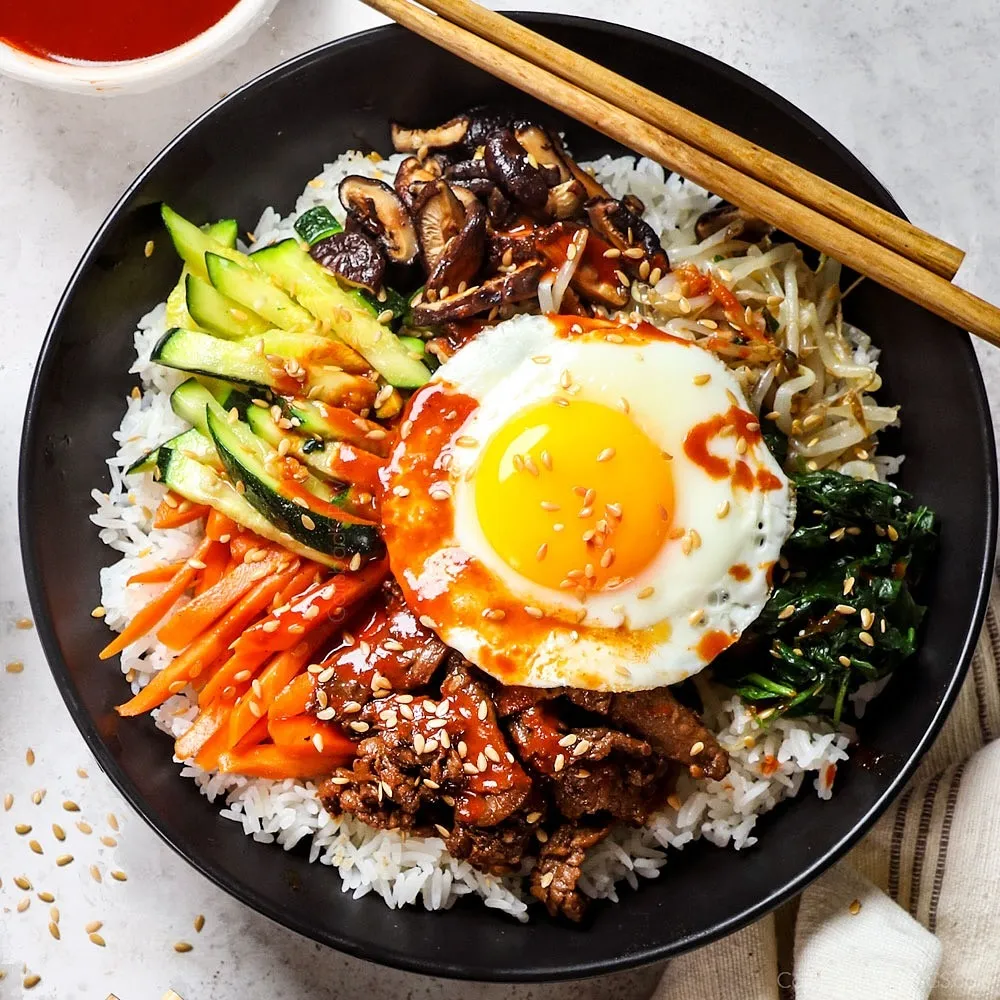
Assemble Your Bowls: Divide the rice among four bowls. Arrange the seasoned turkey, spinach, carrots, cucumber, and kimchi in separate sections on top of the rice, creating a colorful presentation. Place a fried egg in the center of each bowl.
Garnish and Serve: Sprinkle with sesame seeds, extra green onions, and a pinch of gochugaru if you like extra heat. Serve with the additional gochujang sauce on the side. Encourage everyone to mix everything before eating to distribute the flavors evenly.
Ingredient Substitutions
Gochujang: If you can’t find gochujang, substitute it with sriracha mixed with a bit of miso paste and honey, though the flavor will be different.
Ground Turkey: Use ground chicken, ground pork, ground beef, or crumbled tofu for a vegetarian option.
Sesame Oil: Substitute with vegetable oil plus a sprinkle of toasted sesame seeds, though you’ll lose some authentic flavor.
Rice Vinegar: Apple cider vinegar or white wine vinegar works in a pinch.
Short-Grain Rice: Jasmine rice, brown rice, or cauliflower rice for a low-carb option.
Kimchi: Sauerkraut or pickled vegetables can provide tang, though they won’t replicate the unique kimchi flavor.
Fresh Ginger: Use 1 teaspoon ground ginger, though fresh is preferred.
Spinach: Kale, bok choy, Swiss chard, or any leafy green.
Nutritional Information (Per Serving)
- Calories: 520
- Protein: 32g
- Carbohydrates: 58g
- Fat: 16g
- Fiber: 4g
- Sugar: 8g
- Sodium: 980mg
Note: Nutritional values are approximate and will vary based on specific ingredients and portions used.
Tips for Success
Turkey Options: Ground turkey works beautifully, but this recipe is also perfect for leftover roasted turkey, turkey thighs, or even rotisserie chicken in a pinch.
Rice Matters: Short-grain rice provides the best texture and authenticity, but jasmine or brown rice works well, too. Cook your rice with slightly less water than usual for a firmer texture that won’t get mushy when mixed.
Customize Your Vegetables: Feel free to add bean sprouts, zucchini, shiitake mushrooms, or radishes. Traditional bibimbap often includes a variety of seasoned vegetables called namul.
Control the Heat: Gochujang varies in spiciness between brands. Start with less and add more to taste. You can also serve extra sauce on the side for those who want more kick.
Make It Ahead: Prep all vegetables and cook the turkey up to two days in advance. Store separately and reheat the turkey before assembling bowls.
Variations to Try
Spicy Turkey Bowl: Double the gochujang and add sriracha or Korean chili oil for serious heat lovers.
Vegetarian Version: Replace turkey with seasoned tofu, tempeh, or extra mushrooms and vegetables.
Low-Carb Option: Swap rice for cauliflower rice or serve over mixed greens for a lighter meal.
Meal Prep Friendly: Pack components separately in containers. Store sauce separately and add just before eating.
Storage and Reheating
Refrigerator: Store components separately in airtight containers for up to 4 days. Keep the sauce in a small jar or container.
Freezer: The cooked turkey can be frozen for up to 3 months. Rice freezes well for up to 2 months. Do not freeze the vegetables or eggs.
Reheating: Microwave the turkey and rice together for 2-3 minutes, or reheat in a skillet over medium heat. Add fresh vegetables and a freshly fried egg when serving.
Why This Recipe Works
The Korean Turkey Bowl succeeds because it balances multiple elements: the protein-rich turkey provides substance, the rice offers comfort, fresh vegetables add crunch and nutrition, and the fermented kimchi brings gut-healthy probiotics and complex flavor. The gochujang ties everything together with its unique combination of sweet, savory, and spicy notes.
The interactive nature of the dish—mixing everything at the table—makes it fun and engaging, perfect for family dinners or casual entertaining.
Frequently Asked Questions
Can I use leftover Thanksgiving turkey for this recipe?
Absolutely! This recipe is perfect for leftover turkey. Simply chop or shred your cooked turkey and toss it with the sauce ingredients in a hot pan for 3-4 minutes until warmed through and coated.
How spicy is gochujang?
Gochujang has a moderate heat level, less intense than sriracha. It brings more complexity with sweet and savory notes alongside the spice. Start with the recommended amount and adjust to your preference.
What can I use instead of kimchi?
While kimchi adds authentic Korean flavor, you can substitute it with sauerkraut, pickled cucumbers, or quick-pickled vegetables. The fermented element adds important tanginess to balance the dish.
Is this recipe gluten-free?
Not as written, since soy sauce contains gluten. However, you can easily make it gluten-free by using tamari or coconut aminos instead of soy sauce, and checking that your gochujang is gluten-free (many brands are).
Can I make this dish vegan?
Yes! Replace the turkey with crumbled firm tofu, tempeh, or mushrooms, and omit the egg or use a vegan egg alternative. The rest of the ingredients are plant-based.
Do I have to use short-grain rice?
No, though short-grain rice is traditional and provides the best texture. Long-grain rice, brown rice, quinoa, or even cauliflower rice all work well, depending on your preferences.
How do I know when my turkey is fully cooked?
Ground turkey should reach an internal temperature of 165°F (74°C). It should be no longer pink, and the juices should run clear.
Can I prep this meal in advance?
Yes! Cook the turkey and rice ahead of time, prep your vegetables, and store everything separately in the refrigerator. Assemble and add the egg just before serving for the best results.
What’s the best way to eat a Korean turkey bowl?
Mix everything thoroughly before eating! The egg yolk, sauce, and all the components should be combined to create the signature bibimbap experience.
Where can I buy gochujang?
Gochujang is available in most grocery stores in the international or Asian foods aisle, at Asian markets, or online. Popular brands include Gochujang and Mother-In-Law’s.
Conclusion
The Korean Turkey Bowl represents modern home cooking at its best: globally inspired, flexible, nutritious, and absolutely delicious. It’s proof that fusion cuisine doesn’t have to be complicated or precious. With pantry-friendly ingredients and simple techniques, you can bring restaurant-quality Korean flavors to your dinner table any night of the week.
This recipe offers the perfect balance of protein, vegetables, and whole grains, making it both satisfying and nutritious. The customizable nature means you can adjust spice levels, swap proteins, and use whatever vegetables you have on hand. Whether you’re meal prepping for the week, using up holiday leftovers, or simply craving bold flavors, this Korean Turkey Bowl delivers every time.
Give this recipe a try, and don’t be surprised when it becomes a regular rotation in your meal planning. The combination of familiar comfort and exciting new flavors makes it a winner for both adventurous eaters and those just beginning to explore Korean cuisine. Your family will love the vibrant presentation, interactive eating experience, and most importantly, the incredible taste that comes from this beautiful fusion of culinary traditions.
Korean Turkey Bowl
Ingredients
- Turkey
- 1 lb ground turkey or 3 cups chopped cooked turkey
- 3 tbsp soy sauce
- 2 tbsp gochujang
- 1 tbsp sesame oil
- 2 cloves garlic minced
- 1 tbsp fresh ginger grated
- 2 tsp brown sugar or honey
- 2 green onions sliced
- Bowls
- 4 cups cooked short-grain rice
- 2 cups spinach or baby kale
- 1 large carrot julienned
- 1 cucumber thinly sliced
- 1 cup kimchi
- 4 eggs
- Sesame seeds for garnish
- Extra green onions for garnish
- Quick Sauce
- 2 tbsp gochujang
- 1 tbsp soy sauce
- 1 tbsp rice vinegar
- 1 tsp sesame oil
- 1 tsp honey
Instructions
- Cook rice if not already prepared.
- In a skillet over medium-high heat, cook ground turkey until browned (or reheat cooked turkey).
- Add garlic, ginger, soy sauce, gochujang, sesame oil, and sugar. Cook 2–3 minutes until coated and slightly thickened. Stir in green onions.
- Lightly sauté or wilt spinach; keep carrots and cucumber fresh for crunch.
- Fry eggs sunny-side up or over-easy.
- Whisk together all quick sauce ingredients in a small bowl.
- Divide rice into bowls. Arrange turkey, vegetables, and kimchi on top.
- Add a fried egg to each bowl.
- Garnish with sesame seeds and green onions. Serve with sauce on the side.