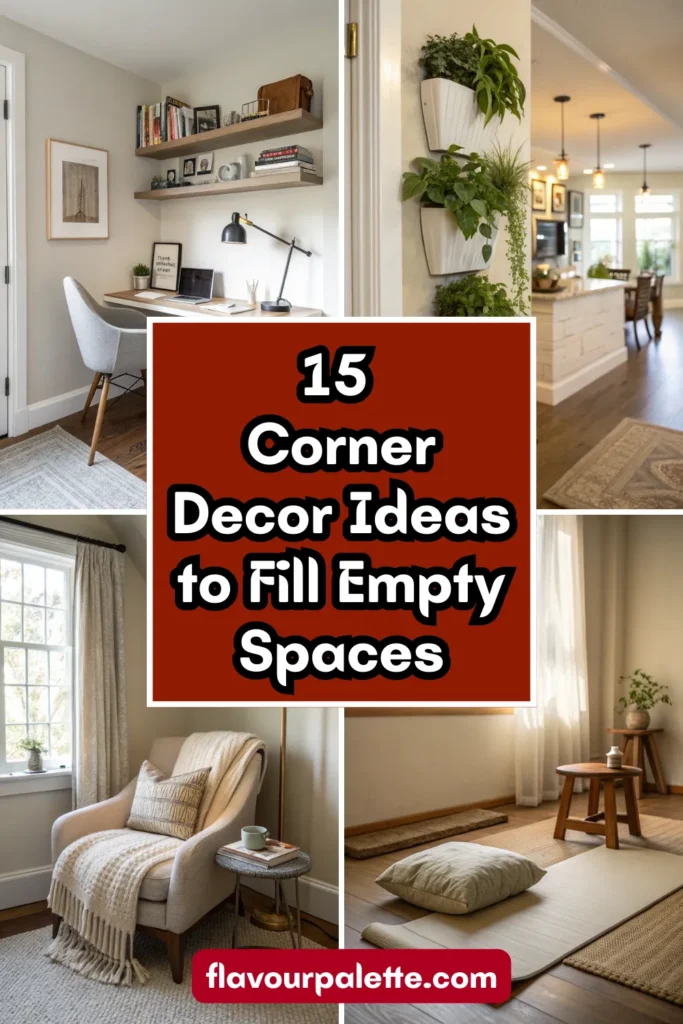
15 Corner Decor Ideas to Fill Empty Spaces
Corners often become the forgotten spaces in our homes—awkward angles where walls meet and furniture doesn’t quite fit, leaving dead zones that collect dust and diminish a room’s overall cohesion.
Yet these overlooked areas present incredible opportunities for creative design solutions that add functionality, visual interest, and personality to every room in your home.
Whether you’re dealing with a tight corner in a small apartment or a sprawling angle in a spacious living room, the right approach can transform these neglected spaces into purposeful, attractive features that enhance your interior design rather than exposing gaps in your decorating plan.
These corner decor ideas prove that no space is too small or awkward to become a valued part of your home’s aesthetic.
1. Create a Cozy Reading Nook
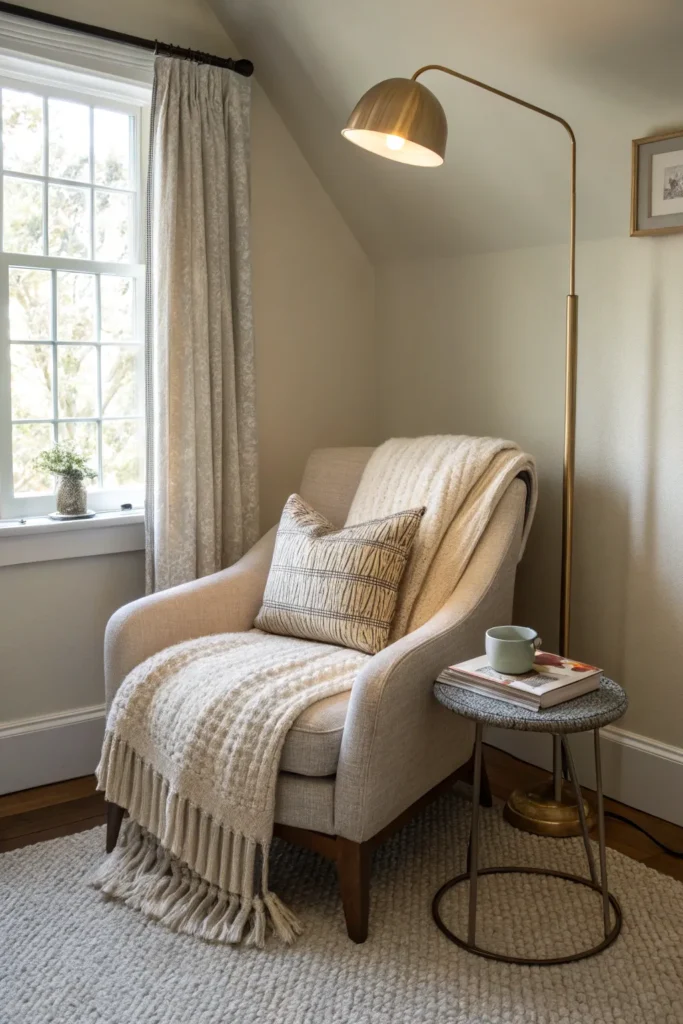
Transform an empty corner into an inviting retreat by positioning a comfortable chair or small loveseat at an angle with a side table and good lighting for reading. Add a floor lamp with adjustable brightness, a plush throw blanket, and a small bookshelf within arm’s reach to create a dedicated space for losing yourself in literature.
Layer in personal touches like framed artwork on adjacent walls, a small plant, or a decorative basket for storing current reads, making this corner so appealing you’ll find yourself gravitating toward it whenever you have a spare moment.
2. Install Corner Shelving Units

Maximize vertical space with corner shelving that takes advantage of both walls while maintaining an open, airy feel that solid furniture cannot achieve. Floating shelves in staggered heights create dynamic display opportunities for books, plants, photographs, and decorative objects without overwhelming the corner with visual bulk.
Choose shelves in materials that complement your existing decor—rustic wood for farmhouse styles, sleek white lacquer for modern spaces, or glass for contemporary minimalism—and style them with a curated mix of functional and purely aesthetic items.
3. Position a Statement Plant
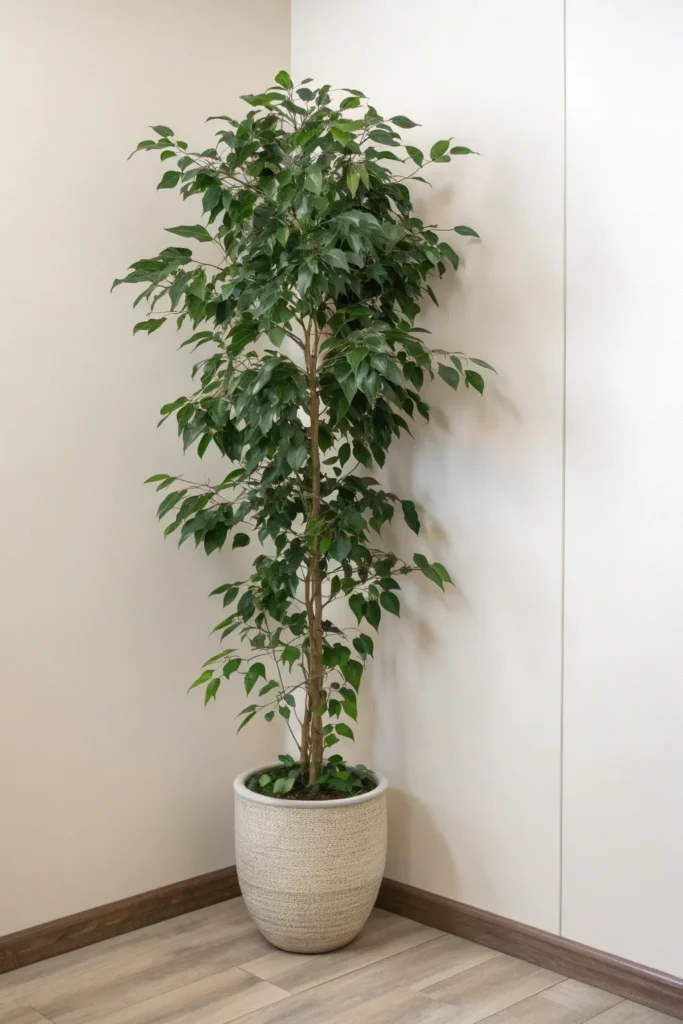
Fill empty corners with large floor plants that add life, color, and organic texture while softening the hard angles where walls intersect. Tall specimens like fiddle-leaf figs, bird of paradise, rubber plants, or dracaena work beautifully in corners where their height draws the eye upward, and their foliage fills the space without requiring extensive floor area.
Place the plant in a decorative pot that coordinates with your color scheme, and consider adding a plant stand to elevate smaller specimens or create varied heights when grouping multiple plants together.
4. Design a Corner Gallery Wall
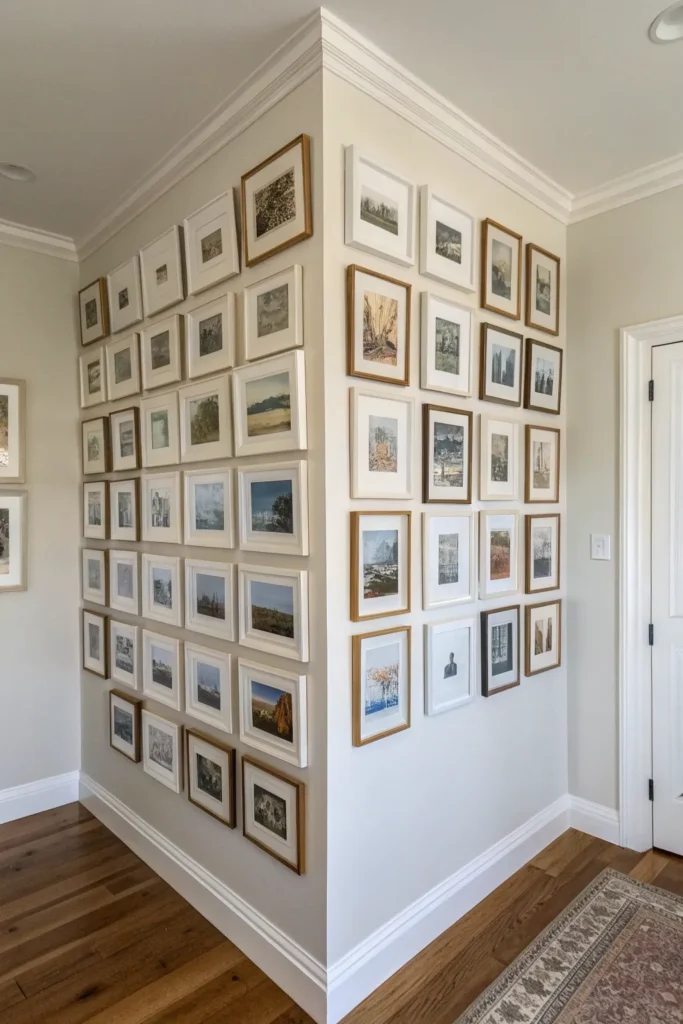
Turn an awkward corner into an artistic focal point by extending a gallery wall across both adjacent walls, wrapping the artwork around the angle in a cohesive arrangement. This approach works particularly well with smaller frames that can easily navigate the corner transition, or with a collection of plates, mirrors, or three-dimensional objects that create depth and shadow.
Plan your layout carefully to ensure the corner itself becomes an intentional part of the design rather than an interruption, perhaps positioning a significant piece directly in the angle to anchor the entire display.
5. Add a Corner Ladder Shelf
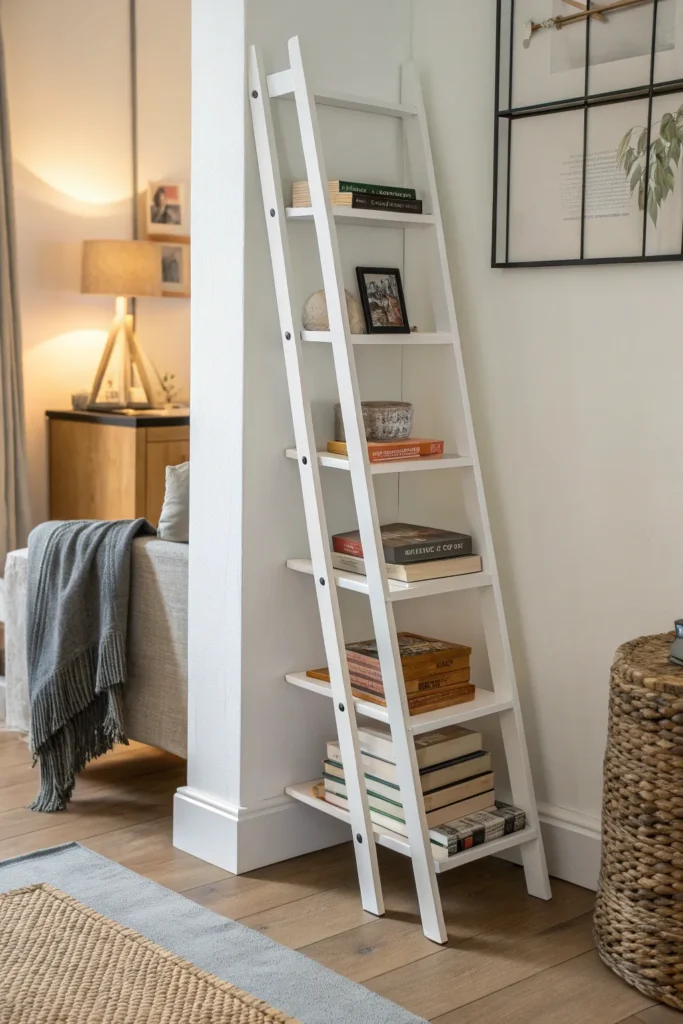
Leaning ladder shelves offer casual, accessible storage and display opportunities that fit naturally into corners while maintaining a light, open aesthetic. These freestanding units require no wall mounting and can be easily moved or reconfigured as your needs change, making them ideal for renters or anyone who likes refreshing their space regularly.
Style the shelves with a mix of books, small plants, baskets for concealed storage, and decorative objects, keeping heavier items on lower rungs for stability while lighter, more decorative pieces occupy upper shelves.
6. Create a Bar Cart Station
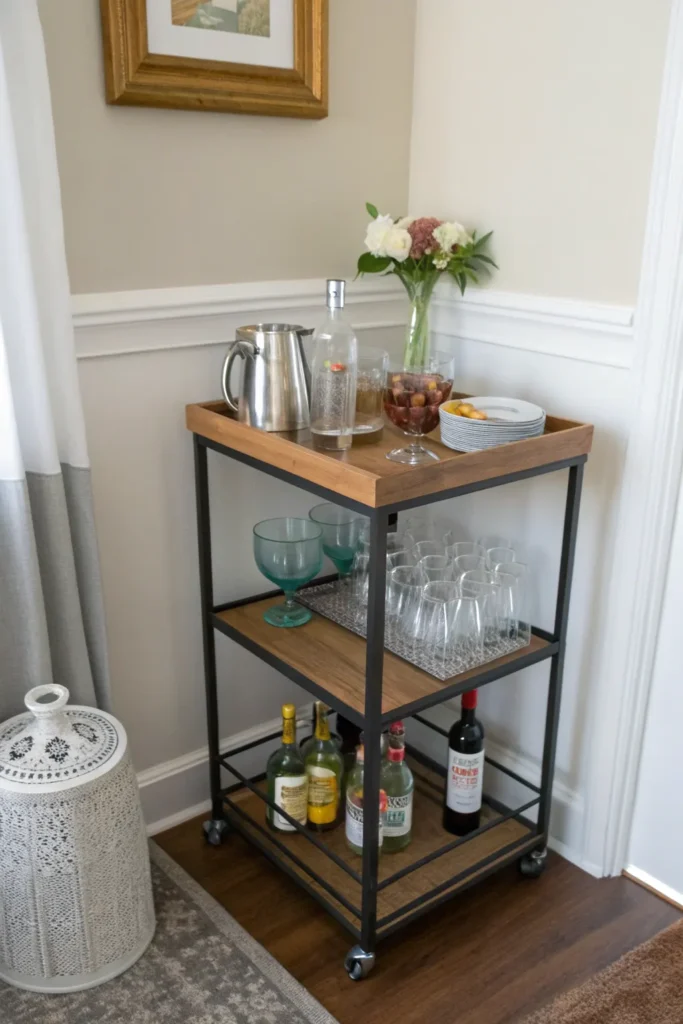
Designate an empty corner as your home bar by positioning a stylish bar cart filled with glassware, spirits, mixers, and cocktail tools for entertaining. This functional approach transforms unused space into a practical amenity while adding sophistication and adult appeal to living rooms or dining areas.
Choose a cart with wheels for flexibility, style it with decorative elements like fresh flowers or art books on the lower shelf, and place nearby lighting to make the corner inviting and functional during evening gatherings.
7. Install a Corner Desk or Workspace
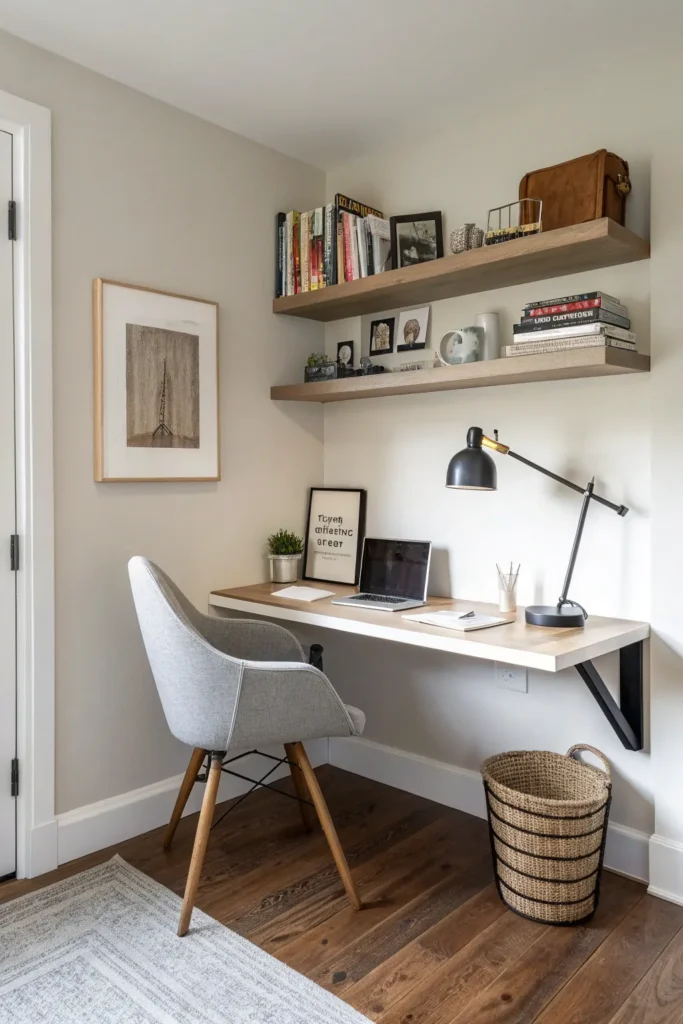
Convert a forgotten corner into a productive home office by fitting it with a corner desk that maximizes work surface while minimizing floor space consumption. This approach works particularly well in bedrooms, living rooms, or any multi-purpose space where a dedicated office isn’t available but work-from-home needs demand functional workspace.
Add a comfortable desk chair, task lighting, and wall-mounted organizers or shelving above the desk to keep supplies accessible without cluttering your work surface.
8. Position a Tall Floor Mirror
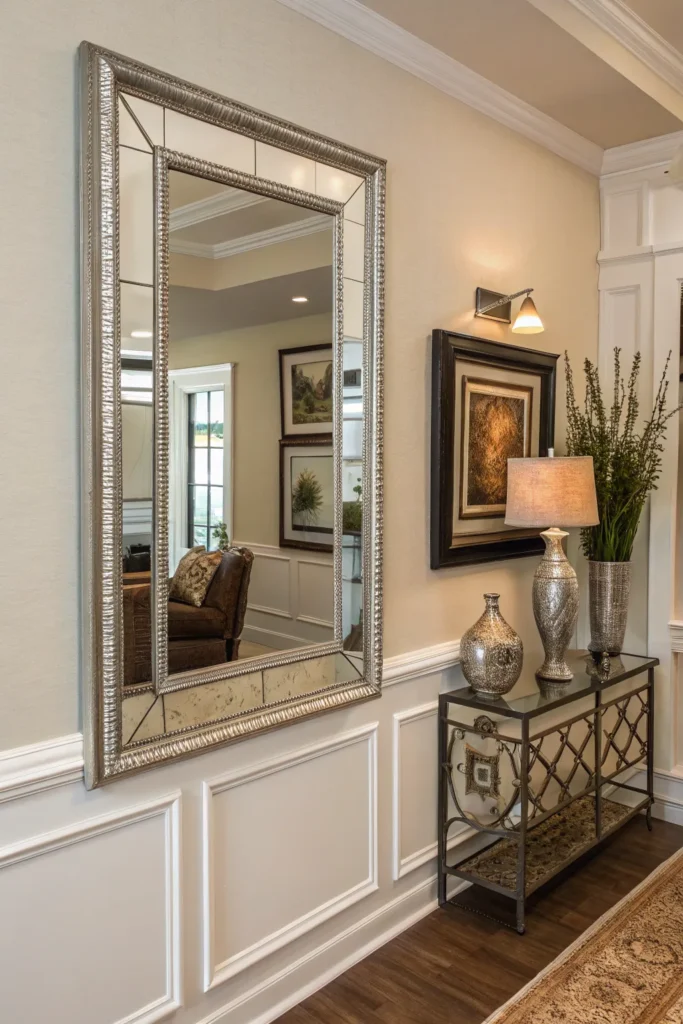
Create the illusion of expanded space and increased light by leaning or mounting a full-length mirror in an empty corner where it reflects natural light throughout the room. Oversized mirrors make rooms feel larger and brighter while filling vertical space with purposeful design that’s both functional and decorative.
Choose an ornate vintage frame for traditional or eclectic spaces, a simple modern frame for contemporary rooms, or a frameless design for minimalist aesthetics, and position the mirror to reflect your room’s best features or most attractive views.
9. Design a Pet Corner

Create a dedicated space for your furry friends by outfitting an empty corner with their bed, toys, and feeding station in an organized, attractive arrangement. Use a decorative basket or bin to corral toys, choose a pet bed in colors and fabrics that coordinate with your decor, and consider adding a small shelf or wall hooks above for leashes, grooming supplies, and treats.
This thoughtful approach keeps pet necessities organized and accessible while making them feel like intentional parts of your home’s design rather than eyesores you wish you could hide.
10. Add a Corner Fireplace or Heater
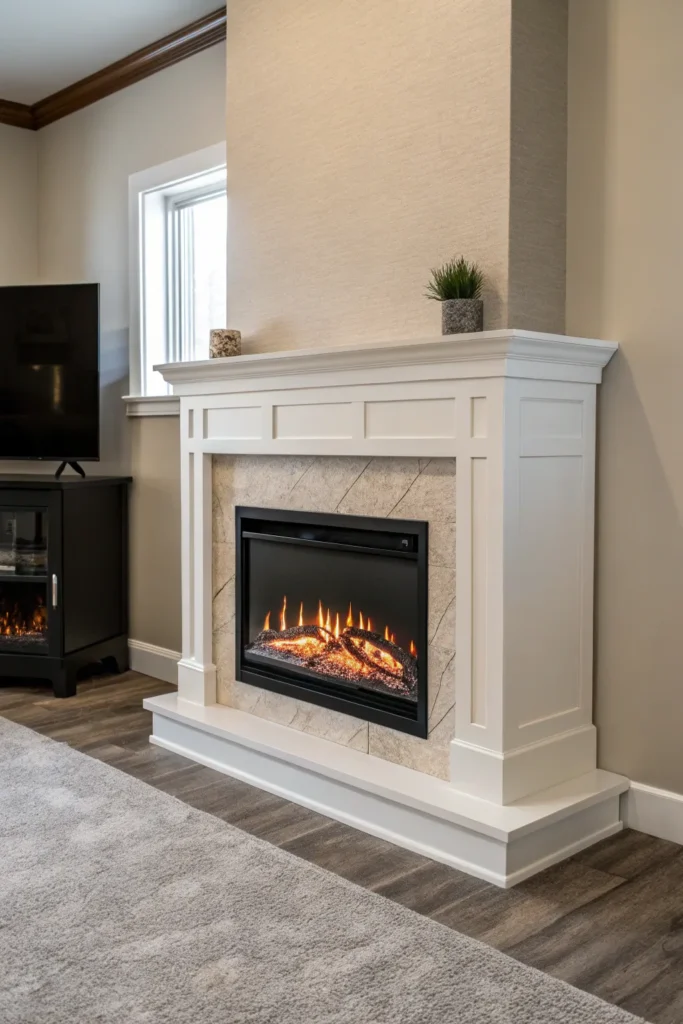
Install an electric corner fireplace or decorative heater that provides both warmth and ambiance while making efficient use of otherwise wasted space. Modern electric fireplaces come in sleek designs that suit contemporary interiors, traditional mantels perfect for classic homes, or minimalist wall-mounted units that virtually disappear when not in use.
The corner placement creates a natural gathering point that draws people into the space, while the flickering flames add movement and coziness that static decor cannot replicate.
11. Create a Vertical Garden Wall
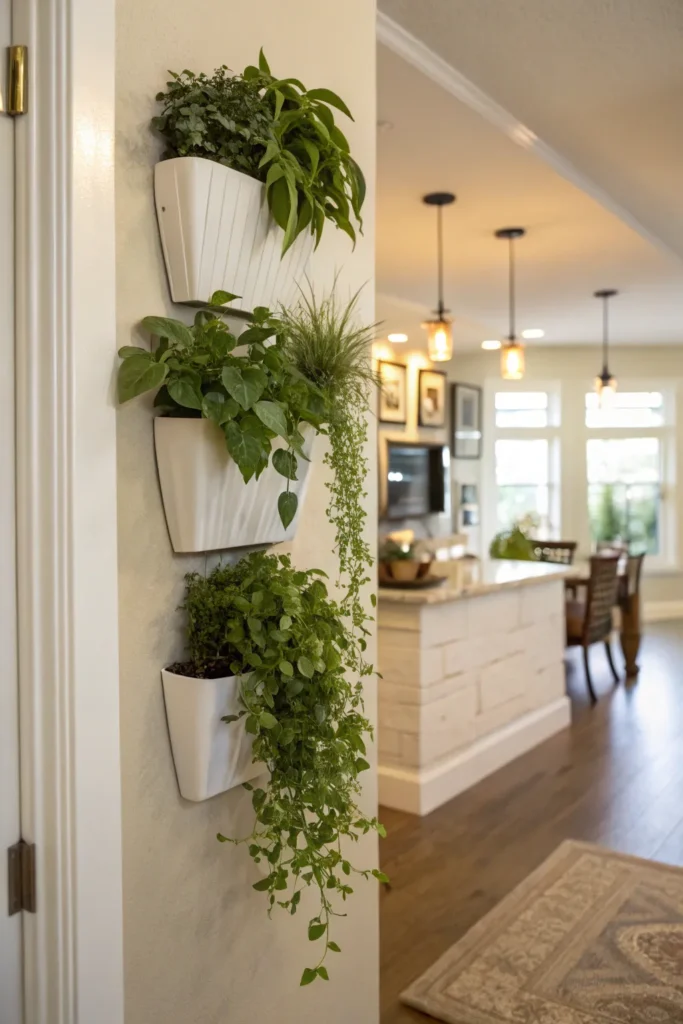
Transform your corner into a living art installation by installing a vertical garden system or arranging multiple wall-mounted planters across both adjacent walls. This approach works beautifully in corners with adequate natural light or where you can supplement with grow lights, creating a stunning focal point that improves air quality while bringing nature indoors.
Choose plants with varying textures, colors, and growth habits to create visual interest, and ensure your system includes proper drainage to protect walls from moisture damage.
12. Position Sculptural Furniture
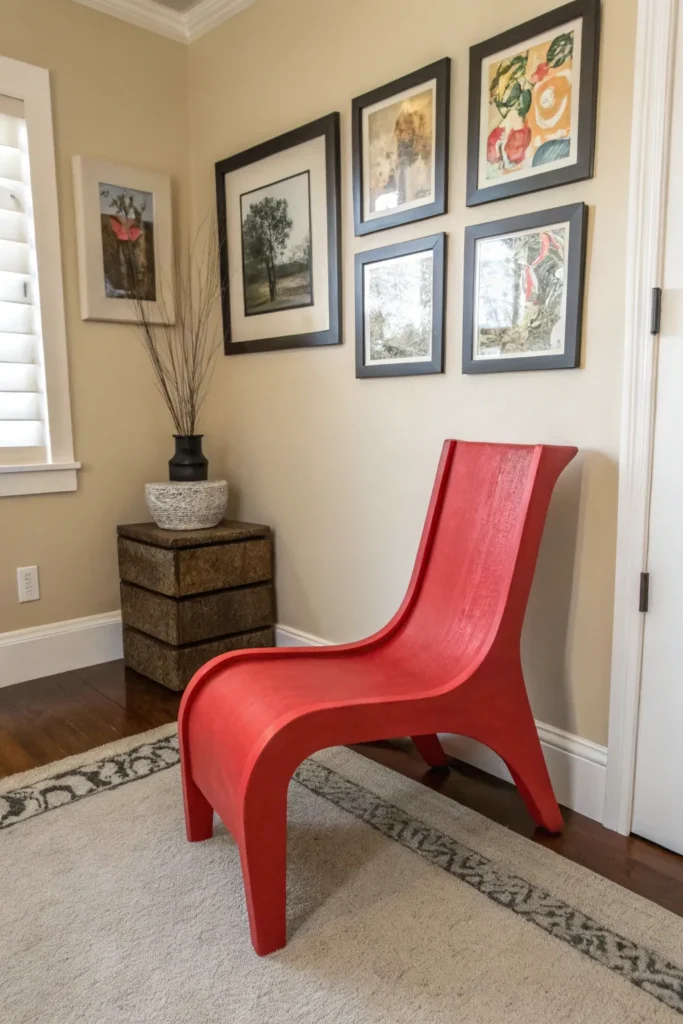
Fill empty corners with statement furniture pieces that serve as functional art—perhaps an iconic designer chair, a vintage chest, or a sculptural side table that demands attention.
This approach works particularly well when the piece contrasts with surrounding decor in style, color, or material, creating deliberate visual tension that makes the corner feel curated rather than accidentally filled. Ensure the piece is appropriately scaled for the corner without overwhelming it, and keep surrounding areas relatively simple to allow your statement piece to shine.
13. Install Corner Storage Cabinets
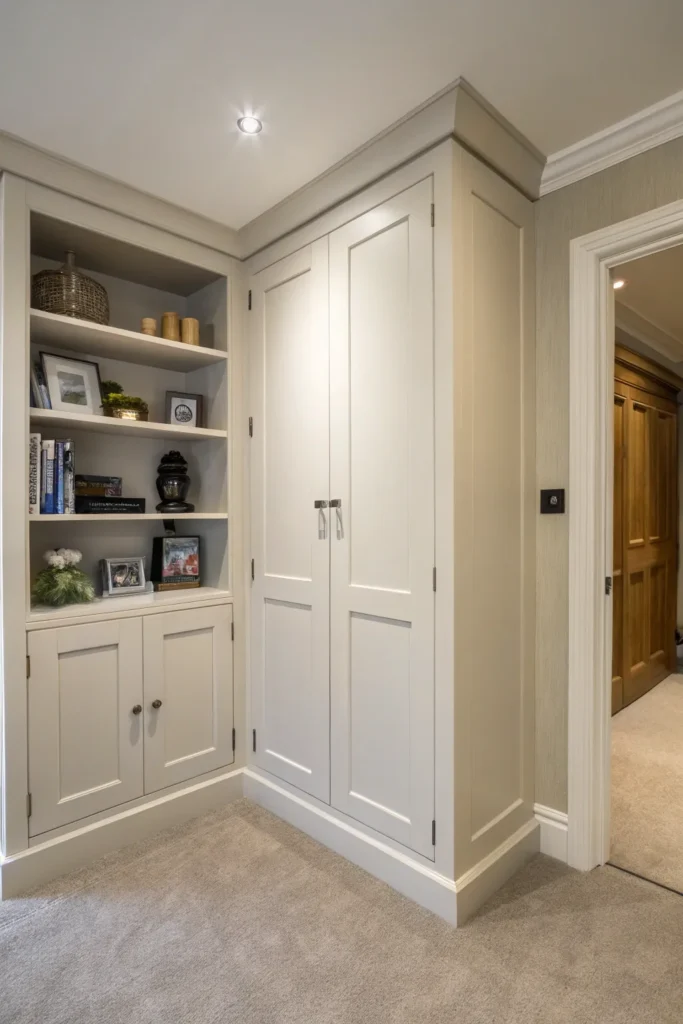
Maximize storage potential with custom or prefabricated corner cabinets that fit snugly into the angle while providing concealed storage for items you want accessible but not visible. This practical solution works throughout the home—linen storage in bathrooms, dish storage in dining rooms, media equipment in living rooms, or craft supplies in home offices.
Choose cabinets with finishes that match existing built-ins or furniture for a cohesive look, or paint them an accent color to make the corner a deliberate focal point.
14. Create a Display Corner with Collections
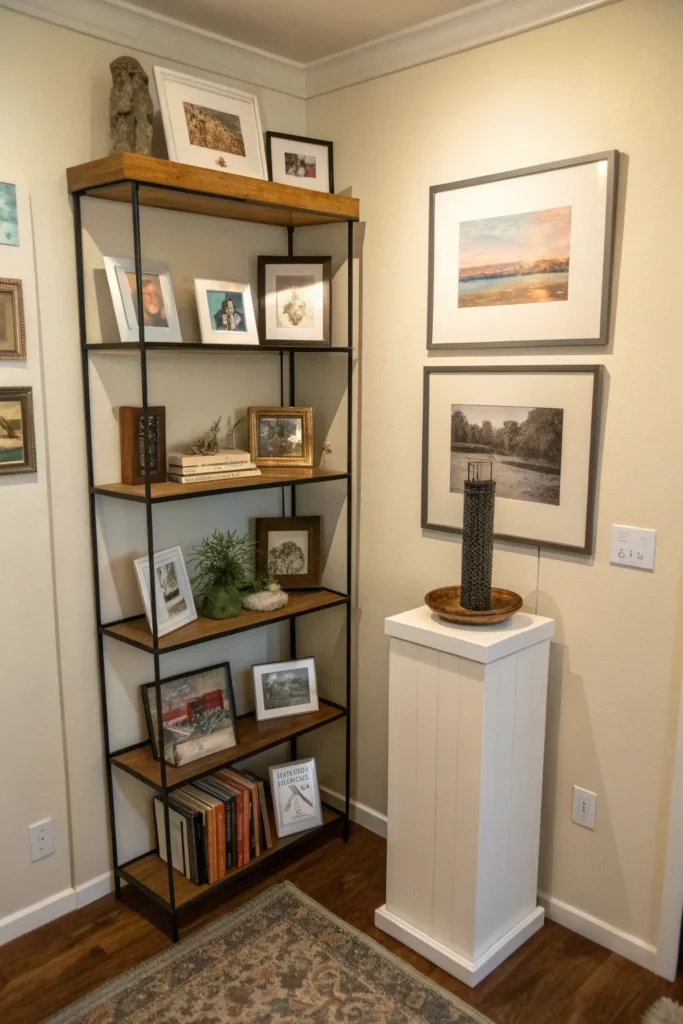
Showcase meaningful collections—vintage cameras, ceramic pottery, art books, travel souvenirs, or family heirlooms—by dedicating a corner to their thoughtful display. Use a combination of floor stands, wall shelves, and small tables to create varied heights and depths that make the collection feel museum-quality rather than cluttered.
Proper lighting is essential for this approach, so consider adding a picture light, track lighting, or even a small spotlight that highlights your treasures and makes the corner feel intentional and important.
15. Design a Corner Meditation or Yoga Space
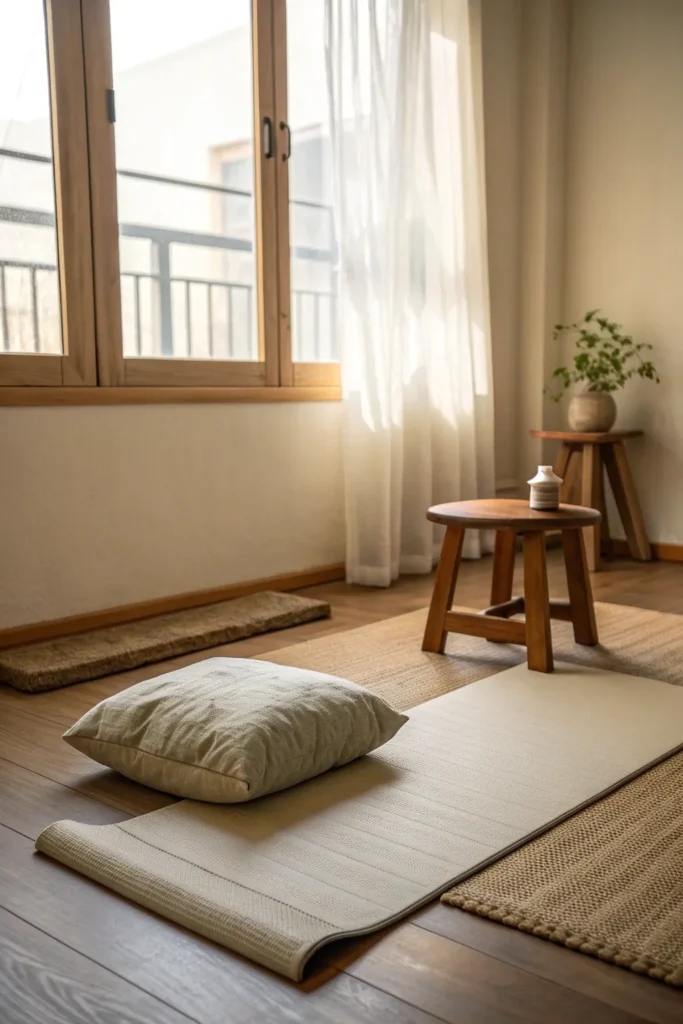
Dedicate an empty corner to mindfulness and wellness by creating a simple, serene space for meditation, stretching, or yoga practice. Roll out a yoga mat or meditation cushion, add a small shelf or table for candles, essential oils, or inspirational objects, and consider hanging sheer curtains that can be drawn to create a sense of enclosure and privacy.
Keep this corner minimal and peaceful, avoiding clutter or distractions that would undermine its purpose as a retreat from the busy energy of the rest of your home.
The psychology of well-decorated corners extends beyond simple aesthetics to impact how we perceive and experience entire rooms. Empty corners create visual incompleteness that our brains register as unsettling or unfinished, while thoughtfully filled corners provide visual endpoints that make spaces feel considered, complete, and intentionally designed.
This subtle psychological effect influences how comfortable and at ease we feel in our homes, making corner decoration not merely an aesthetic exercise but a meaningful contribution to our overall well-being and satisfaction with our living environments.
Proportion and scale are critical considerations when decorating corners, as pieces that are too large overwhelm the space and make navigation difficult, while items that are too small appear lost and fail to adequately fill the void.
As a general rule, corner decor should extend roughly two-thirds to three-quarters of the way up the wall and occupy enough floor space to feel substantial without impeding traffic flow. Step back and evaluate your corner from multiple vantage points throughout the room to ensure it looks intentional and appropriately sized from every angle, not just when standing directly in front of it.
Lighting dramatically impacts how successfully your corner decoration integrates into the overall room design, with poorly lit corners remaining dark and uninviting regardless of how thoughtfully you’ve decorated them.
Layer lighting by combining ambient sources like recessed ceiling lights with task lighting specific to the corner’s function—reading lamps for reading nooks, picture lights for gallery walls, or accent lighting for displayed collections. This dedicated illumination ensures your corner decoration is visible and appreciated rather than disappearing into shadow and failing to contribute to the room’s overall atmosphere.
Color and contrast help corner decorations make an appropriate visual impact without overwhelming adjacent walls or competing with other focal points in the room. Corners decorated in colors similar to surrounding walls tend to recede and feel integrated, while contrasting colors make corners stand out as deliberate design features.
Neither approach is inherently superior; the choice depends on whether you want the corner to quietly complete the room or boldly announce itself as a distinctive element worthy of attention and appreciation.
The most successful corner decorations balance aesthetic appeal with functional utility, serving practical purposes while enhancing the room’s visual composition. A beautiful reading chair that’s uncomfortable won’t get used, regardless of how perfectly styled it appears, just as a highly functional desk that clashes with your decor will always feel like a necessary compromise rather than a design triumph.
Strive for solutions that genuinely improve how you live in and use your space while contributing beauty and personality that make coming home a daily pleasure rather than simply meeting basic needs.
Empty corners represent untapped potential in every room of your home—opportunities to add character, functionality, and completeness that transform good rooms into great ones. By viewing these spaces not as problems to solve but as possibilities to explore, you open yourself to creative solutions that might never occur if you simply accept corners as awkward architectural necessities.
Whether you choose dramatic statement pieces or subtle functional additions, properly decorated corners demonstrate attention to detail and commitment to creating homes that are thoughtfully designed from wall to wall, leaving no space unconsidered or unloved.