
Cheesecake Factory Brown Bread Copycat – Dark, Sweet & Impossibly Soft
Prep Time: 20 minutes | Rise Time: 2 hours | Cook Time: 25 minutes | Total Time: 2 hours 45 minutes | Servings: 2 loaves (16 slices) | Calories: 175 kcal per slice
Cheesecake Factory brown bread copycat is the recipe that answers one of the most asked questions in casual dining. What is that dark, slightly sweet, impossibly soft bread they bring to the table before your meal? The one that arrives warm with a pat of soft butter, rolled in oats, with a flavor that sits somewhere between honey wheat and pumpernickel and somehow tastes better than anything that comes after it on the menu.
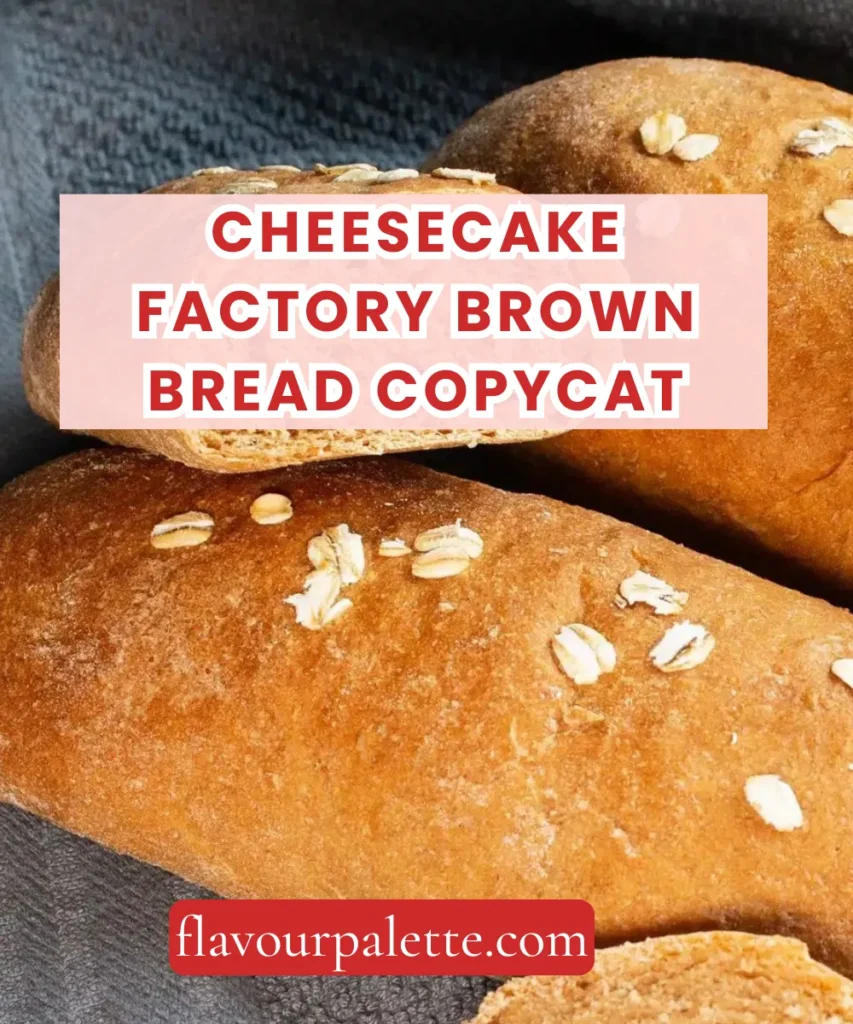
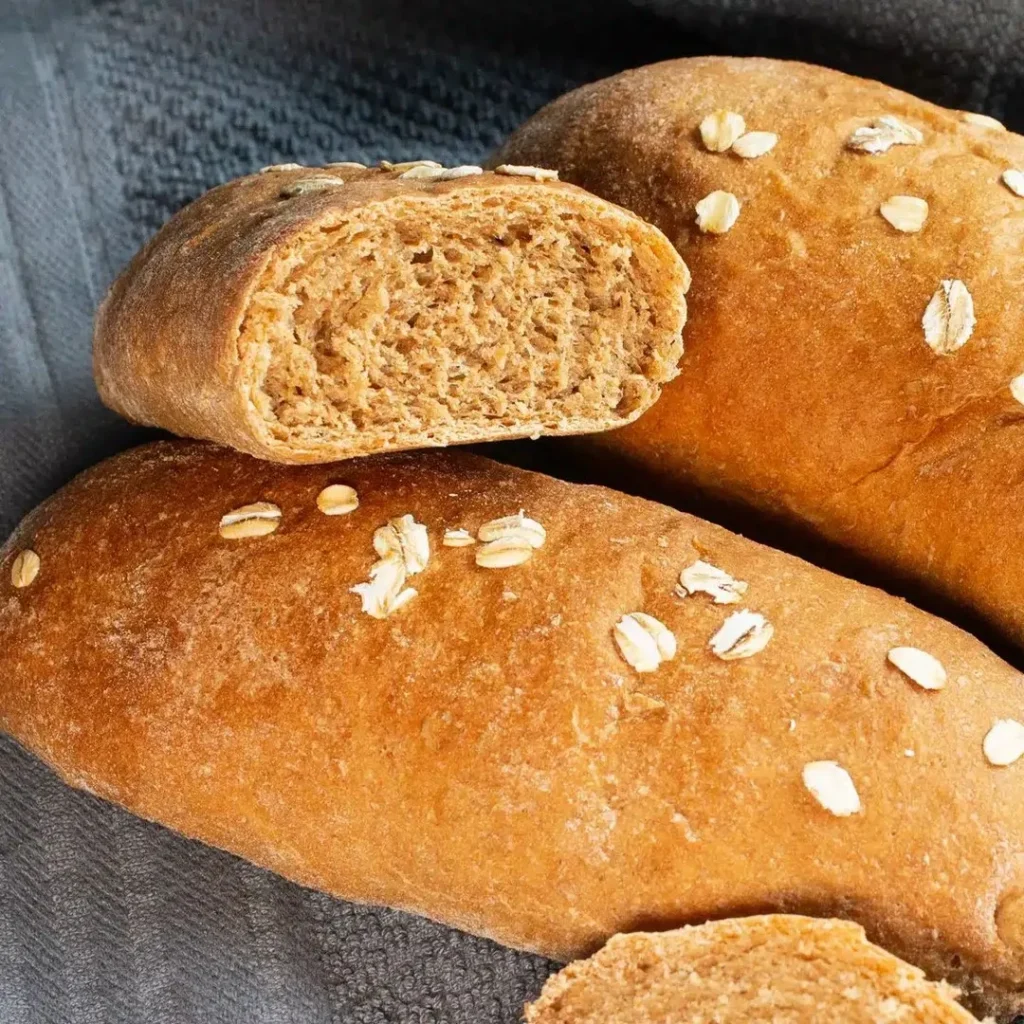
The secret is a combination that sounds unusual until you taste the result — whole wheat flour, cocoa powder, molasses, and honey working together to create a loaf that is dark in color, gently sweet, and deeply complex without being heavy or dense. The cocoa does not make it taste like chocolate. It makes it taste like the most interesting, most satisfying version of a whole wheat bread you have ever had.
This recipe makes two small loaves, each rolled in oats the way the restaurant does, baked until the crust is firm and the inside is pillowy and soft. Sliced warm with soft butter, it is the reason people arrive hungry to the Cheesecake Factory and leave wishing they had ordered more bread.
Why You Will Love This Recipe
Cheesecake Factory brown bread copycat earns a permanent place in your baking repertoire from the very first loaf. Here is exactly what makes it so special.
- Tastes exactly like the real thing. The combination of molasses, honey, cocoa, and whole wheat flour nails the flavor that has made this bread famous for decades.
- The most requested bread recipe online. There is a reason this particular bread has its own cult following — once you know what it tastes like, you want to make it at home.
- Surprisingly straightforward. The ingredient list is longer than that of a basic white bread, but the technique is the same. If you can make a yeasted loaf, you can make this.
- Beautiful to look at. The dark, oat-rolled loaves look like they came from a proper artisan bakery and make any bread basket feel truly special.
- Freezes perfectly. Make two loaves, serve one, and freeze the other for next time. Thawed and warmed, it tastes freshly baked.
Ingredients
For the Bread
- 1 cup (240ml) warm water (110°F / 43°C)
- 2¼ teaspoons (7g / 1 packet) active dry yeast
- 2 tablespoons granulated sugar
- 1½ cups (185g) bread flour or all-purpose flour, plus extra for kneading
- 1½ cups (180g) whole wheat flour
- 2 tablespoons unsweetened cocoa powder
- 1 teaspoon salt
- 2 tablespoons unsalted butter, softened
- 3 tablespoons honey
- 2 tablespoons molasses
- 1 tablespoon vegetable oil
For Shaping
- 2 tablespoons rolled oats (for rolling the loaves)
- 1 tablespoon butter or water (for brushing before rolling in oats)
For Serving
- Soft unsalted butter
Equipment Needed
- Stand mixer with dough hook attachment (or large bowl for hand kneading)
- Large mixing bowl
- Baking sheet lined with parchment paper
- Pastry brush
- Kitchen thermometer
- Clean kitchen towel or plastic wrap
- Measuring cups and spoons
- Kitchen scale (optional but recommended for accuracy)
Instructions
Step 1: Activate the Yeast
In a small bowl, combine the warm water, granulated sugar, and active dry yeast. Stir gently and leave for 5 to 10 minutes until the surface is foamy and the mixture smells yeasty and alive. If nothing happens, the yeast is not active — discard and start again with a fresh packet.
Step 2: Mix the Dry Ingredients
In the bowl of a stand mixer, combine the bread flour, whole wheat flour, cocoa powder, and salt. Whisk briefly to distribute everything evenly. The cocoa will make the flour mixture look very dark — this is exactly right.
Step 3: Make the Dough
Add the foamy yeast mixture to the dry ingredients along with the softened butter, honey, molasses, and vegetable oil. Mix on low speed with the dough hook until a rough, shaggy dough comes together, about 2 minutes. Increase the speed to medium and knead for 8 to 10 minutes until the dough is smooth, slightly sticky, and elastic. It will be darker than a standard bread dough due to the cocoa and molasses — do not be alarmed. If kneading by hand, turn onto a lightly floured surface and knead for 12 minutes.
Step 4: First Rise
Shape the dough into a ball and place it in a lightly oiled bowl. Turn once to coat all sides. Cover tightly with plastic wrap or a clean kitchen towel. Let rise in a warm, draft-free place for 1 hour to 1 hour 30 minutes until the dough has doubled in size.
Step 5: Shape the Loaves
Punch the risen dough down gently and turn it out onto a lightly floured surface. Divide the dough into two equal pieces. Shape each piece into a smooth oval or batard shape roughly 6 inches long by pressing the dough flat, folding the sides in, and rolling it tightly to form a compact oval with a smooth surface and sealed seam on the bottom.
Step 6: Roll in Oats
Spread the rolled oats on a flat plate or cutting board. Brush the surface of each shaped loaf lightly with softened butter or water. Roll each loaf in the oats, pressing gently so they adhere to the entire surface. This oat coating is the signature visual detail that makes this bread immediately recognizable.
Step 7: Second Rise
Place the oat-coated loaves on a parchment-lined baking sheet, spaced well apart. Cover loosely and let rise for 45 minutes to 1 hour until the loaves are visibly puffed and the dough slowly springs back when pressed gently with a floured finger.
Step 8: Score and Bake
Preheat the oven to 375°F (190°C). Just before baking, use a sharp knife or bread lame to score two or three diagonal slashes across the top of each loaf. This allows the bread to expand properly in the oven without unpredictably cracking at the sides. Bake for 22 to 25 minutes until the crust is firm, and the loaves sound hollow when tapped on the bottom.
Step 9: Cool and Serve
Remove from the oven and let the loaves cool on a wire rack for at least 15 minutes before slicing. Serve warm, sliced thick, with soft unsalted butter.
Substitutes & Swaps
- Bread flour: All-purpose flour works well and gives a slightly more tender crumb. Bread flour gives a chewier, more structured loaf with a better crust. Either produces an excellent result.
- Whole wheat flour: White whole wheat flour is milder in flavor and gives a slightly lighter result if you find the earthiness of regular whole wheat too pronounced.
- Molasses: Blackstrap molasses is very strong and bitter — use regular unsulfured molasses for the best flavor. Dark treacle works as a UK substitute. If molasses is unavailable, increase the honey and add an extra teaspoon of cocoa for color.
- Honey: Maple syrup or agave syrup both substitute well with slightly different flavor notes. Brown sugar dissolved in a little warm water also works.
- Rolled oats: Old-fashioned rolled oats give the best visual result. Quick oats can be used but the coating will be finer and less textured.
Variations
Mini Brown Bread Rolls
Divide the dough into 12 equal pieces instead of two loaves. Shape each into a small round roll, brush with butter, roll in oats, and bake at 375°F for 14 to 16 minutes. These make perfect individual-sized rolls for dinner parties that look exactly like the restaurant presentation.
Seeded Brown Bread
Add two tablespoons of sunflower seeds and one tablespoon of flaxseeds directly into the dough during kneading for a nuttier, more textured loaf with extra nutrition and a slightly different bite.
Raisin Brown Bread
Fold half a cup of plump raisins into the dough after the first knead for a subtly sweet, fruit-studded variation that works beautifully toasted with butter for breakfast.
Extra Dark Brown Bread
Increase the cocoa powder to three tablespoons and the molasses to three tablespoons for a deeper, more intensely colored loaf with a stronger, more robust flavor that is closer to a pumpernickel in depth.
Brown Bread French Toast
Slice the day-old brown bread thickly and use it to make French toast — the molasses and honey in the bread caramelize beautifully in the pan, and the result is one of the most extraordinary versions of French toast you will ever eat.
Tips & Tricks
Do not substitute blackstrap molasses. Blackstrap is significantly more bitter and concentrated than regular molasses and will make the bread taste unpleasantly harsh. Regular unsulfured molasses is what gives this bread its characteristic deep, gentle sweetness.
The cocoa is for color and depth, not chocolate flavor. Two tablespoons of cocoa in a full loaf provides almost no identifiable chocolate taste but gives the bread its signature dark color and adds a subtle earthy complexity that makes the bread taste more interesting than a plain whole wheat loaf.
Knead thoroughly. Whole wheat flour needs good gluten development to produce a loaf that rises properly and has a light, soft interior rather than a dense, heavy crumb. Do not cut the kneading time short.
Weigh the dough when dividing. Dividing by eye produces two loaves of unequal size that bake at different rates. A kitchen scale ensures both loaves are the same weight and bake evenly in the same time.
Press the oats firmly onto the surface. The oat coating can fall off if it was not pressed in firmly enough when rolling. After rolling each loaf in oats, cup both hands around the loaf and press gently but firmly all over to make sure the oats have adhered before the second rise.
Score before baking, not before. Scoring the loaves right before they go into the oven gives the cleanest, most defined cuts. Scoring too far in advance allows the cuts to close up during the final rest.
Let the bread rest before slicing. Cutting into a loaf before it has rested for at least 15 minutes results in a gummy, compressed crumb. The interior needs time to set after coming out of the oven. The wait is worth it.
Nutrition Information (Per Slice)
| Nutrient | Amount |
|---|---|
| Calories | 175 kcal |
| Total Fat | 4g |
| Saturated Fat | 1.5g |
| Carbohydrates | 31g |
| Fiber | 3g |
| Sugars | 7g |
| Protein | 5g |
| Sodium | 155mg |
Frequently Asked Questions (FAQs)
What makes this bread dark brown?
The combination of whole wheat flour, cocoa powder, and molasses is responsible for the deep color. None of these ingredients individually would produce this shade, but together they create the dark, rich color that makes this bread so visually distinctive. There is no food coloring involved.
Why is my bread dense?
Dense bread usually comes from one of three causes: under-kneading, under-proofing, or yeast that was not properly activated. Make sure the yeast is foamy before proceeding, knead for the full time, and let the dough rise until genuinely doubled before shaping.
Can I make this bread without a stand mixer?
Yes. Mix in a large bowl until the dough comes together, then knead by hand on a floured surface for 12 to 15 minutes until smooth and elastic. The whole wheat flour requires slightly more kneading effort than a white flour dough, but the technique is identical.
How do I store this bread?
Wrap the cooled loaf tightly in plastic wrap or store it in an airtight bag at room temperature for up to 3 days. For longer storage, slice the entire loaf, wrap tightly, and freeze for up to 3 months. Toast individual frozen slices directly from frozen.
Can I make the dough overnight?
Yes. After the first rise, shape the loaves and roll them in oats, then cover tightly and refrigerate overnight. The next day, remove from the fridge and let it come to room temperature and complete the second rise, about 1 to 1½ hours, before baking.
Why does my bread taste too bitter?
Bitterness almost always indicates blackstrap molasses was used instead of regular molasses, or too much cocoa was added. Use regular unsulfured molasses and measure the cocoa precisely.
The Bread That Upstages the Entire Menu
The Cheesecake Factory has a menu that runs to dozens of pages. Yet the single most talked-about item it serves is the bread they bring before any of it arrives. That tells you something important about what people really want from a meal out — warmth, softness, a little sweetness, and butter. This copycat gives you all of it, made in your own kitchen, from ingredients that cost almost nothing.
Bake both loaves on a Sunday. Serve one that evening with dinner. Freeze the second and pull it out two weeks later when you want that same experience again without any of the work.
Made this Cheesecake Factory brown bread copycat? Leave a comment below and tell me how closely it matched the restaurant version and whether you tried any of the variations.

Cheesecake Factory Brown Bread Copycat
Ingredients
- Bread Dough:
- 1 cup 240ml warm water (110°F / 43°C)
- 2¼ teaspoons 7g active dry yeast
- 2 tablespoons granulated sugar
- 1½ cups 185g bread flour or all-purpose flour, plus extra for kneading
- 1½ cups 180g whole wheat flour
- 2 tablespoons unsweetened cocoa powder
- 1 teaspoon salt
- 2 tablespoons unsalted butter softened
- 3 tablespoons honey
- 2 tablespoons molasses regular unsulfured, not blackstrap
- 1 tablespoon vegetable oil
- For Shaping:
- 2 tablespoons rolled oats
- 1 tablespoon softened butter or water for brushing
- For Serving:
- Soft unsalted butter
Instructions
- Combine warm water, sugar, and yeast. Let sit 5 to 10 minutes until foamy.
- In a stand mixer bowl, whisk together bread flour, whole wheat flour, cocoa powder, and salt.
- Add yeast mixture, softened butter, honey, molasses, and oil to the dry ingredients. Mix on low for 2 minutes then medium for 8 to 10 minutes until smooth and elastic.
- Place dough in a lightly oiled bowl, cover, and let rise for 1 to 1½ hours until doubled.
- Punch down dough. Divide into two equal pieces. Shape each into a smooth oval loaf about 6 inches long.
- Brush each loaf with softened butter or water, then roll firmly in oats until fully coated. Press oats in gently all over.
- Place on a parchment-lined baking sheet. Cover and let rise for 45 minutes to 1 hour until puffed.
- Preheat oven to 375°F (190°C). Score each loaf with 2 to 3 diagonal slashes. Bake for 22 to 25 minutes until firm and hollow-sounding when tapped.
- Cool on a wire rack for at least 15 minutes before slicing. Serve warm with soft butter.
Notes
- Use regular unsulfured molasses, never blackstrap — blackstrap is too bitter
- Cocoa provides color and depth only — the bread does not taste like chocolate
- Knead thoroughly for a light interior — whole wheat flour needs full gluten development
- Weigh dough when dividing for two evenly sized loaves that bake at the same rate
- Press oats firmly onto the surface so they stay on during the second rise and baking
- Score loaves immediately before baking, not before the second rise
- Rest at least 15 minutes before slicing — cutting too early gives a gummy crumb
- Stores at room temperature for 3 days or freeze sliced for up to 3 months
- For overnight rolls, refrigerate after shaping and complete the second rise in the morning
- Make mini rolls by dividing into 12 pieces and baking for 14 to 16 minutes