15 Backyard Pond Inspirations for Tranquil Water Features
Backyard ponds create focal points of extraordinary beauty while providing habitats for wildlife, soothing water sounds, and peaceful spaces for contemplation and relaxation.
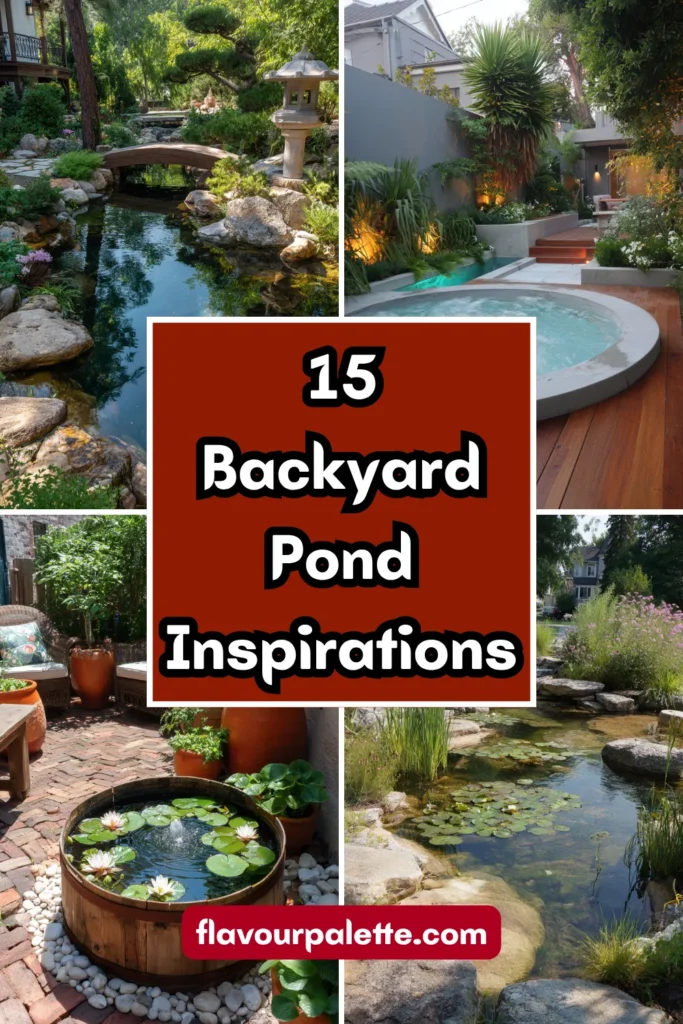
These aquatic features range from simple container water gardens to elaborate ecosystem ponds complete with waterfalls, streams, and thriving fish populations. The right pond design complements your landscape style, fits within available space and budget, and matches your maintenance commitment level.
Whether you envision serene reflecting pools mirroring sky and surrounding plants, naturalistic wildlife habitats supporting frogs and dragonflies, or formal koi ponds showcasing colorful fish, the possibilities for backyard pond designs are limited only by imagination and site conditions.
These 15 backyard pond inspirations showcase diverse styles, sizes, and features, demonstrating how water elements transform ordinary landscapes into extraordinary outdoor sanctuaries.
1. Natural Wildlife Pond
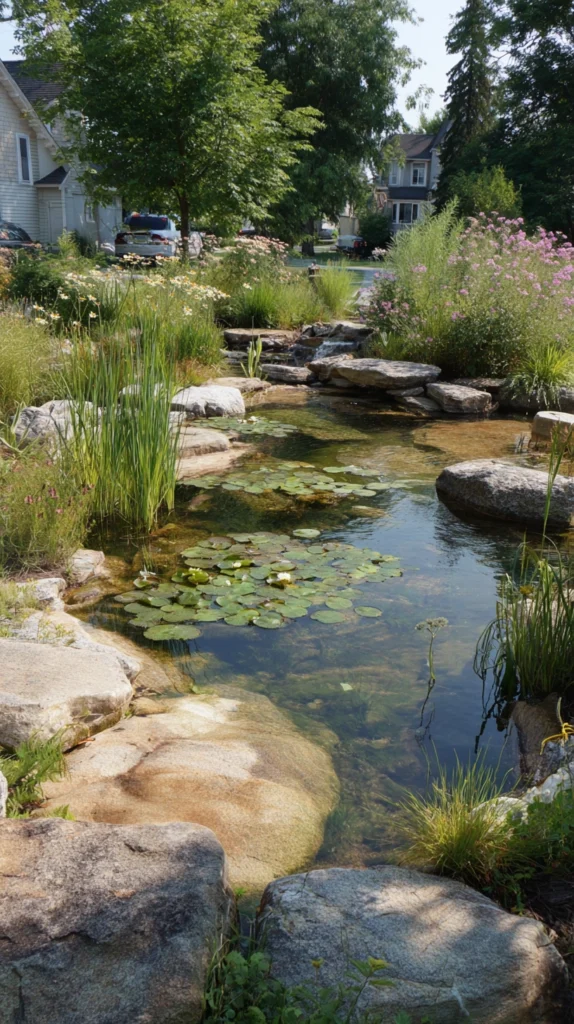
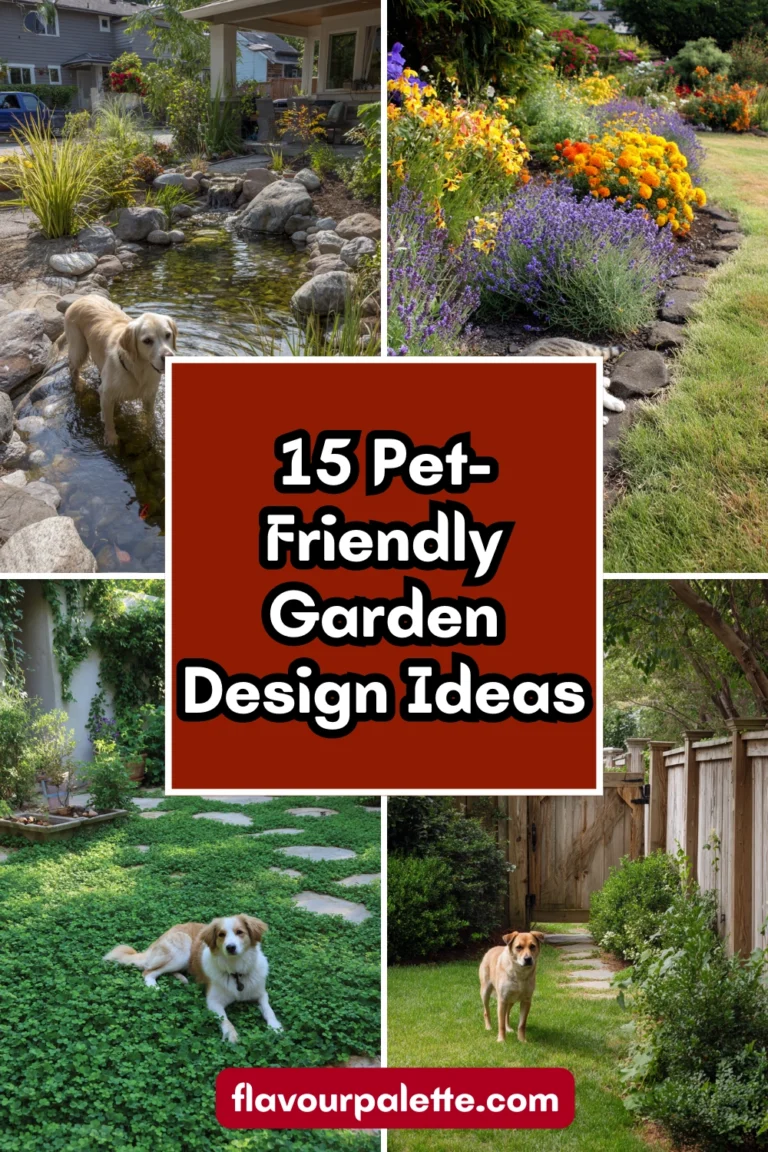
Create biodiverse habitats using irregular organic shapes, native aquatic plants, natural stone edges, and gently sloping sides, allowing easy wildlife access to water. Design with varying depths, including shallow zones for birds and amphibians, deeper sections for overwintering fish and aquatic insects, and marginal shelves supporting emergent plants.
Plant exclusively native species like cattails, rushes, water lilies, and pickerel weed, providing food and shelter for local wildlife. Avoid fish if prioritizing amphibian habitat since fish consume frog eggs and tadpoles, or stock sparingly with native species supporting ecosystem balance.
2. Formal Koi Pond
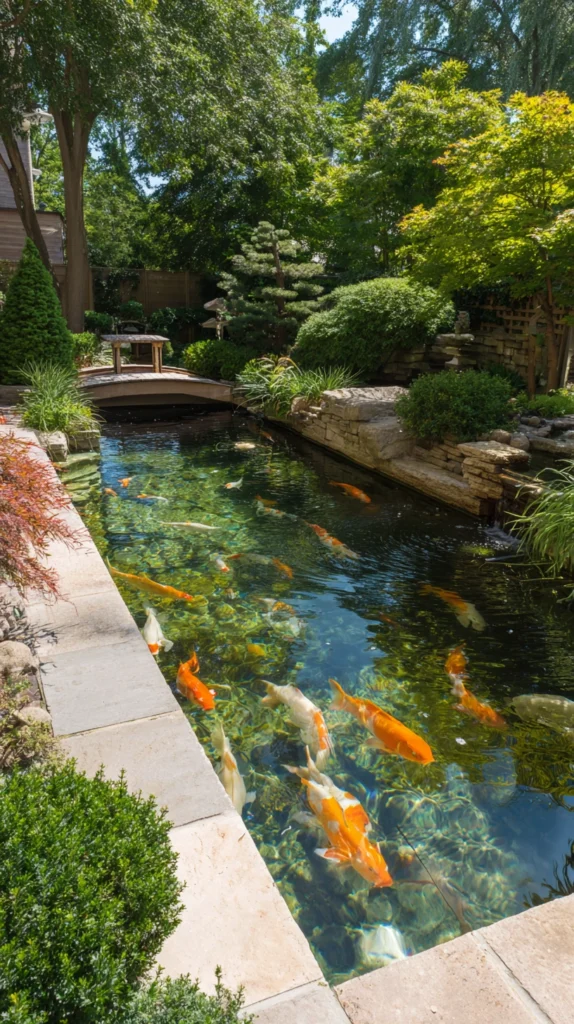
Design structured geometric ponds specifically engineered for keeping koi, featuring adequate depth, professional filtration systems, and viewing platforms allowing fish observation. Build ponds minimum 3-4 feet deep, providing proper temperature regulation and protection from predators, while surface area accommodates appropriate stocking densities.
Install robust filtration, including mechanical and biological components, maintaining water quality essential for koi health alongside UV sterilizers controlling algae. Add viewing bridges, underwater windows, or raised pond edges, bringing viewers closer to fish, creating interactive experiences with these intelligent, colorful creatures.
3. Small Container Water Garden
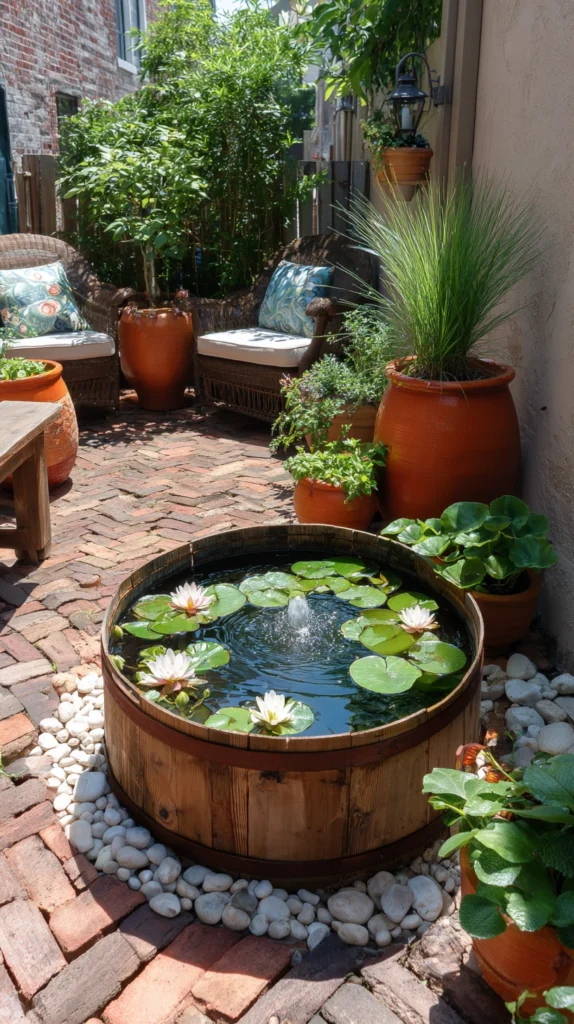
Create instant water features using half-barrels, large ceramic pots, or galvanized tubs, requiring no ground excavation, perfect for renters or commitment-phobes. Fill containers with water, add small aquatic plants like miniature water lilies or dwarf papyrus, and include a small fountain pump if desired.
Position on patios, decks, or in small courtyards, bringing water elements to spaces where in-ground ponds aren’t feasible. Drain and store containers during winter in cold climates or maintain year-round in temperate regions, providing portable flexibility that traditional ponds cannot offer.
4. Naturalistic Stream and Pool
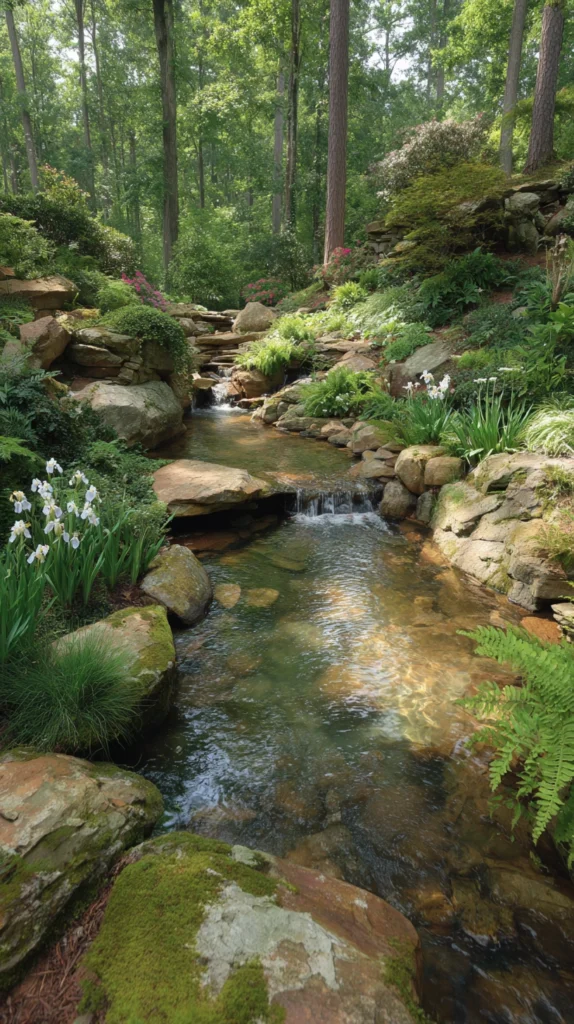
Design flowing water features where streams meander through landscapes, feeding into pools, creating movement, sound, and dynamic visual interest. Build stream beds using rocks, boulders, and gravel, creating varied water sounds from gentle trickles to small cascades, depending on slope and flow rate.
Create pools at stream bends or endpoints allowing water to slow and pool before recirculating providing planting opportunities and calmer viewing areas. Plant stream edges with moisture-loving species like ferns, iris, and cardinal flowers, softening hard rock work while reinforcing naturalistic aesthetics.
5. Minimalist Reflecting Pool
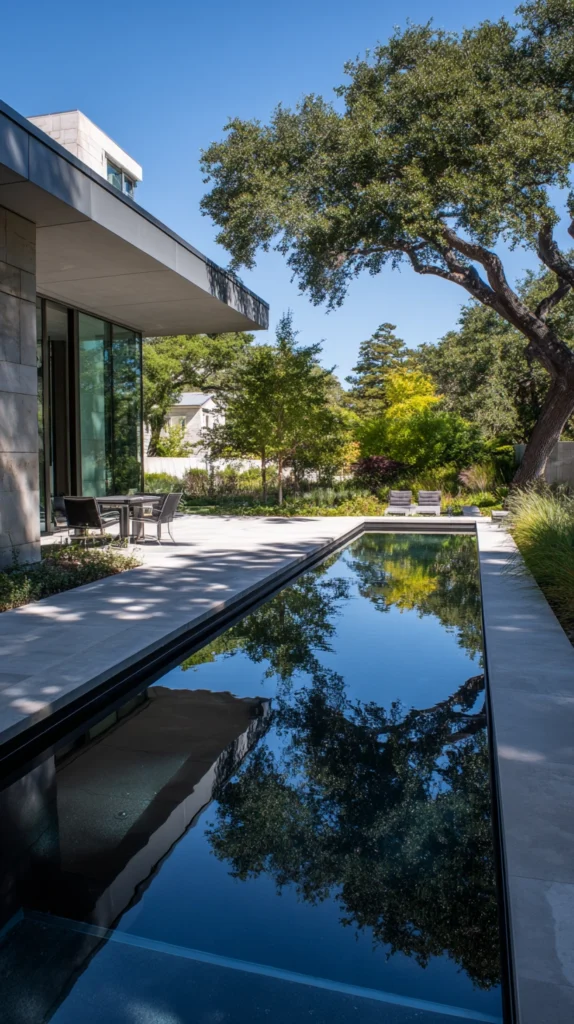
Install shallow formal pools designed primarily for reflection, featuring dark interiors, still water surfaces, and clean geometric shapes creating mirror-like effects. Keep depths minimal at 12-18 inches, reducing water volume and simplifying maintenance, while dark liner or paint enhances reflective properties.
Design with rectangular or circular forms using concrete, formed liner, or rigid shells, creating permanent structures with architectural presence. Position to reflect specific views, architectural features, or sculptural elements, doubling visual impact through perfect water mirrors.
6. Waterfall Feature Pond
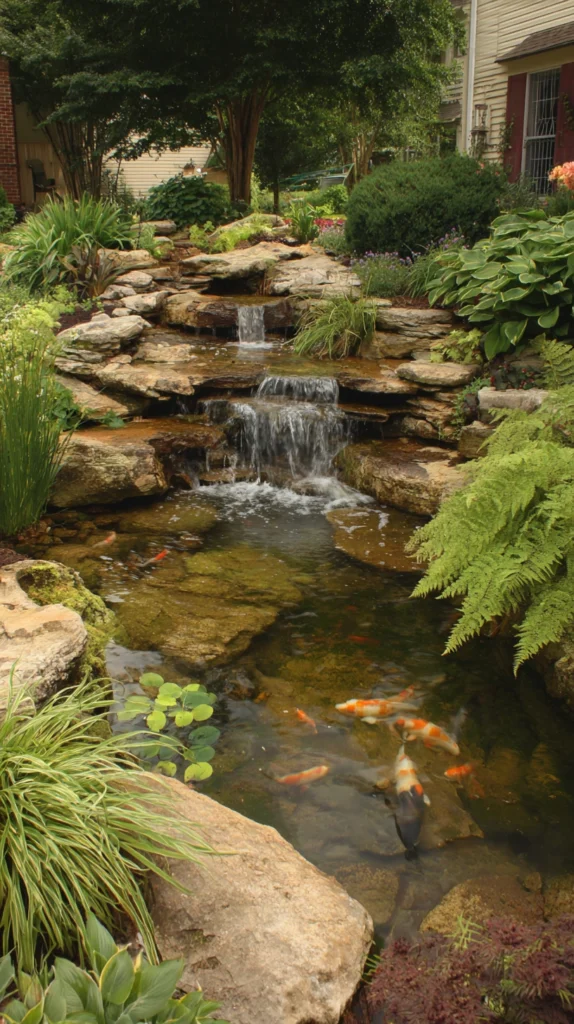
Create dynamic focal points featuring waterfalls cascading into ponds below, providing movement, sound, and oxygenation, supporting healthy aquatic ecosystems. Build waterfalls using stacked stone, manufactured waterfall units, or custom concrete construction, creating drops from subtle 6-inch cascades to dramatic multi-tiered falls.
Design catch pools at waterfall bases with adequate size and depth, preventing excessive splashing while accommodating desired fish or plant populations. Include ledges behind falling water, creating interesting visual depth and planting opportunities for moisture-loving species enjoying constant spray.
7. Japanese Garden Koi Pond
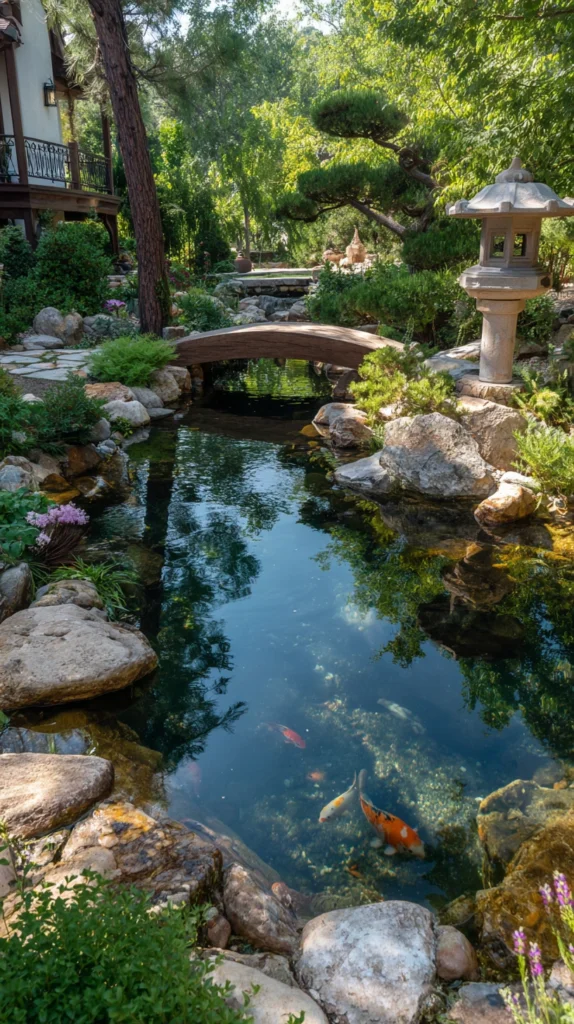
Construct serene ponds following Japanese design principles featuring careful stone placement, pruned plantings, arched bridges, and traditional ornaments, creating contemplative spaces. Position stones methodically using odd numbers and asymmetrical placement, following Japanese aesthetic philosophy, creating natural yet carefully composed appearances.
Plant restrained palettes, including Japanese iris, lotus, and perhaps one carefully positioned Japanese maple, creating focused beauty rather than abundant variety. Add traditional elements like stone lanterns, bamboo water spouts, or small arched bridges creating authentic Japanese garden atmosphere.
8. Raised Formal Pond
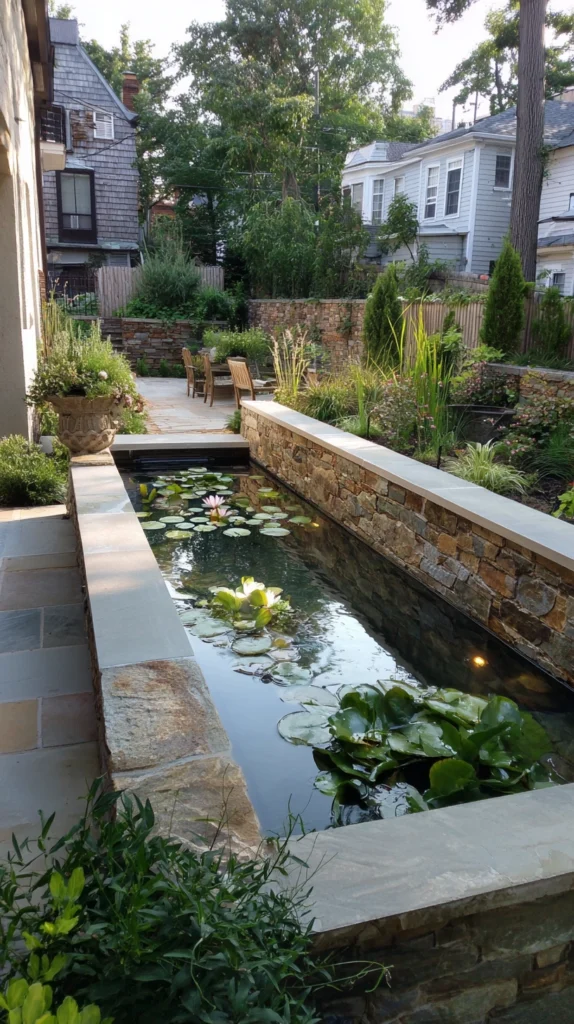
Build ponds elevated 18-36 inches above ground level, creating architectural features with a strong presence while making viewing easier without bending or kneeling. Construct using stone, brick, concrete block, or poured concrete, creating substantial permanent structures with formal geometric shapes.
Design with wide coping providing seating edges where people can sit comfortably while watching fish or enjoying the water garden. The raised design also deters some predators while making maintenance more comfortable by bringing water surfaces to more accessible heights.
9. Pondless Waterfall System
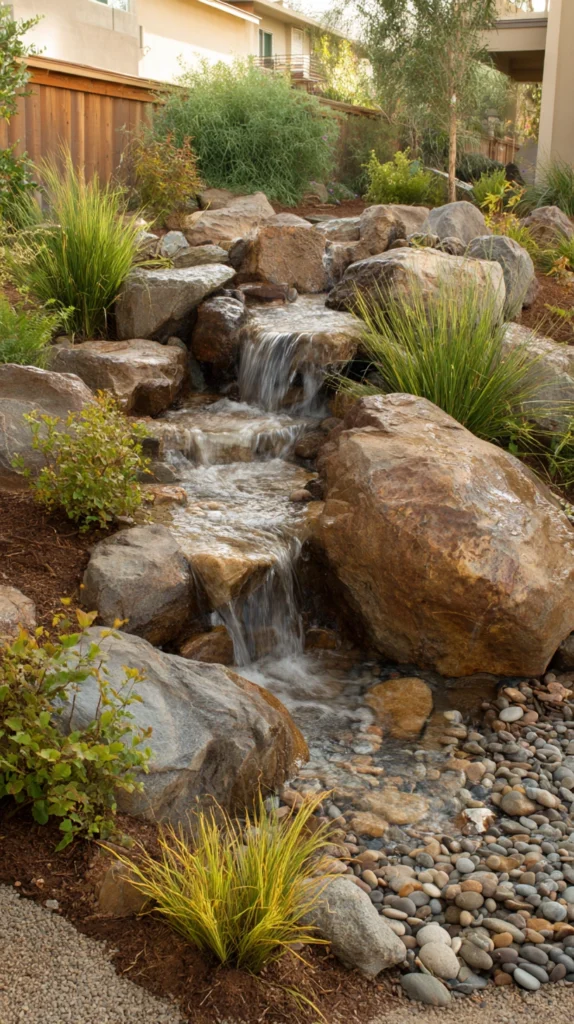
Install waterfalls without standing ponds where water disappears into underground reservoirs creating the sound and beauty of falling water without pond maintenance or safety concerns. Build naturalistic rock formations with water flowing over stones into gravel-covered catch basins hiding pumps and filtration equipment.
The pondless design eliminates worries about children’s safety, mosquito breeding, or water quality management while requiring less space than traditional pond systems. Surround with lush plantings creating the appearance of discovering natural springs within your landscape.
10. Swim Pond or Natural Pool
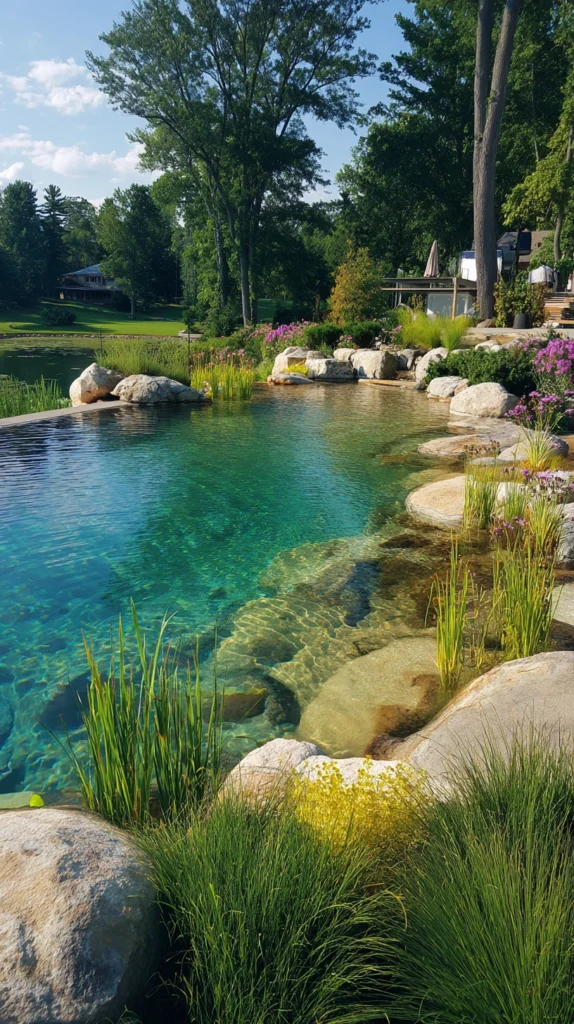
Create chemical-free swimming facilities using biological filtration through planted regeneration zones naturally cleaning water without chlorine or harsh chemicals. Design with swimming zones kept clear for activity and separate regeneration zones filled with aquatic plants performing natural filtration processes.
Build adequate surface area for effective biological filtration typically requiring regeneration zones comprising 50-70 percent of total water surface. The natural aesthetic blends swimming facilities into landscapes while avoiding the chemical pool smell and water quality fluctuations traditional pools experience.
11. Mediterranean Courtyard Fountain Pond
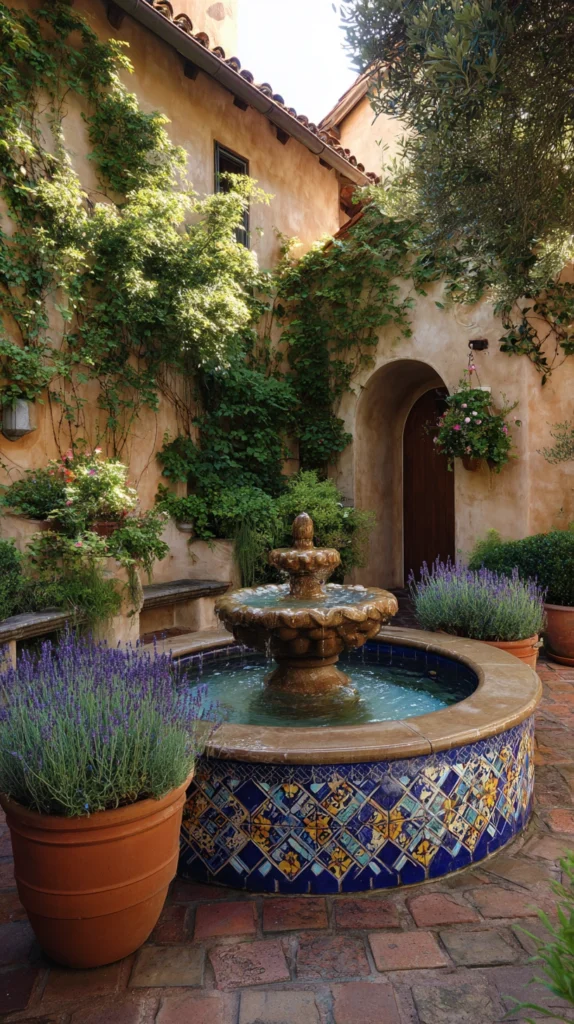
Design small formal ponds featuring central fountains surrounded by decorative tile work, terracotta planters, and Mediterranean plants creating European-inspired courtyard atmospheres. Build circular or octagonal ponds using ceramic tiles in blues, yellows, and earth tones creating decorative edges and interiors.
Install fountain centerpieces featuring classical designs like tiered basins, simple spouts, or sculptural elements creating vertical interest and gentle water sounds. Plant surrounding areas with lavender, rosemary, citrus trees, and other Mediterranean species reinforcing the regional aesthetic.
12. Bog Garden Pond
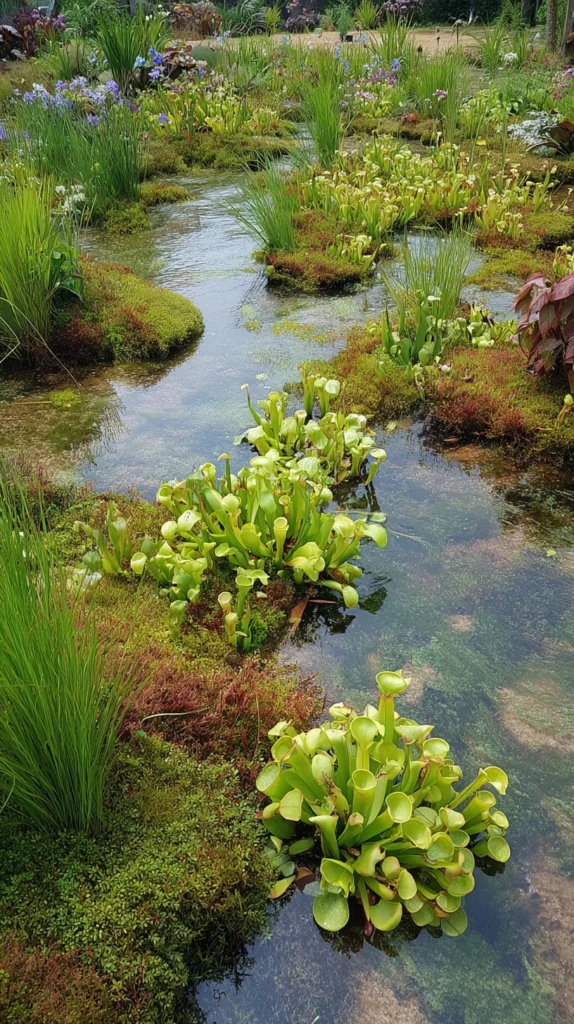
Create shallow water gardens specifically designed for bog plants like carnivorous species, irises, and moisture-loving perennials tolerating constant wet conditions. Build with irregular organic shapes using liners creating waterproof basins then filling with sand and peat mixtures supporting bog plant roots.
Maintain water levels just below soil surface keeping roots constantly moist without submerging plant crowns which many bog species cannot tolerate. Include Venus flytraps, pitcher plants, sundews, and other carnivorous species creating fascinating educational gardens with unique plant collections.
13. Backyard Lake Conversion
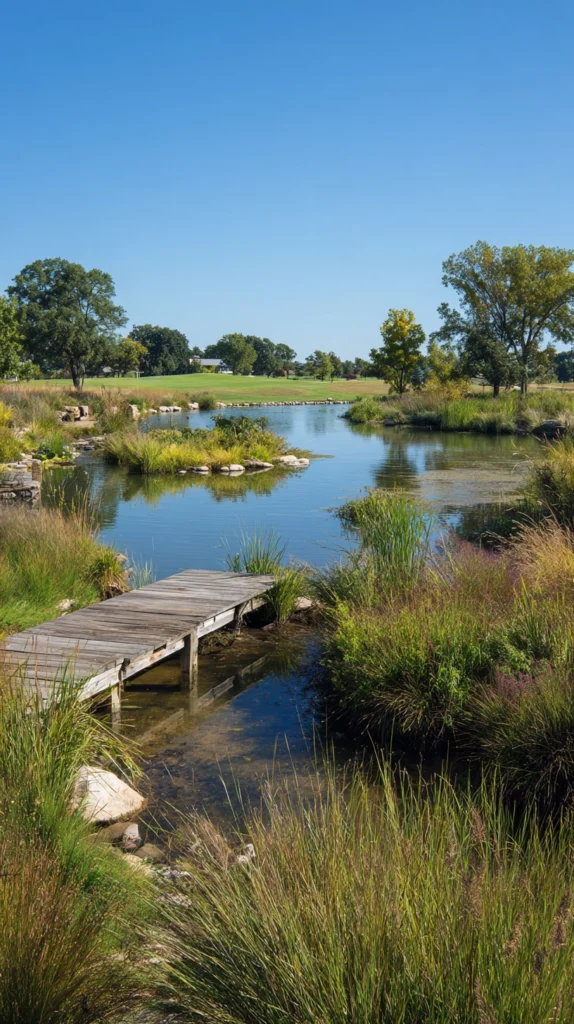
Transform larger properties by excavating substantial water bodies creating small lakes supporting diverse ecosystems, recreational activities, and dramatic landscape impacts. Design with irregular shorelines, islands, and varying depths creating diverse habitats supporting fish, waterfowl, and beneficial insects.
Include beaches, docks, or fishing platforms providing recreational access while emergent plant zones around perimeters filter runoff and provide wildlife habitat. Stock with game fish if recreational fishing interests you, or focus on ecosystem balance supporting natural food chains and wildlife observation opportunities.
14. Contemporary Geometric Pool
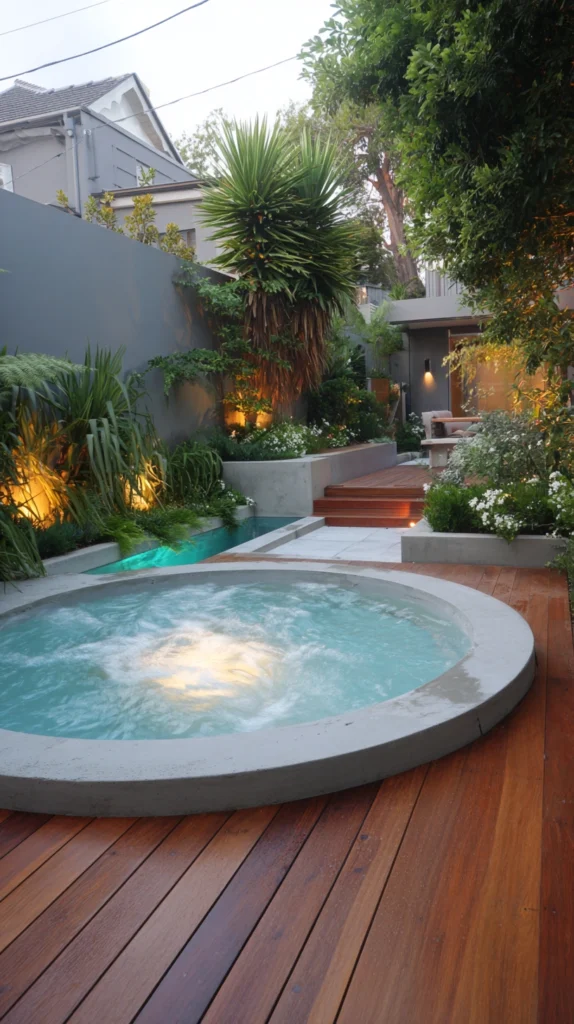
Install modern ponds featuring perfect circles, precise rectangles, or bold geometric shapes using contemporary materials like poured concrete, steel edging, or composite decking. Keep designs minimal with clean edges, monochromatic color schemes, and perhaps single sculptural plant specimens rather than abundant mixed plantings.
Add modern water features like spillways creating sheets of falling water, simple bubbling urns, or linear fountains, reinforcing contemporary aesthetics. Light is dramatically using LED systems that change colors, creating nighttime shows, and transforming ponds into glowing artistic installations.
15. Terraced Multi-Level Ponds
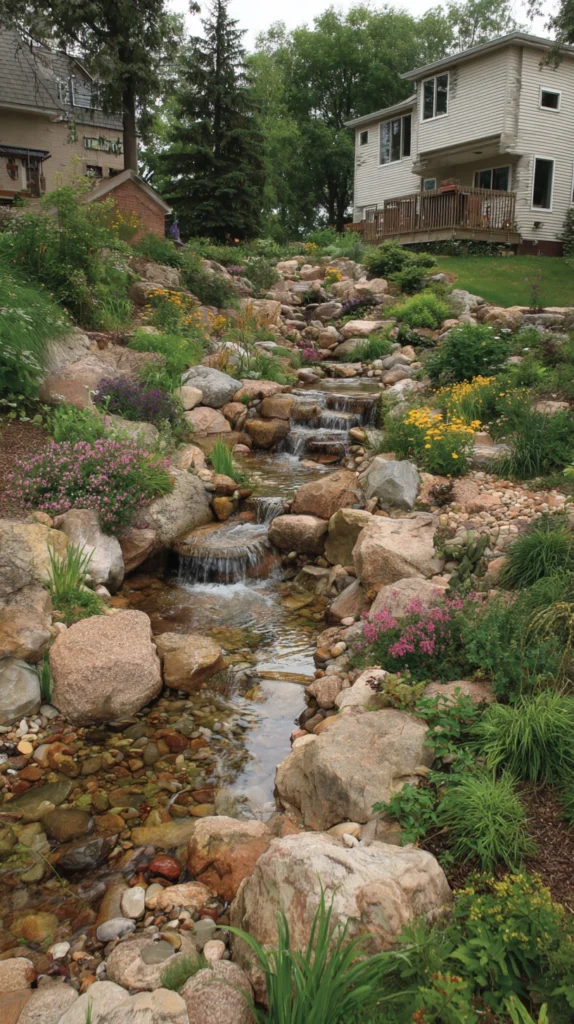
Create visual interest on sloped properties through cascading ponds at different elevations connected by streams or waterfalls, moving water downhill through multiple pools. Design each level with distinct characters varying in size, shape, and depth while maintaining a cohesive overall design through consistent materials and planting themes.
Build retaining walls between levels using stone, timber, or concrete, creating structural support while serving as backdrops for waterfalls connecting the pools. Plant each terrace differently, creating varied vignettes as water travels from upper pools through the system to final collection ponds below.
Building Successful Backyard Ponds
Successfully installing backyard ponds requires careful site selection, avoiding areas under trees where falling leaves create maintenance problems or low spots where runoff introduces contaminants.
Check local regulations regarding pond depth, fencing requirements, and setback restrictions before finalizing designs, ensuring compliance with all applicable codes. Consider sun exposure, with most aquatic plants requiring 6+ hours daily sunlight, while excessive shade limits plant options and encourages algae growth.
Plan adequate filtration and circulation systems matching pond volume and intended use, whether that’s simple fountain pumps for small water gardens or comprehensive biological filtration for koi ponds.
Install proper electrical service using GFCI-protected outlets and hire licensed electricians to ensure safe operation of pumps, filters, and lighting. Start with smaller, manageable ponds, learning maintenance requirements before expanding, as abandoned, neglected ponds become eyesores rather than landscape assets.
Most importantly, design ponds matching your genuine maintenance commitment level since successful water features require regular care, including debris removal, plant maintenance, water quality monitoring, and equipment upkeep, ensuring they remain beautiful assets rather than becoming overwhelming burdens.